
Understanding Foot and Ankle Pain From Bicycling

Foot and ankle pain while cycling is often related to bike setup and support. Achilles tendonitis can develop from the pedaling motion, especially when the saddle is set too high. This can lead to tightness and pain in the back of the ankle. Ankle discomfort may also occur in those with flat feet, which can affect stability during each pedal stroke. Foot pain is often linked to wearing shoes that lack proper support or riding in too high a gear. These factors increase pressure against the pedal and cause soreness or burning pain. Risk factors include repetitive motion, poor alignment, and improper equipment. A podiatrist can evaluate your foot mechanics and recommend supportive solutions. If cycling pain is limiting your rides, it is suggested that you consult a podiatrist who can provide effective relief solutions, enabling you to return to this popular activity.

Ankle and foot injuries are common among athletes and in many sports. They can be caused by several problems and may be potentially serious. If you are feeling pain or think you were injured in a sporting event or when exercising, consult with Andrew Katz, DPM from Allcare Foothealth Center. Our doctor will assess your condition and provide you with quality foot and ankle treatment.

Common Injuries

The most common injuries that occur in sporting activities include:

  • Achilles Tendonitis
  • Achilles Tendon Rupture
  • Ankle Sprains
  • Broken Foot
  • Plantar Fasciitis
  • Stress Fractures
  • Turf Toe

Symptoms

Symptoms vary depending upon the injury and in some cases, there may be no symptoms at all. However, in most cases, some form of symptom is experienced. Pain, aching, burning, bruising, tenderness, tightness or stiffness, sensation loss, difficulty moving, and swelling are the most common symptoms.

Treatment

Just as symptoms vary depending upon the injury, so do treatment options. A common treatment method is known as the RICE method. This method involves rest, applying ice, compression and elevating the afflicted foot or ankle. If the injury appears to be more serious, surgery might be required, such as arthroscopic or reconstructive surgery. Lastly, rehabilitation or therapy might be needed to gain full functionality in the afflicted area. Any discomfort experienced by an athlete must be evaluated by a licensed, reputable medical professional.  

If you have any questions please contact our office located in Palmdale, CA . We offer the newest diagnostic and treatment technologies for all your foot and ankle needs.
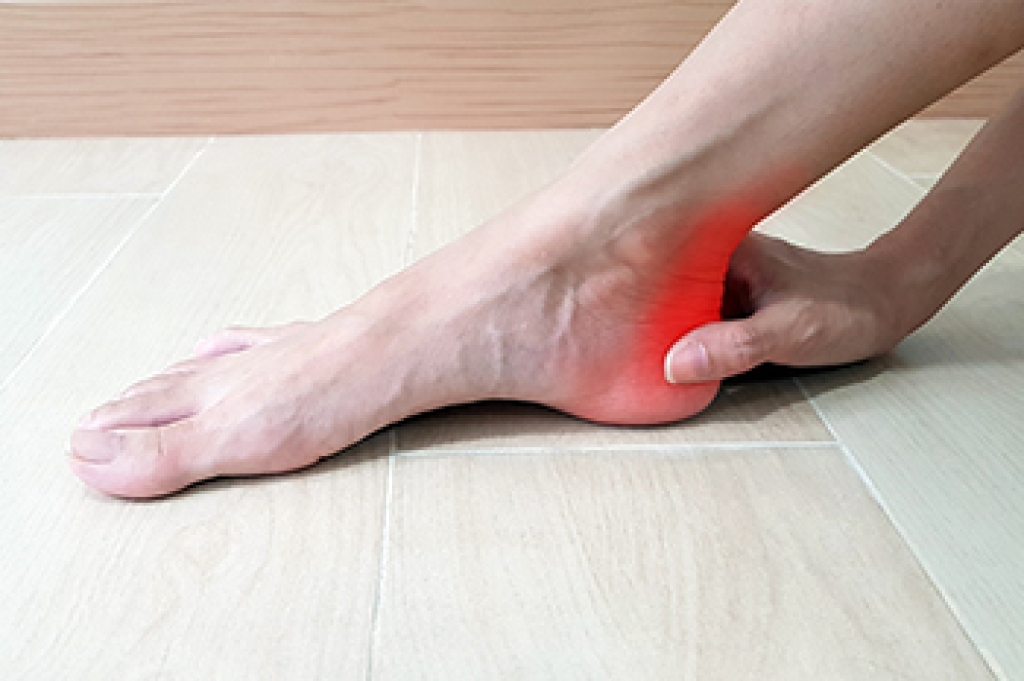

Read more about Sports Related Foot and Ankle Injuries

Rheumatoid Arthritis and Its Impact on Foot Health

Rheumatoid arthritis is a chronic autoimmune condition that causes inflammation of the joints and surrounding soft tissues. It commonly affects the small joints of the feet, leading to pain, swelling, and progressive deformity. This inflammation can make walking difficult and reduce overall mobility. Risk factors include family history, smoking, and long-term immune system dysfunction. Symptoms often include joint stiffness, especially in the morning, tenderness, swelling, and changes in foot shape over time. A podiatrist can help by assessing foot structure, providing supportive devices, recommending footwear modifications, and managing pain and pressure points. If you have RA, it is suggested that you consult a podiatrist who can help you to manage this condition and maintain mobility.

Because RA affects more than just your joints, including the joints in your feet and ankles, it is important to seek early diagnosis from your podiatrist if you feel like the pain in your feet might be caused by RA. For more information, contact Andrew Katz, DPM of Allcare Foothealth Center. Our doctor will assist you with all of your podiatric concerns.

What Is Rheumatoid Arthritis?

Rheumatoid Arthritis (RA) is an autoimmune disorder in which the body’s own immune system attacks the membranes surrounding the joints. Inflammation of the lining and eventually the destruction of the joint’s cartilage and bone occur, causing severe pain and immobility.

Rheumatoid Arthritis of the Feet

Although RA usually attacks multiple bones and joints throughout the entire body, almost 90 percent of cases result in pain in the foot or ankle area.

Symptoms

  • Swelling and pain in the feet
  • Stiffness in the feet
  • Pain on the ball or sole of feet
  • Joint shift and deformation

Diagnosis

Quick diagnosis of RA in the feet is important so that the podiatrist can treat the area effectively. Your doctor will ask you about your medical history, occupation, and lifestyle to determine the origin of the condition. Rheumatoid Factor tests help to determine if someone is affected by the disease.

If you have any questions, please feel free to contact our office located in Palmdale, CA . We offer the newest diagnostic and treatment technologies for all your foot care needs.

Read more about Rheumatoid Arthritis in the Feet

Tarsal Tunnel Syndrome Facts

Tarsal tunnel syndrome is caused by compression of the posterior tibial nerve as it passes through a narrow space inside the ankle. This pressure can lead to tingling, burning, numbness, or shooting pain in the foot and ankle. Common causes include flat feet, swelling, injury, or underlying conditions that place stress on the nerve. Risk factors include repetitive activity, improper footwear, and prolonged standing. A podiatrist can perform a thorough evaluation, identify the source of nerve compression, and develop a personalized treatment plan. Options include orthotics, footwear guidance, or targeted therapies. Early diagnosis can prevent worsening symptoms and improve mobility. If you have any of the above symptoms, it is suggested that you consult a podiatrist who can accurately diagnose and treat what may be going on.

Tarsal tunnel syndrome can be very uncomfortable to live with. If you are experiencing tarsal tunnel syndrome, contact Andrew Katz, DPM of Allcare Foothealth Center. Our doctor can provide the care you need to keep you pain-free and on your feet.

Tarsal Tunnel Syndrome

Tarsal tunnel syndrome, which can also be called tibial nerve dysfunction, is an uncommon condition of misfiring peripheral nerves in the foot. The tibial nerve is the peripheral nerve in the leg responsible for sensation and movement of the foot and calf muscles. In tarsal tunnel syndrome, the tibial nerve is damaged, causing problems with movement and feeling in the foot of the affected leg.

Common Cause of Tarsal Tunnel Syndrome

  • Involves pressure or an injury, direct pressure on the tibial nerve for an extended period of time, sometimes caused by other body structures close by or near the knee.
  • Diseases that damage nerves, including diabetes, may cause tarsal tunnel syndrome.
  • At times, tarsal tunnel syndrome can appear without an obvious cause in some cases.

The Effects of Tarsal Tunnel Syndrome

  • Different sensations, an afflicted person may experience pain, tingling, burning or other unusual sensations in the foot of the affected leg.
  • The foot muscles, toes and ankle become weaker, and curling your toes or flexing your foot can become difficult.
  • If condition worsens, infections and ulcers may develop on the foot that is experiencing the syndrome.

A physical exam of the leg can help identify the presence of tarsal tunnel syndrome. Medical tests, such as a nerve biopsy, are also used to diagnose the condition. Patients may receive physical therapy and prescriptive medication. In extreme cases, some may require surgery.

If you have any questions please contact our office located in Palmdale, CA . We offer the newest diagnostic and treatment technologies for all your foot and ankle needs.

Read more about Tarsal Tunnel Syndrome

Causes of Foot Cramps

Foot cramps are sudden, painful muscle spasms that can affect the arch, toes, or entire foot. They occur when a muscle contracts forcefully and does not relax properly, leading to a tight, sometimes painful, knotted feeling. Several factors can trigger foot cramps. Muscle fatigue from overuse or prolonged standing places stress on the foot. Poor circulation reduces oxygen delivery to muscles, increasing cramp risk. Nerve damage, meaning disrupted signals between the brain and muscles, may also cause spasms. Imbalances in minerals like potassium, calcium, and magnesium interfere with normal muscle function. Certain medical conditions and medication can further increase risk. A podiatrist can evaluate foot structure, nerve function, and circulation, order imaging, and provide custom orthotics or other medical treatment to reduce cramping episodes. Early care can prevent worsening symptoms and complications. If you regularly experience foot cramps, it is suggested that you schedule an appointment with a podiatrist for an evaluation and appropriate treatment.

Foot Pain

Foot pain can be extremely painful and debilitating. If you have a foot pain, consult with Andrew Katz, DPM from Allcare Foothealth Center. Our doctor will assess your condition and provide you with quality foot and ankle treatment.

Causes

Foot pain is a very broad condition that could be caused by one or more ailments. The most common include:

  • Bunions
  • Hammertoes
  • Plantar Fasciitis
  • Bone Spurs
  • Corns
  • Tarsal Tunnel Syndrome
  • Ingrown Toenails
  • Arthritis (such as Gout, Rheumatoid, and Osteoarthritis)
  • Flat Feet
  • Injury (from stress fractures, broken toe, foot, ankle, Achilles tendon ruptures, and sprains)
  • And more

Diagnosis

To figure out the cause of foot pain, podiatrists utilize several different methods. This can range from simple visual inspections and sensation tests to X-rays and MRI scans. Prior medical history, family medical history, and any recent physical traumatic events will all be taken into consideration for a proper diagnosis.

Treatment

Treatment depends upon the cause of the foot pain. Whether it is resting, staying off the foot, or having surgery; podiatrists have a number of treatment options available for foot pain.

If you have any questions, please feel free to contact our office located in Palmdale, CA . We offer the newest diagnostic and treatment technologies for all your foot care needs.

Read more about Foot Pain

Are You Suffering From Ingrown Toenails?

If left untreated, an ingrown toenail can lead to more serious concerns, such as an infection. Knowing proper nail care can help in the prevention of an ingrown toenail. Give us a call, and get treated!

Connect With Us