Differences Between Psoriasis and Athlete’s Foot

Psoriasis and athlete's foot are two distinct conditions that can affect the feet, but they differ significantly in cause, symptoms, and treatment. Psoriasis is an autoimmune disorder causing thick, scaly, and often itchy patches of skin. It is not contagious and may be triggered by stress, genetics, or environmental factors. In contrast, athlete's foot is a contagious fungal infection caused by dermatophytes thriving in warm, damp environments like locker rooms and shoes. It presents as red, itchy, peeling skin, often between the toes. Prevention varies by condition. Psoriasis management includes avoiding triggers and keeping skin moisturized, while athlete's foot requires keeping feet dry, using antifungal powders, and wearing breathable footwear. Treatments also differ. Psoriasis is managed with topical steroids or systemic medications, while athlete's foot responds to antifungal creams. If you are experiencing either of these foot problems, it is suggested that you schedule an appointment with a podiatrist who can diagnose and tailor treatment care effectively.

Athlete’s foot is an inconvenient condition that can be easily reduced with the proper treatment. If you have any concerns about your feet and ankles, contact Andrew Katz, DPM from Allcare Foothealth Center.  Our doctor will treat your foot and ankle needs.

Athlete’s Foot: The Sole Story

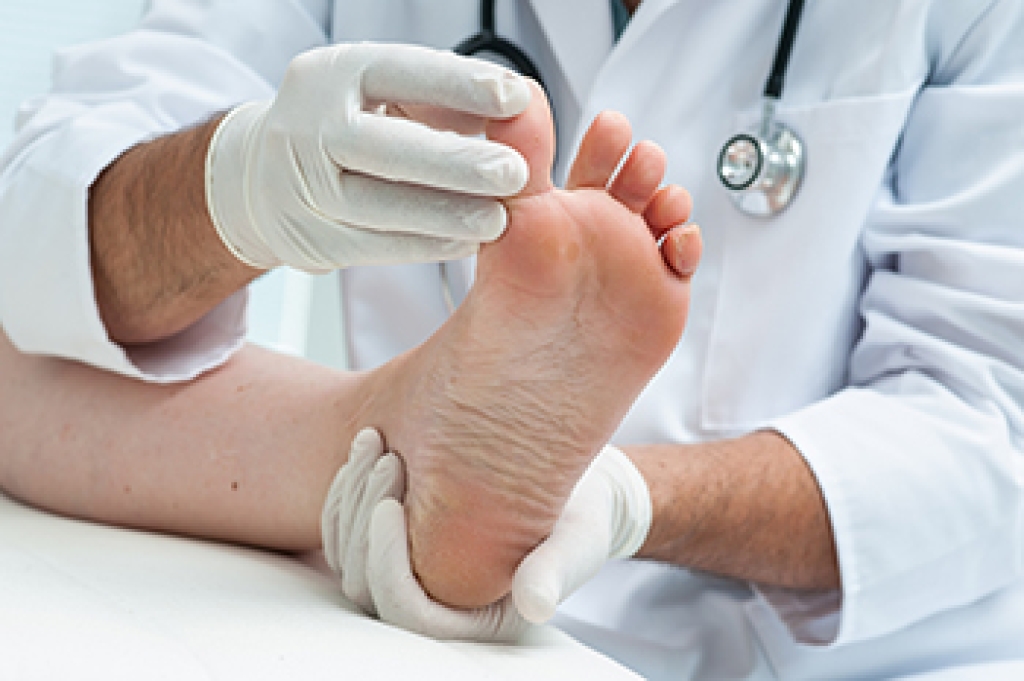
Athlete's foot, also known as tinea pedis, can be an extremely contagious foot infection. It is commonly contracted in public changing areas and bathrooms, dormitory style living quarters, around locker rooms and public swimming pools, or anywhere your feet often come into contact with other people.

Solutions to Combat Athlete’s Foot

  • Hydrate your feet by using lotion
  • Exfoliate
  • Buff off nails
  • Use of anti-fungal products
  • Examine your feet and visit your doctor if any suspicious blisters or cuts develop

Athlete’s foot can cause many irritating symptoms such as dry and flaking skin, itching, and redness. Some more severe symptoms can include bleeding and cracked skin, intense itching and burning, and even pain when walking. In the worst cases, Athlete’s foot can cause blistering as well. Speak to your podiatrist for a better understanding of the different causes of Athlete’s foot, as well as help in determining which treatment options are best for you.

If you have any questions please feel free to contact our office located in Palmdale, CA . We offer the newest diagnostic and treatment technologies for all your foot and ankle needs.

Read more about How to Deal with Athlete's Foot

Wounds That Don't Heal Need to Be Checked

Your feet are covered most of the day. If you're diabetic, periodic screening is important for good health. Numbness is often a sign of diabetic foot and can mask a sore or wound.

The Importance of Foot Examinations in Older Patients

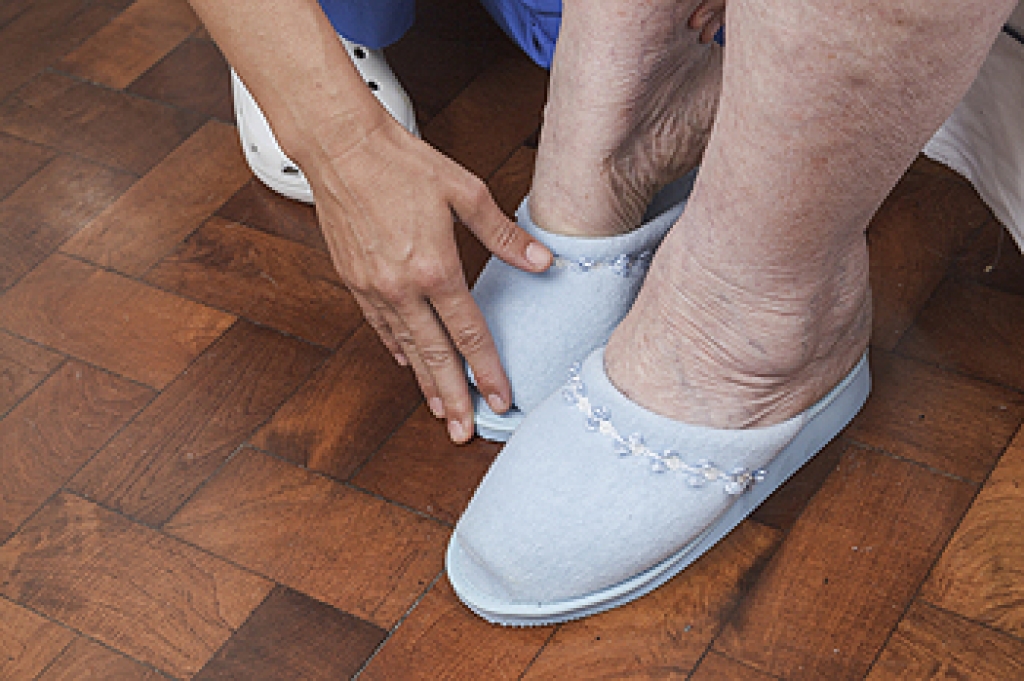
A foot examination is essential for older adults to prevent and manage potential health issues. Start by inspecting the feet for any visible signs of infection, cuts, or bruises. Check for blisters, corns, calluses, or swelling, as these can indicate pressure or friction from footwear. Pay attention to the toenails, looking for signs of fungal infections or ingrown nails. It is important to assess the circulation in the feet, ensuring that there is no unusual color change or coldness, which may signal poor blood flow. Also, examine the skin for any areas of redness or discoloration, which can suggest pressure points or sores. A foot examination is vital as many foot conditions in older adults can go unnoticed, leading to complications such as infections, mobility problems, or even falls if left untreated. If you are elderly and have any type of foot pain, it is strongly suggested that you consult a podiatrist who can treat various conditions, and perform routine exams for optimal foot health.

Proper foot care is something many older adults forget to consider. If you have any concerns about your feet and ankles, contact Andrew Katz, DPM from Allcare Foothealth Center. Our doctor can provide the care you need to keep you pain-free and on your feet.

The Elderly and Their Feet

As we age we start to notice many changes in our body, but the elder population may not notice them right away. Medical conditions may prevent the elderly to take notice of their foot health right away. Poor vision is a lead contributor to not taking action for the elderly.

Common Conditions 

  • Neuropathy – can reduce feeling in the feet and can hide many life-threatening medical conditions.
  • Reduced flexibility – prevents the ability of proper toenail trimming, and foot cleaning. If left untreated, it may lead to further medical issues.
  • Foot sores – amongst the older population can be serious before they are discovered. Some of the problematic conditions they may face are:
  • Gouging toenails affecting nearby toe
  • Shoes that don’t fit properly
  • Pressure sores
  • Loss of circulation in legs & feet
  • Edema & swelling of feet and ankles

Susceptible Infections

Diabetes and poor circulation can cause general loss of sensitivity over the years, turning a simple cut into a serious issue.

If you have any questions, please feel free to contact our office located in Palmdale, CA . We offer the newest diagnostic and treatment technologies for all your foot care needs.

Read more about Taking Care of Elderly Feet

Definition and Causes of Plantar Warts

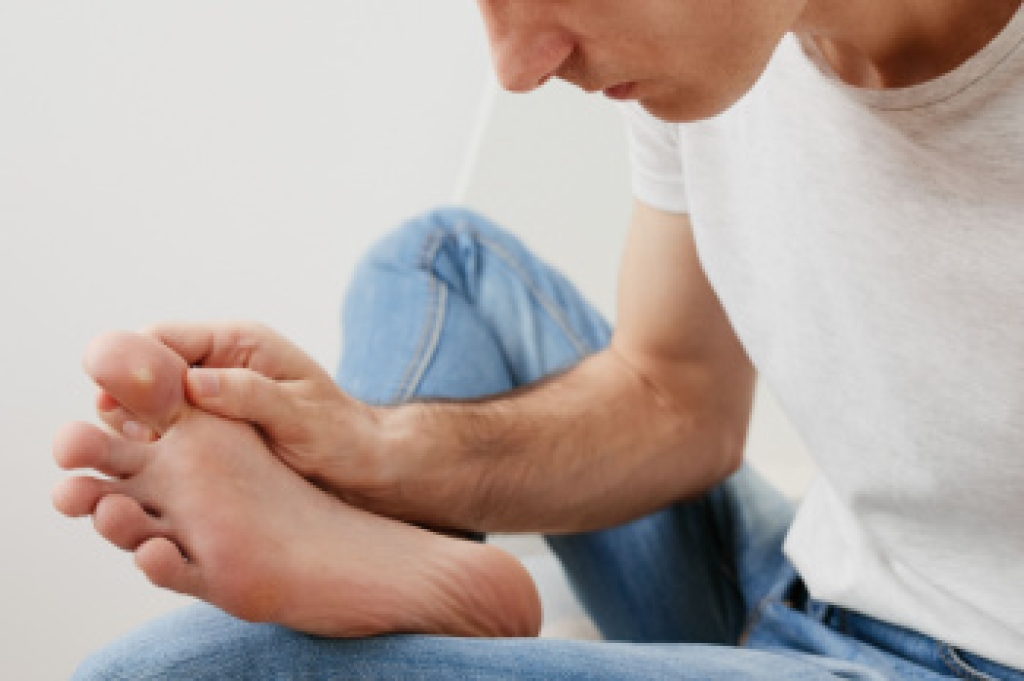
Plantar warts are small, rough growths that develop on the soles of the feet, often causing discomfort or pain when walking. They are caused by the human papillomavirus, or HPV, which enters the skin through tiny cuts or abrasions. The virus thrives in warm, moist environments, making public areas like swimming pools, showers, and gym floors common places for transmission. Plantar warts typically appear as firm, raised bumps with a rough texture and may have small black dots in the center, which are blood vessels. The pressure from walking or standing often causes them to grow inward, making them more painful. Although plantar warts are generally not dangerous, they can be extremely painful. If you have developed a plantar wart, it is suggested that you consult a podiatrist who can offer effective relief and treatment solutions.

Plantar warts can be very uncomfortable. If you need your feet checked, contact Andrew Katz, DPM from Allcare Foothealth Center. Our doctor will assist you with all of your foot and ankle needs.

About Plantar Warts

Plantar warts are the result of HPV, or human papillomavirus, getting into open wounds on the feet. They are mostly found on the heels or balls of the feet.

While plantar warts are generally harmless, those experiencing excessive pain or those suffering from diabetes or a compromised immune system require immediate medical care. Plantar warts are easily diagnosed, usually through scraping off a bit of rough skin or by getting a biopsy.

Symptoms

  • Lesions on the bottom of your feet, usually rough and grainy
  • Hard or thick callused spots
  • Wart seeds, which are small clotted blood vessels that look like little black spots
  • Pain, discomfort, or tenderness of your feet when walking or standing

Treatment

  • Freezing
  • Electric tool removal
  • Laser Treatment
  • Topical Creams (prescription only)
  • Over-the-counter medications

To help prevent developing plantar warts, avoid walking barefoot over abrasive surfaces that can cause cuts or wounds for HPV to get into. Avoiding direct contact with other warts, as well as not picking or rubbing existing warts, can help prevent the further spread of plantar warts. However, if you think you have developed plantar warts, speak to your podiatrist. He or she can diagnose the warts on your feet and recommend the appropriate treatment options.

If you have any questions, please feel free to contact our office located in Palmdale, CA . We offer the newest diagnostic and treatment technologies for all your foot care needs.

Read more about Plantar Warts

Causes and Complications of Supination

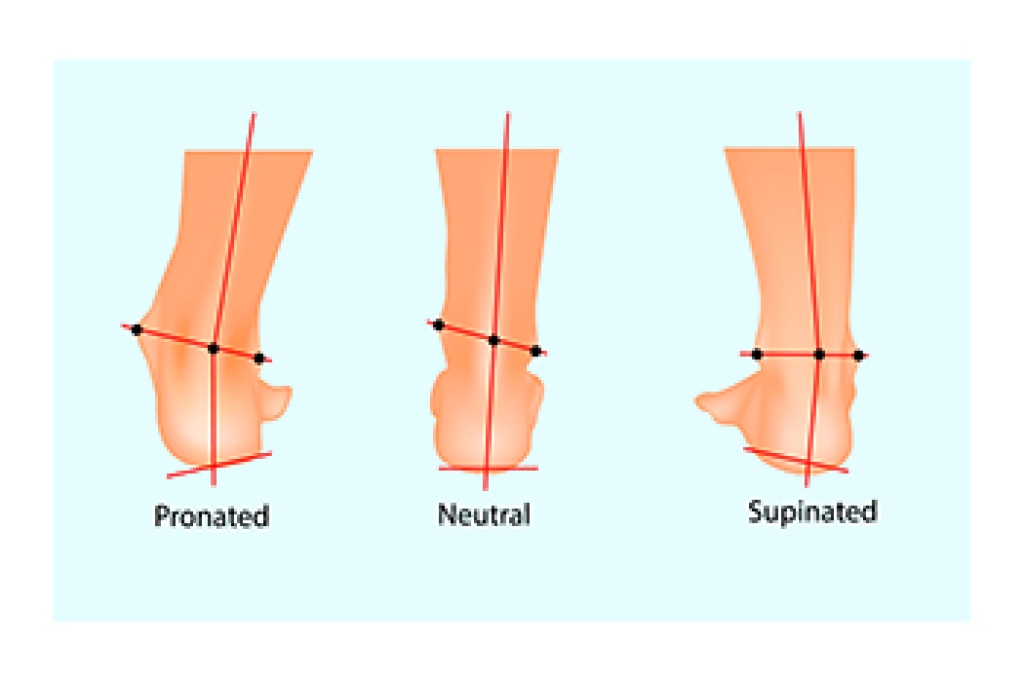
Excessive supination, or underpronation, occurs when too much weight is placed on the outer edges of the feet while walking or running. This gait problem is often due to structural factors like high arches, genetic foot shape, or ankle instability. Supination of the foot strains the ankles and outer foot areas, potentially leading to ankle sprains, shin splints, and plantar fasciitis. Improper footwear and misalignment can also contribute to supination. Old injuries, prolonged impact on hard surfaces, and restricted range of motion may worsen these issues, increasing susceptibility to calluses, bunions, and stress fractures. Identifying signs of supination involves examining shoe wear patterns or footprint analysis, but a professional gait analysis by a podiatrist provides the most accurate assessment. A podiatrist can recommend custom orthotics and appropriate footwear to support proper foot alignment, reduce pain, and avoid injury. If you have foot problems related to gait issues, it is suggested that you make an appointment with a podiatrist for analysis and treatment.

If you have any concerns about your feet, contact Andrew Katz, DPM from Allcare Foothealth Center. Our doctor can provide the care you need to keep you pain-free and on your feet.

Biomechanics in Podiatry

Podiatric biomechanics is a particular sector of specialty podiatry with licensed practitioners who are trained to diagnose and treat conditions affecting the foot, ankle and lower leg. Biomechanics deals with the forces that act against the body, causing an interference with the biological structures. It focuses on the movement of the ankle, the foot and the forces that interact with them.

A History of Biomechanics

  • Biomechanics dates back to the BC era in Egypt where evidence of professional foot care has been recorded.
  • In 1974, biomechanics gained a higher profile from the studies of Merton Root, who claimed that by changing or controlling the forces between the ankle and the foot, corrections or conditions could be implemented to gain strength and coordination in the area.

Modern technological improvements are based on past theories and therapeutic processes that provide a better understanding of podiatric concepts for biomechanics. Computers can provide accurate information about the forces and patterns of the feet and lower legs.

Understanding biomechanics of the feet can help improve and eliminate pain, stopping further stress to the foot.

If you have any questions please feel free to contact our office located in Palmdale, CA . We offer the newest diagnostic and treatment technologies for all your foot and ankle needs.
Read more about The Importance of Biomechanics in Podiatry

Connect With Us