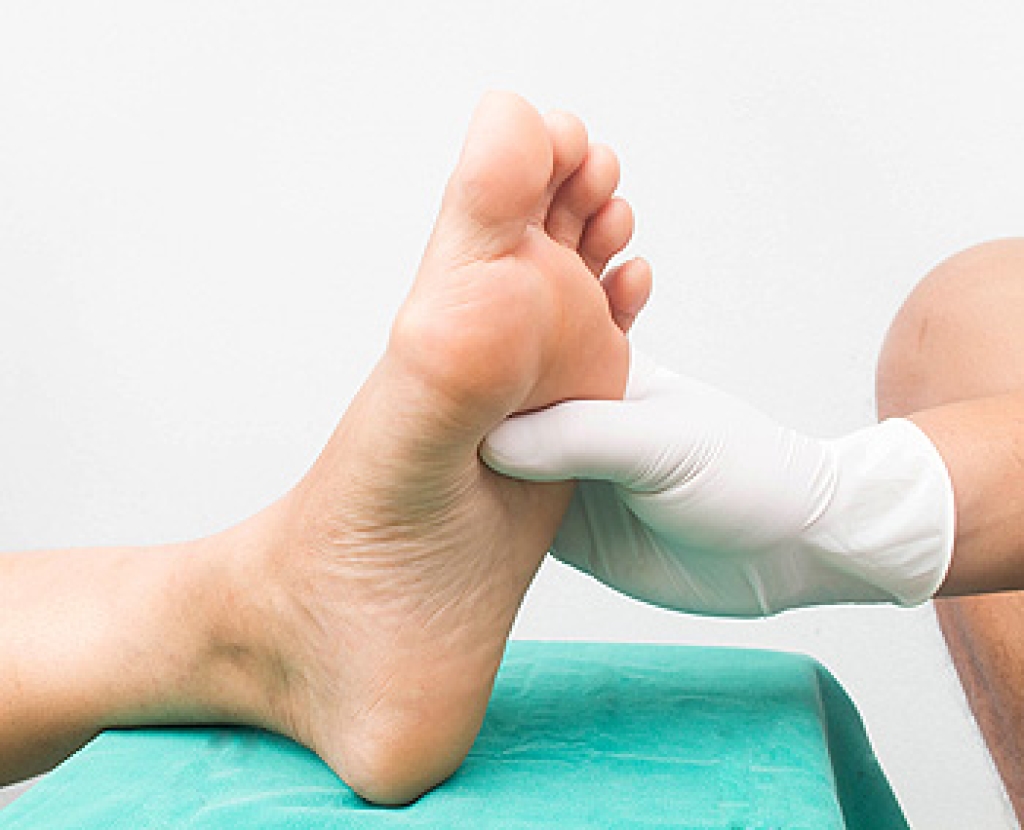
Managing Diabetic Nerve Pain in the Feet

Diabetic nerve pain in the feet, also known as diabetic neuropathy, is a common and often debilitating complication of diabetes. This condition arises when prolonged high blood sugar levels cause damage to the nerves. Symptoms can include numbness, and tingling, in addition to burning, sharp, or aching pain. Initially mild, this discomfort can intensify and spread, severely limiting mobility and reducing quality of life. Walking can become a challenge, and even the lightest touch may feel excruciating. About half of diabetic patients will experience some form of neuropathy. A significant portion will suffer from pain that can interfere with sleep and daily activities, contributing to emotional distress. Managing blood sugar levels is essential in preventing the progression of nerve damage. A balanced diet, regular exercise, and prescribed medications can help maintain healthy blood sugar levels. Additionally, addressing other health risks like obesity and smoking can also play a vital role in controlling diabetes and its complications. If you are experiencing diabetic foot pain, it is suggested that you schedule an appointment with a podiatrist for an exam and treatment options. 

Neuropathy

Neuropathy can be a potentially serious condition, especially if it is left undiagnosed. If you have any concerns that you may be experiencing nerve loss in your feet, consult with Andrew Katz, DPM from Allcare Foothealth Center. Our doctor will assess your condition and provide you with quality foot and ankle treatment for neuropathy.

What Is Neuropathy?

Neuropathy is a condition that leads to damage to the nerves in the body. Peripheral neuropathy, or neuropathy that affects your peripheral nervous system, usually occurs in the feet. Neuropathy can be triggered by a number of different causes. Such causes include diabetes, infections, cancers, disorders, and toxic substances.

Symptoms of Neuropathy Include:

  • Numbness
  • Sensation loss
  • Prickling and tingling sensations
  • Throbbing, freezing, burning pains
  • Muscle weakness

Those with diabetes are at serious risk due to being unable to feel an ulcer on their feet. Diabetics usually also suffer from poor blood circulation. This can lead to the wound not healing, infections occurring, and the limb may have to be amputated.

Treatment

To treat neuropathy in the foot, podiatrists will first diagnose the cause of the neuropathy. Figuring out the underlying cause of the neuropathy will allow the podiatrist to prescribe the best treatment, whether it be caused by diabetes, toxic substance exposure, infection, etc. If the nerve has not died, then it’s possible that sensation may be able to return to the foot.

Pain medication may be issued for pain. Electrical nerve stimulation can be used to stimulate nerves. If the neuropathy is caused from pressure on the nerves, then surgery may be necessary.

If you have any questions, please feel free to contact our office located in Palmdale, CA . We offer the newest diagnostic and treatment technologies for all your foot care needs.
Read more about Neuropathy

Causes and Symptoms of Flat Feet

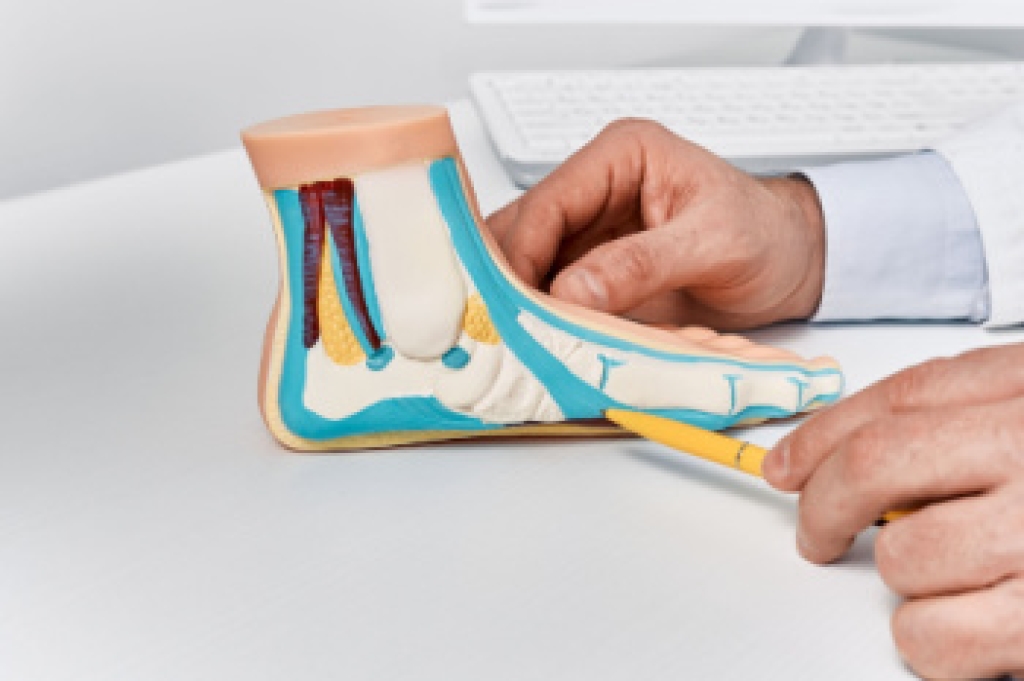
Flat feet, or fallen arches, occur when the arches of the feet do not develop properly or collapse over time. This condition can be caused by genetic factors, injury, arthritis, or the natural aging process. Obesity and pregnancy may also contribute to the development of flat feet due to increased pressure on the arches. Common symptoms include foot pain, particularly in the heel or arch area, swelling along the inside of the ankle, and difficulty standing on tiptoe. Flat feet can lead to problems with walking or running and may cause discomfort in the legs and lower back. Proper diagnosis and treatment by a podiatrist can help to manage symptoms and prevent further complications. If you have flat feet, it is suggested that you are under the care of this type of doctor who can help you manage this condition and guide you toward relief solutions.

Flatfoot is a condition many people suffer from. If you have flat feet, contact Andrew Katz, DPM from Allcare Foothealth Center. Our doctor will treat your foot and ankle needs.

What Are Flat Feet?

Flatfoot is a condition in which the arch of the foot is depressed and the sole of the foot is almost completely in contact with the ground. About 20-30% of the population generally has flat feet because their arches never formed during growth.

Conditions & Problems:

Having flat feet makes it difficult to run or walk because of the stress placed on the ankles.

Alignment – The general alignment of your legs can be disrupted, because the ankles move inward which can cause major discomfort.

Knees – If you have complications with your knees, flat feet can be a contributor to arthritis in that area.  

Symptoms

  • Pain around the heel or arch area
  • Trouble standing on the tip toe
  • Swelling around the inside of the ankle
  • Flat look to one or both feet
  • Having your shoes feel uneven when worn

Treatment

If you are experiencing pain and stress on the foot you may weaken the posterior tibial tendon, which runs around the inside of the ankle. 

If you have any questions, please feel free to contact our office located in Palmdale, CA . We offer the newest diagnostic and treatment technologies for all your foot care needs.

Read more about Flat Feet

Aging and the Feet

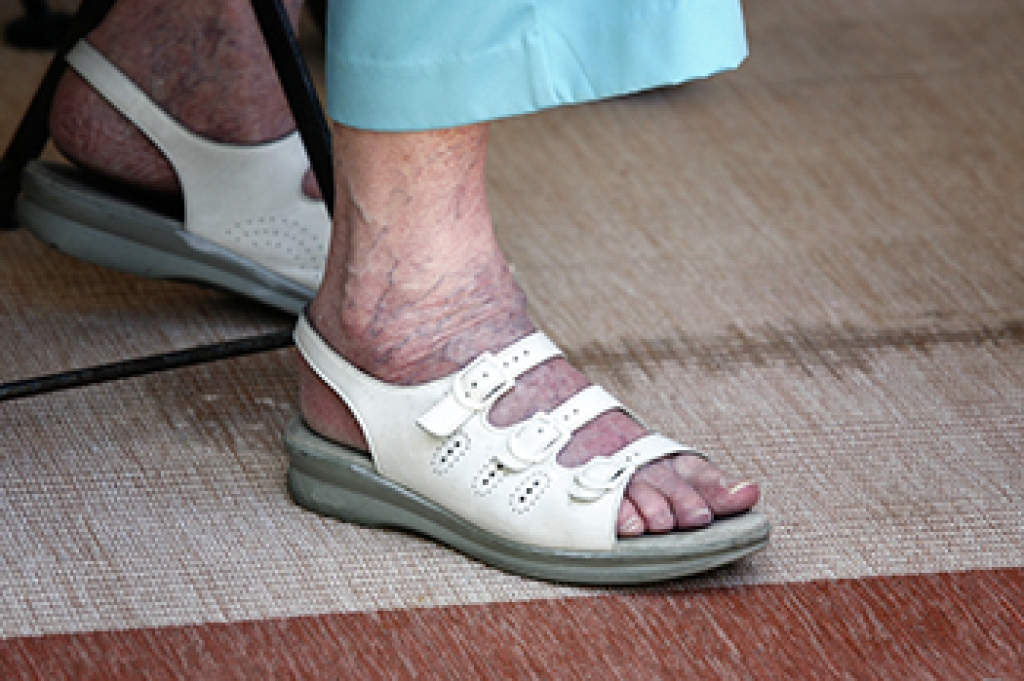
As the aging population continues to grow, the need for specialized podiatric services in geriatrics is becoming increasingly critical. Older adults often face numerous foot and ankle issues due to years of wear and tear, decreased mobility, and chronic conditions like diabetes, arthritis, and circulatory problems. These issues can significantly impact their quality of life, leading to pain, decreased mobility, and a higher risk of falls and related injuries. Podiatric care is essential for the elderly to maintain their independence and mobility. Regular foot examinations can help prevent and manage conditions, such as bunions, corns, calluses, fungal infections, and foot ulcers. Proper foot care also aids in the early detection and treatment of serious complications such as peripheral neuropathy and poor circulation, which are common in older adults with diabetes. Preventative measures, routine care, and wearing appropriate footwear are vital components of geriatric podiatry services. If you are a senior, it is suggested that you schedule an appointment with a podiatrist for comprehensive foot health management, and to address any specific concerns you may have about your feet or ankles. 

If you need your feet checked, contact Andrew Katz, DPM of Allcare Foothealth Center. Our doctor will attend to all of your foot and ankle needs and provide you with quality treatment.

Geriatrics and Podiatry
When people age, some common issues that may occur are bone density loss, dry skin, poor circulation, and rough brittle nails. These issues may also affect your foot health if the necessary steps are not taken to alleviate the problems.

It is important to take care of your feet because feet that are injured or diseased can affect your overall health. Having painful feet hinders your ability to do daily activities or may decrease your willingness to do the things that you need to do.

Visiting Your Geriatrician
As we age, health problems become more likely, so it is essential to visit your doctor for check-ups to ensure that you are doing the best you can to take care of your health. It is recommended to check your feet frequently for any possible cuts, bruises, swelling, corns or any other irregularities. 

Taking Care of Elderly Feet
Cracked or dry feet can be treated by applying moisturizer often. It is also important not to wear old socks because the older the sock is, the higher the possibility there will be that there is bacteria there. Wear fresh socks and make sure they fit properly.

Proper foot health means that you can have a more active lifestyle and you will not be bogged down by pain. Foot health also leads to good circulation, which is paramount for overall health.

If you have any questions, please feel free to contact our office located in Palmdale, CA . We offer the newest diagnostic and treatment technologies for all your foot care needs.
Read more about Geriatrics and Podiatry

Making Sure Shoes Fit Right

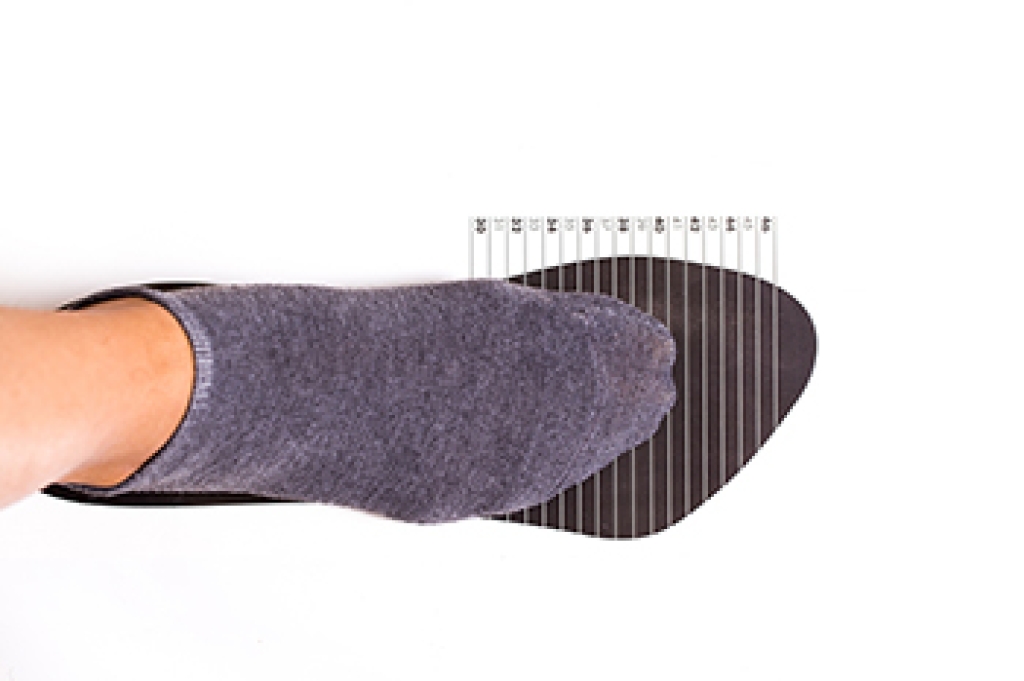
Proper shoe fitting is important for both comfort and performance, with different needs for walking and running shoes. Walking shoes prioritize support and cushioning to handle the consistent, moderate impact of walking while running shoes are designed to absorb the higher impact and repetitive strain of running. Understanding your foot type is essential in selecting the right shoe. Neutral feet maintain a balanced stride, rigid feet need more cushioning to absorb shock, and flexible feet benefit from stability features to control excessive movement. To determine your foot type, observe your arches. Low arches indicate flexible feet, high arches suggest rigid feet and neutral arches are balanced. Additionally, examining your shoe wear pattern can reveal your tread type. In the store, ensure shoes fit well without rubbing or pinching, as these issues can lead to discomfort or injury. If you are in the market for new shoes, it is suggested that you visit a podiatrist for personalized advice.

Finding a properly-fitting shoe is important in reducing injuries and preventing foot problems. For more information about treatment, contact Andrew Katz, DPM from Allcare Foothealth Center. Our doctor will treat your foot and ankle needs.

Proper Shoe Fitting

A common concern when it comes to foot health, having properly fitted shoes can help prevent injuries to the foot. Out feet affect our posture and gait, which in turn affects the biomechanics and overall bodily structure. With 33 joints, 26 bones, and over 100 ligaments, the potential for serious injury is much greater than one realizes. Although the feet cease growth in adulthood, they still change shape as they mature. Here are some factors to consider when it comes to investing in proper fitting shoes:

  • Be sure the shoes fit correctly right away
  • Ensure the ball of your foot fits comfortably in the widest portion of the shoes
  • Even though they may look fashionable, improper fitting shoes can either create adverse conditions or exacerbate existing ones you may already have
  • Walk along a carpeted surface to ensure the shoes comfortably fit during normal activity

Keeping in mind how shoes fit the biomechanics of your body, properly-fitting shoes are vitally important. Fortunately, it is not difficult to acquire footwear that fits correctly. Be sure to wear shoes that support the overall structure of your body. Do your feet a favor and invest in several pairs of well-fitted shoes today.

If you have any questions, please feel free to contact our office located in Palmdale, CA . We offer the newest diagnostic and treatment technologies for all your foot care needs.

Read more about Proper Shoe Fitting

Connect With Us