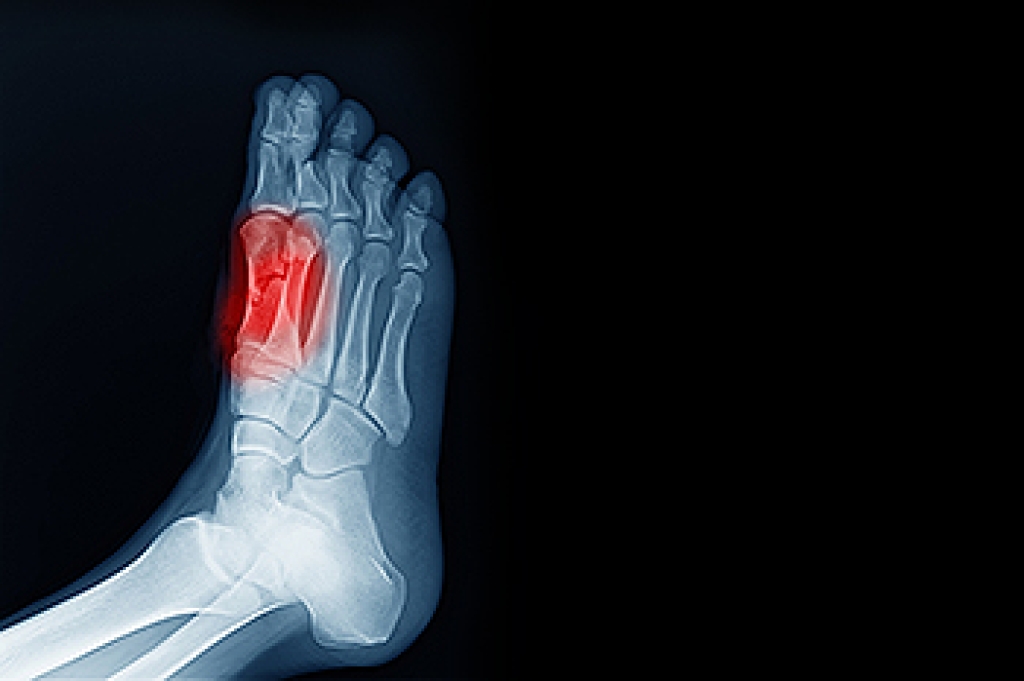
What Is Sesamoiditis?

Sesamoiditis is a painful condition that affects two small sesamoid bones located under the big toe joint. It occurs when these bones become irritated or inflamed, usually due to overuse or repetitive pressure from high-impact activities like running or jumping. Symptoms include pain at the base of the big toe, swelling, and tenderness, especially when bearing weight or pushing off during walking or running. The pain from sesamoiditis can feel sharp or throbbing, and it often worsens with activity. Rest and anti-inflammatory medications are common initial treatments. Wearing cushioned footwear or using custom orthotics to reduce pressure on the affected area can also help. In more severe cases, your podiatrist may recommend corticosteroid injections. This type of doctor specializes in diagnosing and treating conditions like sesamoiditis, helping to reduce pain and prevent further damage. If you are experiencing pain near the base of your big toe, it is suggested that you schedule an appointment with a podiatrist for a tailored treatment plan.

Sesamoiditis is an unpleasant foot condition characterized by pain in the balls of the feet. If you think you’re struggling with sesamoiditis, contact Andrew Katz, DPM of Allcare Foothealth Center. Our doctor will treat your condition thoroughly and effectively.

Sesamoiditis

Sesamoiditis is a condition of the foot that affects the ball of the foot. It is more common in younger people than it is in older people. It can also occur with people who have begun a new exercise program, since their bodies are adjusting to the new physical regimen. Pain may also be caused by the inflammation of tendons surrounding the bones. It is important to seek treatment in its early stages because if you ignore the pain, this condition can lead to more serious problems such as severe irritation and bone fractures.

Causes of Sesamoiditis

  • Sudden increase in activity
  • Increase in physically strenuous movement without a proper warm up or build up
  • Foot structure: those who have smaller, bonier feet or those with a high arch may be more susceptible

Treatment for sesamoiditis is non-invasive and simple. Doctors may recommend a strict rest period where the patient forgoes most physical activity. This will help give the patient time to heal their feet through limited activity. For serious cases, it is best to speak with your doctor to determine a treatment option that will help your specific needs.

If you have any questions, please feel free to contact our office located in Palmdale, CA . We offer the newest diagnostic and treatment technologies for all your foot care needs.

Read more about Sesamoiditis

It's Time for Beautiful Feet

You don't need an excuse to have beautiful nails. Step outside without worrying about the appearance of your feet.

Circulation Issues in Painful Diabetic Neuropathy

Painful diabetic neuropathy happens when high blood sugar damages nerves, causing pain, burning, or tingling in the feet. One key issue is blood flow. Studies show that people with this condition often have too much blood flow in their feet due to a problem with the sympathetic nervous system. This system helps control circulation, but when it does not work properly, blood flow can be too high, leading to nerve irritation and pain. Research suggests that fixing this blood flow issue could help reduce pain. Understanding why the body reacts this way might lead to better treatments. If you have diabetes and your feet hurt, burn, or tingle, do not ignore it, as it can worsen. It is suggested that you see a podiatrist who can check your feet, suggest treatments and help you manage your symptoms.

While poor circulation itself isn’t a condition; it is a symptom of another underlying health condition you may have. If you have any concerns with poor circulation in your feet contact Andrew Katz, DPM of Allcare Foothealth Center. Our doctor will treat your foot and ankle needs.

Poor Circulation in the Feet

Peripheral artery disease (PAD) can potentially lead to poor circulation in the lower extremities. PAD is a condition that causes the blood vessels and arteries to narrow. In a linked condition called atherosclerosis, the arteries stiffen up due to a buildup of plaque in the arteries and blood vessels. These two conditions can cause a decrease in the amount of blood that flows to your extremities, therefore resulting in pain.

Symptoms

Some of the most common symptoms of poor circulation are:

  • Numbness
  • Tingling
  • Throbbing or stinging pain in limbs
  • Pain
  • Muscle Cramps

Treatment for poor circulation often depends on the underlying condition that causes it. Methods for treatment may include insulin for diabetes, special exercise programs, surgery for varicose veins, or compression socks for swollen legs.

As always, see a podiatrist as he or she will assist in finding a regimen that suits you. A podiatrist can also prescribe you any needed medication. 

If you have any questions, please feel free to contact our office located in Palmdale, CA . We offer the newest diagnostic and treatment technologies for all your foot care needs.

Read more about Causes, Symptoms, and Treatment of Poor Blood Circulation in the Feet

How Does Neuropathy Affect the Feet?

Peripheral neuropathy is a condition that affects the peripheral nervous system, causing damage to the nerves outside the brain and spinal cord. It can result from various factors, including diabetes, injury, infections, or certain medications. The symptoms often include pain, weakness, numbness, tingling, and a burning sensation, typically in the feet and hands. This discomfort can range from mild to severe and may make walking or performing daily tasks difficult. Treatment for peripheral neuropathy depends on the underlying cause but usually includes pain management, targeted exercises, and medications to reduce nerve inflammation. In some cases, lifestyle changes like controlling blood sugar or improving circulation may help alleviate symptoms. A podiatrist can assist by evaluating your condition, offering pain relief strategies, providing custom orthotics to improve mobility, and recommending exercises to maintain strength and flexibility. If you are experiencing symptoms of peripheral neuropathy, it is suggested that you schedule an appointment with a podiatrist for expert care and management.

Neuropathy

Neuropathy can be a potentially serious condition, especially if it is left undiagnosed. If you have any concerns that you may be experiencing nerve loss in your feet, consult with Andrew Katz, DPM from Allcare Foothealth Center. Our doctor will assess your condition and provide you with quality foot and ankle treatment for neuropathy.

What Is Neuropathy?

Neuropathy is a condition that leads to damage to the nerves in the body. Peripheral neuropathy, or neuropathy that affects your peripheral nervous system, usually occurs in the feet. Neuropathy can be triggered by a number of different causes. Such causes include diabetes, infections, cancers, disorders, and toxic substances.

Symptoms of Neuropathy Include:

  • Numbness
  • Sensation loss
  • Prickling and tingling sensations
  • Throbbing, freezing, burning pains
  • Muscle weakness

Those with diabetes are at serious risk due to being unable to feel an ulcer on their feet. Diabetics usually also suffer from poor blood circulation. This can lead to the wound not healing, infections occurring, and the limb may have to be amputated.

Treatment

To treat neuropathy in the foot, podiatrists will first diagnose the cause of the neuropathy. Figuring out the underlying cause of the neuropathy will allow the podiatrist to prescribe the best treatment, whether it be caused by diabetes, toxic substance exposure, infection, etc. If the nerve has not died, then it’s possible that sensation may be able to return to the foot.

Pain medication may be issued for pain. Electrical nerve stimulation can be used to stimulate nerves. If the neuropathy is caused from pressure on the nerves, then surgery may be necessary.

If you have any questions, please feel free to contact our office located in Palmdale, CA . We offer the newest diagnostic and treatment technologies for all your foot care needs.

Read more about Neuropathy

Causes and Symptoms of a Sprained Toe

A sprained toe occurs when the ligaments in the toe are stretched or torn. This injury often results from trauma, such as stubbing the toe, or from hyperextension, where the joint is forced beyond its normal range of motion. A sprained toe is different from a broken toe, which involves damage to the bone rather than the ligament. Symptoms include pain, swelling, bruising, tenderness, and difficulty moving the toe. Some patients may also experience joint instability or hear a popping sound when the injury occurs. Any of the numerous joints in the toes can be affected, and the severity can range from minor ligament stretching to complete tears. Athletes and others who engage in activities involving sudden movements or uneven surfaces are at a higher risk of spraining a toe. A podiatrist can diagnose the injury by examining the toe, discussing its cause, and using imaging, such as X-rays, to rule out fractures. If you have injured your toe, it is suggested that you make an appointment with a podiatrist for a diagnosis and appropriate treatment.

Toe pain can disrupt your daily activities. If you have any concerns, contact Andrew Katz, DPM of Allcare Foothealth Center. Our doctor can provide the care you need to keep you pain-free and on your feet.

What Causes Toe Pain?

Most severe toe pain is caused due to a sports injury, trauma from dropping something heavy on the toe, or bumping into something rigid. Other problems can develop over time for various reasons.

Toe pain can be caused by one or more ailments. The most common include:

  • Trauma
  • Sports injury
  • Wearing shoes that are too tight
  • Arthritis
  • Gout
  • Corns and calluses
  • Hammertoe
  • Bunions
  • Blisters
  • Ingrown toenails
  • Sprains
  • Fractures (broken bones)
  • Dislocations

When to See a Podiatrist

  • Severe pain
  • Persistent pain that lasts more than a week
  • Signs of infection
  • Continued swelling
  • Pain that prevents walking

Diagnosis

In many cases the cause of toe pain is obvious, but in others, a podiatrist may want to use more advanced methods to determine the problem. These can range from simple visual inspections and sensation tests to X-rays and MRI scans. Prior medical history, family medical history, and any recent physical traumatic events will all be taken into consideration for a proper diagnosis.

Treatment

Treatments for toe pain and injuries vary and may include shoe inserts, padding, taping, medicines, injections, and in some cases, surgery. If you believe that you have broken a toe, please see a podiatrist as soon as possible.

If you have any questions please contact our office located in Palmdale, CA . We offer the newest diagnostic and treatment technologies for all your foot and ankle needs.

Read more about Toe Pain

Connect With Us