
Choosing the Right Shoes for Race Walking

Race walking requires wearing proper footwear to support both performance and foot health. Ideal shoes should have a low heel to encourage smooth transitions, proper flex in the sole to match the natural motion of the foot, an ample toe box to allow toes to spread comfortably, and a sturdy heel counter for added stability. Wearing the wrong shoes can lead to blisters, arch pain, shin splints, and other foot problems due to poor support or incorrect alignment. A podiatrist can evaluate your walking style and foot structure to recommend the best shoes for your needs. If you have foot pain from wearing the wrong shoes, it is suggested that you visit a podiatrist who can treat various foot conditions, and guide you on the proper shoes to wear for your desired activity.

You should always make sure your running shoes fit properly in order to avoid injury. For more information, contact Andrew Katz, DPM from Allcare Foothealth Center. Our doctor can provide the care you need to keep you pain-free and on your feet.

Choosing the Right Running Shoe for Your Foot Type

Improper shoe sizing can cause a myriad of problems for your feet. Shoes that don’t fit you properly can lead to muscular imbalances in your body, which can result in foot, knee, and hip injuries.

Tips for Finding the Right Running Shoe

  • Make sure you have a thumb’s width of wiggle room between the end of your longest toe and the front of the shoe.
  • There should be little to no slipping at the heel
  • Don’t assume your size in one shoe brand will be your size in another
  • Do not lace up your shoes too tightly
  • Walk around in the store with your new shoes before you buy them

If you have any questions, please feel free to contact our office located in Palmdale, CA . We offer the newest diagnostic and treatment technologies for all your foot care needs.
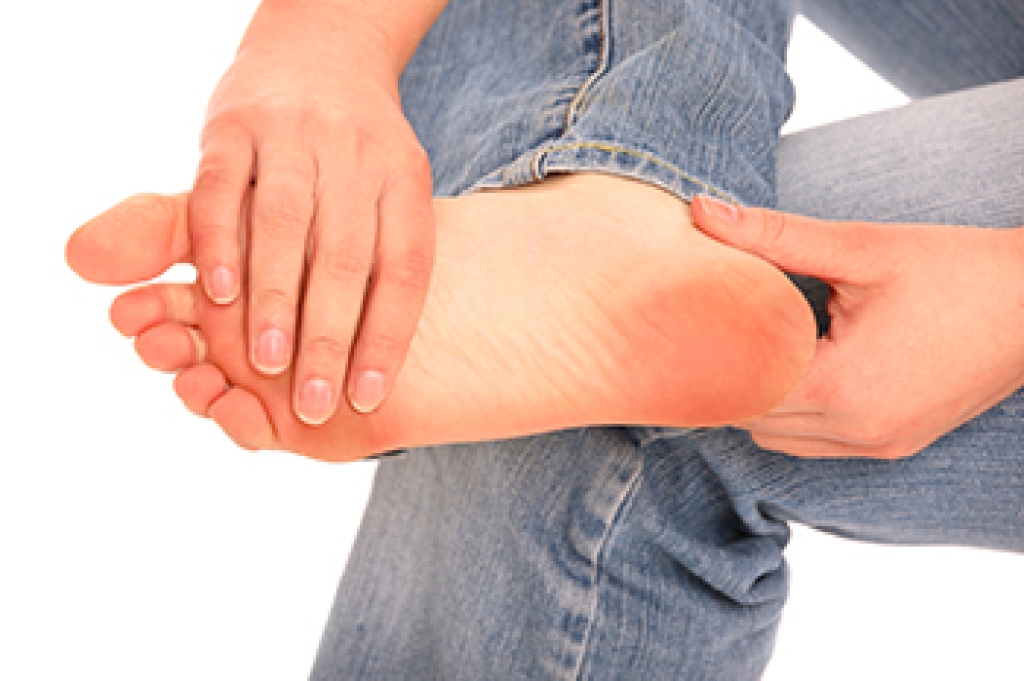
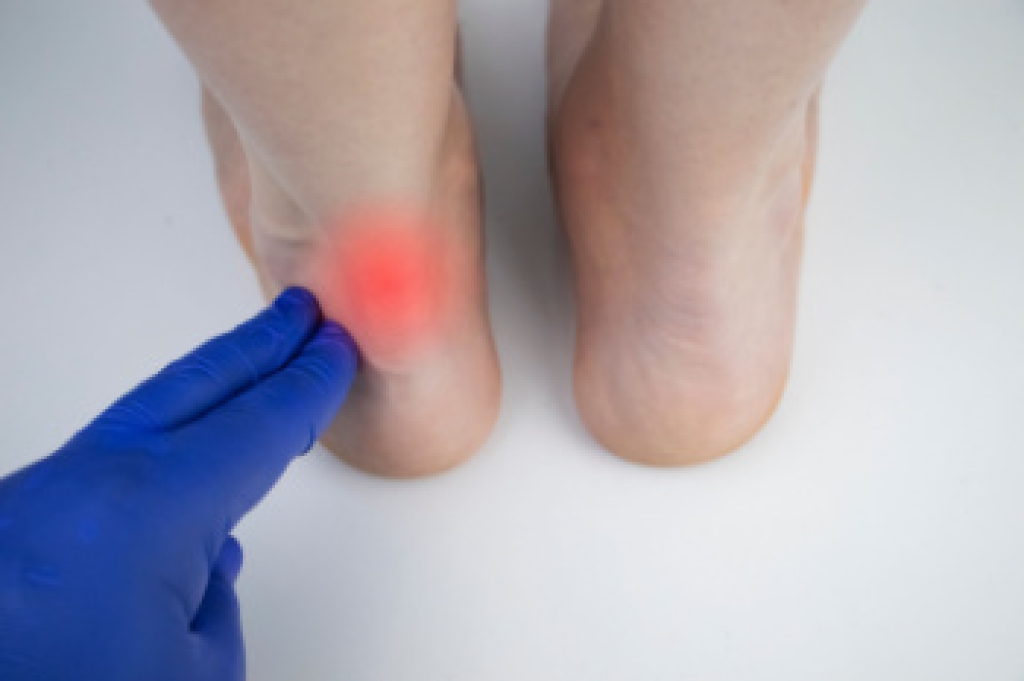
Read more about Walking Shoes vs. Running Shoes

Ball of Foot Pain

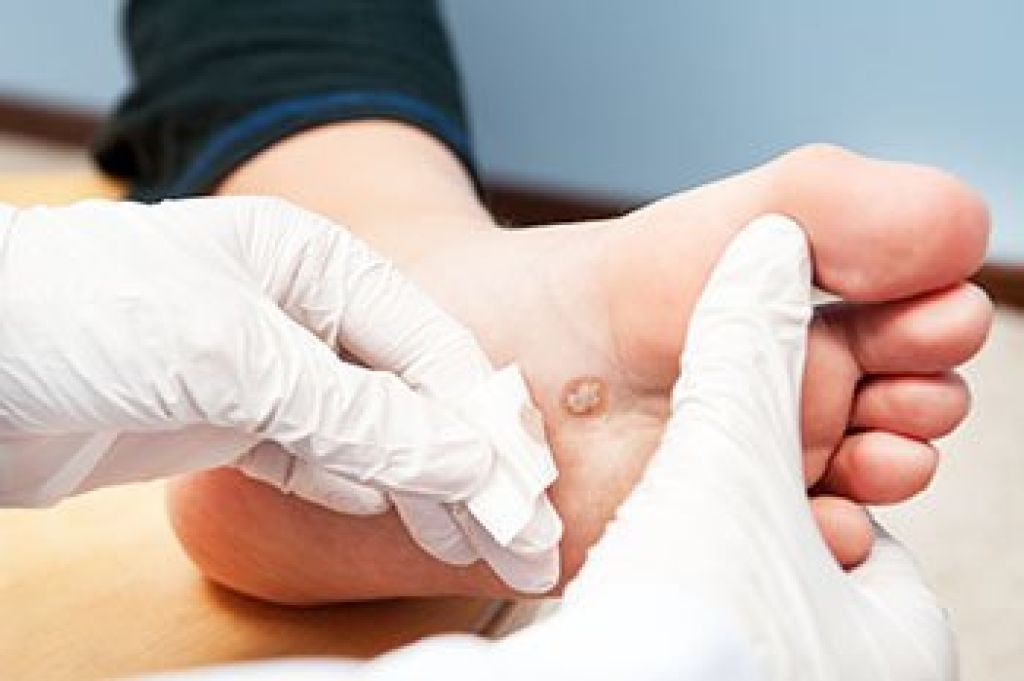
Pain in the ball of the foot, also known as metatarsalgia, can result from underlying issues like arthritis and hammertoe. Arthritis causes inflammation in the joints of the foot, leading to stiffness, swelling, and aching pain, especially during movement. Hammertoe, a deformity where a toe bends abnormally at the middle joint, can shift pressure to the ball of the foot and worsen pain. Symptoms may include burning, tingling, or a sharp, aching sensation in the ball of the foot. You may notice swelling, redness, or difficulty walking in regular shoes. High-impact activity, improper footwear, or foot structure abnormalities often contribute to this condition. A podiatrist can evaluate your foot with a physical exam and imaging. Treatment options include orthotics, footwear changes, and anti-inflammatory medications. Other options are padding, targeted exercises, and, in severe cases, surgical correction of deformities. If you have pain in the ball of your foot, it is suggested that you schedule an appointment with a podiatrist for appropriate treatment.

Foot Pain

Foot pain can be extremely painful and debilitating. If you have a foot pain, consult with Andrew Katz, DPM from Allcare Foothealth Center. Our doctor will assess your condition and provide you with quality foot and ankle treatment.

Causes

Foot pain is a very broad condition that could be caused by one or more ailments. The most common include:

  • Bunions
  • Hammertoes
  • Plantar Fasciitis
  • Bone Spurs
  • Corns
  • Tarsal Tunnel Syndrome
  • Ingrown Toenails
  • Arthritis (such as Gout, Rheumatoid, and Osteoarthritis)
  • Flat Feet
  • Injury (from stress fractures, broken toe, foot, ankle, Achilles tendon ruptures, and sprains)
  • And more

Diagnosis

To figure out the cause of foot pain, podiatrists utilize several different methods. This can range from simple visual inspections and sensation tests to X-rays and MRI scans. Prior medical history, family medical history, and any recent physical traumatic events will all be taken into consideration for a proper diagnosis.

Treatment

Treatment depends upon the cause of the foot pain. Whether it is resting, staying off the foot, or having surgery; podiatrists have a number of treatment options available for foot pain.

If you have any questions, please feel free to contact our office located in Palmdale, CA . We offer the newest diagnostic and treatment technologies for all your foot care needs.
Read more about Foot Pain

Achilles Tendon Rupture and Its Causes

An Achilles tendon rupture is a tear in the tendon that connects the calf muscles to the heel bone. This injury often occurs during activities that involve sudden starts, stops, or changes in direction. Common causes include intense physical activity, improper stretching, or direct trauma to the tendon. Risk factors may include age, lack of conditioning, certain medications, or previous tendon problems. Symptoms of a rupture may include a sudden sharp pain in the back of the ankle, difficulty walking, or an inability to rise on the toes. Some individuals report hearing or feeling a pop at the time of injury. If you have sustained an Achilles tendon injury, it is suggested that you consult a podiatrist as prompt diagnosis and treatment can help restore function and prevent long-term complications related to mobility and strength.

Achilles tendon injuries need immediate attention to avoid future complications. If you have any concerns, contact Andrew Katz, DPM of Allcare Foothealth Center. Our doctor can provide the care you need to keep you pain-free and on your feet.

What Is the Achilles Tendon?

The Achilles tendon is a tendon that connects the lower leg muscles and calf to the heel of the foot. It is the strongest tendon in the human body and is essential for making movement possible. Because this tendon is such an integral part of the body, any injuries to it can create immense difficulties and should immediately be presented to a doctor.

What Are the Symptoms of an Achilles Tendon Injury?

There are various types of injuries that can affect the Achilles tendon. The two most common injuries are Achilles tendinitis and ruptures of the tendon.

Achilles Tendinitis Symptoms

  • Inflammation
  • Dull to severe pain
  • Increased blood flow to the tendon
  • Thickening of the tendon

Rupture Symptoms

  • Extreme pain and swelling in the foot
  • Total immobility

Treatment and Prevention

Achilles tendon injuries are diagnosed by a thorough physical evaluation, which can include an MRI. Treatment involves rest, physical therapy, and in some cases, surgery. However, various preventative measures can be taken to avoid these injuries, such as:

  • Thorough stretching of the tendon before and after exercise
  • Strengthening exercises like calf raises, squats, leg curls, leg extensions, leg raises, lunges, and leg presses

If you have any questions please feel free to contact our office located in Palmdale, CA . We offer the newest diagnostic tools and technology to treat your foot and ankle needs.

Read more about Achilles Tendon Injuries

Plantar Warts and Prevention Tips

A plantar wart is a small growth that appears on the bottom of the foot and is caused by the human papillomavirus. This virus enters the body through tiny cuts or breaks in the skin and thrives in warm, moist environments such as public showers, locker rooms, and around swimming pools. Plantar warts often appear as rough, grainy lesions with black pinpoints in the center and can cause discomfort or pain when walking. The virus spreads through direct contact, either person to person or from contaminated surfaces. Wearing shoes in public areas, keeping feet clean and dry, and avoiding contact with existing warts can help reduce the risk of infection. As they grow inward, plantar warts can be painful as a result of standing or walking for long periods. If you have developed this condition, it is suggested that you promptly consult a podiatrist who can offer effective treatment solutions.

Plantar warts can be very uncomfortable. If you need your feet checked, contact Andrew Katz, DPM from Allcare Foothealth Center. Our doctor will assist you with all of your foot and ankle needs.

About Plantar Warts

Plantar warts are the result of HPV, or human papillomavirus, getting into open wounds on the feet. They are mostly found on the heels or balls of the feet.

While plantar warts are generally harmless, those experiencing excessive pain or those suffering from diabetes or a compromised immune system require immediate medical care. Plantar warts are easily diagnosed, usually through scraping off a bit of rough skin or by getting a biopsy.

Symptoms

  • Lesions on the bottom of your feet, usually rough and grainy
  • Hard or thick callused spots
  • Wart seeds, which are small clotted blood vessels that look like little black spots
  • Pain, discomfort, or tenderness of your feet when walking or standing

Treatment

  • Freezing
  • Electric tool removal
  • Laser Treatment
  • Topical Creams (prescription only)
  • Over-the-counter medications

To help prevent developing plantar warts, avoid walking barefoot over abrasive surfaces that can cause cuts or wounds for HPV to get into. Avoiding direct contact with other warts, as well as not picking or rubbing existing warts, can help prevent the further spread of plantar warts. However, if you think you have developed plantar warts, speak to your podiatrist. He or she can diagnose the warts on your feet and recommend the appropriate treatment options.

If you have any questions, please feel free to contact our office located in Palmdale, CA . We offer the newest diagnostic and treatment technologies for all your foot care needs.

Read more about What Are Plantar Warts?

Heel Pain in the Morning?

Heel pain can negatively affect your day-to-day life. Simple activities like walking can become incredibly uncomfortable or painful due to heel pain.

Don’t live with heel pain and get treated.

Connect With Us