
Your feet are covered most of the day. If you're diabetic, periodic screening is important for good health. Numbness is often a sign of diabetic foot and can mask a sore or wound.
Your feet are covered most of the day. If you're diabetic, periodic screening is important for good health. Numbness is often a sign of diabetic foot and can mask a sore or wound.
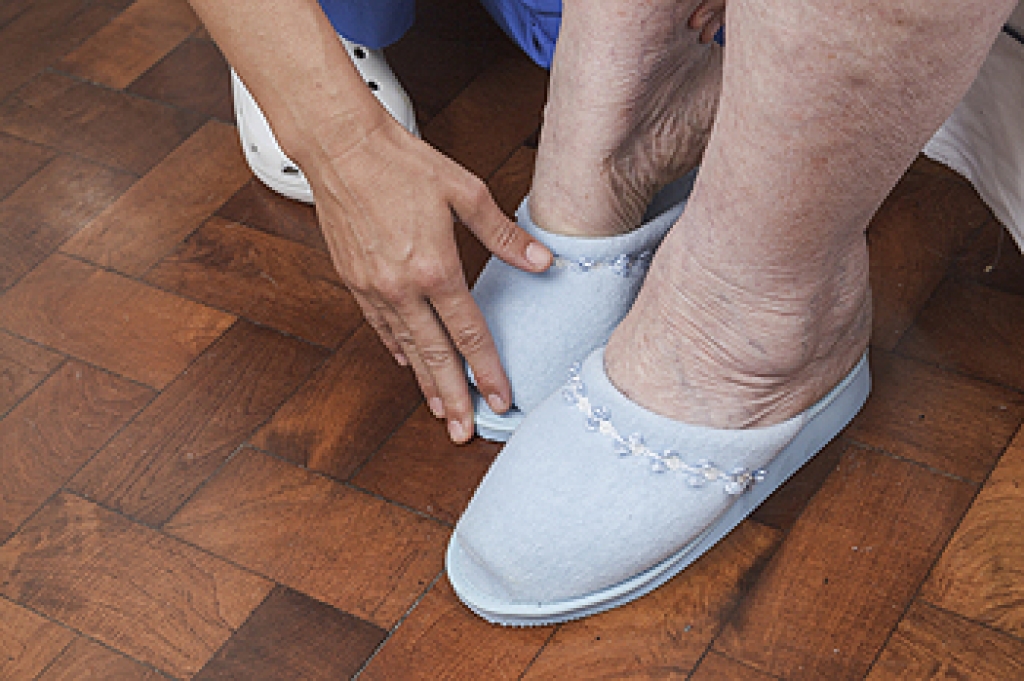
A foot examination is essential for older adults to prevent and manage potential health issues. Start by inspecting the feet for any visible signs of infection, cuts, or bruises. Check for blisters, corns, calluses, or swelling, as these can indicate pressure or friction from footwear. Pay attention to the toenails, looking for signs of fungal infections or ingrown nails. It is important to assess the circulation in the feet, ensuring that there is no unusual color change or coldness, which may signal poor blood flow. Also, examine the skin for any areas of redness or discoloration, which can suggest pressure points or sores. A foot examination is vital as many foot conditions in older adults can go unnoticed, leading to complications such as infections, mobility problems, or even falls if left untreated. If you are elderly and have any type of foot pain, it is strongly suggested that you consult a podiatrist who can treat various conditions, and perform routine exams for optimal foot health.
Proper foot care is something many older adults forget to consider. If you have any concerns about your feet and ankles, contact Andrew Katz, DPM from Allcare Foothealth Center. Our doctor can provide the care you need to keep you pain-free and on your feet.
The Elderly and Their Feet
As we age we start to notice many changes in our body, but the elder population may not notice them right away. Medical conditions may prevent the elderly to take notice of their foot health right away. Poor vision is a lead contributor to not taking action for the elderly.
Common Conditions
Susceptible Infections
Diabetes and poor circulation can cause general loss of sensitivity over the years, turning a simple cut into a serious issue.
If you have any questions, please feel free to contact our office located in Palmdale, CA . We offer the newest diagnostic and treatment technologies for all your foot care needs.
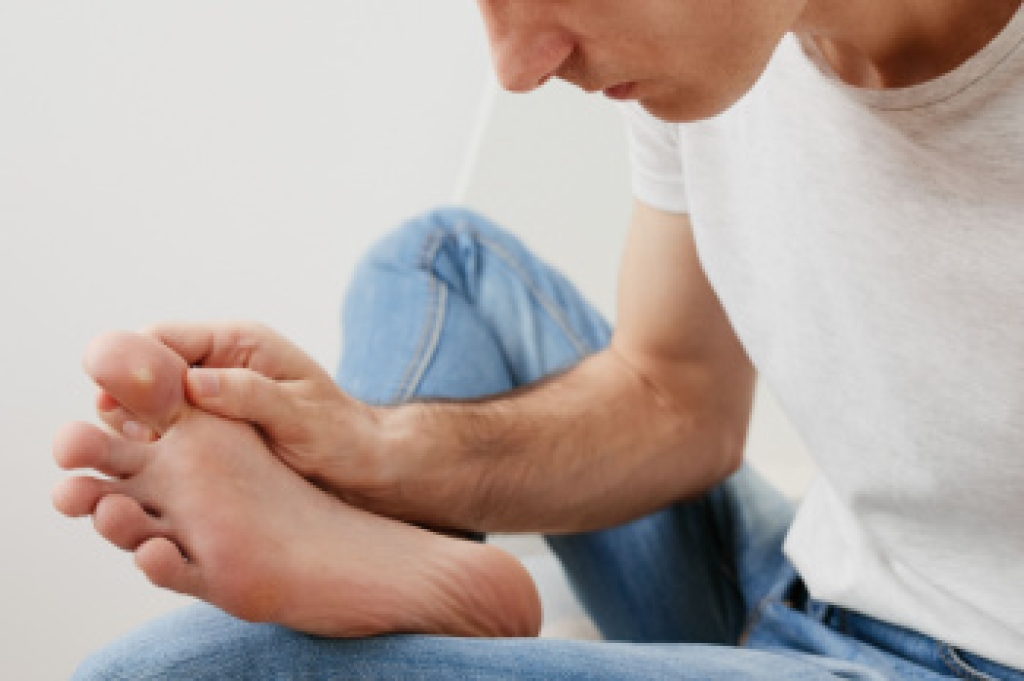
Plantar warts are small, rough growths that develop on the soles of the feet, often causing discomfort or pain when walking. They are caused by the human papillomavirus, or HPV, which enters the skin through tiny cuts or abrasions. The virus thrives in warm, moist environments, making public areas like swimming pools, showers, and gym floors common places for transmission. Plantar warts typically appear as firm, raised bumps with a rough texture and may have small black dots in the center, which are blood vessels. The pressure from walking or standing often causes them to grow inward, making them more painful. Although plantar warts are generally not dangerous, they can be extremely painful. If you have developed a plantar wart, it is suggested that you consult a podiatrist who can offer effective relief and treatment solutions.
Plantar warts can be very uncomfortable. If you need your feet checked, contact Andrew Katz, DPM from Allcare Foothealth Center. Our doctor will assist you with all of your foot and ankle needs.
About Plantar Warts
Plantar warts are the result of HPV, or human papillomavirus, getting into open wounds on the feet. They are mostly found on the heels or balls of the feet.
While plantar warts are generally harmless, those experiencing excessive pain or those suffering from diabetes or a compromised immune system require immediate medical care. Plantar warts are easily diagnosed, usually through scraping off a bit of rough skin or by getting a biopsy.
Symptoms
Treatment
To help prevent developing plantar warts, avoid walking barefoot over abrasive surfaces that can cause cuts or wounds for HPV to get into. Avoiding direct contact with other warts, as well as not picking or rubbing existing warts, can help prevent the further spread of plantar warts. However, if you think you have developed plantar warts, speak to your podiatrist. He or she can diagnose the warts on your feet and recommend the appropriate treatment options.
If you have any questions, please feel free to contact our office located in Palmdale, CA . We offer the newest diagnostic and treatment technologies for all your foot care needs.
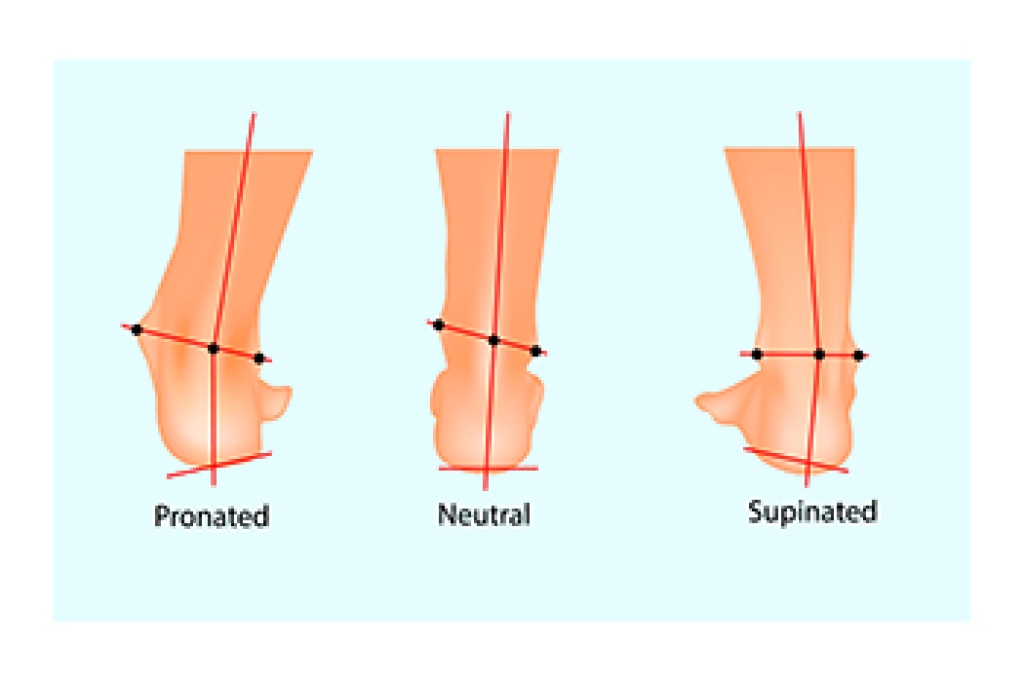
Excessive supination, or underpronation, occurs when too much weight is placed on the outer edges of the feet while walking or running. This gait problem is often due to structural factors like high arches, genetic foot shape, or ankle instability. Supination of the foot strains the ankles and outer foot areas, potentially leading to ankle sprains, shin splints, and plantar fasciitis. Improper footwear and misalignment can also contribute to supination. Old injuries, prolonged impact on hard surfaces, and restricted range of motion may worsen these issues, increasing susceptibility to calluses, bunions, and stress fractures. Identifying signs of supination involves examining shoe wear patterns or footprint analysis, but a professional gait analysis by a podiatrist provides the most accurate assessment. A podiatrist can recommend custom orthotics and appropriate footwear to support proper foot alignment, reduce pain, and avoid injury. If you have foot problems related to gait issues, it is suggested that you make an appointment with a podiatrist for analysis and treatment.
If you have any concerns about your feet, contact Andrew Katz, DPM from Allcare Foothealth Center. Our doctor can provide the care you need to keep you pain-free and on your feet.
Biomechanics in Podiatry
Podiatric biomechanics is a particular sector of specialty podiatry with licensed practitioners who are trained to diagnose and treat conditions affecting the foot, ankle and lower leg. Biomechanics deals with the forces that act against the body, causing an interference with the biological structures. It focuses on the movement of the ankle, the foot and the forces that interact with them.
A History of Biomechanics
Modern technological improvements are based on past theories and therapeutic processes that provide a better understanding of podiatric concepts for biomechanics. Computers can provide accurate information about the forces and patterns of the feet and lower legs.
Understanding biomechanics of the feet can help improve and eliminate pain, stopping further stress to the foot.
If you have any questions please feel free to contact our office located in Palmdale, CA . We offer the newest diagnostic and treatment technologies for all your foot and ankle needs.
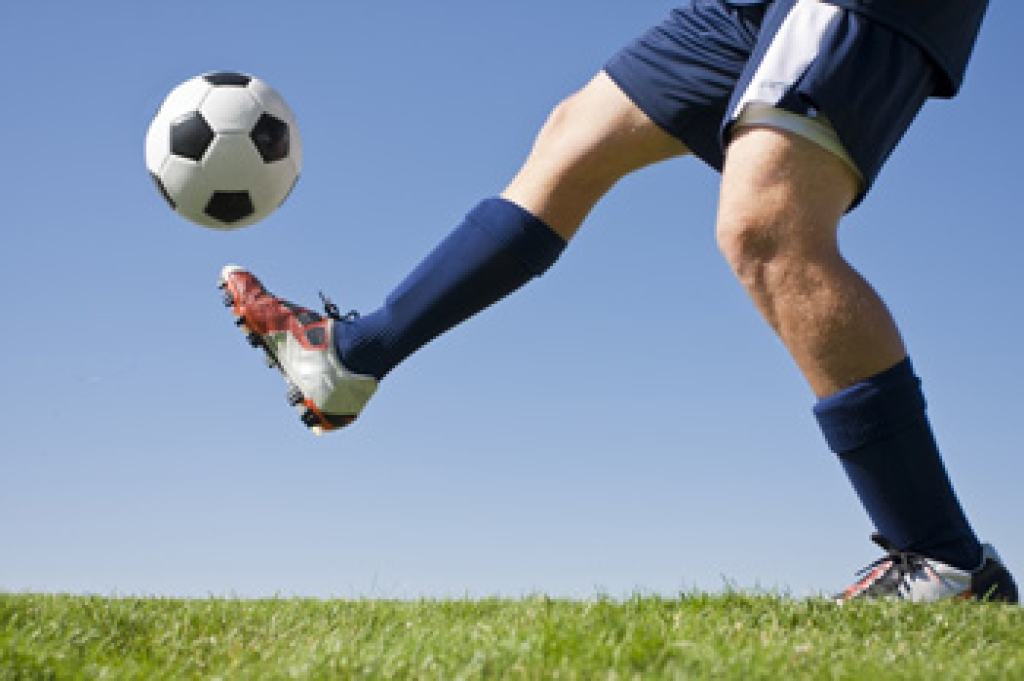
Soccer players frequently experience foot and ankle injuries due to the high intensity movements, rapid direction changes, and constant pivoting the sport demands. Common injuries include ankle sprains, which occur from twisting or rolling the ankle, and fractures from direct impacts, like a tackle or collision. Plantar fasciitis, Achilles tendonitis, and stress fractures are also common due to repetitive running, sudden stops, and jumping. In addition, soccer players are prone to turf toe, a sprain of the big toe joint caused by pushing off with force. Symptoms typically involve pain, swelling, bruising, and reduced mobility, often impacting a player’s performance. Treatment varies based on injury severity. If you have sustained a foot or ankle injury from playing soccer, it is suggested that you visit a podiatrist who can provide an accurate diagnosis and offer appropriate treatment solutions.
Ankle and foot injuries are common among athletes and in many sports. They can be caused by several problems and may be potentially serious. If you are feeling pain or think you were injured in a sporting event or when exercising, consult with Andrew Katz, DPM from Allcare Foothealth Center. Our doctor will assess your condition and provide you with quality foot and ankle treatment.
Common Injuries
The most common injuries that occur in sporting activities include:
Symptoms
Symptoms vary depending upon the injury and in some cases, there may be no symptoms at all. However, in most cases, some form of symptom is experienced. Pain, aching, burning, bruising, tenderness, tightness or stiffness, sensation loss, difficulty moving, and swelling are the most common symptoms.
Treatment
Just as symptoms vary depending upon the injury, so do treatment options. A common treatment method is known as the RICE method. This method involves rest, applying ice, compression and elevating the afflicted foot or ankle. If the injury appears to be more serious, surgery might be required, such as arthroscopic or reconstructive surgery. Lastly, rehabilitation or therapy might be needed to gain full functionality in the afflicted area. Any discomfort experienced by an athlete must be evaluated by a licensed, reputable medical professional.
If you have any questions please contact our office located in Palmdale, CA . We offer the newest diagnostic and treatment technologies for all your foot and ankle needs.

Have your child's feet been examined lately? Healthy feet are happy feet. If your child is complaining of foot pain, it may be a sign of underlying problems.
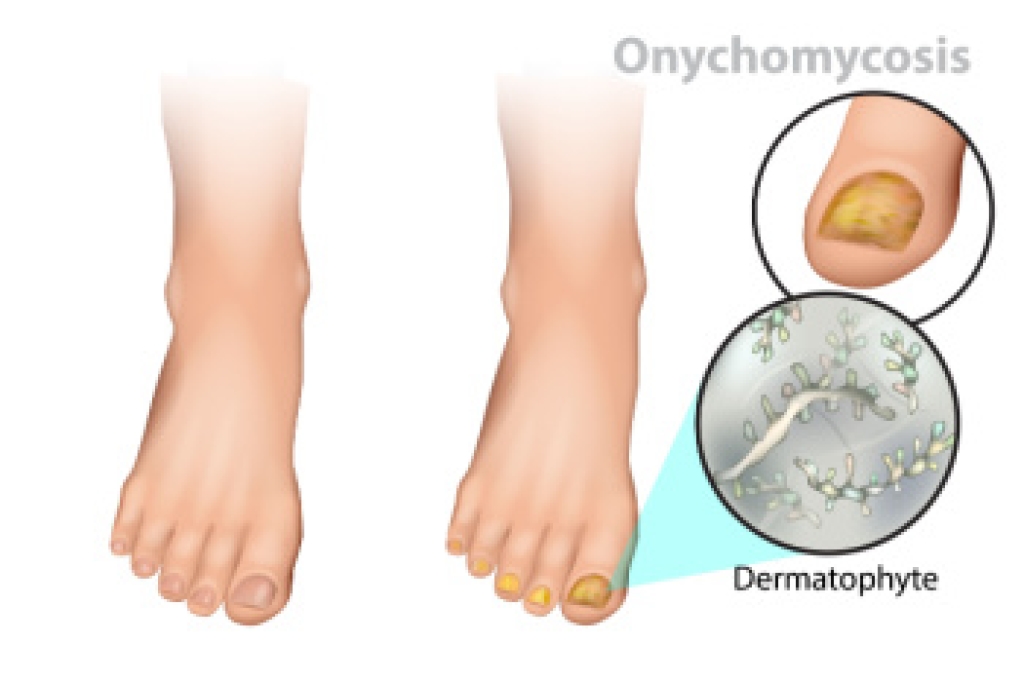
Tinea unguium, also known as onychomycosis, is a fungal infection that affects the nails, particularly the toenails. This condition causes changes in the appearance of the nails, which may become thickened, discolored, and brittle. Infected nails can also separate from the nail bed, causing discomfort and potential pain. The primary cause of tinea unguium is the overgrowth of fungi, particularly dermatophytes, which thrive in warm and moist environments. Risk factors include wearing tight footwear, having a history of athlete's foot, and compromised immune systems. Poor hygiene can also contribute to the development of this infection. Recognizing the symptoms early is essential for effective treatment, as untreated cases can lead to more severe complications. If you have toenail fungus symptoms, it is suggested that you consult with a podiatrist who can offer you prescribed medication for effective treatment.
If left untreated, toenail fungus may spread to other toenails, skin, or even fingernails. If you suspect you have toenail fungus it is important to seek treatment right away. For more information about treatment, contact Andrew Katz, DPM of Allcare Foothealth Center. Our doctor can provide the care you need to keep you pain-free and on your feet.
Symptoms
Treatment
If self-care strategies and over-the-counter medications does not help your fungus, your podiatrist may give you a prescription drug instead. Even if you find relief from your toenail fungus symptoms, you may experience a repeat infection in the future.
Prevention
In order to prevent getting toenail fungus in the future, you should always make sure to wash your feet with soap and water. After washing, it is important to dry your feet thoroughly especially in between the toes. When trimming your toenails, be sure to trim straight across instead of in a rounded shape. It is crucial not to cover up discolored nails with nail polish because that will prevent your nail from being able to “breathe”.
In some cases, surgical procedure may be needed to remove the toenail fungus. Consult with your podiatrist about the best treatment options for your case of toenail fungus.
If you have any questions please contact our office located in Palmdale, CA . We offer the newest diagnostic and treatment technologies for all your foot and ankle needs.
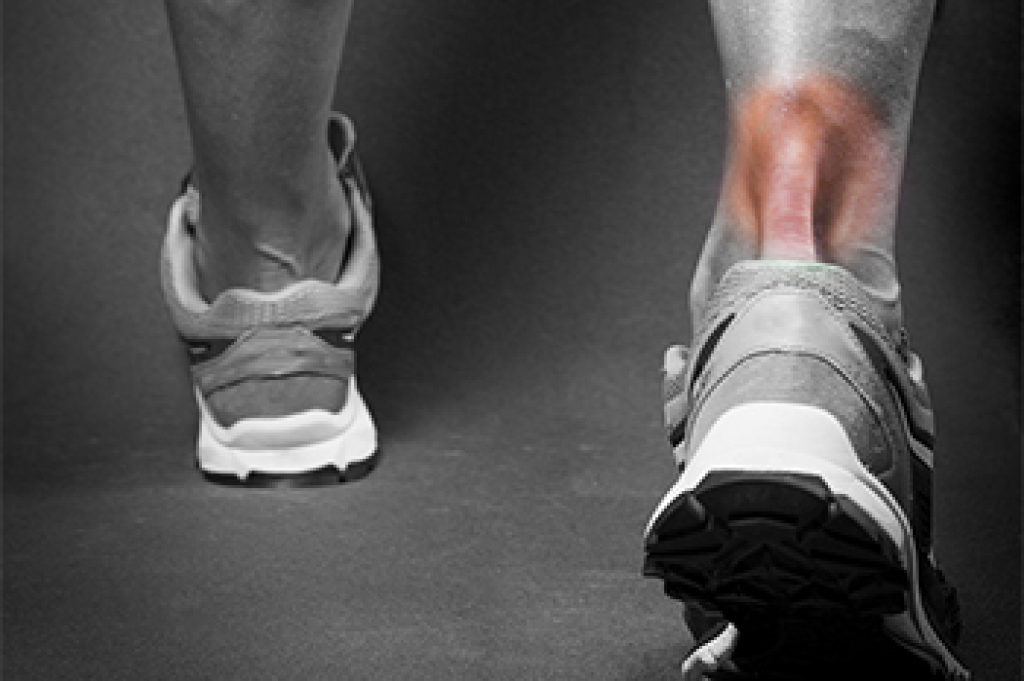
Achilles tendon ruptures are serious injuries that can occur while playing basketball, often resulting from sudden jumps, rapid direction changes, or intense physical exertion. This injury typically causes a sharp pain in the back of the ankle, often described as feeling like a kick or a pop. Risk factors include inadequate warm-up, previous injuries, and lack of conditioning. Players may struggle with mobility and experience swelling, making it difficult to walk. Treatment options vary based on severity, ranging from rest and rehabilitation to surgical intervention for complete tears. Recovery can take several months to regain strength and flexibility. Awareness of this injury and proper preventive measures, such as strengthening exercises and appropriate footwear, can help players minimize their risk while enjoying the game. This type of injury can temporarily cause players to stop playing basketball. If you have an Achilles tendon injury, it is suggested that you are under the care of a podiatrist who can offer you appropriate treatment options.
Achilles tendon injuries need immediate attention to avoid future complications. If you have any concerns, contact Andrew Katz, DPM of Allcare Foothealth Center. Our doctor can provide the care you need to keep you pain-free and on your feet.
What Is the Achilles Tendon?
The Achilles tendon is a tendon that connects the lower leg muscles and calf to the heel of the foot. It is the strongest tendon in the human body and is essential for making movement possible. Because this tendon is such an integral part of the body, any injuries to it can create immense difficulties and should immediately be presented to a doctor.
What Are the Symptoms of an Achilles Tendon Injury?
There are various types of injuries that can affect the Achilles tendon. The two most common injuries are Achilles tendinitis and ruptures of the tendon.
Achilles Tendinitis Symptoms
Rupture Symptoms
Treatment and Prevention
Achilles tendon injuries are diagnosed by a thorough physical evaluation, which can include an MRI. Treatment involves rest, physical therapy, and in some cases, surgery. However, various preventative measures can be taken to avoid these injuries, such as:
If you have any questions please feel free to contact our office located in Palmdale, CA . We offer the newest diagnostic tools and technology to treat your foot and ankle needs.
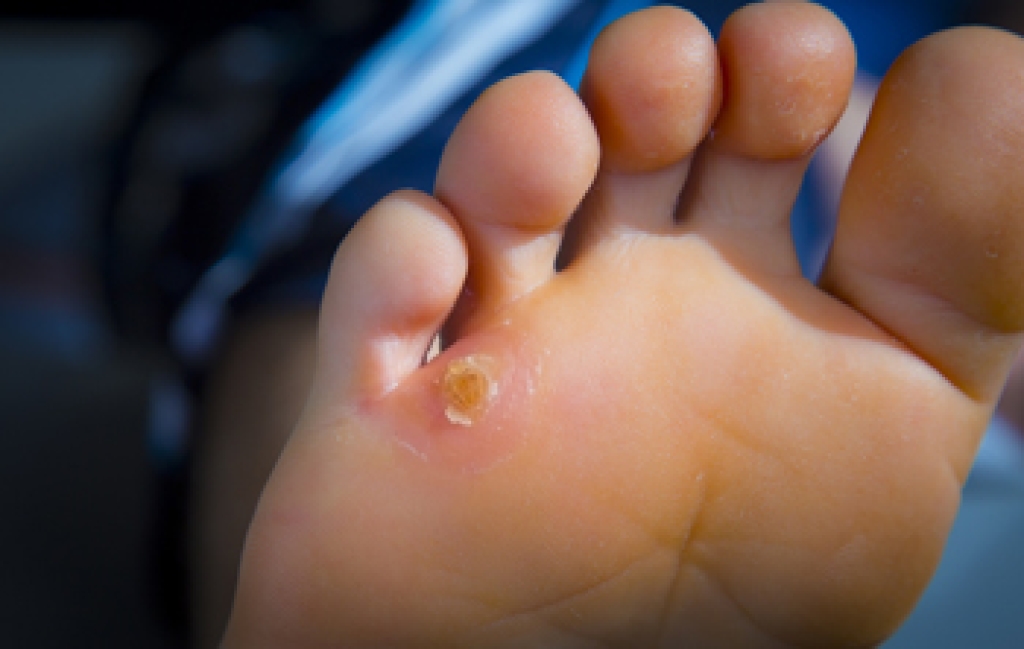
Corns and calluses are thickened areas of skin that develop as a protective response to friction and pressure. Corns typically form on the toes and are small, often painful growths with a hard center. Calluses are larger and usually appear on the soles of the feet or palms, serving as a broader protective barrier. The primary causes of corns and calluses include poorly fitting footwear, repetitive activities, and abnormal foot mechanics. Wearing ill-fitting shoes can create pressure points that lead to corn formation, while continuous friction from walking or standing may result in calluses. Conditions such as bunions or hammertoes can worsen these issues. While corns and calluses serve a protective function, they can become uncomfortable and may require attention to prevent further complications. If you have pain from either corns or calluses, it is suggested that you contact a podiatrist who can offer you effective relief solutions.
If you have any concerns regarding your feet and ankles, contact Andrew Katz, DPM of Allcare Foothealth Center. Our doctor will treat your foot and ankle needs.
Corns: What Are They? and How Do You Get Rid of Them?
Corns can be described as areas of the skin that have thickened to the point of becoming painful or irritating. They are often layers and layers of the skin that have become dry and rough, and are normally smaller than calluses.
Ways to Prevent Corns
There are many ways to get rid of painful corns such as wearing:
Treating Corns
Treatment of corns involves removing the dead skin that has built up in the specific area of the foot. Consult with Our doctor to determine the best treatment option for your case of corns.
If you have any questions, please feel free to contact our office located in Palmdale, CA . We offer the newest diagnostic and treatment technologies for all your foot care needs.

Same level falls occur when individuals trip, slip, or stumble on surfaces at the same height they are standing on, often leading to injuries that can affect productivity and morale. To prevent these incidents in the workplace, it is vital to implement several strategies. First, using appropriate flooring can significantly reduce the risk. Non-slip surfaces are ideal in high-traffic areas. Regularly removing obstacles such as clutter, cords, and equipment can create a safer environment. Promptly cleaning up spills and ensuring that wet floors are marked with clear signage is essential for alerting employees to potential hazards. Additionally, wearing protective gear, such as slip-resistant shoes, can further enhance safety. Falling can seriously impact the feet, which may cause a loss of work and wages. If you have had a foot injury from falling, it is suggested that you consult a podiatrist who can treat various foot injuries, and guide you on appropriate fall prevention methods in the work environment.
Preventing falls among the elderly is very important. If you are older and have fallen or fear that you are prone to falling, consult with Andrew Katz, DPM from Allcare Foothealth Center. Our doctor will assess your condition and provide you with quality advice and care.
Every 11 seconds, an elderly American is being treated in an emergency room for a fall related injury. Falls are the leading cause of head and hip injuries for those 65 and older. Due to decreases in strength, balance, senses, and lack of awareness, elderly persons are very susceptible to falling. Thankfully, there are a number of things older persons can do to prevent falls.
How to Prevent Falls
Some effective methods that older persons can do to prevent falls include:
Falling can be a traumatic and embarrassing experience for elderly persons; this can make them less willing to leave the house, and less willing to talk to someone about their fears of falling. Doing such things, however, will increase the likelihood of tripping or losing one’s balance. Knowing the causes of falling and how to prevent them is the best way to mitigate the risk of serious injury.
If you have any questions, please feel free to contact our office located in Palmdale, CA . We offer the newest diagnostic and treatment technologies for all your foot care needs.
Connect With Us
