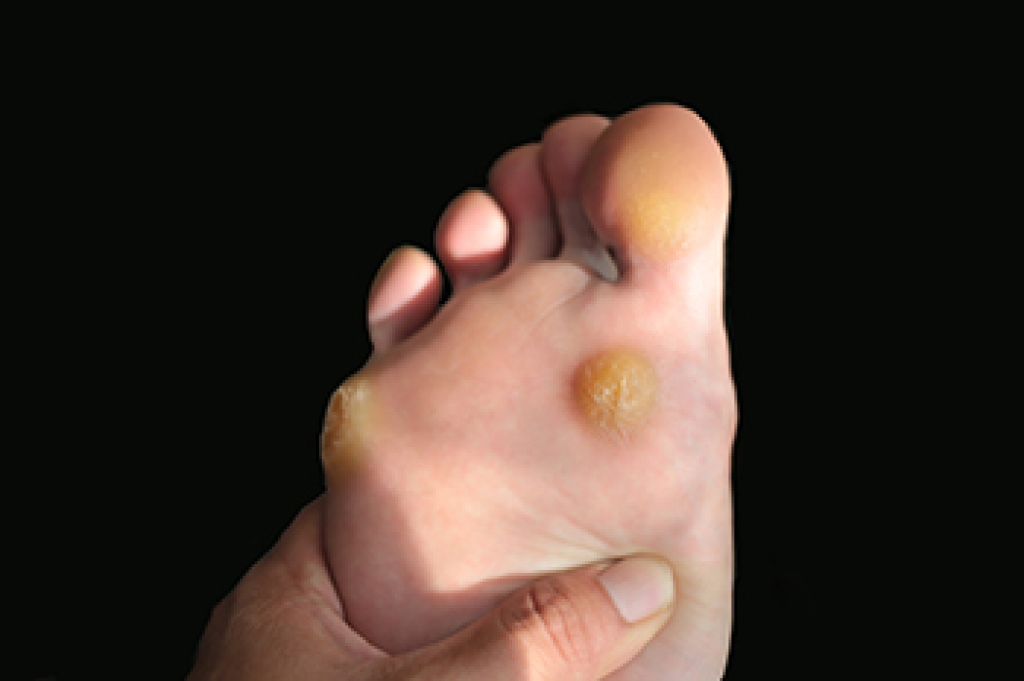
Pachyonychia Congenita and How It Affects the Feet

Pachyonychia congenita is a rare genetic condition that causes thick, curved nails and painful calluses on the soles of the feet, often beginning in childhood. The skin may form firm areas that make standing or walking difficult, and the nails can become sharply thickened, discolored, or tender when pressure is applied. Some people develop blistering or burning sensations in the weight bearing areas, especially after activity or in warm weather. These changes occur because certain skin proteins do not form normally, creating friction and pressure that the body struggles to manage. Although the condition cannot be cured, its symptoms can be eased with regular care. A podiatrist can safely reduce nail thickness, manage painful calluses, recommend protective footwear, and guide long-term strategies that lessen discomfort during daily activities. If your symptoms are interfering with movement or worsening over time, it is suggested that you see a podiatrist for effective relief solutions.

Some foot conditions may require additional professional care. If you have any concerns, contact Andrew Katz, DPM of Allcare Foothealth Center. Our doctor can provide the care you need to keep you pain-free and on your feet.

Rare Foot Conditions

The majority of foot conditions are common and can be treated by a podiatrist.  Standard diagnostic procedures are generally used to identify specific conditions and treatment can be rendered. A podiatrist also treats rare foot conditions which can be difficult to diagnose and may need extra attention and care. 

There are many rare foot conditions that can affect children. Some of these can include:

  • Freiberg’s disease
  • Kohler’s disease
  • Maffucci syndrome

Freiberg’s disease - This can be seen as a deterioration and flattening of a metatarsal bone that exists in the ball of the foot. It typically affects pre-teen and teenage girls, but can affect anyone at any age. Symptoms that can accompany this can be swelling, stiffness, and the patient may limp. 

Kohler’s disease - This often targets the bone in the arch of the foot and affects younger boys. It can lead to an interruption of the blood supply which ultimately can lead to bone deterioration. The patient may limp or experience tenderness, swelling, and redness.

Maffucci syndrome - This affects the long bones in a child’s foot leading to the development of abnormal bone lesions. They are benign growths and typically develop in early childhood and the bones may be susceptible to breaking. 

A podiatrist can properly diagnose and treat all types of rare foot conditions. If your child is affected by any of these symptoms or conditions, please don’t hesitate to call our office so the correct treatment method can begin.

If you have any questions, please feel free to contact our office located in Palmdale, CA . We offer the newest diagnostic and treatment technologies for all your foot care needs.

Read more about Rare Foot Conditions

Understanding Hammertoe and When to Seek Care

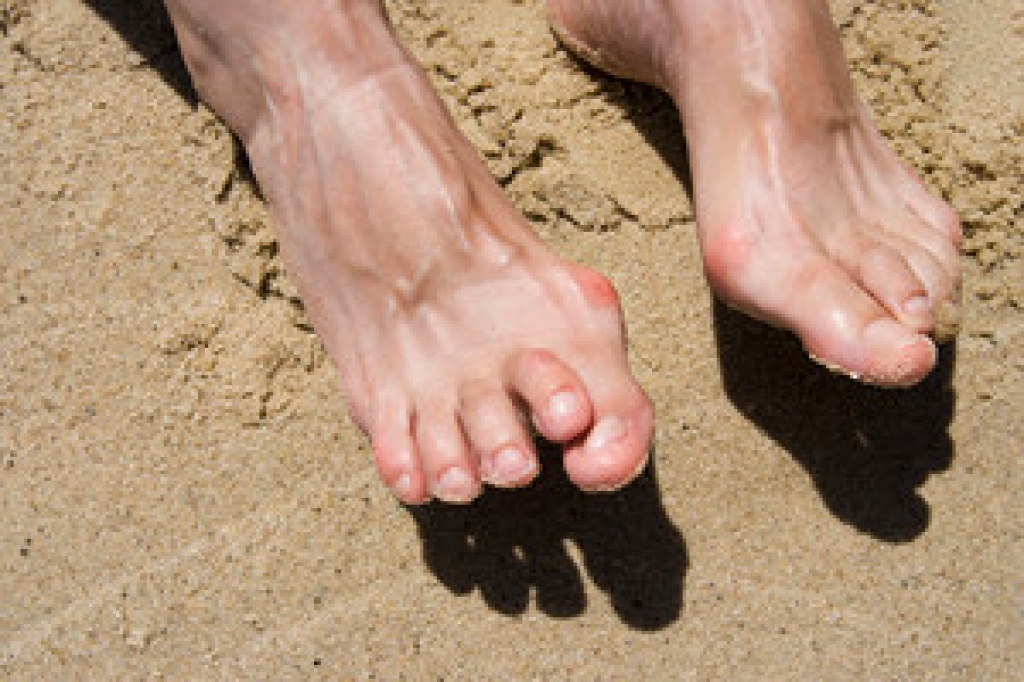
Hammertoe is a foot deformity in which one or more toes bend abnormally at the middle joint, creating a curled appearance. Common symptoms include toe pain, corns, calluses, redness, and difficulty wearing shoes comfortably. Risk factors include wearing tight footwear, muscle imbalance, trauma, arthritis, and a family history of foot deformities. A hammertoe may be flexible, meaning the toe can still move, or rigid, meaning the joint is stiff and fixed in place. You should be concerned if pain worsens, sores develop, or walking becomes difficult, as untreated hammertoes can lead to further complications. A podiatrist can evaluate the condition, recommend shoe modifications, custom orthotics, or advanced treatments, when needed. If toe pain is limiting your daily activities, it is suggested that you consult a podiatrist who can make a proper diagnosis and offer effective relief and treatment solutions.

Hammertoe

Hammertoes can be a painful condition to live with. For more information, contact Andrew Katz, DPM from Allcare Foothealth Center. Our doctor will answer any of your foot- and ankle-related questions.

Hammertoe is a foot deformity that affects the joints of the second, third, fourth, or fifth toes of your feet. It is a painful foot condition in which these toes curl and arch up, which can often lead to pain when wearing footwear.

Symptoms

  • Pain in the affected toes
  • Development of corns or calluses due to friction
  • Inflammation
  • Redness
  • Contracture of the toes

Causes

Genetics – People who are genetically predisposed to hammertoe are often more susceptible

Arthritis – Because arthritis affects the joints in your toes, further deformities stemming from arthritis can occur

Trauma – Direct trauma to the toes could potentially lead to hammertoe

Ill-fitting shoes – Undue pressure on the front of the toes from ill-fitting shoes can potentially lead to the development of hammertoe

Treatment

Orthotics – Custom made inserts can be used to help relieve pressure placed on the toes and therefore relieve some of the pain associated with it

Medications – Oral medications such as anti-inflammatories or NSAIDs could be used to treat the pain and inflammation hammertoes causes. Injections of corticosteroids are also sometimes used

Surgery – In more severe cases where the hammertoes have become more rigid, foot surgery is a potential option

If you have any questions, please feel free to contact our office located in Palmdale, CA . We offer the newest diagnostic and treatment technologies for all your foot care needs.
Read more about What Are Hammertoes?

Everyday Foot Care and Professional Help

Caring for the feet begins with simple habits that keep the skin, nails, and joints healthy. Regular washing and drying helps maintain good skin condition, while properly trimmed nails reduce irritation and discomfort. Supportive shoes that fit well can ease strain on the arches and lessen fatigue during daily activities. Paying attention to changes such as new soreness, swelling, or areas of pressure is also important, as these signs can reveal early trouble long before a major problem develops. A podiatrist becomes important when foot pain does not ease, when walking becomes difficult, or when changes in the nails or skin progress despite basic care. Persistent heel pain, repeated ankle issues, numbness, or wounds that do not improve all deserve professional attention. If any of these concerns affect your comfort or mobility, it is suggested that you see a podiatrist for effective treatment solutions.

Everyday foot care is very important to prevent infection and other foot ailments. If you need your feet checked, contact Andrew Katz, DPM from Allcare Foothealth Center. Our doctor can provide the care you need to keep you pain-free and on your feet.

Everyday Foot Care

Often, people take care of their bodies, face and hair more so than they do for their feet. But the feet are a very important aspect of our bodies, and one that we should pay more attention to. Without our feet, we would not be able to perform most daily tasks.

It is best to check your feet regularly to make sure there are no new bruises or cuts that you may not have noticed before. For dry feet, moisturizer can easily be a remedy and can be applied as often as necessary to the affected areas. Wearing shoes that fit well can also help you maintain good foot health, as well as making it easier to walk and do daily activities without the stress or pain of ill-fitting shoes, high heels, or even flip flops. Wearing clean socks with closed shoes is important to ensure that sweat and bacteria do not accumulate within the shoe. Clean socks help to prevent Athlete’s foot, fungi problems, bad odors, and can absorb sweat.

If you have any questions, please feel free to contact our office located in Palmdale, CA . We offer the newest diagnostic and treatment technologies for all your foot care needs.

Read more about Everyday Foot Care

Plantar Fasciitis and How to Find Relief

Plantar fasciitis is a common condition that affects the thick band of tissue on the bottom of the foot that supports the arch. It often occurs when this tissue becomes irritated from overuse, wearing improper footwear, or standing for long periods of time. Risk factors include high arches, flat feet, tight calf muscles, and increased activity. Symptoms include heel pain, stiffness, and discomfort that is often worse in the morning or after rest. A podiatrist can identify the cause, provide targeted treatment, recommend supportive footwear, and guide stretching and strengthening routines to ease strain on the heel. Heel pain can be painful, and may affect daily activities. If this applies to you, it is suggested that you consult a podiatrist who can accurately diagnose and treat what may be going on.

Plantar fasciitis is a common foot condition that is often caused by a strain injury. If you are experiencing heel pain or symptoms of plantar fasciitis, contact Andrew Katz, DPM from Allcare Foothealth Center. Our doctor can provide the care you need to keep you pain-free and on your feet.

What Is Plantar Fasciitis?

Plantar fasciitis is one of the most common causes of heel pain. The plantar fascia is a ligament that connects your heel to the front of your foot. When this ligament becomes inflamed, plantar fasciitis is the result. If you have plantar fasciitis you will have a stabbing pain that usually occurs with your first steps in the morning. As the day progresses and you walk around more, this pain will start to disappear, but it will return after long periods of standing or sitting.

What Causes Plantar Fasciitis?

  • Excessive running
  • Having high arches in your feet
  • Other foot issues such as flat feet
  • Pregnancy (due to the sudden weight gain)
  • Being on your feet very often

There are some risk factors that may make you more likely to develop plantar fasciitis compared to others. The condition most commonly affects adults between the ages of 40 and 60. It also tends to affect people who are obese because the extra pounds result in extra stress being placed on the plantar fascia.

Prevention

  • Take good care of your feet – Wear shoes that have good arch support and heel cushioning.
  • Maintain a healthy weight
  • If you are a runner, alternate running with other sports that won’t cause heel pain

There are a variety of treatment options available for plantar fasciitis along with the pain that accompanies it. Additionally, physical therapy is a very important component in the treatment process. It is important that you meet with your podiatrist to determine which treatment option is best for you.

If you have any questions, please feel free to contact our office located in Palmdale, CA . We offer the newest diagnostic and treatment technologies for all your foot care needs.


Read more about Plantar Fasciitis

Connect With Us