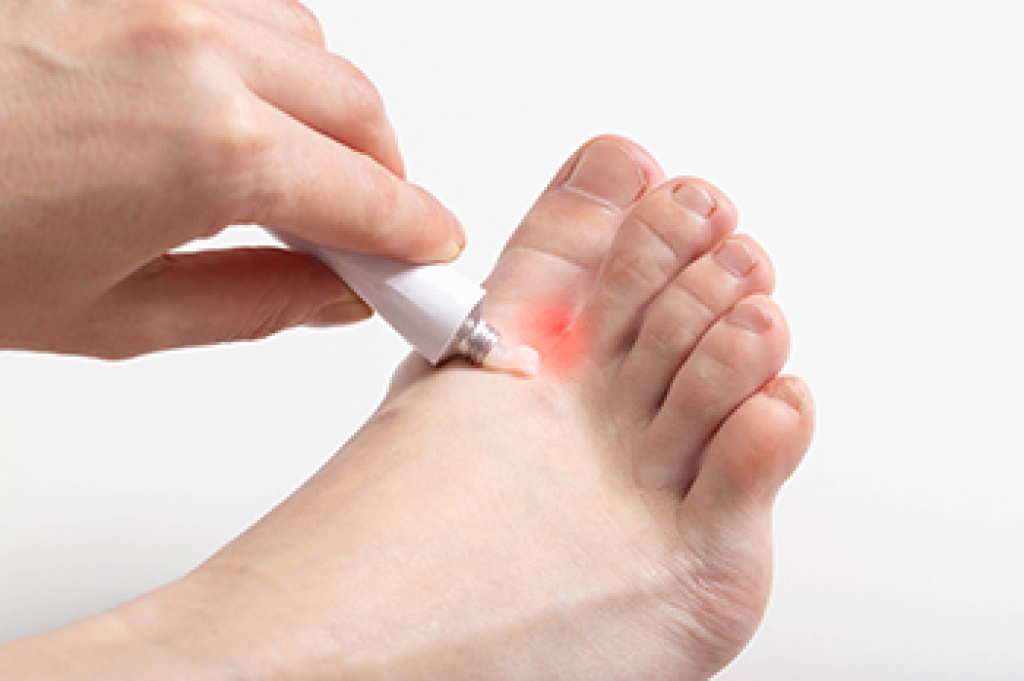
Athlete’s Foot Is Caused by Various Fungi

Athlete’s foot can be extremely uncomfortable. It is a foot condition that is caused by a fungal infection of the skin, and generally affects the toes and soles of the feet. The fungus that causes this condition lives in warm and moist environments, such as shower room floors and public swimming pools. Because the fungus is contagious, it is beneficial to wear appropriate shoes while in these types of areas. Additionally, it is wise to refrain from sharing shoes, towels, and socks, as this may help to limit the spread of athlete’s foot. Research has indicated there are two types of athlete’s foot fungus. Trichophyton rubrum is classified as long-lasting and may often be recurring. Trichophyton mentagrophytes is a type of fungus that is found between the toes and is treatable, despite its severity. If you have itchy skin on your feet, it is suggested that you confer with a podiatrist who can properly diagnose and treat athlete’s foot.

Athlete’s Foot

Athlete’s foot is often an uncomfortable condition to experience. Thankfully, podiatrists specialize in treating athlete’s foot and offer the best treatment options. If you have any questions about athlete’s foot, consult with Andrew Katz, DPM from Allcare Foothealth Center. Our doctor will assess your condition and provide you with quality treatment.

What Is Athlete’s Foot?

Tinea pedis, more commonly known as athlete’s foot, is a non-serious and common fungal infection of the foot. Athlete’s foot is contagious and can be contracted by touching someone who has it or infected surfaces. The most common places contaminated by it are public showers, locker rooms, and swimming pools. Once contracted, it grows on feet that are left inside moist, dark, and warm shoes and socks.

Prevention

The most effective ways to prevent athlete’s foot include:

  • Thoroughly washing and drying feet
  • Avoid going barefoot in locker rooms and public showers
  • Using shower shoes in public showers
  • Wearing socks that allow the feet to breathe
  • Changing socks and shoes frequently if you sweat a lot

Symptoms

Athlete’s foot initially occurs as a rash between the toes. However, if left undiagnosed, it can spread to the sides and bottom of the feet, toenails, and if touched by hand, the hands themselves. Symptoms include:

  • Redness
  • Burning
  • Itching
  • Scaly and peeling skin

Diagnosis and Treatment

Diagnosis is quick and easy. Skin samples will be taken and either viewed under a microscope or sent to a lab for testing. Sometimes, a podiatrist can diagnose it based on simply looking at it. Once confirmed, treatment options include oral and topical antifungal medications.

If you have any questions, please feel free to contact our office located in Palmdale, CA . We offer the newest diagnostic and treatment technologies for all your foot care needs.


Read more about How to Deal with Athlete's Foot

Children and Walking Barefoot

An infants foot is made of soft, flexible cartilage, which gradually hardens as the baby develops and will be formed in the late teenage years. Most babies are born with flat feet, and the shape of the foot is often evident at approximately two years of age. The foot shape is important to consider when choosing the right shoes. If the big toe is the longest of all the toes, it is considered to be tapered. Conversely, a rounded foot shape consists of the second or third toe being the longest, and when the toes are the same length, this is considered to be a square foot shape. Children’s foot health may include having the toddler crawl and walk barefoot while indoors, this helps strengthen the entire foot. The toes can also become stronger as they grip the floor and stretch. When it is time for the first pair of shoes to be purchased, it is beneficial they are made of soft leather material, and have flexible soles. If you would like additional information about how to take proper care of your child's feet, it is suggested that you consult with a podiatrist who can provide you with helpful information.

Making sure that your children maintain good foot health is very important as they grow. If you have any questions, contact Andrew Katz, DPM of Allcare Foothealth Center. Our doctor can provide the care you need to keep you pain-free and on your feet.

Keeping Children's Feet Healthy

Having healthy feet during childhood can help prevent medical problems later in life, namely in the back and legs. As children grow, their feet require different types of care. Here are some things to consider...

Although babies do not walk yet, it is still very important to take care of their feet.

Avoid putting tight shoes or socks on his or her feet.

Allow the baby to stretch and kick his or her feet to feel comfortable.

As a toddler, kids are now on the move and begin to develop differently. At this age, toddlers are getting a feel for walking, so don’t be alarmed if your toddler is unsteady or ‘walks funny’. 

As your child gets older, it is important to teach them how to take care of their feet.

Show them proper hygiene to prevent infections such as fungus.

Be watchful for any pain or injury.

Have all injuries checked by a doctor as soon as possible.

Comfortable, protective shoes should always be worn, especially at play.

If you have any questions, please feel free to contact our office located in Palmdale, CA . We offer the newest diagnostic and treatment technologies for all your foot care needs.

Read more about What to Do to Keep Your Child’s Feet Healthy

Surgery For Plantar Fasciitis

Severe cases of the foot condition that is known as plantar fasciitis may require surgery for better relief. The plantar fascia is found on the bottom of the foot, and it is the band of tissue that connects the heel to the toes. It can become damaged suddenly from an injury, or it may happen gradually from wearing shoes that do not fit correctly. A torn plantar fascia can result in developing plantar fasciitis and many cases can be successfully treated by wearing orthotics or by changing the shoes that are worn. Surgery is often a final option after less invasive treatments have proven to be ineffective. There may be risks that are associated with this type of surgery, including recurring heel pain, infection, or a delay in completing daily activities. If you have heel pain, it is suggested that you consult with a podiatrist who can properly diagnose this condition, and discuss surgery options, if applicable.

Foot surgery is sometimes necessary to treat a foot ailment. To learn more, contact Andrew Katz, DPM of Allcare Foothealth Center. Our doctor will assist you with all of your foot and ankle needs.

When Is Surgery Necessary?

Foot and ankle surgery is generally reserved for cases in which less invasive, conservative procedures have failed to alleviate the problem. Some of the cases in which surgery may be necessary include:

  • Removing foot deformities like bunions and bone spurs
  • Severe arthritis that has caused bone issues
  • Cosmetic reconstruction

What Types of Surgery Are There?

The type of surgery you receive will depend on the nature of the problem you have. Some of the possible surgeries include:

  • Bunionectomy for painful bunions
  • Surgical fusion for realignment of bones
  • Neuropathy decompression surgery to treat nerve damage

Benefits of Surgery

Although surgery is usually a last resort, it can provide more complete pain relief compared to non-surgical methods and may allow you to finally resume full activity.

Surgical techniques have also become increasingly sophisticated. Techniques like endoscopic surgery allow for smaller incisions and faster recovery times.

If you have any questions, please feel free to contact our office located in Palmdale, CA . We offer the newest diagnostic and treatment technologies for all your foot care needs.
Read more about Foot and Ankle Surgery

Why Live with Pain and Numbness in Your Feet?

Suffering from this type of pain? You may have the foot condition known as Morton's neuroma. Morton's neuroma may develop as a result of ill-fitting footwear and existing foot deformities. We can help.

Do I Have Toenail Fungus?

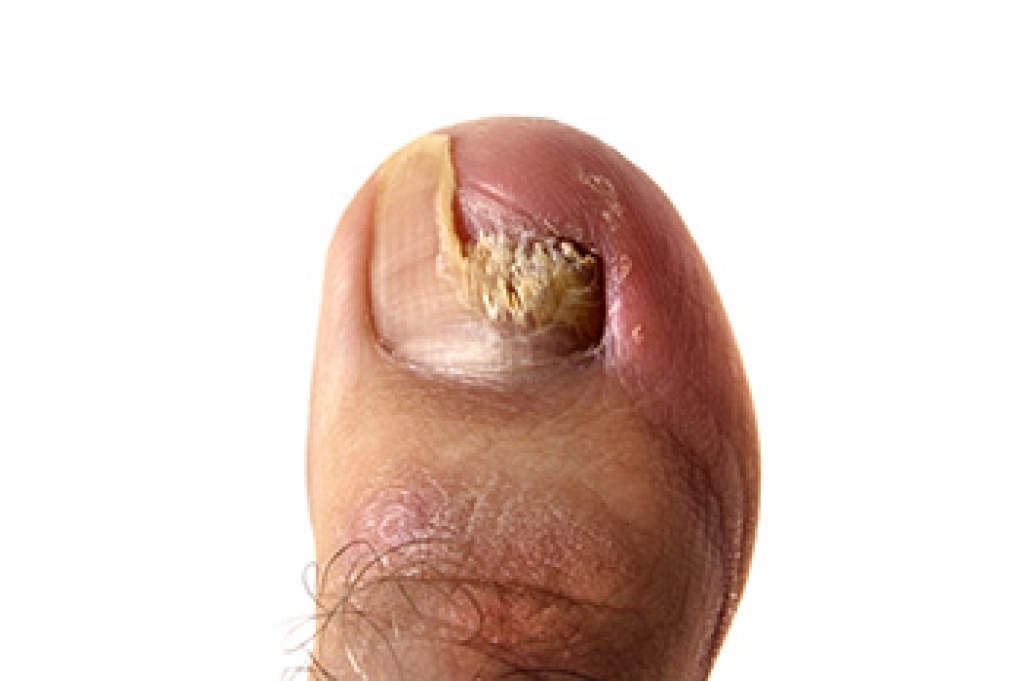
Thickened and discolored toenails could be caused by toenail fungus, but other conditions can cause the same symptoms. These signs might also be the result of bruises, warts, or some type of skin cancer. With toenail fungus, beyond discoloration of the nail, there may be debris under the nail, nail thickening, and an irregularity to the white part of the nail. A discolored spot under the toenail may be a sign of melanoma, a possibly fatal form of skin cancer. This usually presents as a brown or black streak that might look like a bruise. Darier disease is a genetic disorder that typically causes yellowish, wartlike blemishes on the body and red and white streaks on toenails. If you notice changes to your toenails and you do not know the cause, it is suggested that you see a podiatrist as soon as possible to treat whatever might be causing the condition.

For more information about treatment, contact Andrew Katz, DPM of Allcare Foothealth Center. Our doctor can provide the care you need to keep you pain-free and on your feet.

Toenail Fungus Treatment

Toenail fungus is a condition that affects many people and can be especially hard to get rid of. Fortunately, there are several methods to go about treating and avoiding it.

Antifungals & Deterrence

Oral antifungal medicine has been shown to be effective in many cases. It is important to consult with a podiatrist to determine the proper regiment for you, or potentially explore other options.

Applying foot powder on the feet and shoes helps keep the feet free of moisture and sweat.

Sandals or open toed shoes – Wearing these will allow air movement and help keep feet dry. They also expose your feet to light, which fungus cannot tolerate. Socks with moisture wicking material also help as well.

If you have any questions please contact our office located in Palmdale, CA . We offer the newest diagnostic and treatment technologies for all your foot and ankle needs.

Read more about Toenail Fungus

Connect With Us