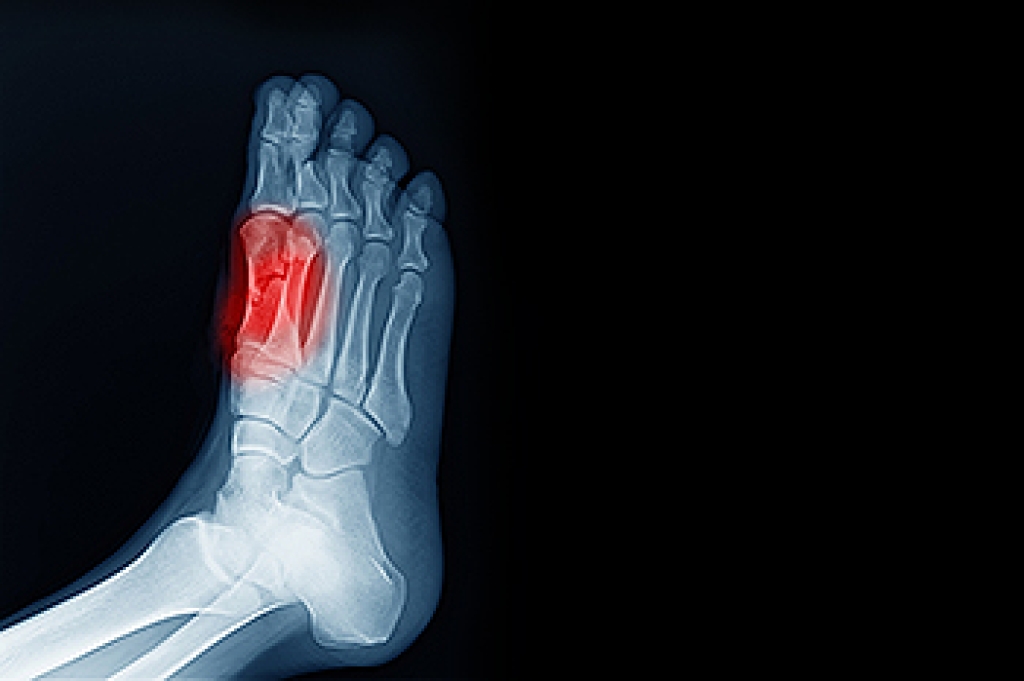
Sesamoiditis and Cycling

Sesamoiditis is a foot condition that develops when the sesamoid bones in the balls of the feet become inflamed and irritated. If you cycle a great deal during your exercise routine, you might be putting yourself at risk of developing sesamoiditis. Specifically, the sesamoid bones might rupture if the stress from cycling is too great on the feet. There are several ways in which you might work with a medical professional like a podiatrist to treat this problem. For example, you might treat this problem by simply cycling with more supportive footwear. Alternatively, your podiatrist might even recommend wearing orthotic devices of some kind to mitigate the effects of sesamoiditis during cycling. If you are a cyclist and are experiencing some kind of sesamoiditis, contact a podiatrist today for treatment.

Sesamoiditis is an unpleasant foot condition characterized by pain in the balls of the feet. If you think you’re struggling with sesamoiditis, contact Andrew Katz, DPM of Allcare Foothealth Center. Our doctor will treat your condition thoroughly and effectively.

Sesamoiditis

Sesamoiditis is a condition of the foot that affects the ball of the foot. It is more common in younger people than it is in older people. It can also occur with people who have begun a new exercise program, since their bodies are adjusting to the new physical regimen. Pain may also be caused by the inflammation of tendons surrounding the bones. It is important to seek treatment in its early stages because if you ignore the pain, this condition can lead to more serious problems such as severe irritation and bone fractures.

Causes of Sesamoiditis

  • Sudden increase in activity
  • Increase in physically strenuous movement without a proper warm up or build up
  • Foot structure: those who have smaller, bonier feet or those with a high arch may be more susceptible

Treatment for sesamoiditis is non-invasive and simple. Doctors may recommend a strict rest period where the patient forgoes most physical activity. This will help give the patient time to heal their feet through limited activity. For serious cases, it is best to speak with your doctor to determine a treatment option that will help your specific needs.

If you have any questions, please feel free to contact our office located in Palmdale, CA . We offer the newest diagnostic and treatment technologies for all your foot care needs.
Read more about Sesamoiditis

Long-Reach Foot Brush

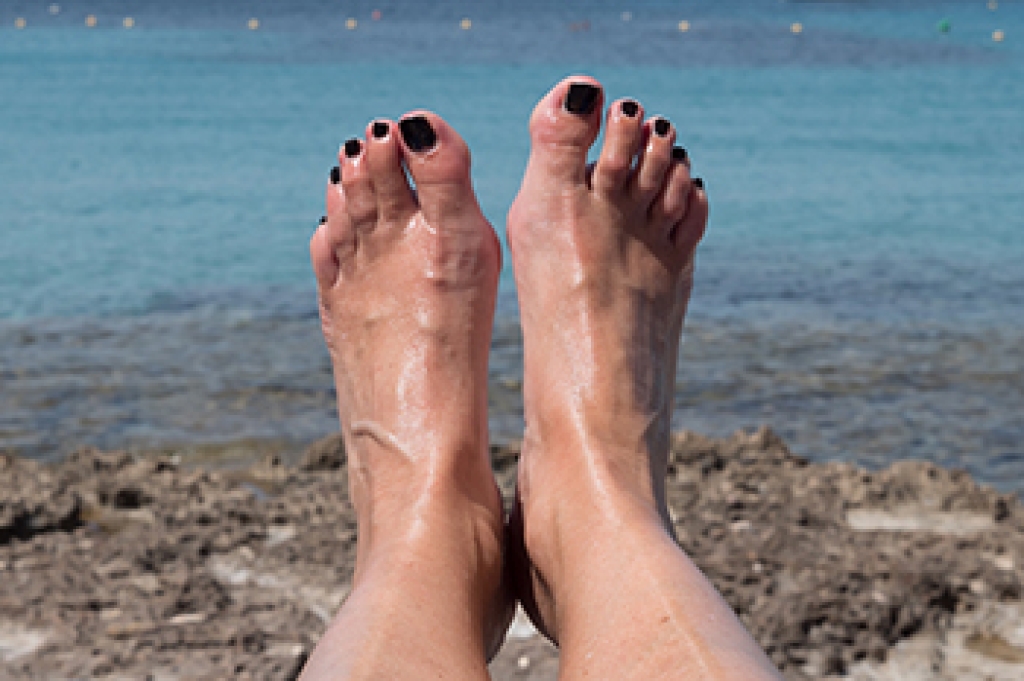
When an individual grows older, it can become significantly difficult to take care of the feet, given the usual difficulty of bending down to reach them. However, it becomes even more important the older an individual gets to take good care of the feet. One interesting way in which senior citizens might be able to better care for their feet is with the help of a tool named a long-reach foot brush. This device has a long handle, and at the tip are a series of bristles that form the brush. This device can be used by seniors to reach their feet without the necessity of bending over. Often, long-reach foot brushes might be used during a shower for seniors to clean their feet during bathing. Some of these tools even have pumice stones attached to the back of the brush for ample foot care. If you are a senior citizen or are caring for one, consider incorporating these brushes into the daily foot care routine. If you have more questions, contact a podiatrist today. 

Proper foot care is something many older adults forget to consider. If you have any concerns about your feet and ankles, contact Andrew Katz, DPM from Allcare Foothealth Center. Our doctor can provide the care you need to keep you pain-free and on your feet.

The Elderly and Their Feet

As we age we start to notice many changes in our body, but the elder population may not notice them right away. Medical conditions may prevent the elderly to take notice of their foot health right away. Poor vision is a lead contributor to not taking action for the elderly.

Common Conditions 

  • Neuropathy – can reduce feeling in the feet and can hide many life-threatening medical conditions.
  • Reduced flexibility – prevents the ability of proper toenail trimming, and foot cleaning. If left untreated, it may lead to further medical issues.
  • Foot sores – amongst the older population can be serious before they are discovered. Some of the problematic conditions they may face are:
  • Gouging toenails affecting nearby toe
  • Shoes that don’t fit properly
  • Pressure sores
  • Loss of circulation in legs & feet
  • Edema & swelling of feet and ankles

Susceptible Infections

Diabetes and poor circulation can cause general loss of sensitivity over the years, turning a simple cut into a serious issue.

If you have any questions, please feel free to contact our office located in Palmdale, CA . We offer the newest diagnostic and treatment technologies for all your foot care needs.
Read more about Elderly Foot Care

Caring for Baby’s Feet

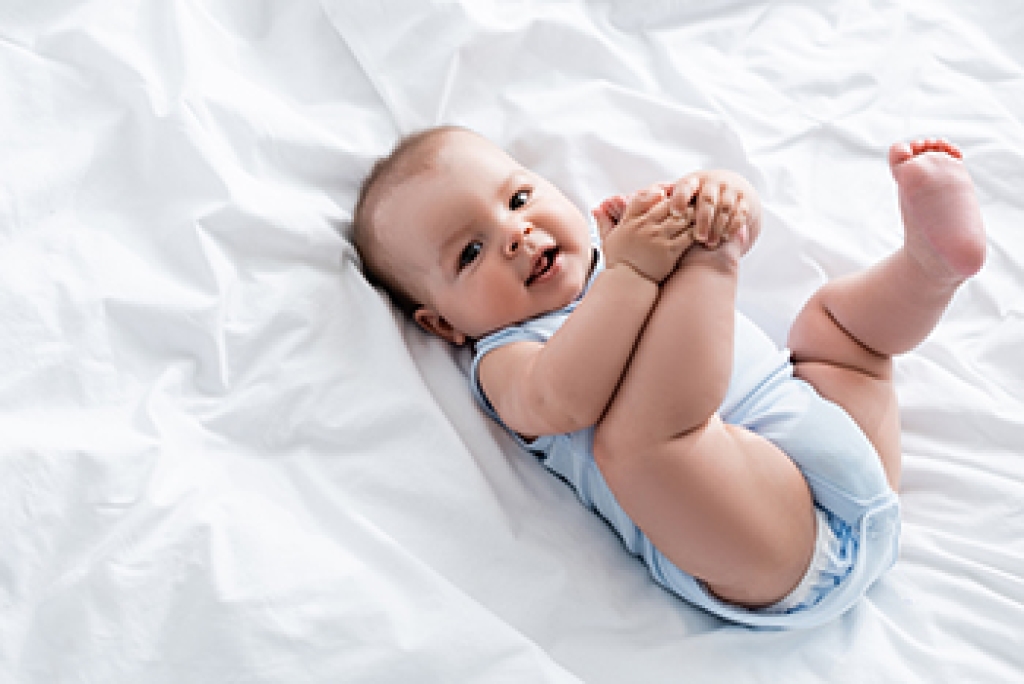
Baby’s feet are adorable and can melt your heart. Their feet are mostly made up of fatty tissue and are generally soft and pliable. At first baby’s feet may appear blue, wrinkled, and peeling, but as soon as a baby gets warm, their feet will become pink and fill out. It is important to care for a baby’s feet to make them strong enough for when they start walking. Their feet should be clean and clear of infection. Their feet should be allowed to grow, develop, and strengthen naturally. Wash and dry a baby’s feet daily. Sprinkle them with baby powder to assure they stay dry. Cut toenails straight across to ensure they do not grow into the skin. Make sure the baby has enough space to move their feet around, without being restricted. Exercise their feet by tickling their feet a bit so they can flex and stretch them. Have them wear socks versus shoes so movement is free. Examine the baby’s feet to make sure problems are not brewing. See a podiatrist for a proper evaluation and treatment if you see something amiss with your baby's feet.

The health of a child’s feet is vital to their overall well-being. If you have any questions regarding foot health, contact Andrew Katz, DPM of Allcare Foothealth Center. Our doctor can provide the care you need to keep you pain-free and on your feet.

Tips for Keeping Children's Feet Healthy

  • Make sure their shoes fit properly
  • Look for any signs of in-toeing or out-toeing
  • Check to see if they have Clubfoot (condition that affects your child’s foot and ankle, twisting the heel and toes inward) which is one of the most common nonmajor birth defects.
  • Lightly cover your baby’s feet (Tight covers may keep your baby from moving their feet freely, and could prevent normal development)
  • Allow your toddler to go shoeless (Shoes can be restricting for a young child’s foot)
  • Cut toenails straight across to avoid ingrown toenails
  • Keep your child’s foot clean and dry
  • Cover cuts and scrapes. Wash any scratches with soap and water and cover them with a bandage until they’ve healed.

If you have any questions, please feel free to contact our office located in Palmdale, CA . We offer the newest diagnostic and treatment technologies for all your foot care needs.
Read more about How to Care for Your Child's Feet

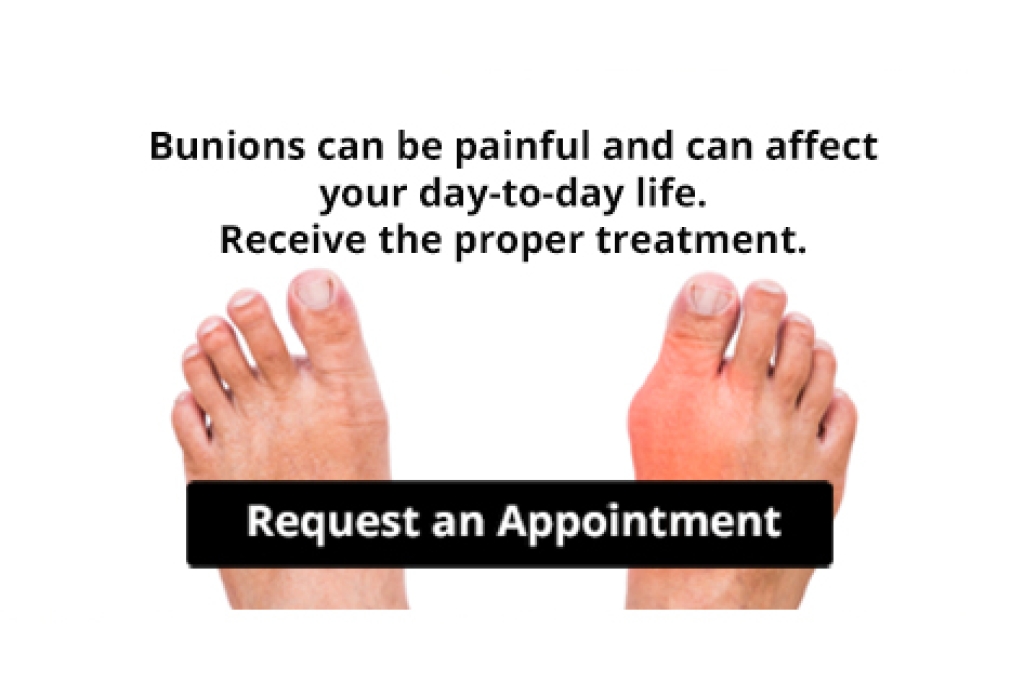
Are Bunions Affecting Your Everyday Life?

Have you noticed a bony protrusion on the side of your big toe? If so, you may have developed the foot condition known as a bunion. Don't let bunions interfere with your daily activities.

Two Types of Foot Wounds

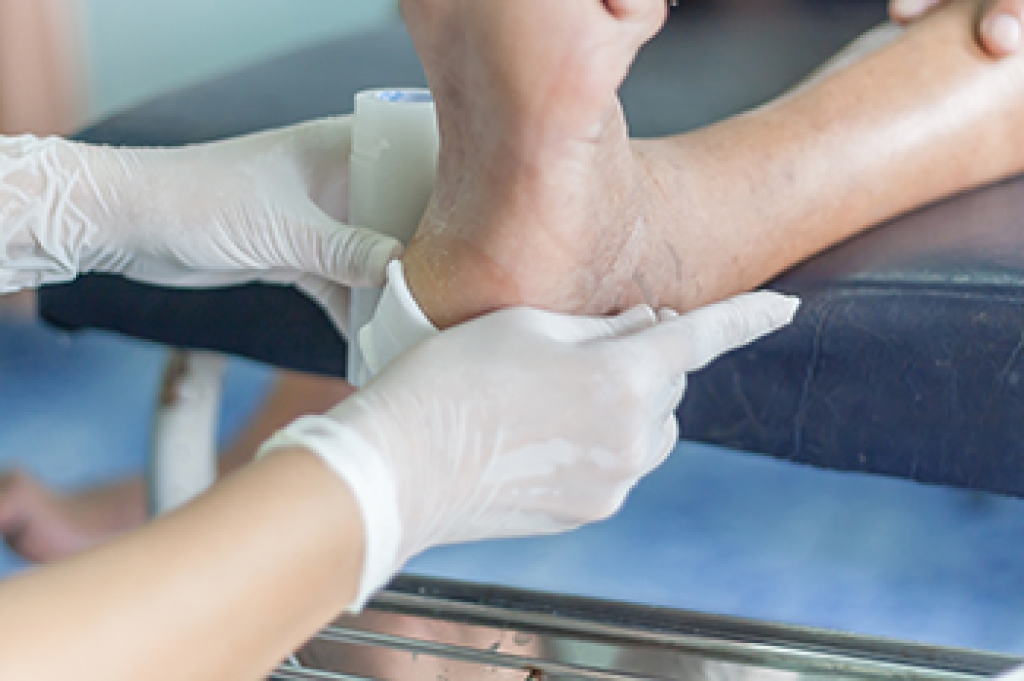
An open wound that develops on the foot can happen from an external or internal injury, which causes the tissue to become exposed to the outside environment. The two categories of wounds are classified as open or closed. The tissue damage that happens under the skin is a closed wound, and a bruise is an accurate example of this. Exposed tissue represents an open wound and can happen from a fall, surgery, or sudden trauma. Open wounds generally require prompt medical attention from a podiatrist who can stop the bleeding and clean the wound, followed by possibly treating it with antibiotics. The wound may heal faster when a proper dressing is applied and is frequently changed. If you have a wound, it is strongly advised that you contact a podiatrist who can effectively treat wounds on the feet.

Wound care is an important part in dealing with diabetes. If you have diabetes and a foot wound or would like more information about wound care for diabetics, consult with Andrew Katz, DPM from Allcare Foothealth Center. Our doctor will assess your condition and provide you with quality foot and ankle treatment.

What Is Wound Care?

Wound care is the practice of taking proper care of a wound. This can range from the smallest to the largest of wounds. While everyone can benefit from proper wound care, it is much more important for diabetics. Diabetics often suffer from poor blood circulation which causes wounds to heal much slower than they would in a non-diabetic. 

What Is the Importance of Wound Care?

While it may not seem apparent with small ulcers on the foot, for diabetics, any size ulcer can become infected. Diabetics often also suffer from neuropathy, or nerve loss. This means they might not even feel when they have an ulcer on their foot. If the wound becomes severely infected, amputation may be necessary. Therefore, it is of the upmost importance to properly care for any and all foot wounds.

How to Care for Wounds

The best way to care for foot wounds is to prevent them. For diabetics, this means daily inspections of the feet for any signs of abnormalities or ulcers. It is also recommended to see a podiatrist several times a year for a foot inspection. If you do have an ulcer, run the wound under water to clear dirt from the wound; then apply antibiotic ointment to the wound and cover with a bandage. Bandages should be changed daily and keeping pressure off the wound is smart. It is advised to see a podiatrist, who can keep an eye on it.

If you have any questions please contact our office located in Palmdale, CA . We offer the newest diagnostic and treatment technologies for all your foot and ankle needs.

Read more about Wound Care

Connect With Us