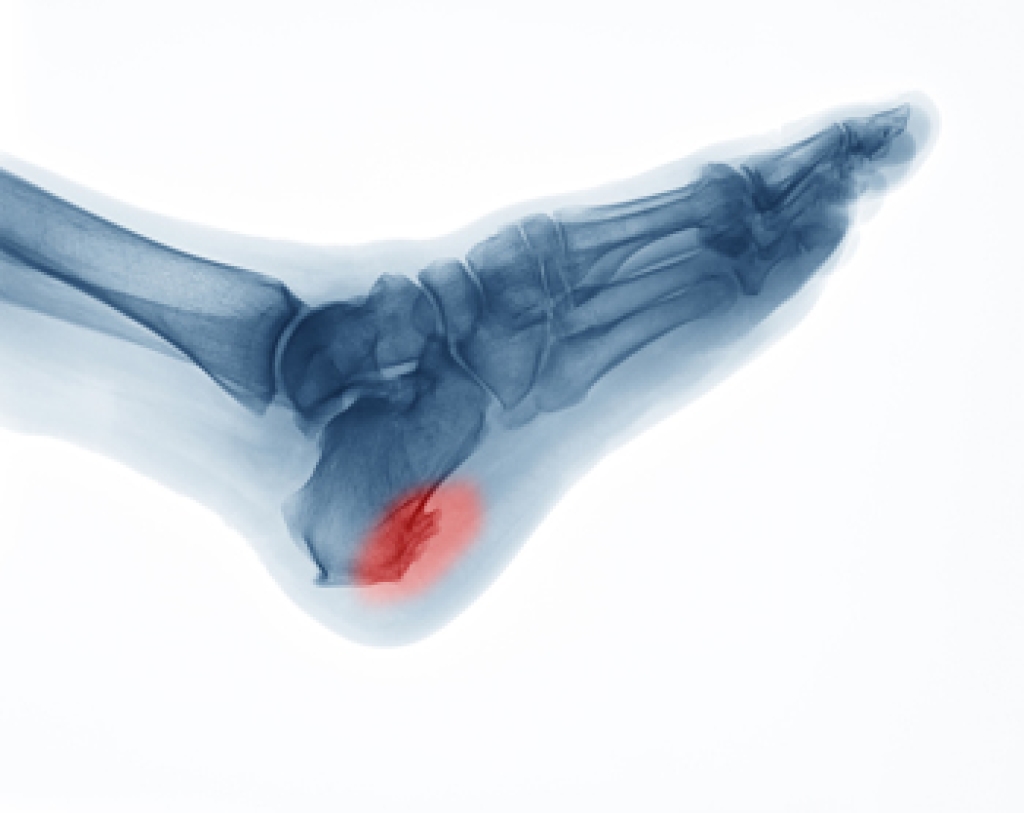
What Is a Heel Spur?

When the heel bone suffers repeated strain or irritation, the body can react by sending extra amounts of calcium to the injury site to protect it. Among the causes are poorly fitting shoes, obesity, arthritis, gait abnormalities, excessive running, and plantar fasciitis. This calcium can build up over time and cause hard, pointy deposits, known as spurs, to develop on the heel bone. Heel spurs can cause pain that may be worse in the morning or more mild and steady throughout the day. Rest or activity can trigger the pain. Heel spurs may occur along with plantar fasciitis, which may cause tenderness and inflammation as well. Not all heel spurs are painful, but those that are can be treated by a podiatrist with a variety of therapies including custom orthotics, physical therapy, cortisol injections, anti-inflammatory medications, or surgery if more conservative methods do not provide relief. 

Heel spurs can be incredibly painful and sometimes may make you unable to participate in physical activities. To get medical care for your heel spurs, contact Andrew Katz, DPM from Allcare Foothealth Center. Our doctor will do everything possible to treat your condition.

Heels Spurs

Heel spurs are formed by calcium deposits on the back of the foot where the heel is. This can also be caused by small fragments of bone breaking off one section of the foot, attaching onto the back of the foot. Heel spurs can also be bone growth on the back of the foot and may grow in the direction of the arch of the foot.

Older individuals usually suffer from heel spurs and pain sometimes intensifies with age. One of the main condition's spurs are related to is plantar fasciitis.

Pain

The pain associated with spurs is often because of weight placed on the feet. When someone is walking, their entire weight is concentrated on the feet. Bone spurs then have the tendency to affect other bones and tissues around the foot. As the pain continues, the feet will become tender and sensitive over time.

Treatments

There are many ways to treat heel spurs. If one is suffering from heel spurs in conjunction with pain, there are several methods for healing. Medication, surgery, and herbal care are some options.

If you have any questions, please feel free to contact our office located in Palmdale, CA . We offer the newest diagnostic and treatment technologies for all your foot care needs.


Read more about Heel Spurs

Do I Have Flat Feet?

The medical term for fallen arches or flat feet is known as pes planus. It is noticeable when the foot lies flat on the floor, and the arch is absent. Some patients do not have symptoms, or may experience mild pain or achiness in different parts of the leg. Most people are born with flat feet, and the arch generally forms in the teenage years. This condition may develop from genetic reasons, obesity, or possibly from a foot injury. Additionally, a dysfunction of one or more of the muscles in the foot may lead to flat feet. It is beneficial for patients who have flat feet to wear shoes that are supportive, and this may help to prevent future injuries. People who have flat feet are advised to consult with a podiatrist who can offer custom-made orthotics for relief.

Flatfoot is a condition many people suffer from. If you have flat feet, contact Andrew Katz, DPM from Allcare Foothealth Center. Our doctor will treat your foot and ankle needs.

What Are Flat Feet?

Flatfoot is a condition in which the arch of the foot is depressed and the sole of the foot is almost completely in contact with the ground. About 20-30% of the population generally has flat feet because their arches never formed during growth.

Conditions & Problems:

Having flat feet makes it difficult to run or walk because of the stress placed on the ankles.

Alignment – The general alignment of your legs can be disrupted, because the ankles move inward which can cause major discomfort.

Knees – If you have complications with your knees, flat feet can be a contributor to arthritis in that area.  

Symptoms

  • Pain around the heel or arch area
  • Trouble standing on the tip toe
  • Swelling around the inside of the ankle
  • Flat look to one or both feet
  • Having your shoes feel uneven when worn

Treatment

If you are experiencing pain and stress on the foot you may weaken the posterior tibial tendon, which runs around the inside of the ankle. 

If you have any questions, please feel free to contact our office located in Palmdale, CA . We offer the newest diagnostic and treatment technologies for all your foot care needs.

Read more about Flat Feet

Keep Your Feet Healthy So You Can Stay Active

Have your feet inspected by a professional before starting a new sport or physical activity. Taking charge of your foot health will keep you in good physical condition and can help you avoid a potential injury, such as a fracture or sprained ankle.

Prevent injuries and see a foot specialist.

What Is Peripheral Neuropathy?

Many people with diabetes, especially those over 55 years old, develop a condition known as peripheral neuropathy. It affects nerves in the outer portion of the body, rather than in the heart and central core. A common symptom of peripheral neuropathy is a feeling of pins and needles, combined with shooting pain in the feet. You may also feel a loss of balance, lack of coordination, and muscle weakness. In addition, neuropathy may also cause sores on your feet to take a long time to heal. Diabetes is thought to be a major cause of peripheral neuropathy, the result of continual high blood sugar levels that damage the nerves. Other causes include direct injury to the nerves, a viral infection (such as shingles), a side-effect of some medications, smoking, and drinking too much alcohol. If you have diabetes or are experiencing any of the above symptoms, it is a good idea to develop an ongoing relationship with a podiatrist for a diagnosis, continued monitoring, and treatment specific to your case.

Neuropathy

Neuropathy can be a potentially serious condition, especially if it is left undiagnosed. If you have any concerns that you may be experiencing nerve loss in your feet, consult with Andrew Katz, DPM from Allcare Foothealth Center. Our doctor will assess your condition and provide you with quality foot and ankle treatment for neuropathy.

What Is Neuropathy?

Neuropathy is a condition that leads to damage to the nerves in the body. Peripheral neuropathy, or neuropathy that affects your peripheral nervous system, usually occurs in the feet. Neuropathy can be triggered by a number of different causes. Such causes include diabetes, infections, cancers, disorders, and toxic substances.

Symptoms of Neuropathy Include:

  • Numbness
  • Sensation loss
  • Prickling and tingling sensations
  • Throbbing, freezing, burning pains
  • Muscle weakness

Those with diabetes are at serious risk due to being unable to feel an ulcer on their feet. Diabetics usually also suffer from poor blood circulation. This can lead to the wound not healing, infections occurring, and the limb may have to be amputated.

Treatment

To treat neuropathy in the foot, podiatrists will first diagnose the cause of the neuropathy. Figuring out the underlying cause of the neuropathy will allow the podiatrist to prescribe the best treatment, whether it be caused by diabetes, toxic substance exposure, infection, etc. If the nerve has not died, then it’s possible that sensation may be able to return to the foot.

Pain medication may be issued for pain. Electrical nerve stimulation can be used to stimulate nerves. If the neuropathy is caused from pressure on the nerves, then surgery may be necessary.

If you have any questions, please feel free to contact our office located in Palmdale, CA . We offer the newest diagnostic and treatment technologies for all your foot care needs.

Read more about Neuropathy

Simple Methods That Can Help to Prevent Falling

Falling can be a common occurrence for people who are age sixty-five years and older. It can emotionally and physically change lives, and it is important to practice fall prevention techniques. These can include having routine visual and physical examinations, monitoring blood pressure, and reviewing existing medications. Additionally, it may be necessary to alter living conditions by replacing worn rugs, improving lighting, and installing grab bars in the shower and toilet areas. It is beneficial to wear shoes that fit correctly, as this may help to reduce the number of falls. Slippery surfaces that can include hardwood floors can be minimized when rugs are used. Falling can affect the feet and can negatively impact everyday activities. If you would like more information about how to prevent falling, please schedule an appointment with a podiatrist.

Preventing falls among the elderly is very important. If you are older and have fallen or fear that you are prone to falling, consult with Andrew Katz, DPM from Allcare Foothealth Center. Our doctor will assess your condition and provide you with quality advice and care.

Every 11 seconds, an elderly American is being treated in an emergency room for a fall related injury. Falls are the leading cause of head and hip injuries for those 65 and older. Due to decreases in strength, balance, senses, and lack of awareness, elderly persons are very susceptible to falling. Thankfully, there are a number of things older persons can do to prevent falls.

How to Prevent Falls

Some effective methods that older persons can do to prevent falls include:

  • Enrolling in strength and balance exercise program to increase balance and strength
  • Periodically having your sight and hearing checked
  • Discuss any medications you have with a doctor to see if it increases the risk of falling
  • Clearing the house of falling hazards and installing devices like grab bars and railings
  • Utilizing a walker or cane
  • Wearing shoes that provide good support and cushioning
  • Talking to family members about falling and increasing awareness

Falling can be a traumatic and embarrassing experience for elderly persons; this can make them less willing to leave the house, and less willing to talk to someone about their fears of falling. Doing such things, however, will increase the likelihood of tripping or losing one’s balance. Knowing the causes of falling and how to prevent them is the best way to mitigate the risk of serious injury.  

If you have any questions, please feel free to contact our office located in Palmdale, CA . We offer the newest diagnostic and treatment technologies for all your foot care needs.

Read more about Falls Prevention

Connect With Us