
Everyday Foot Care and Professional Help

Caring for the feet begins with simple habits that keep the skin, nails, and joints healthy. Regular washing and drying helps maintain good skin condition, while properly trimmed nails reduce irritation and discomfort. Supportive shoes that fit well can ease strain on the arches and lessen fatigue during daily activities. Paying attention to changes such as new soreness, swelling, or areas of pressure is also important, as these signs can reveal early trouble long before a major problem develops. A podiatrist becomes important when foot pain does not ease, when walking becomes difficult, or when changes in the nails or skin progress despite basic care. Persistent heel pain, repeated ankle issues, numbness, or wounds that do not improve all deserve professional attention. If any of these concerns affect your comfort or mobility, it is suggested that you see a podiatrist for effective treatment solutions.

Everyday foot care is very important to prevent infection and other foot ailments. If you need your feet checked, contact Andrew Katz, DPM from Allcare Foothealth Center. Our doctor can provide the care you need to keep you pain-free and on your feet.

Everyday Foot Care

Often, people take care of their bodies, face and hair more so than they do for their feet. But the feet are a very important aspect of our bodies, and one that we should pay more attention to. Without our feet, we would not be able to perform most daily tasks.

It is best to check your feet regularly to make sure there are no new bruises or cuts that you may not have noticed before. For dry feet, moisturizer can easily be a remedy and can be applied as often as necessary to the affected areas. Wearing shoes that fit well can also help you maintain good foot health, as well as making it easier to walk and do daily activities without the stress or pain of ill-fitting shoes, high heels, or even flip flops. Wearing clean socks with closed shoes is important to ensure that sweat and bacteria do not accumulate within the shoe. Clean socks help to prevent Athlete’s foot, fungi problems, bad odors, and can absorb sweat.

If you have any questions, please feel free to contact our office located in Palmdale, CA . We offer the newest diagnostic and treatment technologies for all your foot care needs.


Read more about Everyday Foot Care

Plantar Fasciitis and How to Find Relief

Plantar fasciitis is a common condition that affects the thick band of tissue on the bottom of the foot that supports the arch. It often occurs when this tissue becomes irritated from overuse, wearing improper footwear, or standing for long periods of time. Risk factors include high arches, flat feet, tight calf muscles, and increased activity. Symptoms include heel pain, stiffness, and discomfort that is often worse in the morning or after rest. A podiatrist can identify the cause, provide targeted treatment, recommend supportive footwear, and guide stretching and strengthening routines to ease strain on the heel. Heel pain can be painful, and may affect daily activities. If this applies to you, it is suggested that you consult a podiatrist who can accurately diagnose and treat what may be going on.

Plantar fasciitis is a common foot condition that is often caused by a strain injury. If you are experiencing heel pain or symptoms of plantar fasciitis, contact Andrew Katz, DPM from Allcare Foothealth Center. Our doctor can provide the care you need to keep you pain-free and on your feet.

What Is Plantar Fasciitis?

Plantar fasciitis is one of the most common causes of heel pain. The plantar fascia is a ligament that connects your heel to the front of your foot. When this ligament becomes inflamed, plantar fasciitis is the result. If you have plantar fasciitis you will have a stabbing pain that usually occurs with your first steps in the morning. As the day progresses and you walk around more, this pain will start to disappear, but it will return after long periods of standing or sitting.

What Causes Plantar Fasciitis?

  • Excessive running
  • Having high arches in your feet
  • Other foot issues such as flat feet
  • Pregnancy (due to the sudden weight gain)
  • Being on your feet very often

There are some risk factors that may make you more likely to develop plantar fasciitis compared to others. The condition most commonly affects adults between the ages of 40 and 60. It also tends to affect people who are obese because the extra pounds result in extra stress being placed on the plantar fascia.

Prevention

  • Take good care of your feet – Wear shoes that have good arch support and heel cushioning.
  • Maintain a healthy weight
  • If you are a runner, alternate running with other sports that won’t cause heel pain

There are a variety of treatment options available for plantar fasciitis along with the pain that accompanies it. Additionally, physical therapy is a very important component in the treatment process. It is important that you meet with your podiatrist to determine which treatment option is best for you.

If you have any questions, please feel free to contact our office located in Palmdale, CA . We offer the newest diagnostic and treatment technologies for all your foot care needs.
 

Read more about Plantar Fasciitis

Understanding the Causes and Symptoms of Swollen Feet

Swollen feet can develop for many reasons and often signal an underlying issue that needs attention. Common causes include prolonged standing, injuries that lead to inflammation, and venous insufficiency where blood struggles to return to the heart. More serious health concerns such as heart or kidney disease can also contribute to fluid buildup in the feet and ankles. Symptoms may include puffiness, tight skin, discomfort, or reduced mobility. A podiatrist can evaluate the cause, provide targeted treatment, and recommend strategies to reduce swelling and improve circulation. If you notice frequent or persistent swelling in your feet, it is suggested that you schedule a visit with a podiatrist for expert care and appropriate relief options.

Swollen feet can be a sign of an underlying condition. If you have any concerns, contact Andrew Katz, DPM of Allcare Foothealth Center. Our doctor can provide the care you need to keep you pain-free and on your feet.

Swollen feet are a common ailment among pregnant women and people who stand or sit for extended periods. Aging may increase the possibility of swollen feet and patients who are obese often notice when their feet are swelling too. There may be medical reasons why swollen feet occur:

  • Phlebitis - A condition that causes the veins to become inflamed and can also cause leg pain.
  • Liver disease - This may lead to low blood levels of albumin which is a protein. This can cause fluid in the blood to pass into the tissues and several areas of the body can become swollen.
  • Heart failure - When the heart doesn’t pump properly the blood that is normally pumped back to the heart can pool in the veins of the legs causing swollen feet.
  • Kidney disease - One of the main functions of the kidneys is releasing excess fluid in the body. This type of condition can make it difficult for the kidneys to function properly, and as a result the feet may become swollen.
  • Deep-vein thrombosis (DVT)- This is a serious condition where blood clots form in the veins of the legs. They can block the return of blood from the legs to the heart which may cause the feet to swell. It is important to be treated by a podiatrist if this condition is present.

Swollen feet can also be caused by bone and tendon conditions, including fractures, arthritis, and tendinitis. Additionally, there may be skin and toenail conditions and an infection may cause the feet to swell. Patients who take medicine to treat high blood pressure may be prone to getting swollen feet. 

Many patients elevate their feet to help relieve the swelling and this is generally a temporary remedy. When a podiatrist is consulted the reason behind the swelling can be uncovered and subsequently treated.

If you have any questions please contact our office located in Palmdale, CA . We offer the newest diagnostic and treatment technologies for all your foot and ankle needs.

Read more about Swelling of the Feet

Types of Ankle Sprains

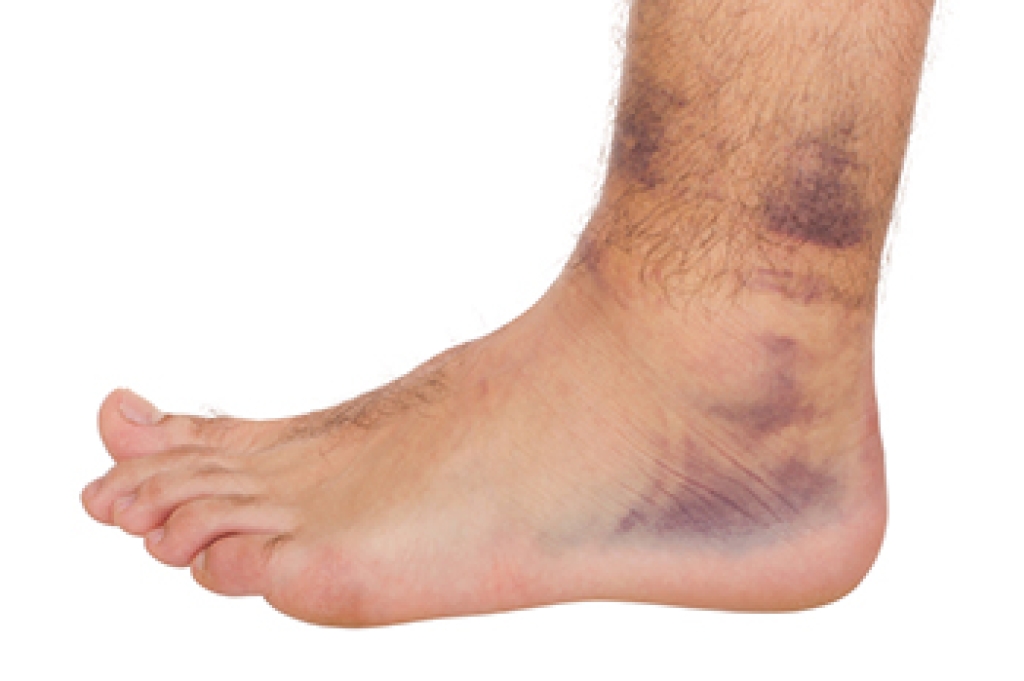
An ankle sprain is a common injury that occurs when the ligaments supporting the ankle stretch or tear. The two main types are inversion sprains, which happen when the foot rolls inward and affect the ligaments on the outer ankle, and eversion sprains, which occur when the foot rolls outward and strain the inner ligaments. These injuries often result from sudden twisting motions, uneven surfaces, sports activities, or missteps. Symptoms may include pain, swelling, bruising, and difficulty bearing weight. A podiatrist can assess the severity of the sprain, provide targeted treatment, and create a rehabilitation plan to restore strength and stability. If you think you have sprained your ankle, it is suggested that you consult a podiatrist who can offer you effective treatment solutions to ensure proper healing. 

Ankle sprains are common but need immediate attention. If you need your feet checked, contact Andrew Katz, DPM from Allcare Foothealth Center. Our doctor can provide the care you need to keep you pain-free and on your feet.

How Does an Ankle Sprain Occur?

Ankle sprains take place when the ligaments in your ankle are torn or stretched beyond their limits. There are multiple ways that the ankle can become injured, including twisting or rolling over onto your ankle, putting undue stress on it, or causing trauma to the ankle itself.

What Are the Symptoms?

  • Mild to moderate bruising
  • Limited mobility
  • Swelling
  • Discoloration of the skin (depending on severity)

Preventing a Sprain

  • Wearing appropriate shoes for the occasion
  • Stretching before exercises and sports
  • Knowing your limits

Treatment of a Sprain

Treatment of a sprain depends on the severity.  Many times, people are told to rest and remain off their feet completely, while others are given an air cast. If the sprain is very severe, surgery may be required.

If you have suffered an ankle sprain previously, you may want to consider additional support such as a brace and regular exercises to strengthen the ankle.

If you have any questions please feel free to contact our office located in Palmdale, CA . We offer the newest diagnostic tools and technology to treat your foot and ankle needs.

Read more about Three Grades of Ankle Sprains

Plantar Warts Can Be Treated!

Plantar warts are small growths that develop on parts of the feet that bear weight. They're typically found on the bottom of the foot. Don't live with plantar warts, and call us today!

Connect With Us