Does My Ankle Fracture Need Surgery?

An ankle fracture can happen from suddenly twisting your ankle. This can happen from falling, or possibly from stepping off of a curb unexpectedly. The ankle ligaments may be affected, and surgery may be needed for permanent repair. A surgical benefit can consist of putting the bones back together in proper formation for proper healing. When this is done correctly, treatment can begin by using a walker or cast. During ankle surgery, the broken bones will be exposed on the inner and outside of the ankle. Screws and plates may be used to permanently hold the bones together, and  can generally take several weeks to recover. After an appropriate time has passed, it is beneficial to perform specific exercises that can help to strengthen the ankle after surgery. Recovery typically begins with resting the affected ankle on a pillow, and it may help to keep it elevated which can diminish existing swelling. If you have broken your ankle, it is strongly suggested that you contact a podiatrist who can offer you correct treatment options, which may include surgery.

Foot surgery is sometimes necessary to treat a foot ailment. To learn more, contact Andrew Katz, DPM of Allcare Foothealth Center. Our doctor will assist you with all of your foot and ankle needs.

When Is Surgery Necessary?

Foot and ankle surgery is generally reserved for cases in which less invasive, conservative procedures have failed to alleviate the problem. Some of the cases in which surgery may be necessary include:

  • Removing foot deformities like bunions and bone spurs
  • Severe arthritis that has caused bone issues
  • Cosmetic reconstruction

What Types of Surgery Are There?

The type of surgery you receive will depend on the nature of the problem you have. Some of the possible surgeries include:

  • Bunionectomy for painful bunions
  • Surgical fusion for realignment of bones
  • Neuropathy decompression surgery to treat nerve damage

Benefits of Surgery

Although surgery is usually a last resort, it can provide more complete pain relief compared to non-surgical methods and may allow you to finally resume full activity.

Surgical techniques have also become increasingly sophisticated. Techniques like endoscopic surgery allow for smaller incisions and faster recovery times.

If you have any questions, please feel free to contact our office located in Palmdale, CA . We offer the newest diagnostic and treatment technologies for all your foot care needs.

Read more about Foot and Ankle Surgery

What Causes a Hammertoe?

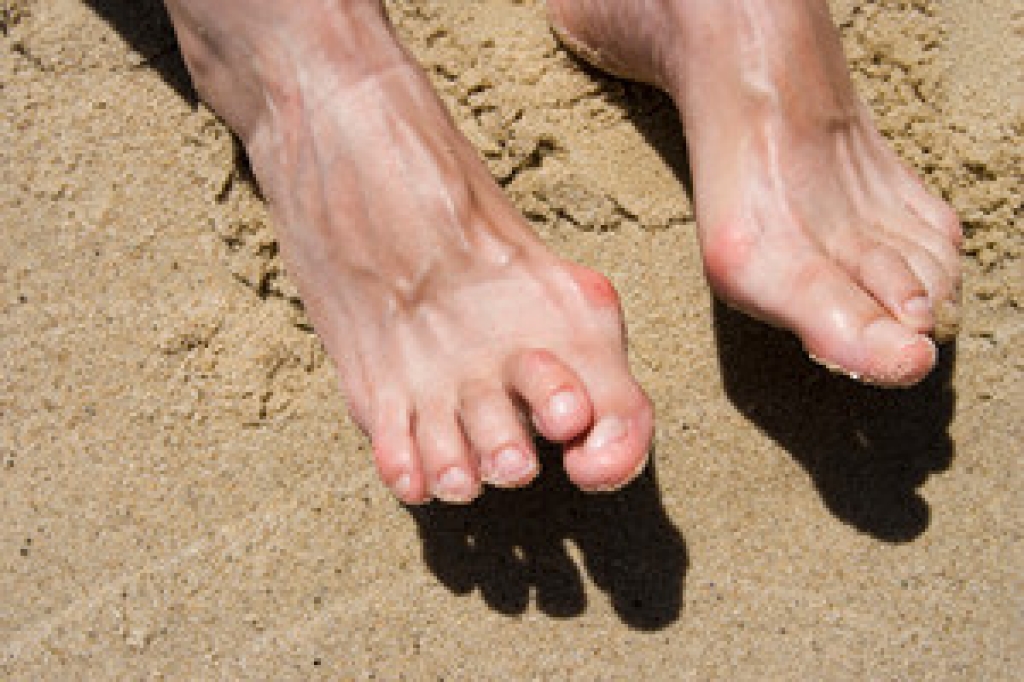
A hammertoe is a common deformity where a toe bends upward at the middle joint and gets stuck in that position. The top of the toe bends forward so it looks like a hammer. As time passes, the joint may get more rigidly bent and it can be painful and possibly lead to difficulty in walking and maintaining balance. Hammertoes can be inherited, with those with flatter feet and longer metatarsals (or middle bones of the feet) being more at risk. They can also be associated with a medical condition, such as diabetes. However, most often hammertoes develop from an imbalance within the toe structure. Usually something that forces extra weight to be put on the forefoot and toes (like tight shoes or high heels) can lead to hammertoes. The small muscles on the bottom of the foot get weaker than the larger muscles on the top of the foot and the toe does not bend or flex. Early detection and conservative treatment can help prevent the need for hammertoe surgery. Such intervention can be as simple as changing footwear to providing extra room for the toes, avoiding narrow, tight, and heeled shoes, using custom orthotics to off-load extra weight and strain towards the forefoot.  If you suffer from a hammertoe, it is suggested you consult with a podiatrist to find the best treatment plan. 

Hammertoe

Hammertoes can be a painful condition to live with. For more information, contact Andrew Katz, DPM from Allcare Foothealth Center. Our doctor will answer any of your foot- and ankle-related questions.

Hammertoe is a foot deformity that affects the joints of the second, third, fourth, or fifth toes of your feet. It is a painful foot condition in which these toes curl and arch up, which can often lead to pain when wearing footwear.

Symptoms

  • Pain in the affected toes
  • Development of corns or calluses due to friction
  • Inflammation
  • Redness
  • Contracture of the toes

Causes

Genetics – People who are genetically predisposed to hammertoe are often more susceptible

Arthritis – Because arthritis affects the joints in your toes, further deformities stemming from arthritis can occur

Trauma – Direct trauma to the toes could potentially lead to hammertoe

Ill-fitting shoes – Undue pressure on the front of the toes from ill-fitting shoes can potentially lead to the development of hammertoe

Treatment

Orthotics – Custom made inserts can be used to help relieve pressure placed on the toes and therefore relieve some of the pain associated with it

Medications – Oral medications such as anti-inflammatories or NSAIDs could be used to treat the pain and inflammation hammertoes causes. Injections of corticosteroids are also sometimes used

Surgery – In more severe cases where the hammertoes have become more rigid, foot surgery is a potential option

If you have any questions, please feel free to contact our office located in Palmdale, CA . We offer the newest diagnostic and treatment technologies for all your foot care needs.

Read more about What Are Hammertoes?

Foot Pain May Come From a Lack of Awareness

Foot pain is common among people worldwide and it can happen from neglect, improper care, and lack of awareness. A common foot condition known as a bunion can develop from wearing shoes that do not have adequate room in the toe area. Many people wear orthotics which may help to redistribute the weight of the foot and can possibly reduce pain too. Corns are caused by excess friction from wearing shoes and socks that are too tight. Relief may be found when a protective pad is worn over the corn and larger shoes are purchased. The arthritic condition called gout generally causes severe pain and discomfort and results due to excess uric acid in the joints of the big toe. Many people change their diet by eliminating red meat and shellfish which may help to prevent gout attacks. Patients who have been afflicted with plantar warts may be familiar with the pain that this ailment can cause. It is a hardened area of skin that is found on the bottom of the foot and grows inward. It is considered to be contagious and is caused by a fungus. If you are experiencing any type of foot pain, it is strongly advised that you are under the care of a podiatrist who can help you with the correct treatment methods.

Foot Pain

Foot pain can be extremely painful and debilitating. If you have a foot pain, consult with Andrew Katz, DPM from Allcare Foothealth Center. Our doctor will assess your condition and provide you with quality foot and ankle treatment.

Causes

Foot pain is a very broad condition that could be caused by one or more ailments. The most common include:

  • Bunions
  • Hammertoes
  • Plantar Fasciitis
  • Bone Spurs
  • Corns
  • Tarsal Tunnel Syndrome
  • Ingrown Toenails
  • Arthritis (such as Gout, Rheumatoid, and Osteoarthritis)
  • Flat Feet
  • Injury (from stress fractures, broken toe, foot, ankle, Achilles tendon ruptures, and sprains)
  • And more

Diagnosis

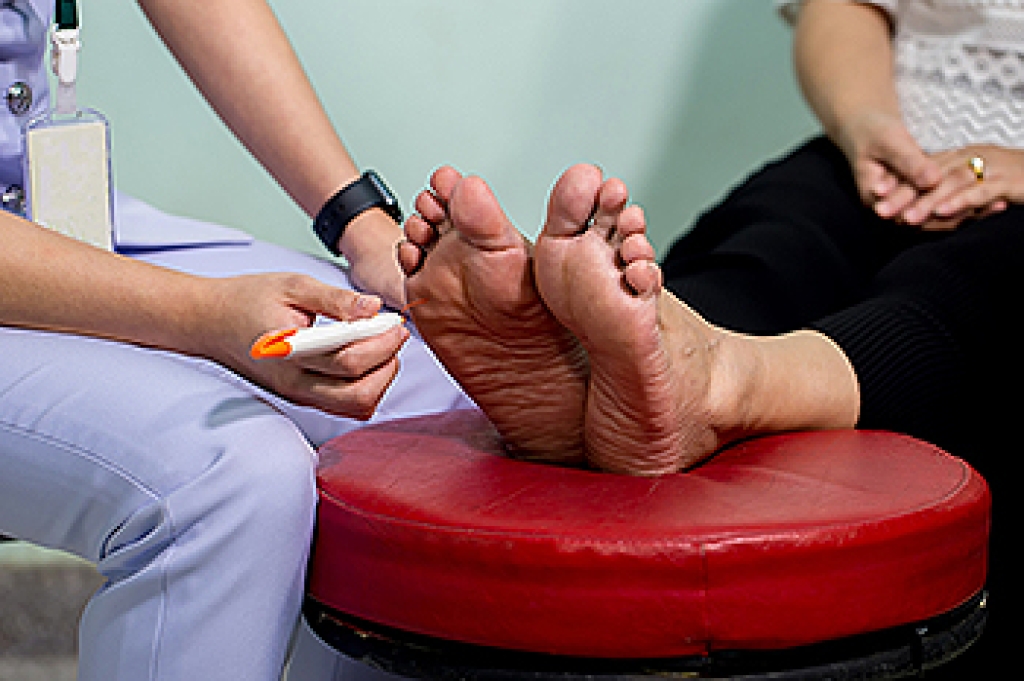
To figure out the cause of foot pain, podiatrists utilize several different methods. This can range from simple visual inspections and sensation tests to X-rays and MRI scans. Prior medical history, family medical history, and any recent physical traumatic events will all be taken into consideration for a proper diagnosis.

Treatment

Treatment depends upon the cause of the foot pain. Whether it is resting, staying off the foot, or having surgery; podiatrists have a number of treatment options available for foot pain.

If you have any questions, please feel free to contact our office located in Palmdale, CA . We offer the newest diagnostic and treatment technologies for all your foot care needs.
Read more about Foot Pain

We Can Treat Your Foot or Ankle Pain

Foot or ankle pain can negatively affect your day-to-day life and can occur due to several different conditions. Pain can also be an indicator of a more serious underlying condition, which is why you should seek professional help as soon as you notice any abnormalities in your feet.

Suggested Foot Care for Diabetics

Diabetics who have long battled with high blood sugar levels are top candidates for foot problems that develop because of nerve damage and constricted blood flow to the feet and toes. These conditions often cause numbness that makes it difficult for the diabetic to detect hot and cold sensations, notice sores on their feet, and feel pressure from shoes that are too tight. Practicing foot care is a must for diabetics. Suggested tasks include checking for cuts, sores, wounds that don’t seem to be healing, calluses, corns, and cracks in the skin. These can all develop into ulcers that may cause serious problems, such as gangrene or even amputation, if ignored. Other measures include keeping the feet washed, thoroughly dried, and moisturized daily. Also, groom toenails properly by cutting them, or having them cut, straight across to prevent ingrown toenails that may invite infection. Protect your feet by wearing socks that are clean and dry and try to avoid walking barefoot.  Anyone with diabetes would be wise to make regular visits to a podiatrist, who can evaluate their feet and keep current with necessary treatment options. 

Diabetic foot care is important in preventing foot ailments such as ulcers. If you are suffering from diabetes or have any other concerns about your feet, contact Andrew Katz, DPM from Allcare Foothealth Center. Our doctor can provide the care you need to keep you pain-free and on your feet.

Diabetic Foot Care

Diabetes affects millions of people every year. The condition can damage blood vessels in many parts of the body, especially the feet. Because of this, taking care of your feet is essential if you have diabetes, and having a podiatrist help monitor your foot health is highly recommended.

The Importance of Caring for Your Feet

  • Routinely inspect your feet for bruises or sores.
  • Wear socks that fit your feet comfortably.
  • Wear comfortable shoes that provide adequate support.

Patients with diabetes should have their doctor monitor their blood levels, as blood sugar levels play such a huge role in diabetic care. Monitoring these levels on a regular basis is highly advised.

It is always best to inform your healthcare professional of any concerns you may have regarding your feet, especially for diabetic patients. Early treatment and routine foot examinations are keys to maintaining proper health, especially because severe complications can arise if proper treatment is not applied.

If you have any questions, please feel free to contact our office located in Palmdale, CA . We offer the newest diagnostic and treatment technologies for all your foot care needs.

Read more about How to Care for Diabetic Foot

Connect With Us