All About Ankle Sprains

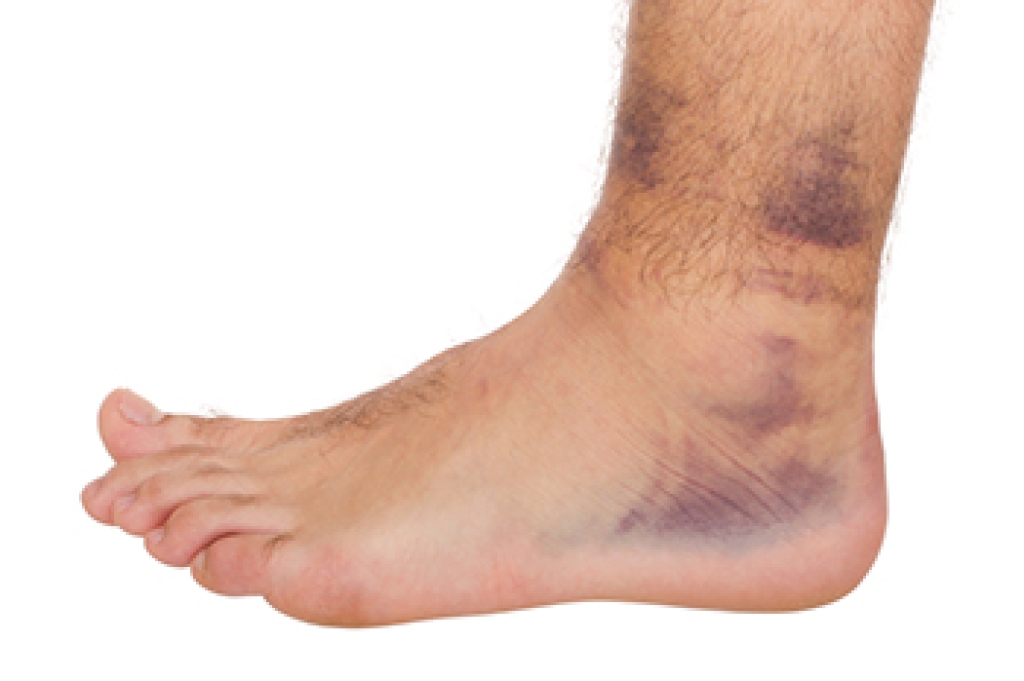
The ankle is fortified by ligaments that serve to prevent bone displacement. An ankle sprain occurs when these ligaments stretch or tear beyond their normal range. The severity of sprains ranges from minor stretching to partial ligament tears, and finally complete ligament ruptures. Symptoms of ankle sprains include pain, swelling, bruising, stiffness, and sometimes numbness. While mild sprains usually resolve within weeks, moderate to severe cases may persist for up to a year. Ankle sprains frequently stem from physical activities or uneven surfaces, particularly affecting individuals with weak muscles or high arches. Diagnosis requires a podiatrist's examination and may include X-rays or MRI scans to assess ligament damage. Higher-grade sprains may call for immobilization with casts, boots, or braces, followed by stretching and strengthening exercises. Living with a sprained ankle must be taken seriously to avoid reinjuring the joint because this can easily evolve into a chronic condition. For help dealing with ankle sprains, it is suggested that you make an appointment with a podiatrist who can offer treatment options. 

Although ankle sprains are common, they aren’t always minor injuries. If you need your ankle injury looked at, contact Andrew Katz, DPM from Allcare Foothealth Center. Our doctor can provide the care you need to keep you pain-free and on your feet.

How Does an Ankle Sprain Occur?

Ankle sprains are the result of a tear in the ligaments within the ankle. These injuries may happen when you make a rapid shifting movement while your foot is planted. A less common way to sprain your ankle is when your ankle rolls inward while your foot turns outward.

What Are the Symptoms?

  • Pain at the sight of the tear
  • Bruising/Swelling
  • Ankle area is tender to touch
  • In severe cases, may hear/feel something tear
  • Skin discoloration

Preventing a Sprain

  • Wearing appropriate shoes for the occasion
  • Stretching before exercises and sports
  • Knowing your limits

Treatment of a Sprain

In many cases, the RICE method (Rest, Ice, Compression, and Elevate) is used to treat ankle sprains. However, you should see a podiatrist to see which treatment option would work best with your injury. In severe cases, surgery may be required.

It is important to ask your doctor about rehab options after you receive treatment for your injury. Stretching, strength training, and balance exercises may help the ankle heal while also preventing further injury.

If you have any questions, please feel free to contact our office located in Palmdale, CA . We offer the newest diagnostic and treatment technologies for all your foot care needs.

Read more about Ankle Sprains

Nurturing the Feet Is Essential for Diabetic Patients

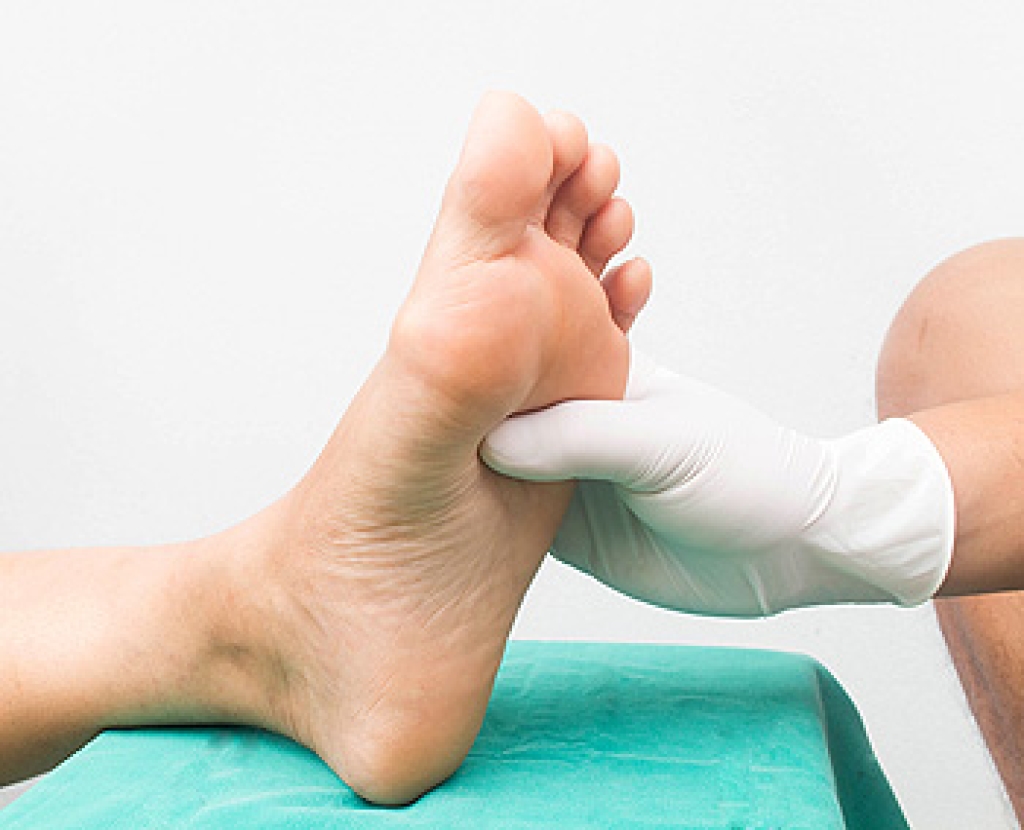
For individuals living with diabetes, maintaining foot care takes on paramount importance. Elevated blood sugar levels can lead to nerve damage and reduced blood flow in the feet, making them vulnerable to infections and slow healing. Regularly inspecting the feet for any cuts, blisters, or sores, can help to prevent infections. It is helpful to moisturize the feet but avoid applying lotion between the toes. Wearing well-fitting shoes made from breathable materials may help to ensure maximum comfort. It is beneficial to choose seamless socks that can prevent friction. Trimming the nails straight across can help to avoid ingrown nails, and elevating the feet while sitting may promote healthy circulation. Prioritizing your foot health is crucial to having a comfortable and active life with diabetes. If you have diabetes, it is strongly suggested that you are under the care of a podiatrist who can help you to manage this serious condition.

Diabetic foot care is important in preventing foot ailments such as ulcers. If you are suffering from diabetes or have any other concerns about your feet, contact Andrew Katz, DPM from Allcare Foothealth Center. Our doctor can provide the care you need to keep you pain-free and on your feet.

Diabetic Foot Care

Diabetes affects millions of people every year. The condition can damage blood vessels in many parts of the body, especially the feet. Because of this, taking care of your feet is essential if you have diabetes, and having a podiatrist help monitor your foot health is highly recommended.

The Importance of Caring for Your Feet

  • Routinely inspect your feet for bruises or sores.
  • Wear socks that fit your feet comfortably.
  • Wear comfortable shoes that provide adequate support.

Patients with diabetes should have their doctor monitor their blood levels, as blood sugar levels play such a huge role in diabetic care. Monitoring these levels on a regular basis is highly advised.

It is always best to inform your healthcare professional of any concerns you may have regarding your feet, especially for diabetic patients. Early treatment and routine foot examinations are keys to maintaining proper health, especially because severe complications can arise if proper treatment is not applied.

If you have any questions, please feel free to contact our office located in Palmdale, CA . We offer the newest diagnostic and treatment technologies for all your foot care needs.

Read more about Diabetic Foot Conditions

 Maintaining Ankle Support as a Dancer

To keep ankles strong and avoid dance injuries, it is important to take good care of them. Ankle problems can make it hard to move and do activities that use the legs. Dancing can be especially tough on ankles because of the energetic moves and jumps often involved. This can lead to issues like Achilles tendonitis, sprains, shin splints, and heel spurs. Pushing too hard can also hurt the ligaments, making ankles less flexible and painful. To prevent this, dancers can follow some good habits for healthy ankles. Warming up before dancing helps the muscles prepare for action. Moving the foot like drawing the alphabet can get blood flowing and make ankles more prepared. Practicing balance by standing on one foot for a minute can make ankles stronger and improve posture. Wearing ankle weights can be helpful for building strength and using ankle supports or braces can reduce pressure and keep ankles steady during dance. Watching one’s weight is also important because too much can harm the ankles. If you are a dancer and want to maintain the support of your ankles, it is suggested that you make an appointment with a podiatrist to discuss additional methods for good ankle care.

Ankle pain can be caused by a number of problems and may be potentially serious. If you have ankle pain, consult with Andrew Katz, DPM from Allcare Foothealth Center. Our doctor will assess your condition and provide you with quality foot and ankle treatment.

Ankle pain is any condition that causes pain in the ankle. Due to the fact that the ankle consists of tendons, muscles, bones, and ligaments, ankle pain can come from a number of different conditions.

Causes

The most common causes of ankle pain include:

  • Types of arthritis (rheumatoid, osteoarthritis, and gout)
  • Ankle sprains
  • Broken ankles
  • Achilles tendonitis
  • Achilles tendon rupture
  • Stress fractures
  • Bursitis
  • Tarsal tunnel syndrome
  • Plantar fasciitis

Symptoms

Symptoms of ankle injury vary based upon the condition. Pain may include general pain and discomfort, swelling, aching, redness, bruising, burning or stabbing sensations, and/or loss of sensation.

Diagnosis

Due to the wide variety of potential causes of ankle pain, podiatrists will utilize a number of different methods to properly diagnose ankle pain. This can include asking for personal and family medical histories and of any recent injuries. Further diagnosis may include sensation tests, a physical examination, and potentially x-rays or other imaging tests.

Treatment

Just as the range of causes varies widely, so do treatments. Some more common treatments are rest, ice packs, keeping pressure off the foot, orthotics and braces, medication for inflammation and pain, and surgery.

If you have any questions please feel free to contact our office located in Palmdale, CA . We offer the newest diagnostic tools and technology to treat your foot and ankle needs.

Read more about Various Causes of Ankle Pain

Reminder: When Was the Last Time...?

Custom orthotics, or shoe inserts, should be periodically replaced. Orthotics must fit properly to give you the best results. Protect your feet and ankles!

Sesamoiditis and Big Toe Pain

Sesamoiditis is a condition that affects the sesamoid bones, which are located under the base of the big toe. These bones, enclosed within tendons, can become inflamed due to an acute injury or chronic overuse. Other possible causes of this affliction include stress fractures, infection, or autoimmune disorders. Symptoms often include pain during walking, or when forcefully pulling the big toe upwards, causing pressure on the sesamoid bones. Relief may come from wearing shoes with adequate cushioning, using shoe inserts or orthotics, rest, and taking anti-inflammatory medication. If more conservative treatments are not successful, surgery may be an option. If you have pain in your big toe, it is suggested that you make an appointment with a podiatrist for a proper diagnosis and treatment.

Sesamoiditis is an unpleasant foot condition characterized by pain in the balls of the feet. If you think you’re struggling with sesamoiditis, contact Andrew Katz, DPM of Allcare Foothealth Center. Our doctor will treat your condition thoroughly and effectively.

Sesamoiditis

Sesamoiditis is a condition of the foot that affects the ball of the foot. It is more common in younger people than it is in older people. It can also occur with people who have begun a new exercise program, since their bodies are adjusting to the new physical regimen. Pain may also be caused by the inflammation of tendons surrounding the bones. It is important to seek treatment in its early stages because if you ignore the pain, this condition can lead to more serious problems such as severe irritation and bone fractures.

Causes of Sesamoiditis

  • Sudden increase in activity
  • Increase in physically strenuous movement without a proper warm up or build up
  • Foot structure: those who have smaller, bonier feet or those with a high arch may be more susceptible

Treatment for sesamoiditis is non-invasive and simple. Doctors may recommend a strict rest period where the patient forgoes most physical activity. This will help give the patient time to heal their feet through limited activity. For serious cases, it is best to speak with your doctor to determine a treatment option that will help your specific needs.

If you have any questions, please feel free to contact our office located in Palmdale, CA . We offer the newest diagnostic and treatment technologies for all your foot care needs.

Read more about Sesamoiditis

Connect With Us