Warning Signs From Your Feet

The condition of your feet can offer valuable insights into your overall health. For instance, if your feet are persistently cold, it may signal hypothyroidism, a condition that slows your metabolism. Yellow toenails may be a sign of lymphedema or respiratory issues. Persistent yellowing warrants a visit to a podiatrist for a diagnosis and treatment options. Painful foot cramps can result from dehydration or nutrient deficiencies. It is a good idea to stay hydrated, maintain a balanced diet, and consider drinking low-calorie sports drinks with electrolytes to prevent and relieve foot cramps. An enlarged, painful big toe may indicate gout. This is a form of arthritis that often affects the big toe. It results from an overabundance of purines in the system and can cause flare ups of extreme pain, swelling, and redness in the big toe. Reducing the risk of gout involves moderating alcohol intake and avoiding red meat and seafood consumption. If you are experiencing unusual types of foot problems, or suspect you may have gout, it is suggested that you make an appointment with a podiatrist for a full diagnosis and treatment options.

Everyday foot care is very important to prevent infection and other foot ailments. If you need your feet checked, contact Andrew Katz, DPM from Allcare Foothealth Center. Our doctor can provide the care you need to keep you pain-free and on your feet.

Everyday Foot Care

Often, people take care of their bodies, face and hair more so than they do for their feet. But the feet are a very important aspect of our bodies, and one that we should pay more attention to. Without our feet, we would not be able to perform most daily tasks.

It is best to check your feet regularly to make sure there are no new bruises or cuts that you may not have noticed before. For dry feet, moisturizer can easily be a remedy and can be applied as often as necessary to the affected areas. Wearing shoes that fit well can also help you maintain good foot health, as well as making it easier to walk and do daily activities without the stress or pain of ill-fitting shoes, high heels, or even flip flops. Wearing clean socks with closed shoes is important to ensure that sweat and bacteria do not accumulate within the shoe. Clean socks help to prevent Athlete’s foot, fungi problems, bad odors, and can absorb sweat.

If you have any questions, please feel free to contact our office located in Palmdale, CA . We offer the newest diagnostic and treatment technologies for all your foot care needs.

Read more about Everyday Foot Care

Developmental Milestones and Children’s Feet

Children's feet go through remarkable transformations, shifting from their spongy, soft state in the pre-crawling phase, to rapidly growing during their initial years. As children move into the crawling stage, their feet become more delicate, and soft, protective footwear is suggested. When they take their first steps, the need for proper walking shoes arises, given the fast bone development. Entering pre-school, kids are more active, necessitating diverse shoe styles. By school age, feet have evolved significantly, and shoes should be sought for increased activity. To ensure the well-being of your child's developing feet and proper shoes for each milestone achieved, it is suggested that you make an appointment with a podiatrist for guidance on proper foot care that will benefit them throughout life.

Making sure that your children maintain good foot health is very important as they grow. If you have any questions, contact Andrew Katz, DPM of Allcare Foothealth Center. Our doctor can provide the care you need to keep you pain-free and on your feet.

Keeping Children's Feet Healthy

Having healthy feet during childhood can help prevent medical problems later in life, namely in the back and legs. As children grow, their feet require different types of care. Here are some things to consider...

Although babies do not walk yet, it is still very important to take care of their feet.

Avoid putting tight shoes or socks on his or her feet.

Allow the baby to stretch and kick his or her feet to feel comfortable.

As a toddler, kids are now on the move and begin to develop differently. At this age, toddlers are getting a feel for walking, so don’t be alarmed if your toddler is unsteady or ‘walks funny’. 

As your child gets older, it is important to teach them how to take care of their feet.

Show them proper hygiene to prevent infections such as fungus.

Be watchful for any pain or injury.

Have all injuries checked by a doctor as soon as possible.

Comfortable, protective shoes should always be worn, especially at play.

If you have any questions, please feel free to contact our office located in Palmdale, CA . We offer the newest diagnostic and treatment technologies for all your foot care needs.
Read more about What to Do to Keep Your Child’s Feet Healthy

All You Need to Know About Athlete’s Foot

Athlete's foot, also known as tinea pedis, is a skin infection caused by dermatophytes, a type of mold-like fungi. These fungi naturally reside in the skin folds of the foot and generally remain in check if the foot is kept clean and dry. However, conditions like wearing tight, closed shoes or plastic footwear can create a warm, moist environment that promotes fungal growth. The two main fungi responsible for athlete's foot are trichophyton rubrum, which causes moccasin-like lesions and tends to be chronic, and trichophyton mentagrophytes, causing sudden, severe blister-like lesions between the toes. Both conditions are contagious and can be spread through direct skin-to-skin contact or indirectly via contaminated objects like towels, shoes, or wet floors. The risk of contracting athlete's foot increases with age and is higher among those with weakened immune systems. If you have athlete’s foot, it is strongly suggested that you make an appointment with a podiatrist for treatment.

Athlete’s Foot

Athlete’s foot is often an uncomfortable condition to experience. Thankfully, podiatrists specialize in treating athlete’s foot and offer the best treatment options. If you have any questions about athlete’s foot, consult with Andrew Katz, DPM from Allcare Foothealth Center. Our doctor will assess your condition and provide you with quality treatment.

What Is Athlete’s Foot?

Tinea pedis, more commonly known as athlete’s foot, is a non-serious and common fungal infection of the foot. Athlete’s foot is contagious and can be contracted by touching someone who has it or infected surfaces. The most common places contaminated by it are public showers, locker rooms, and swimming pools. Once contracted, it grows on feet that are left inside moist, dark, and warm shoes and socks.

Prevention

The most effective ways to prevent athlete’s foot include:

  • Thoroughly washing and drying feet
  • Avoid going barefoot in locker rooms and public showers
  • Using shower shoes in public showers
  • Wearing socks that allow the feet to breathe
  • Changing socks and shoes frequently if you sweat a lot

Symptoms

Athlete’s foot initially occurs as a rash between the toes. However, if left undiagnosed, it can spread to the sides and bottom of the feet, toenails, and if touched by hand, the hands themselves. Symptoms include:

  • Redness
  • Burning
  • Itching
  • Scaly and peeling skin

Diagnosis and Treatment

Diagnosis is quick and easy. Skin samples will be taken and either viewed under a microscope or sent to a lab for testing. Sometimes, a podiatrist can diagnose it based on simply looking at it. Once confirmed, treatment options include oral and topical antifungal medications.

If you have any questions, please feel free to contact our office located in Palmdale, CA . We offer the newest diagnostic and treatment technologies for all your foot care needs.
Read more about Athlete's Foot

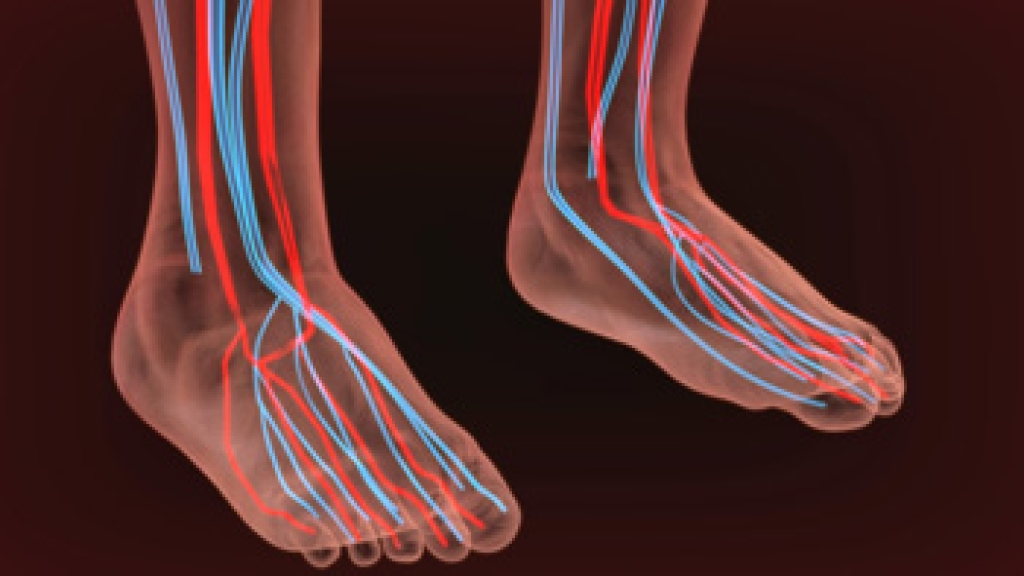
Causes and Symptoms of Poor Circulation in the Feet

Poor circulation in the feet can be a distressing issue that affects both your comfort and overall health. Several factors can contribute to this condition. One primary cause is atherosclerosis, a buildup of plaque in the arteries that restricts blood flow. Diabetes can lead to neuropathy and arterial damage, resulting in circulatory problems. Additionally, smoking damages blood vessels, reducing circulation. Peripheral artery disease narrows the arteries, often causing discomfort. Blood clots, such as deep vein thrombosis, can obstruct blood flow. Symptoms of poor circulation in the feet include cold feet, numbness, tingling, and muscle cramps. Skin discoloration, slow wound healing, and the development of leg ulcers are also common signs.  Addressing the underlying causes and adopting a healthier lifestyle can improve circulation and overall well-being. Poor circulation is a serious condition that can affect the feet. If you suffer from this condition, it is strongly suggested that you visit a podiatrist who can guide you toward treatment options and relief.

While poor circulation itself isn’t a condition; it is a symptom of another underlying health condition you may have. If you have any concerns with poor circulation in your feet contact Andrew Katz, DPM of Allcare Foothealth Center. Our doctor will treat your foot and ankle needs.

Poor Circulation in the Feet

Peripheral artery disease (PAD) can potentially lead to poor circulation in the lower extremities. PAD is a condition that causes the blood vessels and arteries to narrow. In a linked condition called atherosclerosis, the arteries stiffen up due to a buildup of plaque in the arteries and blood vessels. These two conditions can cause a decrease in the amount of blood that flows to your extremities, therefore resulting in pain.

Symptoms

Some of the most common symptoms of poor circulation are:

  • Numbness
  • Tingling
  • Throbbing or stinging pain in limbs
  • Pain
  • Muscle Cramps

Treatment for poor circulation often depends on the underlying condition that causes it. Methods for treatment may include insulin for diabetes, special exercise programs, surgery for varicose veins, or compression socks for swollen legs.

As always, see a podiatrist as he or she will assist in finding a regimen that suits you. A podiatrist can also prescribe you any needed medication. 

If you have any questions, please feel free to contact our office located in Palmdale, CA . We offer the newest diagnostic and treatment technologies for all your foot care needs.

Read more about Causes, Symptoms, and Treatment of Poor Blood Circulation in the Feet

Heel Pain in the Morning?

Heel pain can negatively affect your day-to-day life. Simple activities like walking can become incredibly uncomfortable or painful due to heel pain.

Don’t live with heel pain and get treated.

Connect With Us