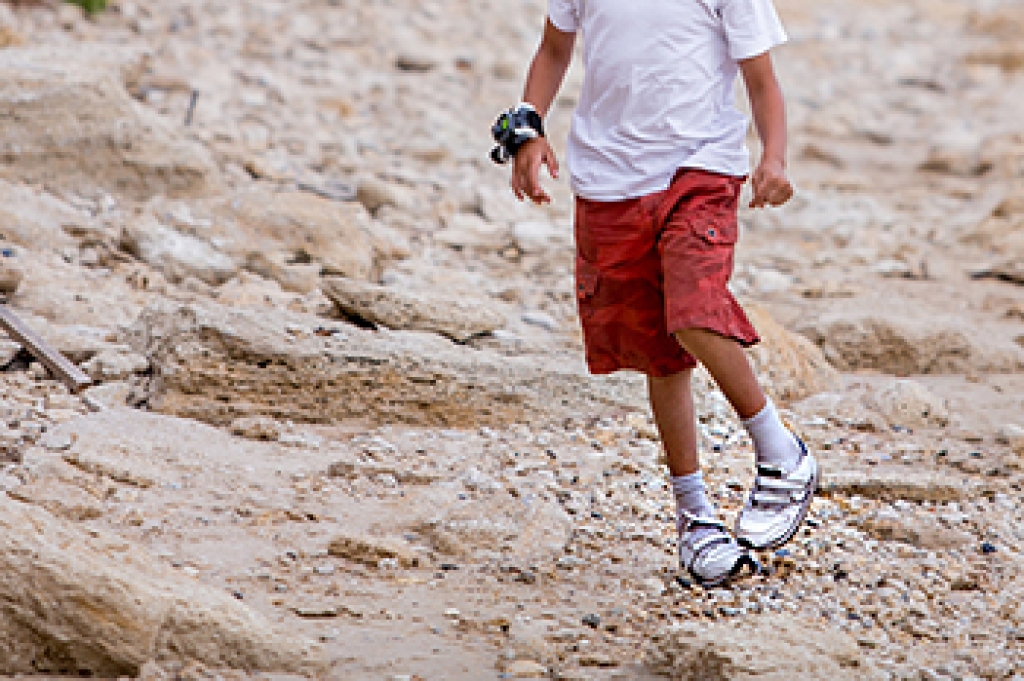
Congenital Foot Anomalies

Toe defects can be present at birth, known as congenital anomalies. These can range from incomplete formation to extra toes. One cause could be amniotic band syndrome, where strands from the amniotic sac entangle around the fetus, restricting growth. Polydactyly refers to toes, which can be fully functional or just a flesh nub. Syndactyly involves webbing or fusion of toes. In simple cases, only soft tissues are fused, but in complex cases, bones are also fused. These defects can also be part of genetic syndromes such as Apert syndrome. Diagnosis often involves ultrasounds before birth and X-rays after birth. Genetic testing may also be done, particularly if other family members have similar issues or a genetic syndrome is suspected. Treatment usually involves surgery to correct the defect or remove extra digits. Prosthetics may be used for missing toes. If your child has been born with extra toes, it is suggested that you make an appointment with a podiatrist as quickly as possible for the best treatment for your child that will help ensure growing up with little to no impact on their mobility.

Congenital foot problems require immediate attention to avoid future complications. If you have any concerns, contact Andrew Katz, DPM of Allcare Foothealth Center. Our doctor can provide the care you need to keep you pain-free and on your feet.

Congenital foot problems are deformities affecting the feet, toes, and/or ankles that children are born with. Some of these conditions have a genetic cause while others just happen. Some specific foot ailments that children may be born with include clubfeet, polydactyly/macrodactyly, and cleft foot. There are several other foot anomalies that can occur congenitally. What all of these conditions have in common is that a child may experience difficulty walking or performing everyday activities, as well as trouble finding footwear that fits their foot deformity. Some of these conditions are more serious than others. Consulting with a podiatrist as early as possible will help in properly diagnosing a child’s foot condition while getting the necessary treatment underway.

What are Causes of Congenital Foot Problem?

A congenital foot problem is one that happens to a child at birth. These conditions can be caused by a genetic predisposition, developmental or positional abnormalities during gestation, or with no known cause.

What are Symptoms of Congenital Foot Problems?

Symptoms vary by the congenital condition. Symptoms may consist of the following:

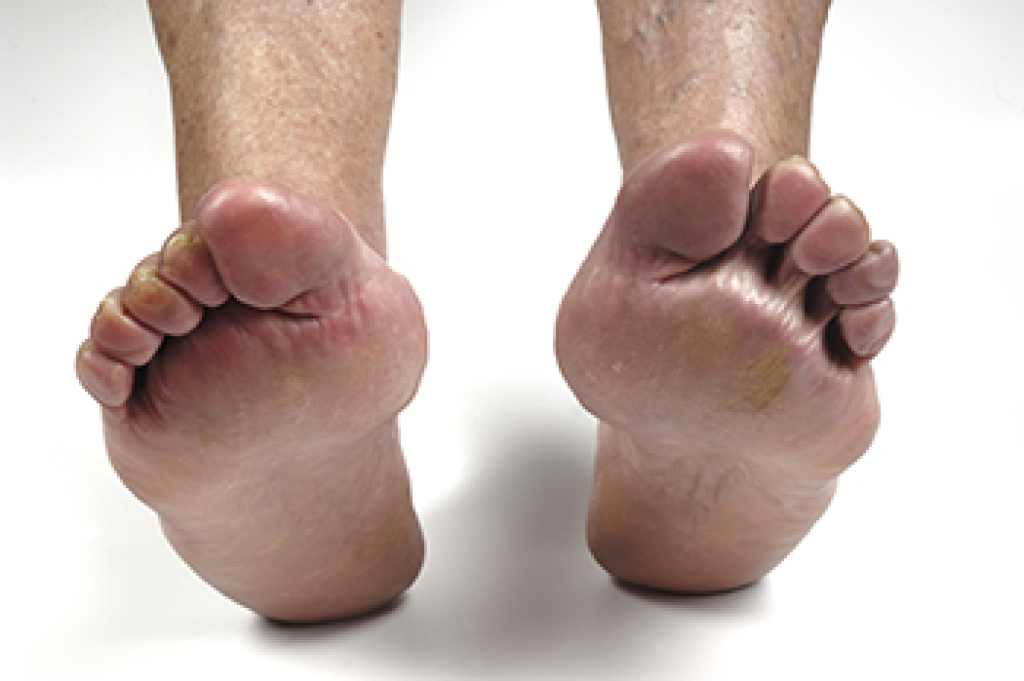
  • Clubfoot, where tendons are shortened, bones are shaped differently, and the Achilles tendon is tight, causing the foot to point in and down. It is also possible for the soles of the feet to face each other.
  • Polydactyly, which usually consists of a nubbin or small lump of tissue without a bone, a toe that is partially formed but has no joints, or an extra toe.
  • Vertical talus, where the talus bone forms in the wrong position causing other bones in the foot to line up improperly, the front of the foot to point up, and the bottom of the foot to stiffen, with no arch, and to curve out.
  • Tarsal coalition, when there is an abnormal connection of two or more bones in the foot leading to severe, rigid flatfoot.
  • Cleft foot, where there are missing toes, a V-shaped cleft, and other anatomical differences.
  • Macrodactyly, when the toes are abnormally large due to overgrowth of the underlying bone or soft tissue.

Treatment and Prevention

While there is nothing one can do to prevent congenital foot problems, raising awareness and receiving neonatal screenings are important. Early detection by taking your child to a podiatrist leads to the best outcome possible.

If you have any questions, please feel free to contact our office located in Palmdale, CA . We offer the newest diagnostic and treatment technologies for all your foot care needs.
Read more about Congenital Foot Problems

Various Causes of Foot Pain

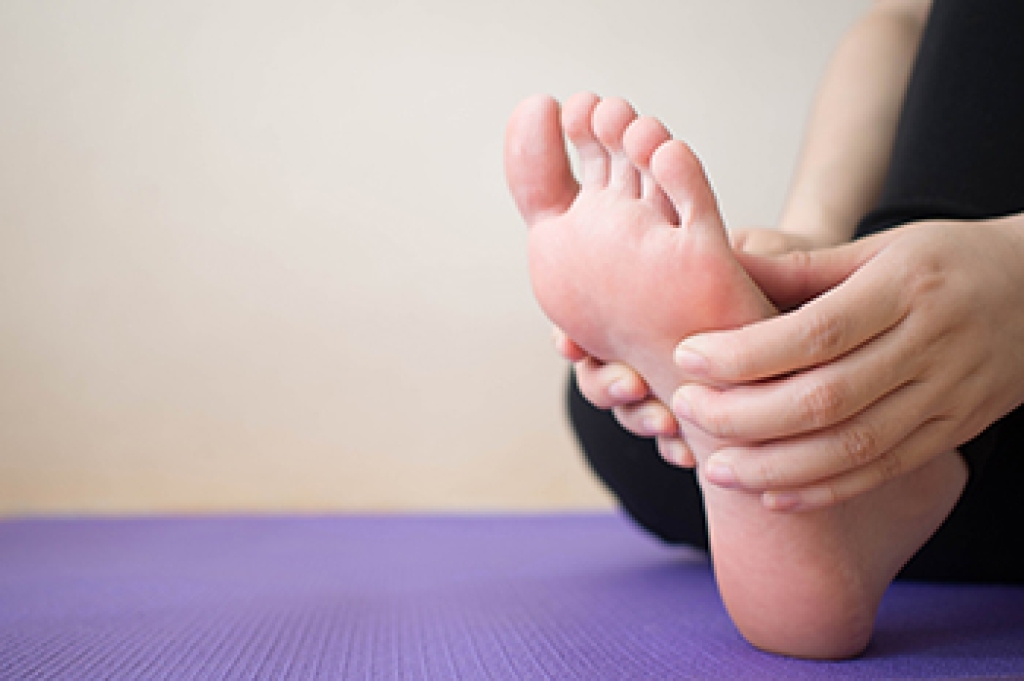
Foot pain can be a significant discomfort that affects people of all ages and lifestyles. It is essential to understand that various factors can contribute to this common ailment. One common culprit is wearing improper footwear. Ill-fitting shoes or those lacking proper arch support can lead to a range of foot problems, ranging from bunions to plantar fasciitis. Overuse and excessive physical activity can also strain the feet, leading to pain. Athletes, in particular, are susceptible to conditions such as stress fractures and Achilles tendonitis due to repetitive movements. Certain medical conditions, such as arthritis or diabetes, can result in chronic foot pain, as they affect joint health and circulation. Additionally, age related changes, which can include reduced fat padding in the feet, may lead to discomfort, especially while walking or standing for extended periods. Addressing foot pain often requires a multifaceted approach, including wearing proper footwear, rest, and sometimes medical intervention. By recognizing the various causes, individuals can take proactive steps to alleviate foot pain and maintain healthy, pain-free feet. If you have any type of foot pain, it is strongly suggested that you contact a podiatrist as quickly as possible who can determine what the cause is, and offer treatment methods that are right for you. 

Foot Pain

Foot pain can be extremely painful and debilitating. If you have a foot pain, consult with Andrew Katz, DPM from Allcare Foothealth Center. Our doctor will assess your condition and provide you with quality foot and ankle treatment.

Causes

Foot pain is a very broad condition that could be caused by one or more ailments. The most common include:

  • Bunions
  • Hammertoes
  • Plantar Fasciitis
  • Bone Spurs
  • Corns
  • Tarsal Tunnel Syndrome
  • Ingrown Toenails
  • Arthritis (such as Gout, Rheumatoid, and Osteoarthritis)
  • Flat Feet
  • Injury (from stress fractures, broken toe, foot, ankle, Achilles tendon ruptures, and sprains)
  • And more

Diagnosis

To figure out the cause of foot pain, podiatrists utilize several different methods. This can range from simple visual inspections and sensation tests to X-rays and MRI scans. Prior medical history, family medical history, and any recent physical traumatic events will all be taken into consideration for a proper diagnosis.

Treatment

Treatment depends upon the cause of the foot pain. Whether it is resting, staying off the foot, or having surgery; podiatrists have a number of treatment options available for foot pain.

If you have any questions, please feel free to contact our office located in Palmdale, CA . We offer the newest diagnostic and treatment technologies for all your foot care needs.
Read more about Foot Pain

Causes and Relief Solutions For Flat Feet Pain

Flat feet, also known as fallen arches, can be a source of persistent discomfort and pain for many individuals. This common condition occurs when the arches of the feet collapse, causing the entire sole to make contact with the ground. Understanding the root causes of flat feet pain is the first step toward finding effective solutions. One primary cause of flat feet pain is genetics. If you have a family history of flat feet, you are more likely to develop them. Additionally, injuries or overuse can contribute to the development of flat feet over time. Obesity and pregnancy can also put excess strain on the arches, exacerbating the condition. The good news is that flat feet pain can often be managed and relieved. Wearing footwear with proper arch support can significantly reduce discomfort. Stretching and strengthening exercises may help improve foot and leg muscle function, offering relief from pain associated with flat feet. In more severe cases, medical intervention or surgery may be considered. If you have flat feet, it is suggested that you consult a podiatrist who may prescribe custom orthotic inserts, which can provide tailored support.

Flatfoot is a condition many people suffer from. If you have flat feet, contact Andrew Katz, DPM from Allcare Foothealth Center. Our doctor will treat your foot and ankle needs.

What Are Flat Feet?

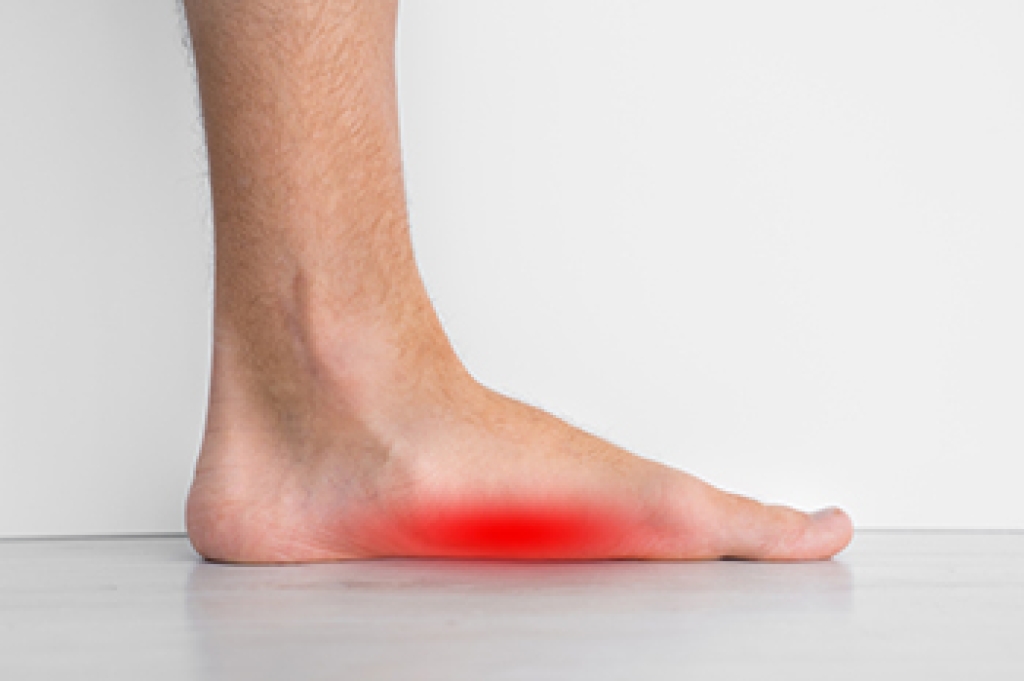
Flatfoot is a condition in which the arch of the foot is depressed and the sole of the foot is almost completely in contact with the ground. About 20-30% of the population generally has flat feet because their arches never formed during growth.

Conditions & Problems:

Having flat feet makes it difficult to run or walk because of the stress placed on the ankles.

Alignment – The general alignment of your legs can be disrupted, because the ankles move inward which can cause major discomfort.

Knees – If you have complications with your knees, flat feet can be a contributor to arthritis in that area.  

Symptoms

  • Pain around the heel or arch area
  • Trouble standing on the tip toe
  • Swelling around the inside of the ankle
  • Flat look to one or both feet
  • Having your shoes feel uneven when worn

Treatment

If you are experiencing pain and stress on the foot you may weaken the posterior tibial tendon, which runs around the inside of the ankle. 

If you have any questions, please feel free to contact our office located in Palmdale, CA . We offer the newest diagnostic and treatment technologies for all your foot care needs.

Read more about Flat Feet

Ways Arthritis Affects the Toes

Arthritis is an inflammatory condition that can have a profound impact on joints in the body, including the toes. The two forms of arthritis that affect the toes are osteoarthritis and rheumatoid arthritis. Osteoarthritis is often a result of wear and tear on the joints, where the protective cartilage at the ends of bones gradually deteriorates. When this occurs in the toes, it can lead to pain, stiffness, and a reduced range of motion. Walking and performing everyday tasks can become difficult. In contrast, rheumatoid arthritis is an autoimmune disorder in which the immune system mistakenly attacks the joints, including those in the toes. This autoimmune response triggers inflammation and swelling, and can even lead to deformities in the affected toes. Over time, the toe joints may suffer significant damage, further diminishing their functionality. This may cause chronic pain and mobility issues that can affect overall foot health. Basic activities such as walking, standing, or even wearing certain types of shoes can become challenging and painful. To address these issues effectively, it's suggested that you make an appointment with a podiatrist. This foot doctor can provide an accurate diagnosis, create a personalized treatment plan, and offer advice on managing symptoms. 

Arthritis can be a difficult condition to live with. If you are seeking treatment, contact Andrew Katz, DPM from Allcare Foothealth Center. Our doctor can provide the care you need to keep you pain-free and on your feet.

Arthritic Foot Care  

Arthritis is a joint disorder that involves the inflammation of different joints in your body, such as those in your feet. Arthritis is often caused by a degenerative joint disease and causes mild to severe pain in all affected areas. In addition to this, swelling and stiffness in the affected joints can also be a common symptom of arthritis.

In many cases, wearing ill-fitting shoes can worsen the effects and pain of arthritis. Wearing shoes that have a lower heel and extra room can help your feet feel more comfortable. In cases of rheumatoid arthritis, the arch in your foot may become problematic. Buying shoes with proper arch support that contour to your feet can help immensely.

Alleviating Arthritic Pain

  • Exercises that stretch the foot can prevent further pain and injury and increase mobility
  • Most of the pain can be alleviated with anti-inflammatory drugs, heat, and topical medications
  • Massages can help temporarily alleviate pain.

It is best to see your doctor for the treatment that is right for your needs and symptoms. Conditions vary, and a podiatrist can help you determine the right method of care for your feet.

If you have any questions please feel free to contact our office located in Palmdale, CA . We offer the newest diagnostic tools and technology to treat your foot and ankle needs.

Read more about Arthritic Foot Care

Let the Expert Treat Your Ingrown Toenails

Ingrown toenails can be painful and can make wearing shoes or walking uncomfortable. Seek professional help if you believe you've developed an ingrown toenail and be treated safely. 

Connect With Us