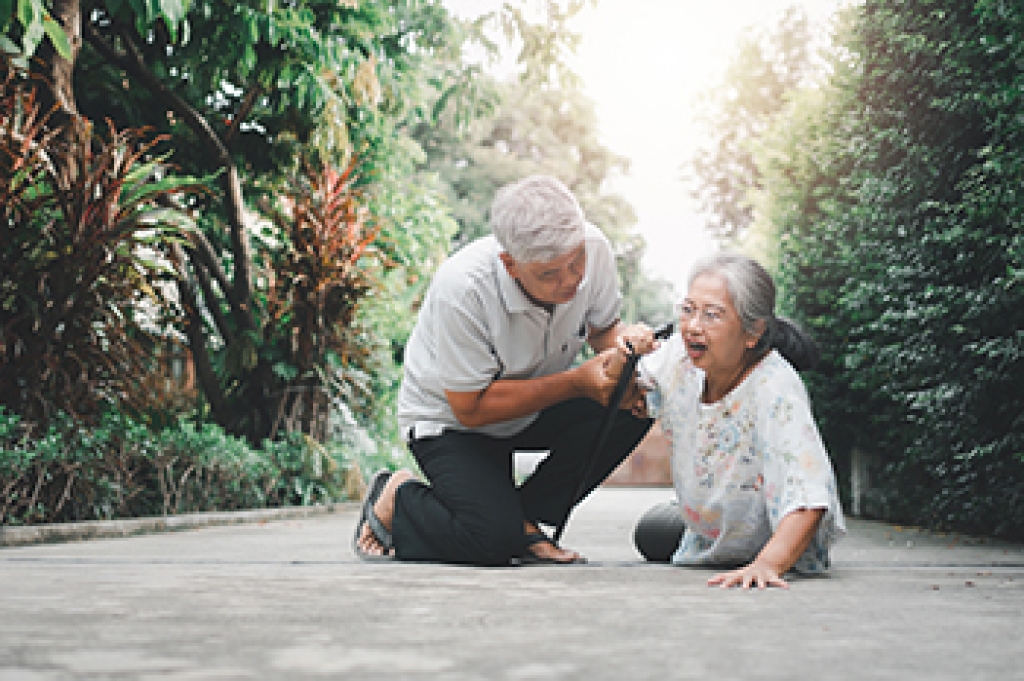
Awareness May Prevent Falling

There are various reasons why falling may occur. One reason may be a lack of awareness of surroundings, and this can happen from a lack of sleep. The general health of the body may also contribute to the act of falling, which may determine the reaction speed. Getting adequate sleep may enhance the ability to avoid a fall, in addition to having a healthy and strong body. This is especially true of the feet, which can propel the body to stand up after a fall and maintain balance. Effective fall prevention methods can include regular physical and eye examinations. This can be helpful in updating existing medications and eyeglasses. Taking supplements daily may possibly have a positive effect on the brain and nervous system, in addition to having increased awareness. If you would like more knowledge about fall prevention techniques, it is suggested that you consult with a podiatrist who can offer you the correct information.

Preventing falls among the elderly is very important. If you are older and have fallen or fear that you are prone to falling, consult with Andrew Katz, DPM from Allcare Foothealth Center. Our doctor will assess your condition and provide you with quality advice and care.

Every 11 seconds, an elderly American is being treated in an emergency room for a fall related injury. Falls are the leading cause of head and hip injuries for those 65 and older. Due to decreases in strength, balance, senses, and lack of awareness, elderly persons are very susceptible to falling. Thankfully, there are a number of things older persons can do to prevent falls.

How to Prevent Falls

Some effective methods that older persons can do to prevent falls include:

  • Enrolling in strength and balance exercise program to increase balance and strength
  • Periodically having your sight and hearing checked
  • Discuss any medications you have with a doctor to see if it increases the risk of falling
  • Clearing the house of falling hazards and installing devices like grab bars and railings
  • Utilizing a walker or cane
  • Wearing shoes that provide good support and cushioning
  • Talking to family members about falling and increasing awareness

Falling can be a traumatic and embarrassing experience for elderly persons; this can make them less willing to leave the house, and less willing to talk to someone about their fears of falling. Doing such things, however, will increase the likelihood of tripping or losing one’s balance. Knowing the causes of falling and how to prevent them is the best way to mitigate the risk of serious injury.  

If you have any questions, please feel free to contact our office located in Palmdale, CA . We offer the newest diagnostic and treatment technologies for all your foot care needs.


Read more about Falls Prevention

Working on the Feet While Pregnant

Due to the nature of their employment, many people across the country must spend the vast majority of the workday standing on their feet. This could potentially pose problems for pregnant women. Specifically, pregnant women who stand for the entire workday may notice poor circulation in their feet, in addition to increased swelling, or edema. If you are a pregnant woman and must stand for long periods of time during the workday, it is wise to consider taking breaks throughout the day to sit down. Perhaps you may consider resting for 15-minute intervals. Keeping yourself hydrated may also be helpful, and it is beneficial to refrain from drinking caffeinated beverages. If you are pregnant and working on your feet, it is suggested that you schedule an appointment with a podiatrist for helpful relief tactics.  

While working on the feet, it is important to take the proper care of them. For more information about working on your feet, contact Andrew Katz, DPM from Allcare Foothealth Center. Our doctor will treat your foot and ankle needs.

Working on Your Feet

Standing on your feet for long periods of time can cause stress and pain in your feet. Your whole body may experience change in terms of posture, back pain, bunions, callouses and or plantar warts. There are ways to avoid these conditions with proper foot care, smart choices and correct posture.

Positive Changes

Negative heeled shoe – Choosing this shoe type places the heel slightly lower than the ball of the foot. These are great for overall foot health. Find shoes that fit you correctly.

Go barefoot – Our feet were not designed to be enclosed for all hours of the day. Try to periodically expose your feet to air.

Eliminate Pain

Foot Exercises – Performing simple exercises, incorporating yoga and doing stretches are beneficial. This will allow increased blood flow to the area and muscles of the foot.

Achilles tendon – Stretching the foot out flat on the floor will relax the calf muscles and tendon. These exercises can be performed almost anywhere. Make sure you add these exercises to your daily regimen. 

With a little bit of this information and knowing more about foot health, you will notice changes. Foot stretches and proper footwear will help with pain and prevent further issues.

If you have any questions please contact our office located in Palmdale, CA . We offer the newest diagnostic and treatment technologies for all your foot and ankle needs.

Read more about Working on Your Feet

Do Your Child's Feet Hurt?

Have your child's feet been examined lately? Healthy feet are happy feet. If your child is complaining of foot pain, it may be a sign of underlying problems.

Who Gets Gout?

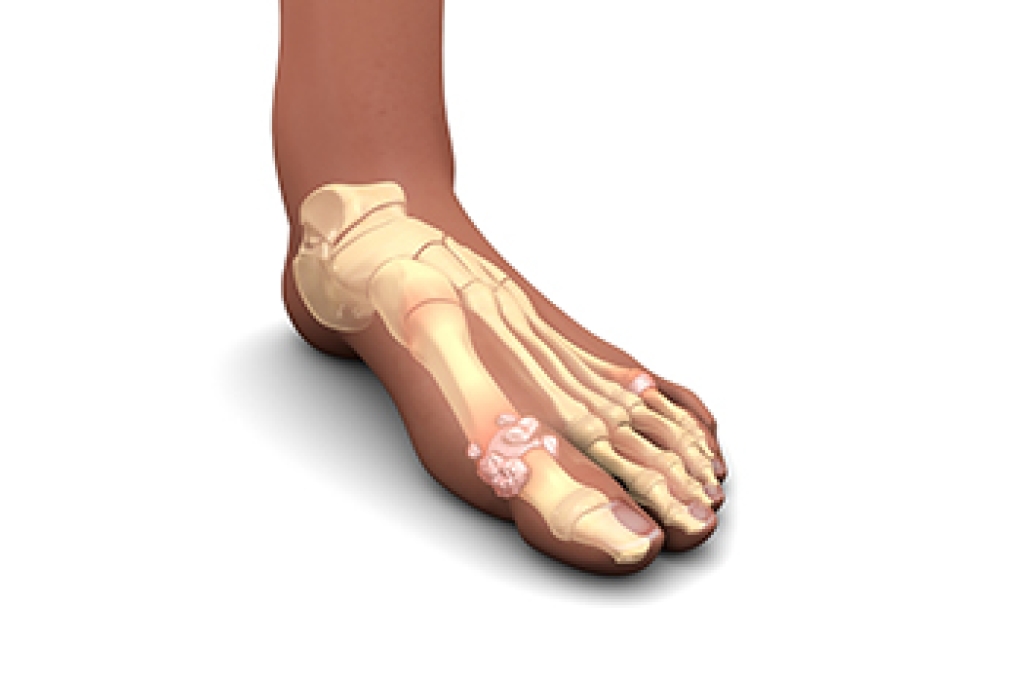
The pain from the arthritic condition, known as gout, is generally found in the joints of the big toe. It happens due to excess uric acid in the bloodstream that converts into crystals. People who eat large amounts of specific foods such as shellfish and red meat or that drink excessive amounts of alcohol may be prone to developing gout. Additionally, people with high blood pressure, diabetes, or heart disease may develop gout, and immediate care is often needed. It may also occur for genetic reasons, and common symptoms of this condition can include extreme pain. Patients may notice the affected joints are tender and warm when touched. Prevention methods can include drinking plenty of water daily and consuming nutrient-rich foods. If you have developed gout, it is strongly suggested that you are under the care of a podiatrist who can effectively diagnose and treat this condition. 

Gout is a painful condition that can be treated. If you are seeking treatment, contact Andrew Katz, DPM from Allcare Foothealth Center. Our doctor will treat your foot and ankle needs.

What Is Gout?

Gout is a form of arthritis that is characterized by sudden, severe attacks of pain, redness, and tenderness in the joints. The condition usually affects the joint at the base of the big toe. A gout attack can occur at any random time, such as the middle of the night while you are asleep.

Symptoms

  • Intense Joint Pain - Usually around the large joint of your big toe, and it most severe within the first four to twelve hours
  • Lingering Discomfort - Joint discomfort may last from a few days to a few weeks
  • Inflammation and Redness -Affected joints may become swollen, tender, warm and red
  • Limited Range of Motion - May experience a decrease in joint mobility

Risk Factors

  • Genetics - If family members have gout, you’re more likely to have it
  • Medications - Diuretic medications can raise uric acid levels
  • Gender/Age - Gout is more common in men until the age of 60. It is believed that estrogen protects women until that point
  • Diet - Eating red meat and shellfish increases your risk
  • Alcohol - Having more than two alcoholic drinks per day increases your risk
  • Obesity - Obese people are at a higher risk for gout

Prior to visiting your podiatrist to receive treatment for gout, there are a few things you should do beforehand. If you have gout you should write down your symptoms--including when they started and how often you experience them, important medical information you may have, and any questions you may have. Writing down these three things will help your podiatrist in assessing your specific situation so that he or she may provide the best route of treatment for you.

If you have any questions, please feel free to contact our office located in Palmdale, CA . We offer the newest diagnostic and treatment technologies for all your foot care needs.
Read more about Gout

Bunions Are a Deformity

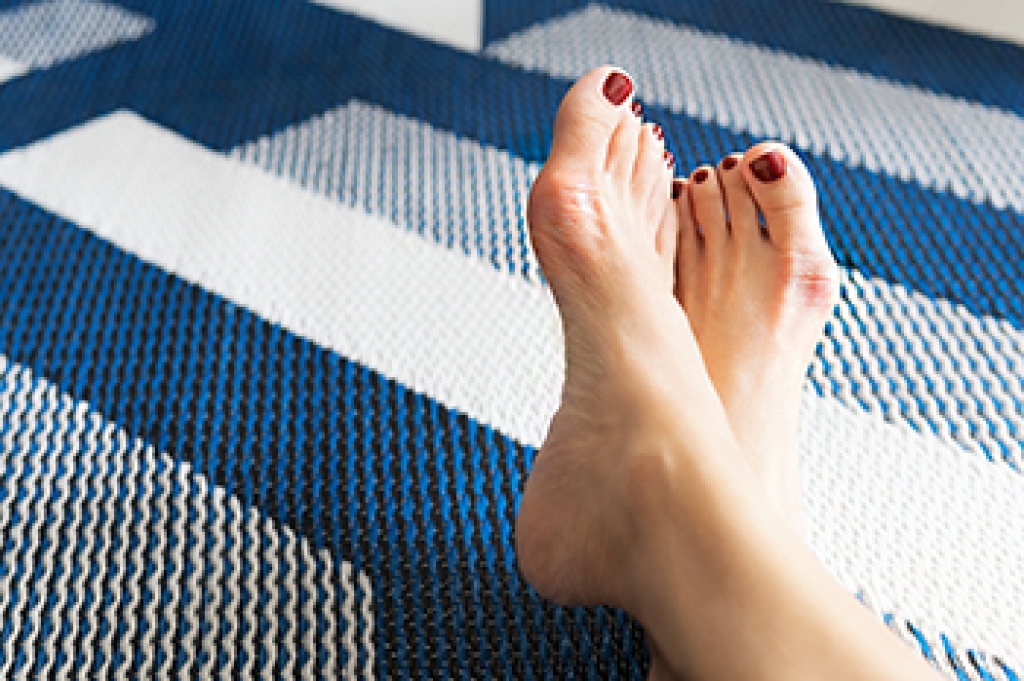
Some people notice small signs that they may be developing a bunion. It may be more difficult to take long walks, and wearing high heels may prove to be painful. Bunions develop gradually, and can happen for genetic reasons or from wearing shoes that do not have adequate room in the toe area. This can cause the side of the big toe to rub against the shoe, and a small, hardened bump may form. A bunion is considered to be a deformity, and it may cause the other toes to shift toward each other. A callus or corn may form on top of the bunion, and the toe may be red and difficult to move. Temporary relief may be found when the shoes that are worn fit correctly. Some patients place a protective pad over the bunion, which may help to protect it against developing calluses. Wearing custom made orthotics may help to reduce existing discomfort, and performing specific foot exercises may prove to be beneficial in strengthening the foot. If you have developed a bunion, it is suggested that you confer with a podiatrist who can offer you additional relief solutions. 

If you are suffering from bunion pain, contact Andrew Katz, DPM of Allcare Foothealth Center. Our doctor can provide the care you need to keep you pain-free and on your feet.

What Is a Bunion?

Bunions are painful bony bumps that usually develop on the inside of the foot at the joint of the big toe. As the deformity increases over time, it may become painful to walk and wear shoes. Women are more likely to exacerbate existing bunions since they often wear tight, narrow shoes that shift their toes together. Bunion pain can be relieved by wearing wider shoes with enough room for the toes.

Causes

  • Genetics – some people inherit feet that are more prone to bunion development
  • Inflammatory Conditions - rheumatoid arthritis and polio may cause bunion development

Symptoms

  • Redness and inflammation
  • Pain and tenderness
  • Callus or corns on the bump
  • Restricted motion in the big toe

In order to diagnose your bunion, your podiatrist may ask about your medical history, symptoms, and general health. Your doctor might also order an x-ray to take a closer look at your feet. Nonsurgical treatment options include orthotics, padding, icing, changes in footwear, and medication. If nonsurgical treatments don’t alleviate your bunion pain, surgery may be necessary.

If you have any questions, please feel free to contact our office located in Palmdale, CA . We offer the newest diagnostic and treatment technologies for all your foot care needs.
Read more about Bunions

Connect With Us