Bunion Treatment

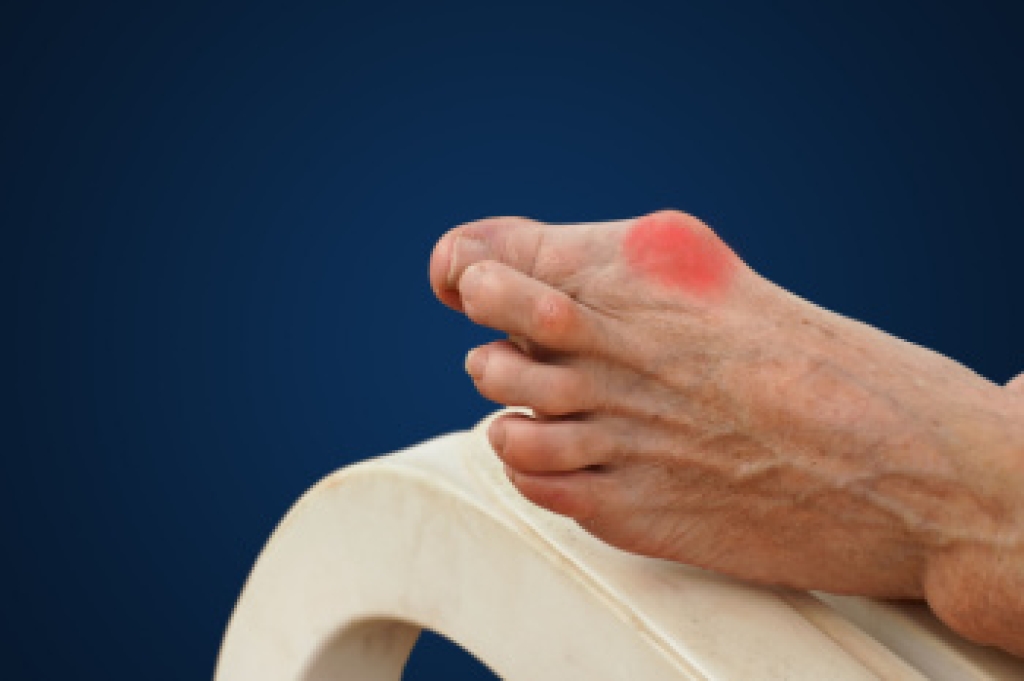
Bunions are a common foot deformity where the joint at the base of the big toe becomes enlarged and misaligned, causing the toe to angle inward. This can lead to pain, swelling, and difficulty in finding comfortable shoes. The condition often develops due to genetic factors, wearing ill-fitting footwear, or arthritis. If you have bunions, it is essential to take proactive steps to manage the discomfort and prevent further progression. Start by wearing shoes with a wide-toe box, low heels, and good arch support. Regularly performing foot exercises to strengthen the muscles around the joint can also provide relief. If these conservative measures do not help, or if the bunion becomes severely painful, it is suggested that you consult a podiatrist. In some cases, surgery may be recommended to correct the deformity and restore foot function.

If you are suffering from bunion pain, contact Andrew Katz, DPM of Allcare Foothealth Center. Our doctor can provide the care you need to keep you pain-free and on your feet.

What Is a Bunion?

Bunions are painful bony bumps that usually develop on the inside of the foot at the joint of the big toe. As the deformity increases over time, it may become painful to walk and wear shoes. Women are more likely to exacerbate existing bunions since they often wear tight, narrow shoes that shift their toes together. Bunion pain can be relieved by wearing wider shoes with enough room for the toes.

Causes

  • Genetics – some people inherit feet that are more prone to bunion development
  • Inflammatory Conditions - rheumatoid arthritis and polio may cause bunion development

Symptoms

  • Redness and inflammation
  • Pain and tenderness
  • Callus or corns on the bump
  • Restricted motion in the big toe

In order to diagnose your bunion, your podiatrist may ask about your medical history, symptoms, and general health. Your doctor might also order an x-ray to take a closer look at your feet. Nonsurgical treatment options include orthotics, padding, icing, changes in footwear, and medication. If nonsurgical treatments don’t alleviate your bunion pain, surgery may be necessary.

If you have any questions, please feel free to contact our office located in Palmdale, CA . We offer the newest diagnostic and treatment technologies for all your foot care needs.
Read more about What Are Bunions?

Symptoms and Causes of Black Toenail Fungus

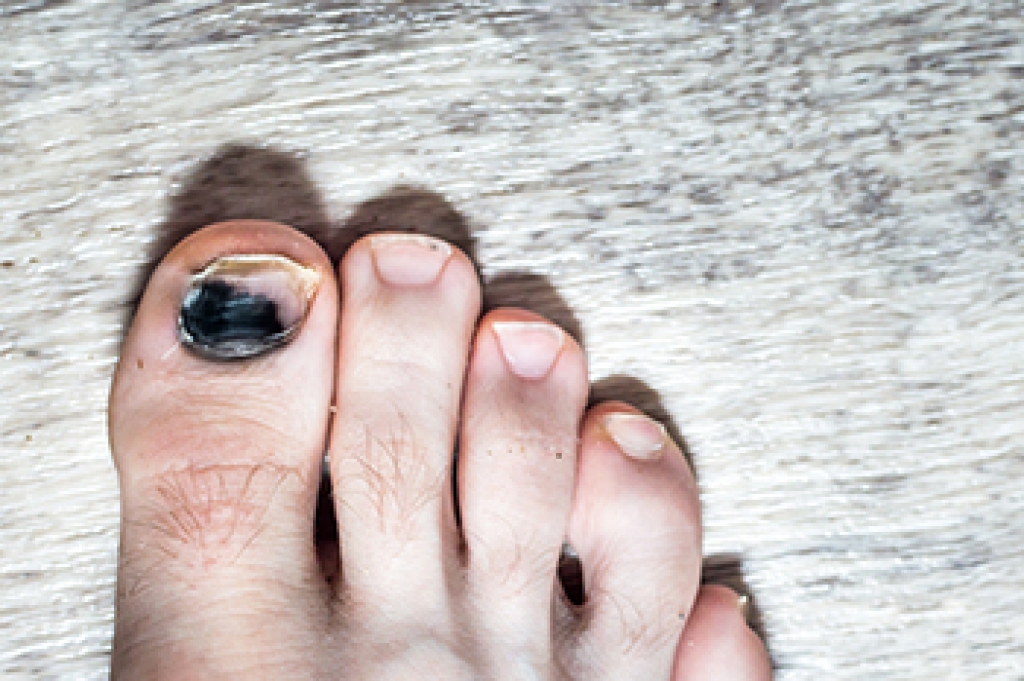
Black toenail fungus, medically known as onychomycosis, is a fungal infection that affects the toenail, leading to discoloration and potential nail damage. This condition often begins as a yellow or white spot under the nail, eventually turning black as the infection progresses. Common symptoms include thickened nails, brittleness, and an unpleasant odor. The fungus thrives in warm, moist environments, making it more prevalent among diabetics, as they are more susceptible to infections due to poor circulation and a reduced immune response. Other causes include frequent exposure to damp conditions, wearing tight shoes, or sharing contaminated footwear. If you have developed this type of toenail fungus, it is suggested that you promptly schedule an appointment with a podiatrist for treatment, which often includes prescribed medication.

For more information about treatment, contact Andrew Katz, DPM of Allcare Foothealth Center. Our doctor can provide the care you need to keep you pain-free and on your feet.

Toenail Fungus Treatment

Toenail fungus is a condition that affects many people and can be especially hard to get rid of. Fortunately, there are several methods to go about treating and avoiding it.

Antifungals & Deterrence

Oral antifungal medicine has been shown to be effective in many cases. It is important to consult with a podiatrist to determine the proper regiment for you, or potentially explore other options.

Applying foot powder on the feet and shoes helps keep the feet free of moisture and sweat.

Sandals or open toed shoes – Wearing these will allow air movement and help keep feet dry. They also expose your feet to light, which fungus cannot tolerate. Socks with moisture wicking material also help as well.

If you have any questions please contact our office located in Palmdale, CA . We offer the newest diagnostic and treatment technologies for all your foot and ankle needs.

Read more about How to Treat Your Toenail Fungus

Identifying and Treating Sesamoiditis

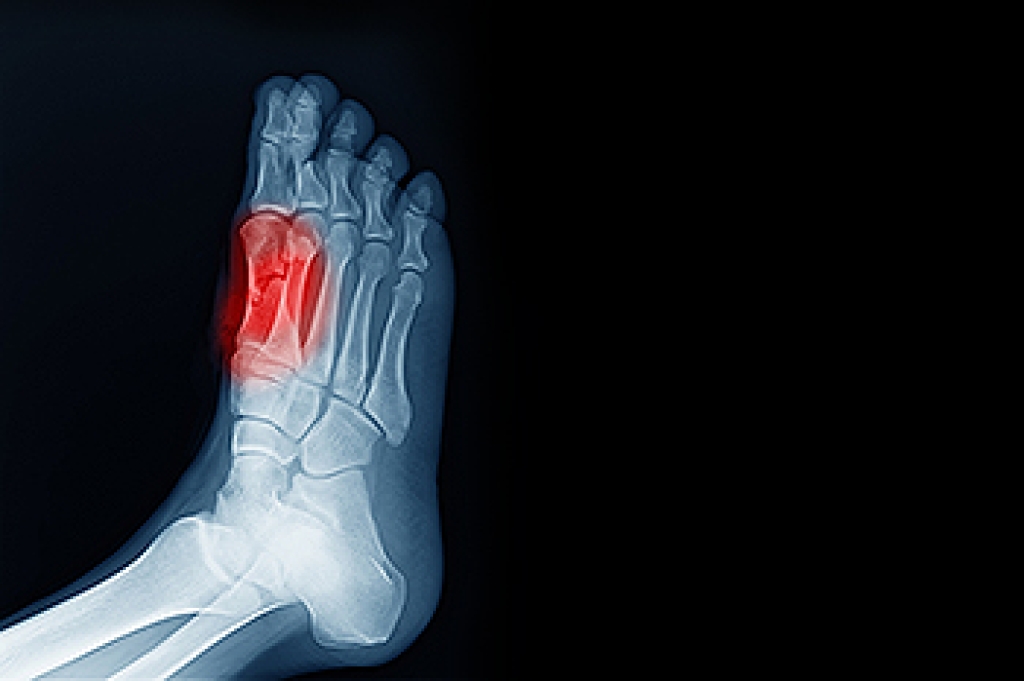
Sesamoiditis is an irritation of the two sesamoid bones that are located beneath the first metatarsal head of the foot. It leads to pain that can be particularly bothersome during activities like walking or running. These tiny bones, each about the size of a kernel of corn, play a significant role in foot movement. They can become painful due to trauma, foot structure changes, or repetitive stress. Sesamoiditis is often seen in dancers, runners, and those who frequently wear high heels. Symptoms can include localized pain beneath the big toe, swelling, and tenderness that worsens with pressure. Diagnosis typically involves a clinical evaluation by a podiatrist, sometimes supported by imaging tests to rule out fractures or other conditions. Treatment focuses on reducing pressure on the sesamoids through footwear modifications, including supportive shoes and custom orthotics. If you have pain under the big toe, it may be related to the sesamoid bones, and it is suggested that you schedule an appointment with a podiatrist for an exam and treatment.

Sesamoiditis is an unpleasant foot condition characterized by pain in the balls of the feet. If you think you’re struggling with sesamoiditis, contact Andrew Katz, DPM of Allcare Foothealth Center. Our doctor will treat your condition thoroughly and effectively.

Sesamoiditis

Sesamoiditis is a condition of the foot that affects the ball of the foot. It is more common in younger people than it is in older people. It can also occur with people who have begun a new exercise program, since their bodies are adjusting to the new physical regimen. Pain may also be caused by the inflammation of tendons surrounding the bones. It is important to seek treatment in its early stages because if you ignore the pain, this condition can lead to more serious problems such as severe irritation and bone fractures.

Causes of Sesamoiditis

  • Sudden increase in activity
  • Increase in physically strenuous movement without a proper warm up or build up
  • Foot structure: those who have smaller, bonier feet or those with a high arch may be more susceptible

Treatment for sesamoiditis is non-invasive and simple. Doctors may recommend a strict rest period where the patient forgoes most physical activity. This will help give the patient time to heal their feet through limited activity. For serious cases, it is best to speak with your doctor to determine a treatment option that will help your specific needs.

If you have any questions, please feel free to contact our office located in Palmdale, CA . We offer the newest diagnostic and treatment technologies for all your foot care needs.
Read more about Sesamoiditis

Impacts of Flat Feet on All Ages

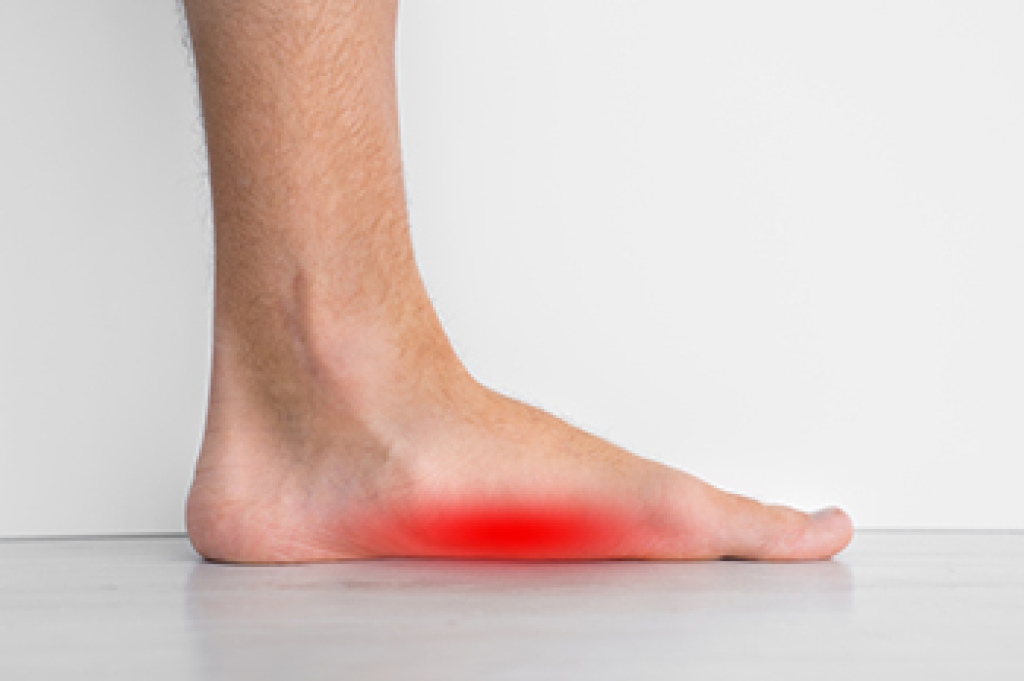
Flat feet, or fallen arches, occur when the arch of the foot collapses, leading to the entire foot making contact with the ground. Symptoms can include foot pain, swelling, and difficulty standing for long periods of time. Causes can range from genetic factors to injury or conditions such as arthritis. In children, flat feet are often a normal part of development, usually improving with age. However, if persistent, they may require intervention. In adults, flat feet can result from wear and tear, obesity, or excessive strain. Both children and adults may experience discomfort or difficulty in activities. Treatment options include wearing supportive footwear, using orthotics, and doing exercises to strengthen the foot muscles. If you or your child has flat feet, it is suggested that a podiatrist is consulted and regular visits are scheduled to help manage this condition.

Flatfoot is a condition many people suffer from. If you have flat feet, contact Andrew Katz, DPM from Allcare Foothealth Center. Our doctor will treat your foot and ankle needs.

What Are Flat Feet?

Flatfoot is a condition in which the arch of the foot is depressed and the sole of the foot is almost completely in contact with the ground. About 20-30% of the population generally has flat feet because their arches never formed during growth.

Conditions & Problems:

Having flat feet makes it difficult to run or walk because of the stress placed on the ankles.

Alignment – The general alignment of your legs can be disrupted, because the ankles move inward which can cause major discomfort.

Knees – If you have complications with your knees, flat feet can be a contributor to arthritis in that area.  

Symptoms

  • Pain around the heel or arch area
  • Trouble standing on the tip toe
  • Swelling around the inside of the ankle
  • Flat look to one or both feet
  • Having your shoes feel uneven when worn

Treatment

If you are experiencing pain and stress on the foot you may weaken the posterior tibial tendon, which runs around the inside of the ankle. 

If you have any questions, please feel free to contact our office located in Palmdale, CA . We offer the newest diagnostic and treatment technologies for all your foot care needs.

Read more about Flatfoot

Are Bunions Affecting Your Everyday Life?

Have you noticed a bony protrusion on the side of your big toe? If so, you may have developed the foot condition known as a bunion. Don't let bunions interfere with your daily activities.

Connect With Us