Sever's Disease Affects Children and Young Teenagers

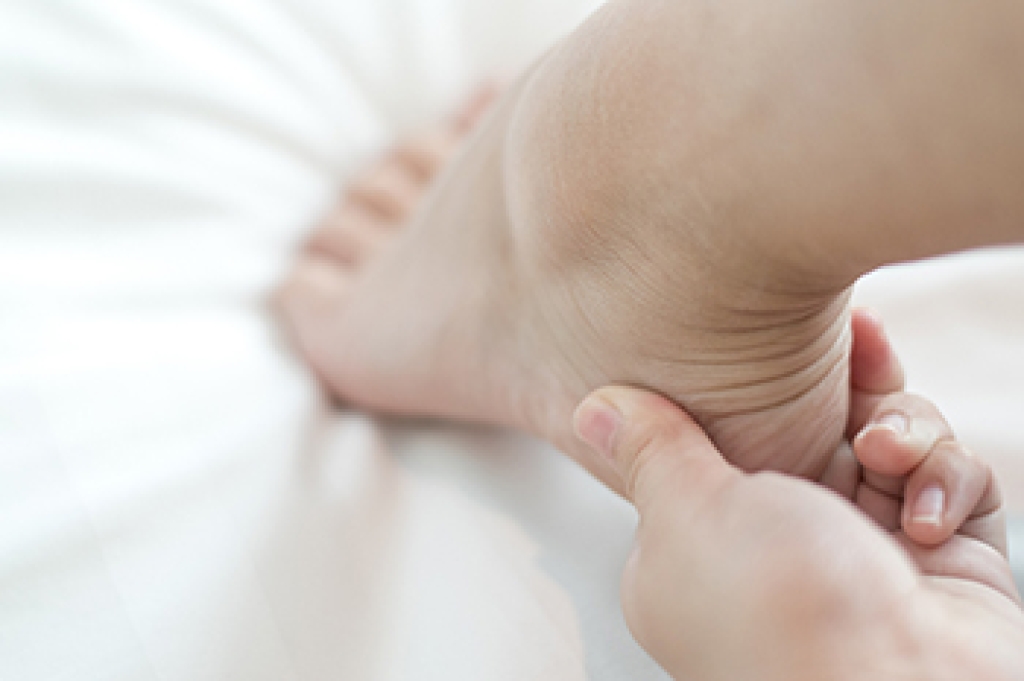
A common condition that can affect children and young teenagers who actively participate in sporting activities is known as Sever’s disease. This is an ailment that affects the heels, and can develop as a result of a heel growth spurt. The heel pain is caused by tight calf muscles or Achilles tendon, and the pain may increase when their chosen activities are pursued. You may notice your child is limping, walking on their toes, or experiencing swelling surrounding the heel. These symptoms may be indicative of Sever’s disease. It is beneficial to wear shoes that fit correctly, and this may help the affected foot to feel better. Effective treatment starts with stopping the activity that caused the condition. It is also important to elevate the foot as often as possible. The average recovery time for Sever’s disease is approximately 2-3 months. If your child has these symptoms, it is advised that you consult with a podiatrist who can effectively diagnose and offer treatment solutions.

Sever's disease often occurs in children and teens. If your child is experiencing foot or ankle pain, see Andrew Katz, DPM from Allcare Foothealth Center. Our doctor can treat your child’s foot and ankle needs.

Sever’s Disease

Sever’s disease is also known as calcaneal apophysitis, which is a medical condition that causes heel pain I none or both feet. The disease is known to affect children between the ages of 8 and 14.

Sever’s disease occurs when part of the child’s heel known as the growth plate (calcaneal epiphysis) is attached to the Achilles tendon. This area can suffer injury when the muscles and tendons of the growing foot do not keep pace with bone growth. Therefore, the constant pain which one experiences at the back of the heel will make the child unable to put any weight on the heel. The child is then forced to walk on their toes.

Symptoms

Acute pain – Pain associated with Sever’s disease is usually felt in the heel when the child engages in physical activity such as walking, jumping and or running.

Highly active – Children who are very active are among the most susceptible in experiencing Sever’s disease, because of the stress and tension placed on their feet.

If you have any questions, please feel free to contact our office located in Palmdale, CA . We offer the newest diagnostic and treatment technologies for all your foot care needs.


Read more about Sever's Disease

Effects of Flat Feet Versus High Arches

Most people do not think too much about what type of foot they have. But it has been found that different foot types can be the source of a number of chronic foot maladies. Foot types range from flat feet to high arches, and anywhere in between. With flat feet, the sole of the foot is flush with the floor when bearing weight. With high arches, the midfoot is stiff and only the toe, heel and outside of the foot touch the ground when standing. People with flat feet often develop inflammation of the tendon on the inside of the ankle, termed posterior tibial tendonitis. People with high arches tend to develop inflammation of the tendon on the outside of the ankle, termed peroneal tendonitis. These conditions occur because of the way the foot absorbs the force produced with every step you take. Other conditions common to those with flat feet include tarsal tunnel syndrome and stress fractures of the 2nd metatarsal. Those with high arches may be more susceptible to ankle instability and sprains, stress fractures of the 5th metatarsal, and sesamoiditis. Both foot types may result in plantar fasciitis. To find out more about your foot type, especially if you are in pain, please consult a podiatrist for an examination and suggestions for treatment.

If you have any concerns about your feet, contact Andrew Katz, DPM from Allcare Foothealth Center. Our doctor can provide the care you need to keep you pain-free and on your feet.

Biomechanics in Podiatry

Podiatric biomechanics is a particular sector of specialty podiatry with licensed practitioners who are trained to diagnose and treat conditions affecting the foot, ankle and lower leg. Biomechanics deals with the forces that act against the body, causing an interference with the biological structures. It focuses on the movement of the ankle, the foot and the forces that interact with them.

A History of Biomechanics

  • Biomechanics dates back to the BC era in Egypt where evidence of professional foot care has been recorded.
  • In 1974, biomechanics gained a higher profile from the studies of Merton Root, who claimed that by changing or controlling the forces between the ankle and the foot, corrections or conditions could be implemented to gain strength and coordination in the area.

Modern technological improvements are based on past theories and therapeutic processes that provide a better understanding of podiatric concepts for biomechanics. Computers can provide accurate information about the forces and patterns of the feet and lower legs.

Understanding biomechanics of the feet can help improve and eliminate pain, stopping further stress to the foot.

If you have any questions please feel free to contact our office located in Palmdale, CA . We offer the newest diagnostic and treatment technologies for all your foot and ankle needs.

Read more about The Importance of Biomechanics in Podiatry

Are You Suffering From Nerve Damage?

Neuropathy is a condition that can lead to numbness or loss of sensation in the feet, but it can also cause pain. This condition is more likely to develop for those who are diabetic, obese, or with high blood pressure.

What Is Dyshidrotic Eczema?

Blisters can affect many parts of the body including the feet, and they occur when small amounts of liquid accumulate in between layers of skin. Dyshidrotic eczema is an important type of blister to be aware of that can affect the feet. This condition can form small, itchy blisters on the toes and the bottom of the feet. Dyshidrotic eczema can take form on the hands as well. If you are suffering from this condition, you might experience several different symptoms. You may notice that the affected area on your feet has changed color, becoming red. You might also notice that the skin has changed texture, becoming scaly and dry. The exact cause of dyshidrotic eczema remains somewhat elusive. However, it may be connected to conditions like hay fever. Of course, dyshidrotic eczema is just one kind of blister that can take shape on the feet. Many other kinds of blisters can develop on your feet through friction being applied, for example, by wearing ill-fitting shoes that rub against the skin. Blisters from dyshidrotic eczema or any other condition are nothing to take lightly. Talk to a podiatrist if you have blisters on your feet. They can help you address the issue.

Blisters are prone to making everyday activities extremely uncomfortable. If your feet are hurting, contact Andrew Katz, DPM of Allcare Foothealth Center. Our doctor can provide the care you need to keep you pain-free and on your feet.

Foot Blisters

Foot blisters develop as a result of constantly wearing tight or ill-fitting footwear. This happens due to the constant rubbing from the shoe, which can often lead to pain.

What Are Foot Blisters?

A foot blister is a small fluid-filled pocket that forms on the upper-most layer of the skin. Blisters are filled with clear fluid and can lead to blood drainage or pus if the area becomes infected.

How Do Blisters Form?

Blisters on the feet are often the result of constant friction of skin and material, usually by shoe rubbing. Walking in sandals, boots, or shoes that don’t fit properly for long periods of time can result in a blister. Having consistent foot moisture and humidity can easily lead to blister formation.

Prevention & Treatment

It is important to properly care for the affected area in order to prevent infection and ease the pain. Do not lance the blister and use a Band-Aid to provide pain relief. Also, be sure to keep your feet dry and wear proper fitting shoes. If you see blood or pus in a blister, seek assistance from a podiatrist.

If you have any questions, please feel free to contact our office located in Palmdale, CA . We offer the newest diagnostic and treatment technologies for all your foot care needs.

Read more about Blisters on the Feet

Foot Surgery for Hammertoe

Foot surgery can sometimes be used as a last resort option to address serious problems in the feet that could not be solved by more conservative treatment plans. Hammertoe is one condition that might be able to be resolved by a surgical procedure. Hammertoe primarily affects the second, third, and fourth toes of the feet, causing the toe joints to become frozen in a flexed position. As a result, the toe sticks up at the middle point and appears like a hammer. Surgery might be a viable way to straighten the joint out, and both adults and children might potentially benefit from undergoing a surgical procedure. One type of procedure for hammertoe is known as a tendon transfer whereby tendons in the toes are transferred from the bottom of the toes to the top to help straighten out the joint. Another kind of procedure is called a joint resection. Through this surgery, the end of the bone at the affected joint is effectively taken out of place. Pins are then temporarily put in their place to help the joint straighten out to its natural shape. If you have a hammertoe, consult with a podiatrist to see what options you might have at your disposal to address the issue.

Foot surgery is sometimes necessary to treat a foot ailment. To learn more, contact Andrew Katz, DPM of Allcare Foothealth Center. Our doctor will assist you with all of your foot and ankle needs.

When Is Surgery Necessary?

Foot and ankle surgery is generally reserved for cases in which less invasive, conservative procedures have failed to alleviate the problem. Some of the cases in which surgery may be necessary include:

  • Removing foot deformities like bunions and bone spurs
  • Severe arthritis that has caused bone issues
  • Cosmetic reconstruction

What Types of Surgery Are There?

The type of surgery you receive will depend on the nature of the problem you have. Some of the possible surgeries include:

  • Bunionectomy for painful bunions
  • Surgical fusion for realignment of bones
  • Neuropathy decompression surgery to treat nerve damage

Benefits of Surgery

Although surgery is usually a last resort, it can provide more complete pain relief compared to non-surgical methods and may allow you to finally resume full activity.

Surgical techniques have also become increasingly sophisticated. Techniques like endoscopic surgery allow for smaller incisions and faster recovery times.

If you have any questions, please feel free to contact our office located in Palmdale, CA . We offer the newest diagnostic and treatment technologies for all your foot care needs.

Read more about Foot Surgery

The Link Between Diabetes and Cracked Heels

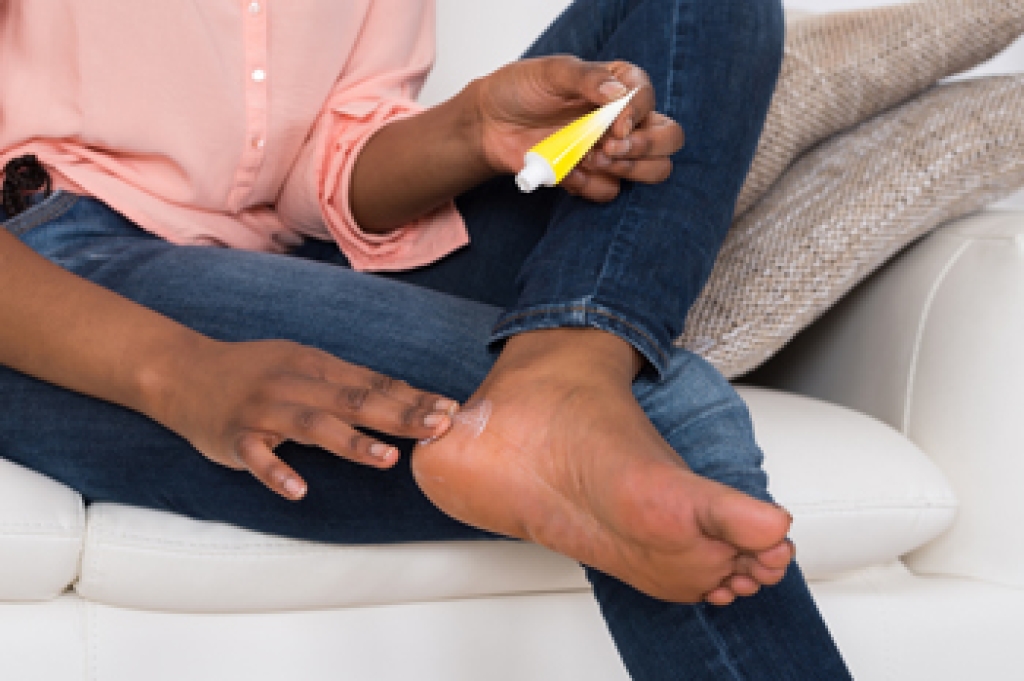
Cracked heels, also known as heel fissures, is a common and unsightly condition that negatively impacts the wellness of your feet. Simply put, this condition occurs when the skin surrounding the heel and bottom of the feet becomes exceedingly dry. This skin can crack, causing fissures. In many cases, this condition is harmless. However, cracked heels can be unattractive and, in severe cases, might lead to infection and swelling. If you are diabetic, you stand at an increased risk of suffering from cracked heels. This is because diabetes can make your feet dry and deprive the skin of necessary nutrients, making cracked heels more likely. Additionally, in some cases, diabetes can damage the nerves present in one’s feet, which can prevent sweat glands in the feet from releasing sweat. The deprivation of sweat can reduce the moisture in the feet, increasing the probability of the onset of cracked heels. Therefore, while cracked heels are not necessarily a sign of diabetes, diabetics can face an increased risk of suffering from this affliction. If you are a diabetic and want to protect yourself from cracked heels, consider contacting a podiatrist.

Cracked heels are unsightly and can cause further damage to your shoes and feet. If you have any concerns, contact Andrew Katz, DPM from Allcare Foothealth Center. Our doctor can provide the care you need to keep you pain-free and on your feet.

Cracked Heels

Cracked heels appear unappealing and can make it harder for you walk around in sandals. Aside from looking unpleasant, cracked heels can also tear stockings, socks, and wear out your shoes. There are several methods to help restore a cracked heel and prevent further damage.

How Do You Get Them?

Dry skin is the number one culprit in creating cracked heels. Many athletes, walkers, joggers, and even swimmers suffer from cracked heels. Age and skin oil production play a role to getting cracked heels as well.

Promote Healing

Over the counter medicines can help, especially for those that need instant relief or who suffer from chronic dry feet.

Wear Socks – Wearing socks with medicated creams helps lock in moisture.

Moisturizers – Applying both day and night will help alleviate dryness which causes cracking.

Pumice Stones – These exfoliate and remove dead skin, which allows for smoother moisturizer application and better absorption into the skin. 

Change in Diet

Eating healthy with a well-balanced diet will give the skin a fresh and radiant look. Your body responds to the kinds of food you ingest. Omega-3 fatty acids and zinc supplements can also revitalize skin tissue.

Most importantly, seek professional help if unsure how to proceed in treating cracked heels. A podiatrist will help you with any questions or information needed. 

If you have any questions, please feel free to contact our office located in Palmdale, CA . We offer the newest diagnostic and treatment technologies for all your foot care needs.
Read more about Solutions for Cracked Heels

Achilles Tendonitis: A Common Sports Injury Among Runners

The Achilles tendon is a large band of tissue which attaches the calf muscles at the back of the lower leg to the heel bone. It is engaged while walking, running, jumping, and elevating on the toes. Athletes, and especially runners, can aggravate this tendon from overuse, which may cause it to become thickened and inflamed. This is known as Achilles tendonitis. Pain from Achilles tendonitis is usually felt above the heel or in the back of the lower leg. A podiatrist can examine you if you are experiencing this type of pain, which may intensify after sprinting, stair climbing or running for a long period of time. They may suggest certain strengthening and stretching exercises, along with resting the leg and icing the affected area, and nonsteroidal anti-inflammatory drugs to help with the pain. Long-term relief may include using custom orthotics and special types of footwear to offload pressure on the affected area. For more information or to receive treatment for Achilles tendon, make an appointment with a podiatrist.

Ankle and foot injuries are common among athletes and in many sports. They can be caused by several problems and may be potentially serious. If you are feeling pain or think you were injured in a sporting event or when exercising, consult with Andrew Katz, DPM from Allcare Foothealth Center. Our doctor will assess your condition and provide you with quality foot and ankle treatment.

Common Injuries

The most common injuries that occur in sporting activities include:

  • Achilles Tendonitis
  • Achilles Tendon Rupture
  • Ankle Sprains
  • Broken Foot
  • Plantar Fasciitis
  • Stress Fractures
  • Turf Toe

Symptoms

Symptoms vary depending upon the injury and in some cases, there may be no symptoms at all. However, in most cases, some form of symptom is experienced. Pain, aching, burning, bruising, tenderness, tightness or stiffness, sensation loss, difficulty moving, and swelling are the most common symptoms.

Treatment

Just as symptoms vary depending upon the injury, so do treatment options. A common treatment method is known as the RICE method. This method involves rest, applying ice, compression and elevating the afflicted foot or ankle. If the injury appears to be more serious, surgery might be required, such as arthroscopic or reconstructive surgery. Lastly, rehabilitation or therapy might be needed to gain full functionality in the afflicted area. Any discomfort experienced by an athlete must be evaluated by a licensed, reputable medical professional.  

If you have any questions please contact our office located in Palmdale, CA . We offer the newest diagnostic and treatment technologies for all your foot and ankle needs.

Read more about Sports Related Foot and Ankle Injuries

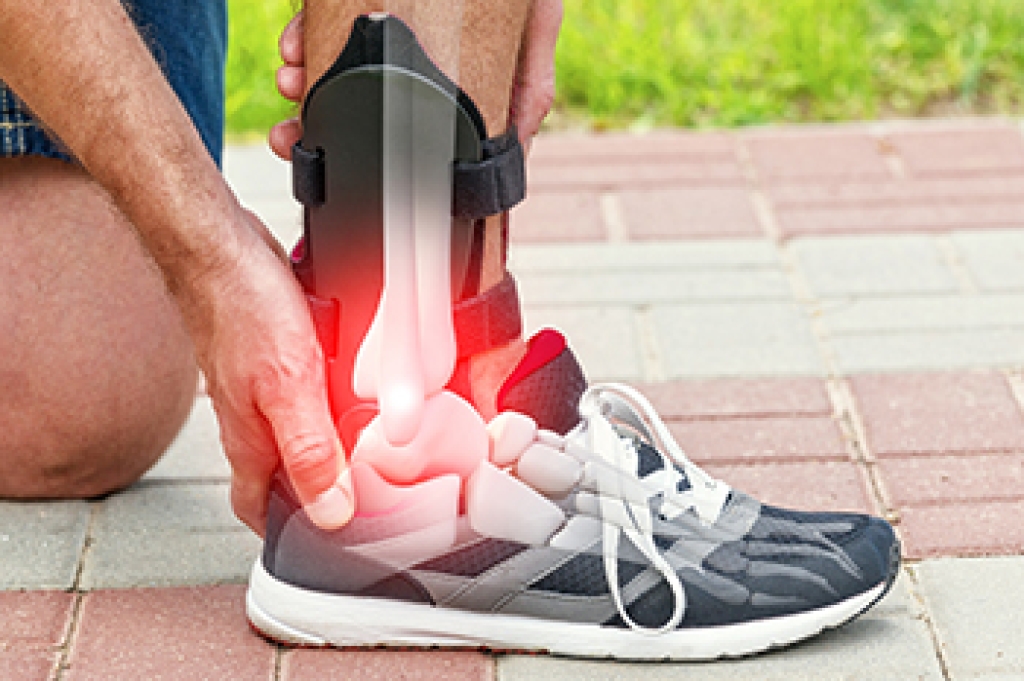
What Are Ankle-Foot-Orthoses?

Ankle-foot-orthoses (AFO) are supportive devices, or braces, that help a person with lower limb, ankle, or foot disability. AFOs function mainly to prevent deformity, increase mobility, reduce pain, and protect and support a healing injury. They can be custom made for children as well as adults to protect the foot, ankle, and leg, finishing at the knee. They can be made hinged to bend at the ankle, or solid with no ankle movement. There are several types of AFOs that are prescribed based on the precise needs of the wearer. Factors include length of time it will be worn, amount of lateral stability needed, and how the device fits into shoes. For more detailed information on ankle-foot-orthoses, please consult a podiatrist, who can help determine which AFO is best for you. 

If you are having discomfort in your feet and would like to try orthotics, contact Andrew Katz, DPM from Allcare Foothealth Center. Our doctor can provide the care you need to keep you pain-free and on your feet.

What Are Orthotics?

Orthotics are inserts you can place into your shoes to help with a variety of foot problems such as flat feet or foot pain. Orthotics provide relief and comfort for minor foot and heel pain but can’t correct serious biomechanical problems in your feet.

Over-the-Counter Inserts

Orthotics come in a wide variety of over-the-counter inserts that are used to treat foot pain, heel pain, and minor problems. For example, arch supports can be inserted into your shoes to help correct overarched or flat feet, while gel insoles are often used because they provide comfort and relief from foot and heel pain by alleviating pressure.

Prescription Orthotics

If over-the-counter inserts don’t work for you or if you have a more severe foot concern, it is possible to have your podiatrist prescribe custom orthotics. These high-quality inserts are designed to treat problems such as abnormal motion, plantar fasciitis, and severe forms of heel pain. They can even be used to help patients suffering from diabetes by treating foot ulcers and painful calluses and are usually molded to your feet individually, which allows them to provide full support and comfort.

If you are experiencing minor to severe foot or heel pain, it’s recommended to speak with your podiatrist about the possibilities of using orthotics. A podiatrist can determine which type of orthotic is right for you and allow you to take the first steps towards being pain-free.

If you have any questions, please feel free to contact our office located in Palmdale, CA . We offer the newest diagnostic and treatment technologies for all your foot care needs.
Read more about Foot Orthotics

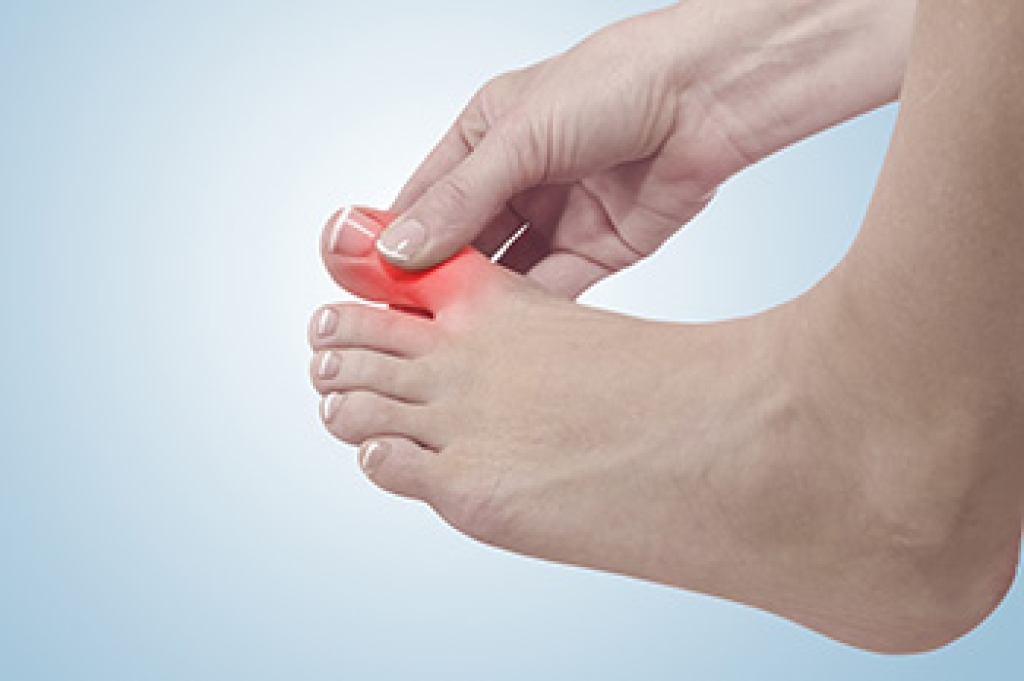
Big Toe Pain

Big toe pain can be caused by a variety of different things – some requiring medical interventions and some not. Causes of toe pain include an injury, such as a fracture or turf toe, or an underlying medical condition like arthritis (osteoarthritis, rheumatoid, or gout). Other reasons are an ingrown toenail, sesamoiditis, a bunion, a nail infection, or Morton’s neuroma. If one is suffering from pain in their big toe, resting the foot, elevating it, icing the toe, and wearing firmer soled shoes may help. However, to properly determine the underlying cause of your big toe pain, or when your pain is unexplained or sudden, see a podiatrist who can diagnose the problem and offer treatment options. 

Toe pain can disrupt your daily activities. If you have any concerns, contact Andrew Katz, DPM of Allcare Foothealth Center. Our doctor can provide the care you need to keep you pain-free and on your feet.

What Causes Toe Pain?

Most severe toe pain is caused due to a sports injury, trauma from dropping something heavy on the toe, or bumping into something rigid. Other problems can develop over time for various reasons.

Toe pain can be caused by one or more ailments. The most common include:

  • Trauma
  • Sports injury
  • Wearing shoes that are too tight
  • Arthritis
  • Gout
  • Corns and calluses
  • Hammertoe
  • Bunions
  • Blisters
  • Ingrown toenails
  • Sprains
  • Fractures (broken bones)
  • Dislocations

When to See a Podiatrist

  • Severe pain
  • Persistent pain that lasts more than a week
  • Signs of infection
  • Continued swelling
  • Pain that prevents walking

Diagnosis

In many cases the cause of toe pain is obvious, but in others, a podiatrist may want to use more advanced methods to determine the problem. These can range from simple visual inspections and sensation tests to X-rays and MRI scans. Prior medical history, family medical history, and any recent physical traumatic events will all be taken into consideration for a proper diagnosis.

Treatment

Treatments for toe pain and injuries vary and may include shoe inserts, padding, taping, medicines, injections, and in some cases, surgery. If you believe that you have broken a toe, please see a podiatrist as soon as possible.

If you have any questions please contact our office located in Palmdale, CA . We offer the newest diagnostic and treatment technologies for all your foot and ankle needs.

Read more about Toe Pain

Connect With Us