Best Shoes for People With Heel Spurs

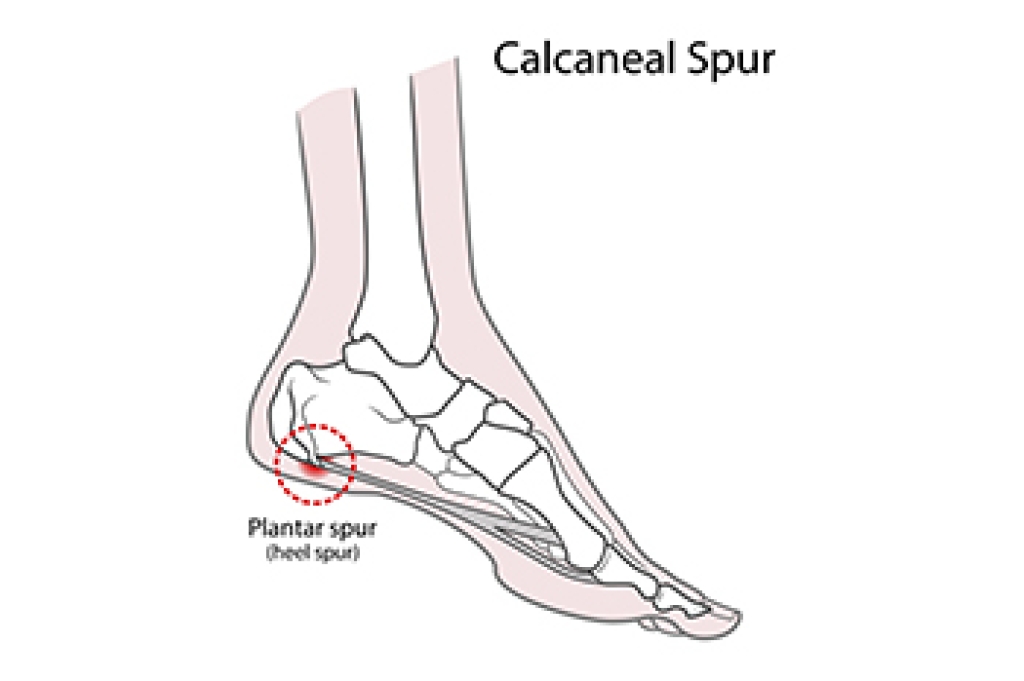
Heel spurs are small, bony growths caused by excessive calcium deposits forming on the heel of the foot. These can grow on the bottom of the heel or the heel bone where the plantar fascia ligament attaches the heel to the toes. This connective tissue keeps the foot in a comfortable arch position, but a heel spur can damage the fibrous tissue and it will not be able to perform its job. In addition to causing every step one takes to be painful, heel spurs can cause long-term foot problems. Trying to purchase shoes that accommodate heel spurs can be an overwhelming task, yet it is imperative to wear proper footwear. When choosing footwear to alleviate pain and prevent further damage from heel spurs, it is crucial to look for shoes with firm rearfoots or backs of shoes. These are less apt to bend during movement and thus provide more support to the heel. Shoes should also have additional cushioning and a flexible forefoot that bends and stretches easily with movement. If you suffer from heel spurs, consult with a podiatrist who can help you with treating this condition, as well as suggest the best footwear to help with pain and prevention.

Heel spurs can be incredibly painful and sometimes may make you unable to participate in physical activities. To get medical care for your heel spurs, contact Andrew Katz, DPM from Allcare Foothealth Center. Our doctor will do everything possible to treat your condition.

Heels Spurs

Heel spurs are formed by calcium deposits on the back of the foot where the heel is. This can also be caused by small fragments of bone breaking off one section of the foot, attaching onto the back of the foot. Heel spurs can also be bone growth on the back of the foot and may grow in the direction of the arch of the foot.

Older individuals usually suffer from heel spurs and pain sometimes intensifies with age. One of the main condition's spurs are related to is plantar fasciitis.

Pain

The pain associated with spurs is often because of weight placed on the feet. When someone is walking, their entire weight is concentrated on the feet. Bone spurs then have the tendency to affect other bones and tissues around the foot. As the pain continues, the feet will become tender and sensitive over time.

Treatments

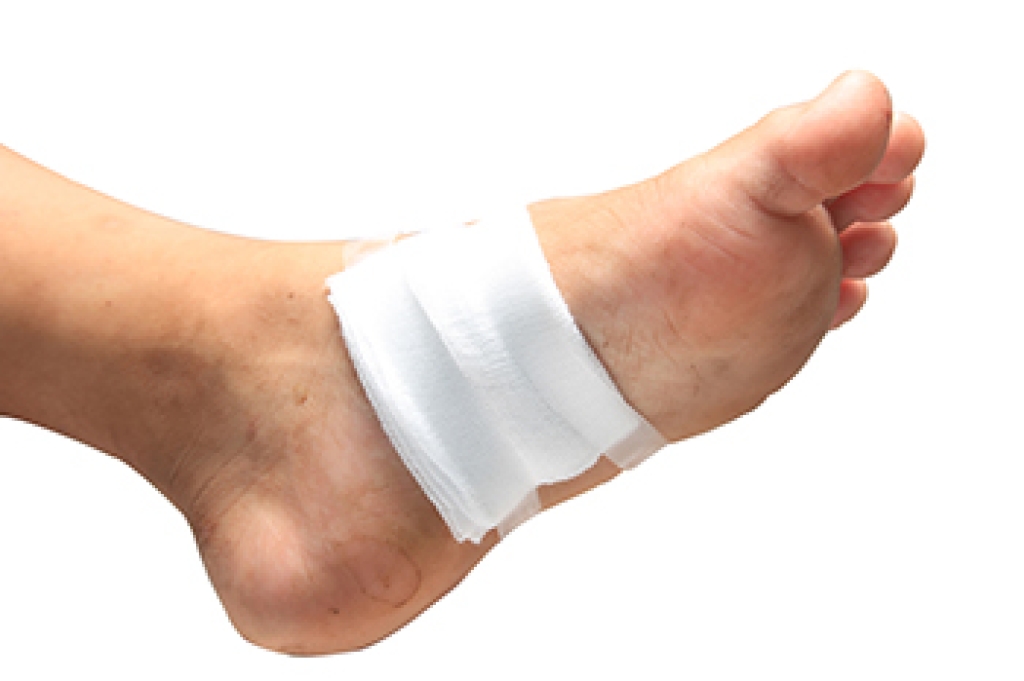
There are many ways to treat heel spurs. If one is suffering from heel spurs in conjunction with pain, there are several methods for healing. Medication, surgery, and herbal care are some options.

If you have any questions, please feel free to contact our office located in Palmdale, CA . We offer the newest diagnostic and treatment technologies for all your foot care needs.

Read more about How to Treat Heel Spurs

Plantar Warts Can Be Treated!

Plantar warts are small growths that develop on parts of the feet that bear weight. They're typically found on the bottom of the foot. Don't live with plantar warts, and call us today!

Dressing a Wound

Individuals who suffer from diabetes will sometimes develop foot ulcers, which are open sores or lesions that take time to heal. One way that a diabetic might consider managing their ulcers is by properly dressing them. The purpose of this technique is to ultimately reduce symptoms and facilitate healing. Importantly, dressings are not meant to be permanent. A diabetic patient can change these dressings on a regular and frequent basis to inspect the ulcer. There are several different kinds of dressings. For example, one might opt to use non-adhesive dressings, foam and alginate dressings, and hydrogels. However, whichever dressings a diabetic chooses will be largely dependent on their needs and the peculiarities of their ulcers. Contact a podiatrist today for more information.
 

Wound care is an important part in dealing with diabetes. If you have diabetes and a foot wound or would like more information about wound care for diabetics, consult with Andrew Katz, DPM from Allcare Foothealth Center. Our doctor will assess your condition and provide you with quality foot and ankle treatment.

What Is Wound Care?

Wound care is the practice of taking proper care of a wound. This can range from the smallest to the largest of wounds. While everyone can benefit from proper wound care, it is much more important for diabetics. Diabetics often suffer from poor blood circulation which causes wounds to heal much slower than they would in a non-diabetic. 

What Is the Importance of Wound Care?

While it may not seem apparent with small ulcers on the foot, for diabetics, any size ulcer can become infected. Diabetics often also suffer from neuropathy, or nerve loss. This means they might not even feel when they have an ulcer on their foot. If the wound becomes severely infected, amputation may be necessary. Therefore, it is of the upmost importance to properly care for any and all foot wounds.

How to Care for Wounds

The best way to care for foot wounds is to prevent them. For diabetics, this means daily inspections of the feet for any signs of abnormalities or ulcers. It is also recommended to see a podiatrist several times a year for a foot inspection. If you do have an ulcer, run the wound under water to clear dirt from the wound; then apply antibiotic ointment to the wound and cover with a bandage. Bandages should be changed daily and keeping pressure off the wound is smart. It is advised to see a podiatrist, who can keep an eye on it.

If you have any questions please contact our office located in Palmdale, CA . We offer the newest diagnostic and treatment technologies for all your foot and ankle needs.

Read more about Wound Care

Simple Methods to Maintain Healthy Feet

The majority of people wear shoes for most of the day, and this may contribute to taking the feet for granted. An effective method in practicing everyday foot care can start by feeling your feet with your hands. At this point, it may become noticeable how complex the feet are, as there are twenty six bones, numerous tendons, ligaments, and muscles that are in each foot. The feet are designed to withstand pressure from the weight of the body, and the skin is harder on the feet than anywhere else. Additionally, the toenails provide protection against shoes and socks. With this stated, the importance of maintaining and practicing everyday foot care becomes clear. Washing and drying the feet thoroughly may be helpful in preventing athlete's foot. This can be an uncomfortable foot condition that may be avoided when proper measures are taken. Ingrown toenails can cause severe pain and discomfort, and trimming the toenails properly may reduce the risk of getting this foot condition. If you would like more information about good everyday foot care practices, please confer with a podiatrist. 

Everyday foot care is very important to prevent infection and other foot ailments. If you need your feet checked, contact Andrew Katz, DPM from Allcare Foothealth Center. Our doctor can provide the care you need to keep you pain-free and on your feet.

Everyday Foot Care

Often, people take care of their bodies, face and hair more so than they do for their feet. But the feet are a very important aspect of our bodies, and one that we should pay more attention to. Without our feet, we would not be able to perform most daily tasks.

It is best to check your feet regularly to make sure there are no new bruises or cuts that you may not have noticed before. For dry feet, moisturizer can easily be a remedy and can be applied as often as necessary to the affected areas. Wearing shoes that fit well can also help you maintain good foot health, as well as making it easier to walk and do daily activities without the stress or pain of ill-fitting shoes, high heels, or even flip flops. Wearing clean socks with closed shoes is important to ensure that sweat and bacteria do not accumulate within the shoe. Clean socks help to prevent Athlete’s foot, fungi problems, bad odors, and can absorb sweat.

If you have any questions, please feel free to contact our office located in Palmdale, CA . We offer the newest diagnostic and treatment technologies for all your foot care needs.

Read more about Every Day Foot Care

Aching Feet and Ankles From Standing All Day

Many professions require workers to stand on hard surfaces all day. Because of this requirement, it is no wonder their feet and ankles become tired and sore. The muscles and tendons of the feet and legs can become stiff and the tendons throughout the feet can become calcified, which can cause various health problems, including ligament damage, ankle sprains, and more. Standing on your feet all day can put stress on bones in the body and interfere with proper circulation that can lead to clogged arteries and heart disease. It should be uplifting to know there are some simple things that can be done to help alleviate discomfort. These things include taking regular rest breaks, breaking up routine movements by varying tasks throughout the day, and wearing well-fitting, supportive shoes, with good arch support. When the day is done, one can get relief from doing regular foot soaks, massaging the feet, stretching the legs and feet, and elevating them. Seeing a podiatrist can help with providing additional suggestions for how to deal with pressure that builds up in the muscles from prolonged standing.

While working on the feet, it is important to take the proper care of them. For more information about working on your feet, contact Andrew Katz, DPM from Allcare Foothealth Center. Our doctor will treat your foot and ankle needs.

Working on Your Feet

Standing on your feet for long periods of time can cause stress and pain in your feet. Your whole body may experience change in terms of posture, back pain, bunions, callouses and or plantar warts. There are ways to avoid these conditions with proper foot care, smart choices and correct posture.

Positive Changes

Negative heeled shoe – Choosing this shoe type places the heel slightly lower than the ball of the foot. These are great for overall foot health. Find shoes that fit you correctly.

Go barefoot – Our feet were not designed to be enclosed for all hours of the day. Try to periodically expose your feet to air.

Eliminate Pain

Foot Exercises – Performing simple exercises, incorporating yoga and doing stretches are beneficial. This will allow increased blood flow to the area and muscles of the foot.

Achilles tendon – Stretching the foot out flat on the floor will relax the calf muscles and tendon. These exercises can be performed almost anywhere. Make sure you add these exercises to your daily regimen. 

With a little bit of this information and knowing more about foot health, you will notice changes. Foot stretches and proper footwear will help with pain and prevent further issues.

If you have any questions please contact our office located in Palmdale, CA . We offer the newest diagnostic and treatment technologies for all your foot and ankle needs.

Read more about Working on Your Feet

Osteoarthritis of the Foot and Ankle

Osteoarthritis is a degenerative joint disease that affects joints in any part of the body, including the ankle and foot. Commonly affected joints of the foot are the ankle, the three joints of the hindfoot, the midfoot, and the big toe. Symptoms of osteoarthritis include stiffness and pain. There may also be swelling, a limited range of motion, bone spur development, and difficulty in walking. When one has osteoarthritis, cartilage, serving as a protective layer for the ends of bones that form joints, gradually wears down. Injury (such as severe sprains and fractures) and abnormal foot structure or mechanics (like flat feet) can lead to osteoarthritis. Other types of arthritis may mimic osteoarthritis, which is why it is important to consult with a podiatrist. Such a professional will provide a proper diagnosis and treatment options for you.

Arthritis can be a difficult condition to live with. If you are seeking treatment, contact Andrew Katz, DPM from Allcare Foothealth Center. Our doctor can provide the care you need to keep you pain-free and on your feet.

Arthritic Foot Care  

Arthritis is a term that is commonly used to describe joint pain.  The condition itself can occur to anyone of any age, race, or gender, and there are over 100 types of it.  Nevertheless, arthritis is more commonly found in women compared to men, and it is also more prevalent in those who are overweight. The causes of arthritis vary depending on which type of arthritis you have. Osteoarthritis for example, is often caused by injury, while rheumatoid arthritis is caused by a misdirected immune system.

Symptoms

  • Swelling
  • Pain
  • Stiffness
  • Decreased Range of Motion

Arthritic symptoms range in severity, and they may come and go. Some symptoms stay the same for several years but could potentially get worse with time. Severe cases of arthritis can prevent its sufferers from performing daily activities and make walking difficult.

Risk Factors

  • Occupation – Occupations requiring repetitive knee movements have been linked to osteoarthritis
  • Obesity – Excess weight can contribute to osteoarthritis development
  • Infection – Microbial agents can infect the joints and trigger arthritis
  • Joint Injuries – Damage to joints may lead to osteoarthritis
  • Age – Risk increases with age
  • Gender –Most types are more common in women
  • Genetics – Arthritis can be hereditary

If you suspect your arthritis is affecting your feet, it is crucial that you see a podiatrist immediately. Your doctor will be able to address your specific case and help you decide which treatment method is best for you.

If you have any questions please feel free to contact our office located in Palmdale, CA . We offer the newest diagnostic tools and technology to treat your foot and ankle needs.

Read more about How to Care for Your Arthritic Foot

Do You Suffer From Painful Feet?

Painful deformities, such as hammertoes, can be treated. Stop living with foot pain, and have beautiful feet again!

Is My Ankle Broken?

Sometimes, an individual experiencing pain in the ankle might be unsure whether or not they have broken their ankle or whether they have developed some other foot affliction. There are several signs of a broken or fractured ankle that you ought to be aware of. Most obviously, a broken ankle can be extremely painful, particularly when putting weight on the affected foot. Additionally, when an individual has a broken ankle, the affected area might begin to bruise and exhibit discoloration, caused by leaking blood from blood vessels. Of course, getting an X-ray from a medical professional is the easiest way to know for sure whether or not you have a fractured ankle. If you suspect that you have broken your ankle, contact a podiatrist today. 

Broken ankles need immediate treatment. If you are seeking treatment, contact Andrew Katz, DPM from Allcare Foothealth Center. Our doctor can provide the care you need to keep you pain-free and on your feet. 

Broken Ankles
A broken ankle is experienced when a person fractures their tibia or fibula in the lower leg and ankle area. Both of these bones are attached at the bottom of the leg and combine to form what we know to be our ankle.

When a physician is referring to a break of the ankle, he or she is usually referring to a break in the area where the tibia and fibula are joined to create our ankle joint. Ankles are more prone to fractures because the ankle is an area that suffers a lot of pressure and stress. There are some obvious signs when a person experiences a fractured ankle, and the following symptoms may be present.

Symptoms of a Fractured Ankle

  • Excessive pain when the area is touched or when any pressure is placed on the ankle
  • Swelling around the area
  • Bruising of the area
  • Area appears to be deformed

If you suspect an ankle fracture, it is recommended to seek treatment as soon as possible. The sooner you have your podiatrist diagnose the fracture, the quicker you’ll be on the way towards recovery.

If you have any questions, please feel free to contact our office located in Palmdale, CA . We offer the newest diagnostic and treatment technologies for all your foot care needs.

Read more about All About Broken Ankles

Ledderhose Disease Is a Type of Plantar Fibromatosis

Patients who have hard or flattened nodules on the bottom of their feet may have a foot condition known as plantar fibromatosis. A specific type of this ailment is referred to as Ledderhose disease and it is a rare foot condition. Patients may notice it affects both feet and typically is painless in the beginning stages. Pain and discomfort may gradually occur while walking and medical attention is often sought from a podiatrist who can treat this condition. There are several reasons why this condition may occur, including genetic history, long-term alcohol use, chronic liver disease, and diabetes. Some of the symptoms that are associated with this condition may be joint pain in other areas of the body and some people may experience a tingling or numbing sensation. If you have small bumps on the bottom of your feet, it is strongly advised that you are under the care of a podiatrist who can effectively diagnose and treat Ledderhose disease.

Some foot conditions may require additional professional care. If you have any concerns, contact Andrew Katz, DPM of Allcare Foothealth Center. Our doctor can provide the care you need to keep you pain-free and on your feet.

Rare Foot Conditions

The majority of foot conditions are common and can be treated by a podiatrist.  Standard diagnostic procedures are generally used to identify specific conditions and treatment can be rendered. A podiatrist also treats rare foot conditions which can be difficult to diagnose and may need extra attention and care. 

There are many rare foot conditions that can affect children. Some of these can include:

  • Freiberg’s disease
  • Kohler’s disease
  • Maffucci syndrome

Freiberg’s disease - This can be seen as a deterioration and flattening of a metatarsal bone that exists in the ball of the foot. It typically affects pre-teen and teenage girls, but can affect anyone at any age. Symptoms that can accompany this can be swelling, stiffness, and the patient may limp. 

Kohler’s disease - This often targets the bone in the arch of the foot and affects younger boys. It can lead to an interruption of the blood supply which ultimately can lead to bone deterioration. The patient may limp or experience tenderness, swelling, and redness.

Maffucci syndrome - This affects the long bones in a child’s foot leading to the development of abnormal bone lesions. They are benign growths and typically develop in early childhood and the bones may be susceptible to breaking. 

A podiatrist can properly diagnose and treat all types of rare foot conditions. If your child is affected by any of these symptoms or conditions, please don’t hesitate to call our office so the correct treatment method can begin.

If you have any questions, please feel free to contact our office located in Palmdale, CA . We offer the newest diagnostic and treatment technologies for all your foot care needs.

Read more about Rare Foot Conditions

When Flat Feet Are Problematic

Babies are born with flat feet, but the arch normally develops over time. However, some people never develop a normal arch, which is known as having flat feet, or pes planus. There are two types of flat feet: flexible and rigid. With flexible flat foot, there is some visible arch when you are sitting. However, when you stand up and put weight on the feet, the arch disappears and your entire foot is flush with the floor. With rigid flat foot, there is never a visible arch whether sitting or standing. Sometimes, flat feet can develop after years of standing, walking, running, and other factors that gradually weaken the posterior tibial tendon, which runs from the top of the ankle to the arch. This condition is called fallen arches. Flat feet do not always produce symptoms but sometimes can cause foot, ankle, or knee pain, stiffness, fatigue, and weakness in the feet. A podiatrist should be consulted if your flat feet are causing symptoms that are disruptive to your life. They have a variety of methods, devices, and treatments to treat your condition.

Flatfoot is a condition many people suffer from. If you have flat feet, contact Andrew Katz, DPM from Allcare Foothealth Center. Our doctor will treat your foot and ankle needs.

What Are Flat Feet?

Flatfoot is a condition in which the arch of the foot is depressed and the sole of the foot is almost completely in contact with the ground. About 20-30% of the population generally has flat feet because their arches never formed during growth.

Conditions & Problems:

Having flat feet makes it difficult to run or walk because of the stress placed on the ankles.

Alignment – The general alignment of your legs can be disrupted, because the ankles move inward which can cause major discomfort.

Knees – If you have complications with your knees, flat feet can be a contributor to arthritis in that area.  

Symptoms

  • Pain around the heel or arch area
  • Trouble standing on the tip toe
  • Swelling around the inside of the ankle
  • Flat look to one or both feet
  • Having your shoes feel uneven when worn

Treatment

If you are experiencing pain and stress on the foot you may weaken the posterior tibial tendon, which runs around the inside of the ankle. 

If you have any questions, please feel free to contact our office located in Palmdale, CA . We offer the newest diagnostic and treatment technologies for all your foot care needs.

Read more about Flat Feet

Connect With Us