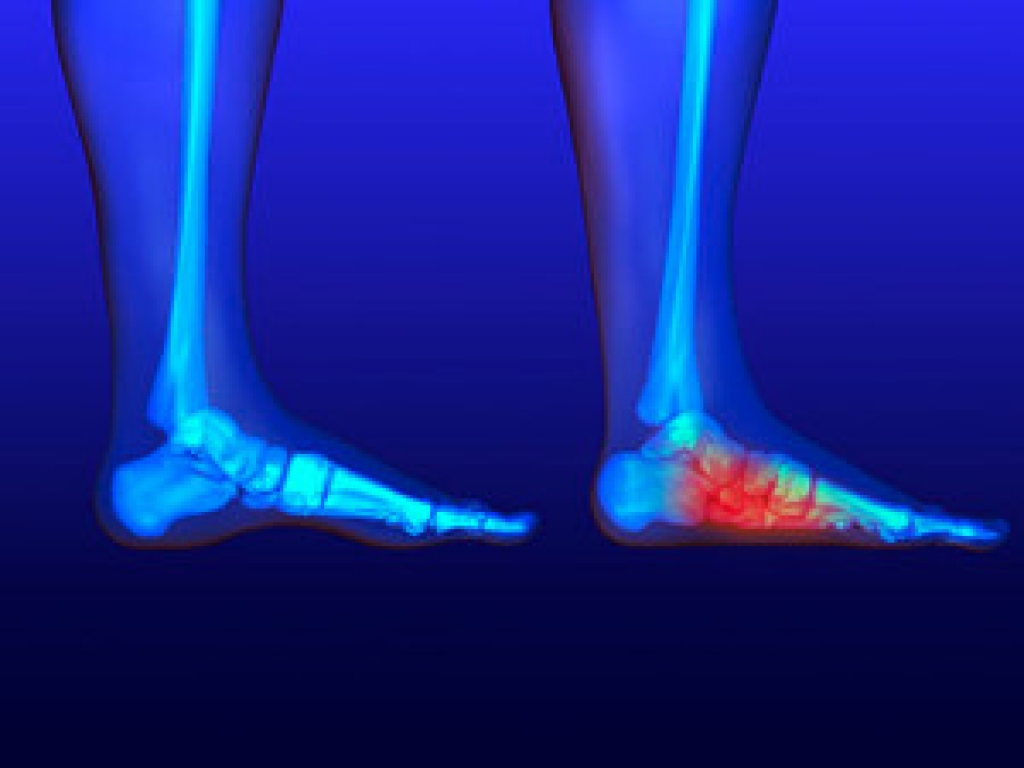
Conditions That May Cause Flat Feet in Adults

The absence of an arch in the feet is known as having flat feet. It may also be referred to as fallen arches, and adults may retain this condition from infancy. The majority of babies are born with flat feet, and the arch will fully develop during the teenage years. Having an abnormal foot structure may cause the arch to not develop, and may be a painful condition in adults. There may be existing medical conditions in adults that can cause flat feet. These can include weakened tendons, ligament injuries, or rheumatoid arthritis. Flat feet may cause patients to have pain, or a general achiness. Performing specific stretches for flat feet may help to reduce existing discomfort. Additionally, some patients may find relief when custom made orthotics are worn, or may opt for surgery if the pain compromises daily activity. If you have flat feet, it is strongly suggested that you are under the care of a podiatrist who can offer you treatment and relief methods that are correct for you.

Flatfoot is a condition many people suffer from. If you have flat feet, contact Andrew Katz, DPM from Allcare Foothealth Center. Our doctor will treat your foot and ankle needs.

What Are Flat Feet?

Flatfoot is a condition in which the arch of the foot is depressed and the sole of the foot is almost completely in contact with the ground. About 20-30% of the population generally has flat feet because their arches never formed during growth.

Conditions & Problems:

Having flat feet makes it difficult to run or walk because of the stress placed on the ankles.

Alignment – The general alignment of your legs can be disrupted, because the ankles move inward which can cause major discomfort.

Knees – If you have complications with your knees, flat feet can be a contributor to arthritis in that area.  

Symptoms

  • Pain around the heel or arch area
  • Trouble standing on the tip toe
  • Swelling around the inside of the ankle
  • Flat look to one or both feet
  • Having your shoes feel uneven when worn

Treatment

If you are experiencing pain and stress on the foot you may weaken the posterior tibial tendon, which runs around the inside of the ankle. 

If you have any questions, please feel free to contact our office located in Palmdale, CA . We offer the newest diagnostic and treatment technologies for all your foot care needs.

Read more about Flatfoot

Causes of Heel Pain

Heel pain is common and there are several causes. It can occur as a result of an injury or from wearing shoes that do not have adequate cushioning in the heel area. The foot condition known as plantar fasciitis can cause severe heel pain and a podiatrist is often consulted for relief. Additionally, enduring an Achilles tendon injury can also produce heel pain, and it can become difficult to walk. People who are afflicted with arthritis in the feet may have swollen heels and a reduced range of motion. For moderate heel pain, performing gentle stretches can help to strengthen the heel and it is helpful to avoid wearing high heels. A heel spur is a bony growth that forms on the bottom of the heel that causes heel pain, too. A heel spur can be diagnosed by having an X-ray taken to determine its size. If you have heel pain, it is strongly suggested that you are under the care of a podiatrist who can analyze the cause and offer you the correct treatment solutions.

Many people suffer from bouts of heel pain. For more information, contact Andrew Katz, DPM of Allcare Foothealth Center. Our doctor can provide the care you need to keep you pain-free and on your feet.

Causes of Heel Pain

Heel pain is often associated with plantar fasciitis. The plantar fascia is a band of tissues that extends along the bottom of the foot. A rip or tear in this ligament can cause inflammation of the tissue.

Achilles tendonitis is another cause of heel pain. Inflammation of the Achilles tendon will cause pain from fractures and muscle tearing. Lack of flexibility is also another symptom.

Heel spurs are another cause of pain. When the tissues of the plantar fascia undergo a great deal of stress, it can lead to ligament separation from the heel bone, causing heel spurs.

Why Might Heel Pain Occur?

  • Wearing ill-fitting shoes                
  • Wearing non-supportive shoes
  • Weight change           
  • Excessive running

Treatments

Heel pain should be treated as soon as possible for immediate results. Keeping your feet in a stress-free environment will help. If you suffer from Achilles tendonitis or plantar fasciitis, applying ice will reduce the swelling. Stretching before an exercise like running will help the muscles. Using all these tips will help make heel pain a condition of the past.

If you have any questions, please feel free to contact our office located in Palmdale, CA . We offer the newest diagnostic and treatment technologies for all your foot care needs.
Read more about Heel Pain

Poor Circulation of the Feet

Poor blood circulation can cause the feet to feel cold, numb, or tingly. It can also cause dry skin on the feet and brittle toenails. This happens because there is an interference with blood delivery of vital oxygen and nutrients to the feet. Poor circulation can make wounds heal slower and increase the risk of infection. Lifestyle changes may help some patients, and others may have to take medicine to widen blood vessels. Though vitamins and supplements cannot cure circulation problems, they may provide relief from symptoms. If you have signs of poor circulation in your feet, it is strongly suggested that you visit a podiatrist as quickly as possible who can determine what the cause is, and offer advice on treatment. 

Poor circulation is a serious condition and needs immediate medical attention. If you have any concerns with poor circulation in your feet contact Andrew Katz, DPM of Allcare Foothealth Center. Our doctor will treat your foot and ankle needs.

Poor Circulation in the Feet

Poor blood circulation in the feet and legs is can be caused by peripheral artery disease (PAD), which is the result of a buildup of plaque in the arteries.

Plaque buildup or atherosclerosis results from excess calcium and cholesterol in the bloodstream. This can restrict the amount of blood which can flow through the arteries. Poor blood circulation in the feet and legs are sometimes caused by inflammation in the blood vessels, known as vasculitis.

Causes

Lack of oxygen and oxygen from poor blood circulation restricts muscle growth and development. It can also cause:

  • Muscle pain, stiffness, or weakness 
  • Numbness or cramping in the legs
  • Skin discoloration
  • Slower nail & hair growth
  • Erectile dysfunction

Those who have diabetes or smoke are at greatest risk for poor circulation, as are those who are over 50. If you have poor circulation in the feet and legs it may be caused by PAD and is important to make changes to your lifestyle in order to reduce risk of getting a heart attack or stroke. Exercise and maintaining a healthy lifestyle will dramatically improve conditions.

As always, see a podiatrist as he or she will assist in finding a regimen that suits you. A podiatrist can also prescribe you any needed medication. 

If you have any questions, please feel free to contact our office located in Palmdale, CA . We offer the newest diagnostic and treatment technologies for all your foot care needs.

Read more about Causes Symptoms and Treatment for Poor Circulation in the Feet

Plantar Fasciitis and Surgery

The foot condition that is known as plantar fasciitis may require foot surgery to be performed. If other treatment methods are unsuccessful, patients may consider surgery as an option for permanent relief. Plantar fasciitis occurs when the plantar fascia becomes irritated or torn, which may happen from standing on hard surfaces for long periods of time. The plantar fascia is found on the bottom of the foot and connects the heels to the toes. The pain is often felt in the heel and lower leg and can cause difficulty in completing daily activities. Patients that have severe pain with this condition can find it can be uncomfortable to walk, causing them to look for relief options. When surgery is performed, the fascia is detached from the heel bone, and this can be successful in relieving tension. New growth occurs during the healing process, which may lengthen the fascia. If you suffer from this painful condition, it is strongly suggested that you consult with a podiatrist who will help you to determine if foot surgery is right for you.

Foot surgery is sometimes necessary to treat a foot ailment. To learn more, contact Andrew Katz, DPM of Allcare Foothealth Center. Our doctor will assist you with all of your foot and ankle needs.

When Is Surgery Necessary?

Foot and ankle surgery is generally reserved for cases in which less invasive, conservative procedures have failed to alleviate the problem. Some of the cases in which surgery may be necessary include:

  • Removing foot deformities like bunions and bone spurs
  • Severe arthritis that has caused bone issues
  • Cosmetic reconstruction

What Types of Surgery Are There?

The type of surgery you receive will depend on the nature of the problem you have. Some of the possible surgeries include:

  • Bunionectomy for painful bunions
  • Surgical fusion for realignment of bones
  • Neuropathy decompression surgery to treat nerve damage

Benefits of Surgery

Although surgery is usually a last resort, it can provide more complete pain relief compared to non-surgical methods and may allow you to finally resume full activity.

Surgical techniques have also become increasingly sophisticated. Techniques like endoscopic surgery allow for smaller incisions and faster recovery times.

If you have any questions, please feel free to contact our office located in Palmdale, CA . We offer the newest diagnostic and treatment technologies for all your foot care needs.
Read more about Foot Surgery

Wounds That Don't Heal Need to Be Checked

Your feet are covered most of the day. If you're diabetic, periodic screening is important for good health. Numbness is often a sign of diabetic foot and can mask a sore or wound.

Orthotics May Help Abnormal Foot Structure

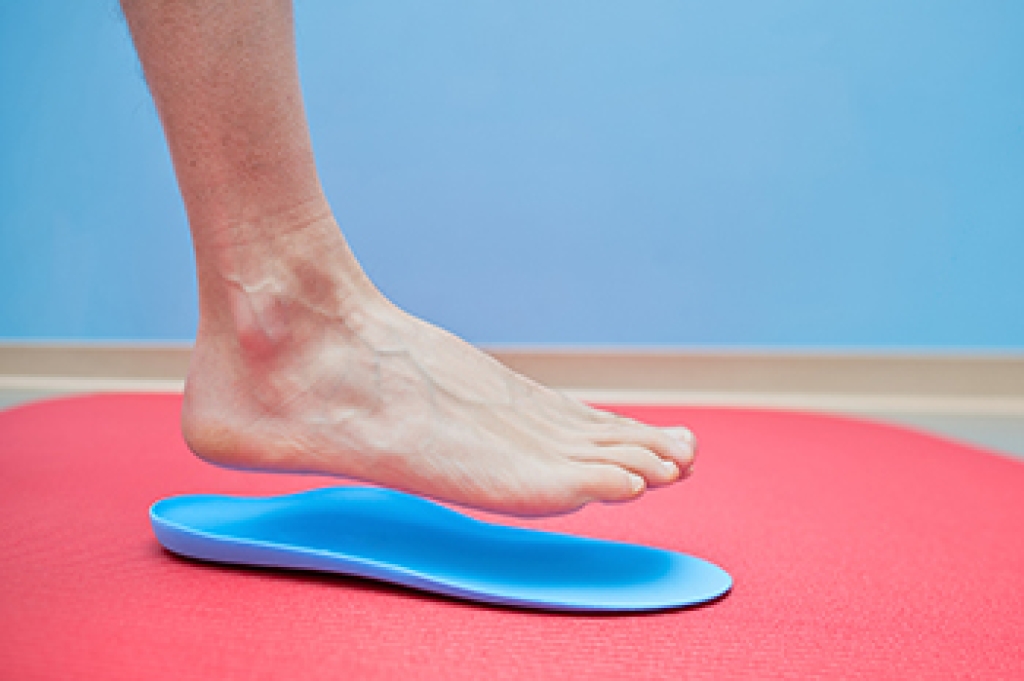
Orthotics are devices placed inside shoes that can correct abnormal foot structures. The feet carry an individual’s weight, and foot pain can cause the entire body to feel fatigued. Custom-made orthotics are unique for your foot needs and are constructed to relieve specific foot problems. They are successful in supporting the arches and can help to realign the feet and ankles. The majority of orthotics offer adequate shock absorption which is often lacking in people who have flat feet. Many people have feet that overpronate, meaning the feet roll inward. Overpronation can happen for various reasons, and orthotics may be helpful for this ailment. If you are considering purchasing orthotics, it is suggested that you consult with a podiatrist who can provide expert advice to help you determine which type is best for you.

If you are having discomfort in your feet and would like to try orthotics, contact Andrew Katz, DPM from Allcare Foothealth Center. Our doctor can provide the care you need to keep you pain-free and on your feet.

What Are Orthotics?

Orthotics are inserts you can place into your shoes to help with a variety of foot problems such as flat feet or foot pain. Orthotics provide relief and comfort for minor foot and heel pain but can’t correct serious biomechanical problems in your feet.

Over-the-Counter Inserts

Orthotics come in a wide variety of over-the-counter inserts that are used to treat foot pain, heel pain, and minor problems. For example, arch supports can be inserted into your shoes to help correct overarched or flat feet, while gel insoles are often used because they provide comfort and relief from foot and heel pain by alleviating pressure.

Prescription Orthotics

If over-the-counter inserts don’t work for you or if you have a more severe foot concern, it is possible to have your podiatrist prescribe custom orthotics. These high-quality inserts are designed to treat problems such as abnormal motion, plantar fasciitis, and severe forms of heel pain. They can even be used to help patients suffering from diabetes by treating foot ulcers and painful calluses and are usually molded to your feet individually, which allows them to provide full support and comfort.

If you are experiencing minor to severe foot or heel pain, it’s recommended to speak with your podiatrist about the possibilities of using orthotics. A podiatrist can determine which type of orthotic is right for you and allow you to take the first steps towards being pain-free.

If you have any questions, please feel free to contact our office located in Palmdale, CA . We offer the newest diagnostic and treatment technologies for all your foot care needs.
Read more about Ankle Foot Orthotics for Athletes

Why Are My Feet Swollen?

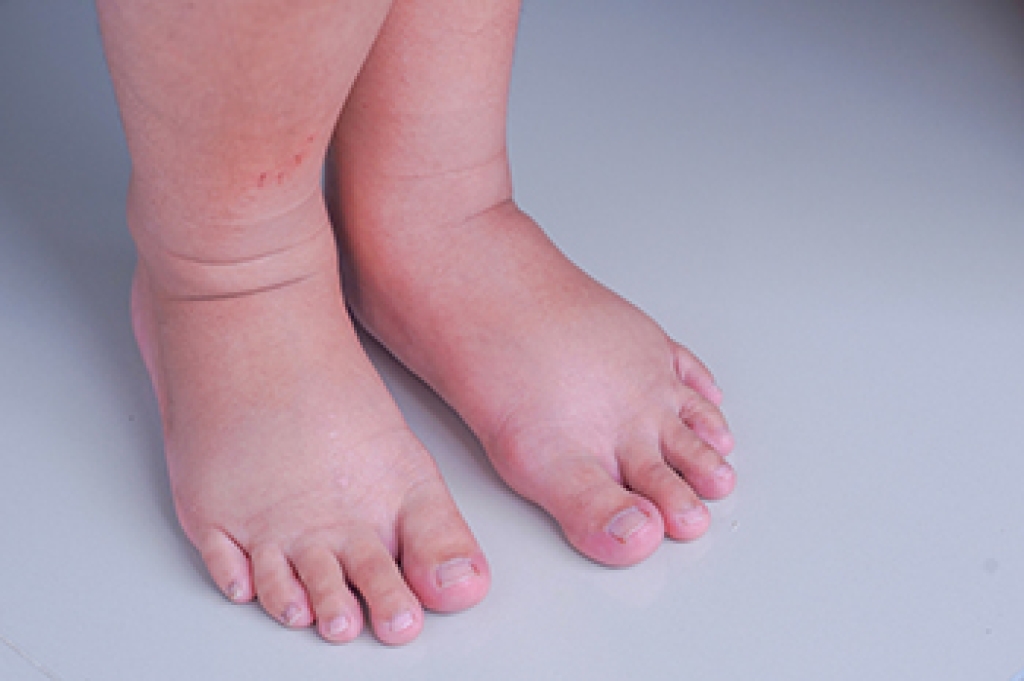
There are various reasons why people may experience swollen feet. Having high blood pressure is a common reason that feet can swell, and limiting salt intake and drinking plenty of water may help to reduce this. Research has shown that many women who are premenopausal develop swollen feet, possibly as a result of their body preparing to start the next phase of their life. Existing medical conditions may lead to having swollen feet, including diabetes, poor circulation, or heart disease. Integrating a gentle exercise and stretching routine may help to control swollen feet, in addition to losing extra weight, if applicable. People who stand for long periods of time during their work day may have swollen feet, and it can be helpful to wear shoes that fit correctly. The arthritic condition that is known as gout may cause the feet to swell, and relief may be found when eating habits are changed. If you have swollen feet, it is suggested that you consult with a podiatrist who can determine the cause and offer you correct treatment solutions.

Swollen feet can be a sign of an underlying condition. If you have any concerns, contact Andrew Katz, DPM of Allcare Foothealth Center. Our doctor can provide the care you need to keep you pain-free and on your feet.

Swollen feet are a common ailment among pregnant women and people who stand or sit for extended periods. Aging may increase the possibility of swollen feet and patients who are obese often notice when their feet are swelling too. There may be medical reasons why swollen feet occur:

  • Phlebitis - A condition that causes the veins to become inflamed and can also cause leg pain.
  • Liver disease - This may lead to low blood levels of albumin which is a protein. This can cause fluid in the blood to pass into the tissues and several areas of the body can become swollen.
  • Heart failure - When the heart doesn’t pump properly the blood that is normally pumped back to the heart can pool in the veins of the legs causing swollen feet.
  • Kidney disease - One of the main functions of the kidneys is releasing excess fluid in the body. This type of condition can make it difficult for the kidneys to function properly, and as a result the feet may become swollen.
  • Deep-vein thrombosis (DVT)- This is a serious condition where blood clots form in the veins of the legs. They can block the return of blood from the legs to the heart which may cause the feet to swell. It is important to be treated by a podiatrist if this condition is present.

Swollen feet can also be caused by bone and tendon conditions, including fractures, arthritis, and tendinitis. Additionally, there may be skin and toenail conditions and an infection may cause the feet to swell. Patients who take medicine to treat high blood pressure may be prone to getting swollen feet. 

Many patients elevate their feet to help relieve the swelling and this is generally a temporary remedy. When a podiatrist is consulted the reason behind the swelling can be uncovered and subsequently treated.

If you have any questions please contact our office located in Palmdale, CA . We offer the newest diagnostic and treatment technologies for all your foot and ankle needs.

Read more about Swelling of the Feet

Awareness May Prevent Falling

There are various reasons why falling may occur. One reason may be a lack of awareness of surroundings, and this can happen from a lack of sleep. The general health of the body may also contribute to the act of falling, which may determine the reaction speed. Getting adequate sleep may enhance the ability to avoid a fall, in addition to having a healthy and strong body. This is especially true of the feet, which can propel the body to stand up after a fall and maintain balance. Effective fall prevention methods can include regular physical and eye examinations. This can be helpful in updating existing medications and eyeglasses. Taking supplements daily may possibly have a positive effect on the brain and nervous system, in addition to having increased awareness. If you would like more knowledge about fall prevention techniques, it is suggested that you consult with a podiatrist who can offer you the correct information.

Preventing falls among the elderly is very important. If you are older and have fallen or fear that you are prone to falling, consult with Andrew Katz, DPM from Allcare Foothealth Center. Our doctor will assess your condition and provide you with quality advice and care.

Every 11 seconds, an elderly American is being treated in an emergency room for a fall related injury. Falls are the leading cause of head and hip injuries for those 65 and older. Due to decreases in strength, balance, senses, and lack of awareness, elderly persons are very susceptible to falling. Thankfully, there are a number of things older persons can do to prevent falls.

How to Prevent Falls

Some effective methods that older persons can do to prevent falls include:

  • Enrolling in strength and balance exercise program to increase balance and strength
  • Periodically having your sight and hearing checked
  • Discuss any medications you have with a doctor to see if it increases the risk of falling
  • Clearing the house of falling hazards and installing devices like grab bars and railings
  • Utilizing a walker or cane
  • Wearing shoes that provide good support and cushioning
  • Talking to family members about falling and increasing awareness

Falling can be a traumatic and embarrassing experience for elderly persons; this can make them less willing to leave the house, and less willing to talk to someone about their fears of falling. Doing such things, however, will increase the likelihood of tripping or losing one’s balance. Knowing the causes of falling and how to prevent them is the best way to mitigate the risk of serious injury.  

If you have any questions, please feel free to contact our office located in Palmdale, CA . We offer the newest diagnostic and treatment technologies for all your foot care needs.

Read more about Falls Prevention

Working on the Feet While Pregnant

Due to the nature of their employment, many people across the country must spend the vast majority of the workday standing on their feet. This could potentially pose problems for pregnant women. Specifically, pregnant women who stand for the entire workday may notice poor circulation in their feet, in addition to increased swelling, or edema. If you are a pregnant woman and must stand for long periods of time during the workday, it is wise to consider taking breaks throughout the day to sit down. Perhaps you may consider resting for 15-minute intervals. Keeping yourself hydrated may also be helpful, and it is beneficial to refrain from drinking caffeinated beverages. If you are pregnant and working on your feet, it is suggested that you schedule an appointment with a podiatrist for helpful relief tactics.  

While working on the feet, it is important to take the proper care of them. For more information about working on your feet, contact Andrew Katz, DPM from Allcare Foothealth Center. Our doctor will treat your foot and ankle needs.

Working on Your Feet

Standing on your feet for long periods of time can cause stress and pain in your feet. Your whole body may experience change in terms of posture, back pain, bunions, callouses and or plantar warts. There are ways to avoid these conditions with proper foot care, smart choices and correct posture.

Positive Changes

Negative heeled shoe – Choosing this shoe type places the heel slightly lower than the ball of the foot. These are great for overall foot health. Find shoes that fit you correctly.

Go barefoot – Our feet were not designed to be enclosed for all hours of the day. Try to periodically expose your feet to air.

Eliminate Pain

Foot Exercises – Performing simple exercises, incorporating yoga and doing stretches are beneficial. This will allow increased blood flow to the area and muscles of the foot.

Achilles tendon – Stretching the foot out flat on the floor will relax the calf muscles and tendon. These exercises can be performed almost anywhere. Make sure you add these exercises to your daily regimen. 

With a little bit of this information and knowing more about foot health, you will notice changes. Foot stretches and proper footwear will help with pain and prevent further issues.

If you have any questions please contact our office located in Palmdale, CA . We offer the newest diagnostic and treatment technologies for all your foot and ankle needs.

Read more about Working on Your Feet

Do Your Child's Feet Hurt?

Have your child's feet been examined lately? Healthy feet are happy feet. If your child is complaining of foot pain, it may be a sign of underlying problems.

Connect With Us