
Understanding the Causes and Symptoms of Swollen Feet

Swollen feet can develop for many reasons and often signal an underlying issue that needs attention. Common causes include prolonged standing, injuries that lead to inflammation, and venous insufficiency where blood struggles to return to the heart. More serious health concerns such as heart or kidney disease can also contribute to fluid buildup in the feet and ankles. Symptoms may include puffiness, tight skin, discomfort, or reduced mobility. A podiatrist can evaluate the cause, provide targeted treatment, and recommend strategies to reduce swelling and improve circulation. If you notice frequent or persistent swelling in your feet, it is suggested that you schedule a visit with a podiatrist for expert care and appropriate relief options.

Swollen feet can be a sign of an underlying condition. If you have any concerns, contact Andrew Katz, DPM of Allcare Foothealth Center. Our doctor can provide the care you need to keep you pain-free and on your feet.

Swollen feet are a common ailment among pregnant women and people who stand or sit for extended periods. Aging may increase the possibility of swollen feet and patients who are obese often notice when their feet are swelling too. There may be medical reasons why swollen feet occur:

  • Phlebitis - A condition that causes the veins to become inflamed and can also cause leg pain.
  • Liver disease - This may lead to low blood levels of albumin which is a protein. This can cause fluid in the blood to pass into the tissues and several areas of the body can become swollen.
  • Heart failure - When the heart doesn’t pump properly the blood that is normally pumped back to the heart can pool in the veins of the legs causing swollen feet.
  • Kidney disease - One of the main functions of the kidneys is releasing excess fluid in the body. This type of condition can make it difficult for the kidneys to function properly, and as a result the feet may become swollen.
  • Deep-vein thrombosis (DVT)- This is a serious condition where blood clots form in the veins of the legs. They can block the return of blood from the legs to the heart which may cause the feet to swell. It is important to be treated by a podiatrist if this condition is present.

Swollen feet can also be caused by bone and tendon conditions, including fractures, arthritis, and tendinitis. Additionally, there may be skin and toenail conditions and an infection may cause the feet to swell. Patients who take medicine to treat high blood pressure may be prone to getting swollen feet. 

Many patients elevate their feet to help relieve the swelling and this is generally a temporary remedy. When a podiatrist is consulted the reason behind the swelling can be uncovered and subsequently treated.

If you have any questions please contact our office located in Palmdale, CA . We offer the newest diagnostic and treatment technologies for all your foot and ankle needs.

Read more about Swelling of the Feet

Types of Ankle Sprains

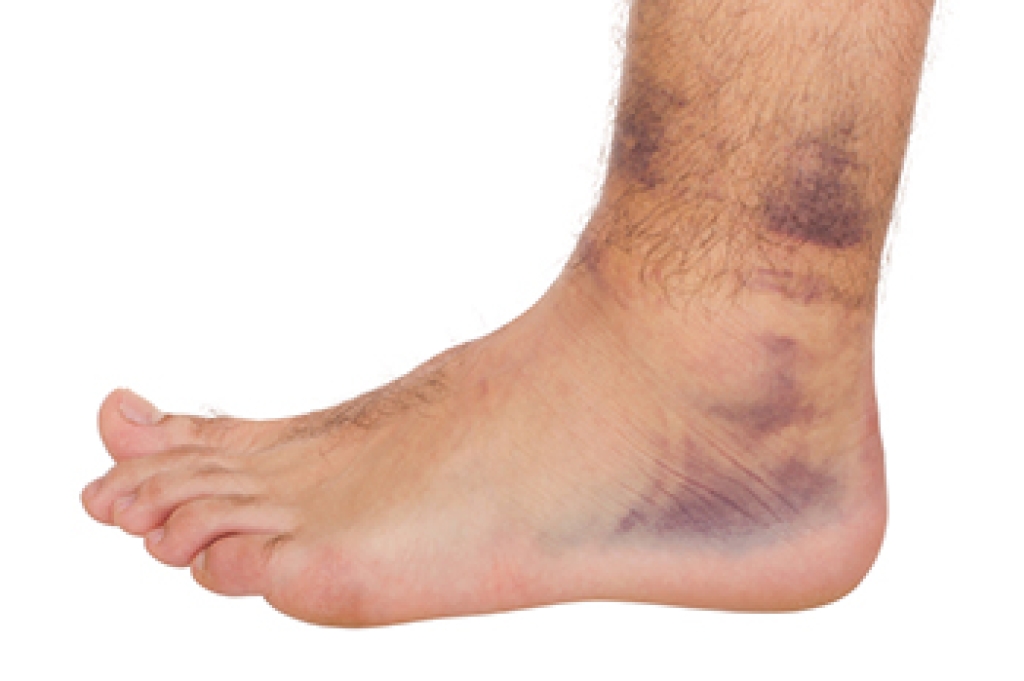
An ankle sprain is a common injury that occurs when the ligaments supporting the ankle stretch or tear. The two main types are inversion sprains, which happen when the foot rolls inward and affect the ligaments on the outer ankle, and eversion sprains, which occur when the foot rolls outward and strain the inner ligaments. These injuries often result from sudden twisting motions, uneven surfaces, sports activities, or missteps. Symptoms may include pain, swelling, bruising, and difficulty bearing weight. A podiatrist can assess the severity of the sprain, provide targeted treatment, and create a rehabilitation plan to restore strength and stability. If you think you have sprained your ankle, it is suggested that you consult a podiatrist who can offer you effective treatment solutions to ensure proper healing. 

Ankle sprains are common but need immediate attention. If you need your feet checked, contact Andrew Katz, DPM from Allcare Foothealth Center. Our doctor can provide the care you need to keep you pain-free and on your feet.

How Does an Ankle Sprain Occur?

Ankle sprains take place when the ligaments in your ankle are torn or stretched beyond their limits. There are multiple ways that the ankle can become injured, including twisting or rolling over onto your ankle, putting undue stress on it, or causing trauma to the ankle itself.

What Are the Symptoms?

  • Mild to moderate bruising
  • Limited mobility
  • Swelling
  • Discoloration of the skin (depending on severity)

Preventing a Sprain

  • Wearing appropriate shoes for the occasion
  • Stretching before exercises and sports
  • Knowing your limits

Treatment of a Sprain

Treatment of a sprain depends on the severity.  Many times, people are told to rest and remain off their feet completely, while others are given an air cast. If the sprain is very severe, surgery may be required.

If you have suffered an ankle sprain previously, you may want to consider additional support such as a brace and regular exercises to strengthen the ankle.

If you have any questions please feel free to contact our office located in Palmdale, CA . We offer the newest diagnostic tools and technology to treat your foot and ankle needs.

Read more about Three Grades of Ankle Sprains

Plantar Warts Can Be Treated!

Plantar warts are small growths that develop on parts of the feet that bear weight. They're typically found on the bottom of the foot. Don't live with plantar warts, and call us today!

The Power of Intrinsic Foot Muscles in Support and Movement

The intrinsic muscles of the foot play a vital role in shock absorption, protection of the plantar fascia, and guiding how force transfers from the ground back into the body, which is especially important for runners who place repeated stress on their feet. Keeping these muscles strong helps improve balance, stability, running efficiency, and overall foot health. Helpful exercises include toe crunches by curling your toes while keeping your heel down, calf raises by lifting your heels slowly while standing tall, and toe extensions by lifting your toes upward while the rest of your foot stays flat. These movements strengthen the small muscles that support your arch and reduce strain during long runs or speed work. A podiatrist can assess your running mechanics and create a personalized strengthening plan. If you experience foot pain, scheduling a visit with a podiatrist can help you stay injury-free and improve performance.

Exercising your feet regularly with the proper foot wear is a great way to prevent injuries and build strength. If you have any concerns about your feet, contact Andrew Katz, DPM from Allcare Foothealth Center. Our doctor can provide the care you need to keep you pain-free and on your feet.

Exercise for Your Feet

Exercise for your feet can help you gain strength, mobility and flexibility in your feet. They say that strengthening your feet can be just as rewarding as strengthening another part of the body. Your feet are very important, and we often forget about them in our daily tasks. But it is because of our feet that are we able to get going and do what we need to. For those of us fortunate enough to not have any foot problems, it is an important gesture to take care of them to ensure good health in the long run.

Some foot health exercises can include ankle pumps, tip-toeing, toe rises, lifting off the floor doing reps and sets, and flexing the toes. It is best to speak with Our doctor to determine an appropriate regimen for your needs. Everyone’s needs and bodies are different, and the activities required to maintain strength in the feet vary from individual to individual. 

Once you get into a routine of doing regular exercise, you may notice a difference in your feet and how strong they may become.

If you have any questions, please feel free to contact our office located in Palmdale, CA . We offer the newest diagnostic and treatment technologies for all your foot care needs.

Read more about Exercise for Your Feet

Getting Help With Foot Drop Syndrome

Foot drop syndrome occurs when a person cannot lift the front of the foot, causing the toes to drag while walking. This can make walking difficult and lead to a high-stepping motion, called a steppage gait. Foot drop can affect one or both feet. It often results from nerve injury, muscle weakness, or brain disorders that affect muscle control. Sometimes, pressure on the peroneal nerve near the knee or trauma to the leg can cause foot drop. A podiatrist can help by checking muscle strength, testing nerve function, and studying foot movement to find the cause. They can order imaging or nerve tests and fit ankle-foot braces or orthotic inserts to improve walking. Surgical remedies can be discussed if nerve or muscle damage is deemed permanent. If you are experiencing symptoms of foot drop when you walk, it is suggested that you make an appointment with a podiatrist for a diagnosis and treatment options.

If you have any concerns about your feet, contact Andrew Katz, DPM from Allcare Foothealth Center. Our doctor can provide the care you need to keep you pain-free and on your feet.

Biomechanics in Podiatry

Podiatric biomechanics is a particular sector of specialty podiatry with licensed practitioners who are trained to diagnose and treat conditions affecting the foot, ankle and lower leg. Biomechanics deals with the forces that act against the body, causing an interference with the biological structures. It focuses on the movement of the ankle, the foot and the forces that interact with them.

A History of Biomechanics

  • Biomechanics dates back to the BC era in Egypt where evidence of professional foot care has been recorded.
  • In 1974, biomechanics gained a higher profile from the studies of Merton Root, who claimed that by changing or controlling the forces between the ankle and the foot, corrections or conditions could be implemented to gain strength and coordination in the area.

Modern technological improvements are based on past theories and therapeutic processes that provide a better understanding of podiatric concepts for biomechanics. Computers can provide accurate information about the forces and patterns of the feet and lower legs.

Understanding biomechanics of the feet can help improve and eliminate pain, stopping further stress to the foot.

If you have any questions please feel free to contact our office located in Palmdale, CA . We offer the newest diagnostic and treatment technologies for all your foot and ankle needs.

Read more about Biomechanics in Podiatry

Connect With Us