Early Indicators of Foot Arthritis

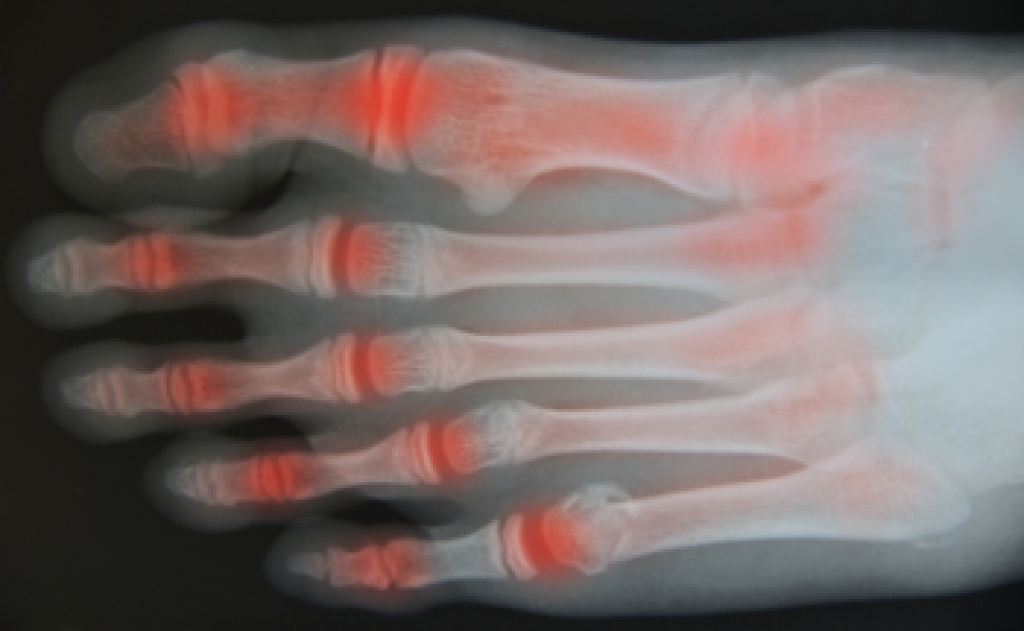
Foot arthritis, a condition affecting the joints in the feet, often begins its onset with inconspicuous signs that warrant attention. Persistent morning stiffness, particularly in the feet, can be an early red flag. Individuals may notice increased discomfort during weight-bearing activities or difficulty flexing and extending the foot joints. Swelling and warmth around the joints may accompany these symptoms, indicating inflammation. As arthritis progresses, subtle changes in foot structure or the development of bunions and hammertoes may become noticeable. Gradual limitations in range of motion may hinder daily activities. Persistent pain, even at rest, is another key signal that warrants investigation. Recognizing these initial whispers of foot arthritis allows for early intervention, potentially mitigating the impact on mobility and overall quality of life. If you have symptoms of foot arthritis, it is strongly suggested that you are under the care of a podiatrist who can effectively diagnose and offer treatment and relief options.

Arthritis can be a difficult condition to live with. If you are seeking treatment, contact Andrew Katz, DPM from Allcare Foothealth Center. Our doctor can provide the care you need to keep you pain-free and on your feet.

Arthritic Foot Care  

Arthritis is a term that is commonly used to describe joint pain.  The condition itself can occur to anyone of any age, race, or gender, and there are over 100 types of it.  Nevertheless, arthritis is more commonly found in women compared to men, and it is also more prevalent in those who are overweight. The causes of arthritis vary depending on which type of arthritis you have. Osteoarthritis for example, is often caused by injury, while rheumatoid arthritis is caused by a misdirected immune system.

Symptoms

  • Swelling
  • Pain
  • Stiffness
  • Decreased Range of Motion

Arthritic symptoms range in severity, and they may come and go. Some symptoms stay the same for several years but could potentially get worse with time. Severe cases of arthritis can prevent its sufferers from performing daily activities and make walking difficult.

Risk Factors

  • Occupation – Occupations requiring repetitive knee movements have been linked to osteoarthritis
  • Obesity – Excess weight can contribute to osteoarthritis development
  • Infection – Microbial agents can infect the joints and trigger arthritis
  • Joint Injuries – Damage to joints may lead to osteoarthritis
  • Age – Risk increases with age
  • Gender –Most types are more common in women
  • Genetics – Arthritis can be hereditary

If you suspect your arthritis is affecting your feet, it is crucial that you see a podiatrist immediately. Your doctor will be able to address your specific case and help you decide which treatment method is best for you.

If you have any questions please feel free to contact our office located in Palmdale, CA . We offer the newest diagnostic tools and technology to treat your foot and ankle needs.

Read more about How to Care for Your Arthritic Foot

Does Pregnancy Lead to Changes in Foot Size?

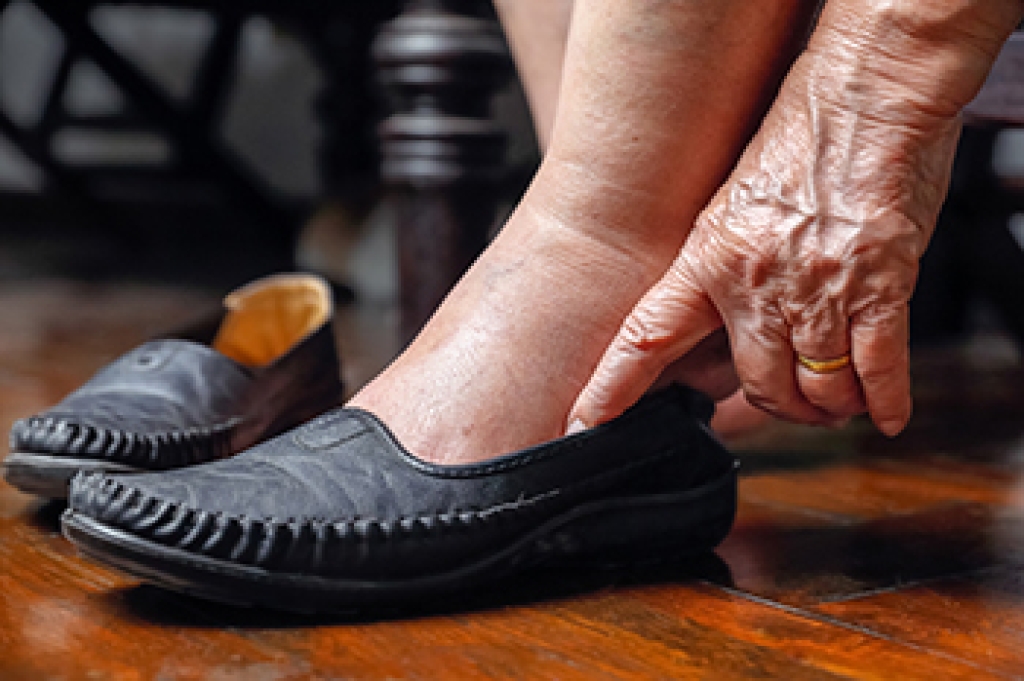
Pregnancy is a transformative journey that brings about numerous changes in a woman's body. While most expectant mothers are well aware of the more obvious alterations, such as weight gain and a growing belly, the potential impact on foot size is a less commonly discussed topic. Many women wonder if their feet will permanently change in size during pregnancy. The answer, in most cases, is possibly. During pregnancy, hormonal changes, particularly the release of relaxin, can affect the ligaments in the body, including those in the feet. This increased flexibility may lead to a temporary, and sometimes permanent, increase in foot size. Additionally, as pregnancy progresses, fluid retention and swelling, known as edema, can cause the feet to become temporarily larger. While swelling typically subsides after childbirth, some women may find that their feet remain slightly larger than they were before pregnancy. Overall, it is important for expectant mothers to be prepared for these potential changes, and consider investing in comfortable, supportive footwear during and after pregnancy to ensure proper foot health and comfort. If you would like more information about how pregnancy can affect the feet, it is suggested that you confer with a podiatrist.

Pregnant women with swollen feet can be treated with a variety of different methods that are readily available. For more information about other cures for swollen feet during pregnancy, consult with Andrew Katz, DPM from Allcare Foothealth Center. Our doctor will attend to all of your foot and ankle needs.

What Foot Problems Can Arise During Pregnancy?

One problem that can occur is overpronation, which occurs when the arch of the foot flattens and tends to roll inward.  This can cause pain and discomfort in your heels while you’re walking or even just standing up, trying to support your baby.  

Another problem is edema, or swelling in the extremities. This often affects the feet during pregnancy but tends to occur in the later stages. 

How Can I Keep My Feet Healthy During Pregnancy?

  • Wearing orthotics can provide extra support for the feet and help distribute weight evenly
  • Minimize the amount of time spent walking barefoot
  • Wear shoes with good arch support
  • Wear shoes that allow for good circulation to the feet
  • Elevate feet if you experience swelling
  • Massage your feet
  • Get regular, light exercise, such as walking, to promote blood circulation to the feet

If you have any questions, please feel free to contact our office located in Palmdale, CA . We offer the newest diagnostic and treatment technologies for all your foot care needs.

Read more about Pregnancy and Foot Health

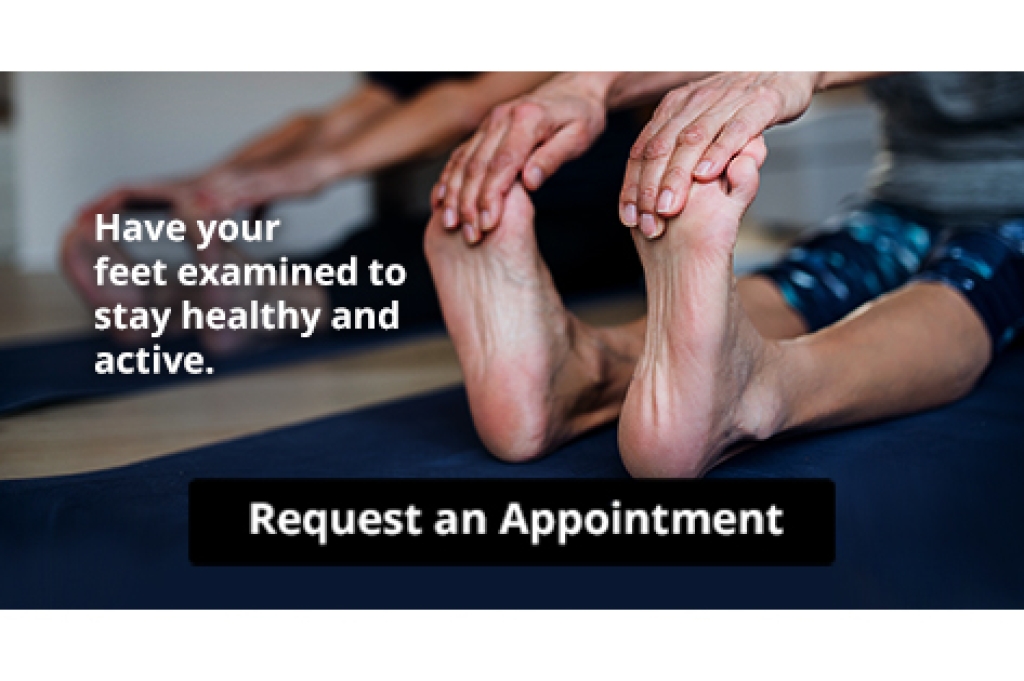
Keep Your Feet Healthy So You Can Stay Active

Have your feet inspected by a professional before starting a new sport or physical activity. Taking charge of your foot health will keep you in good physical condition and can help you avoid a potential injury, such as a fracture or sprained ankle.

Prevent injuries and see a foot specialist.

Warning Signs From Your Feet

The condition of your feet can offer valuable insights into your overall health. For instance, if your feet are persistently cold, it may signal hypothyroidism, a condition that slows your metabolism. Yellow toenails may be a sign of lymphedema or respiratory issues. Persistent yellowing warrants a visit to a podiatrist for a diagnosis and treatment options. Painful foot cramps can result from dehydration or nutrient deficiencies. It is a good idea to stay hydrated, maintain a balanced diet, and consider drinking low-calorie sports drinks with electrolytes to prevent and relieve foot cramps. An enlarged, painful big toe may indicate gout. This is a form of arthritis that often affects the big toe. It results from an overabundance of purines in the system and can cause flare ups of extreme pain, swelling, and redness in the big toe. Reducing the risk of gout involves moderating alcohol intake and avoiding red meat and seafood consumption. If you are experiencing unusual types of foot problems, or suspect you may have gout, it is suggested that you make an appointment with a podiatrist for a full diagnosis and treatment options.

Everyday foot care is very important to prevent infection and other foot ailments. If you need your feet checked, contact Andrew Katz, DPM from Allcare Foothealth Center. Our doctor can provide the care you need to keep you pain-free and on your feet.

Everyday Foot Care

Often, people take care of their bodies, face and hair more so than they do for their feet. But the feet are a very important aspect of our bodies, and one that we should pay more attention to. Without our feet, we would not be able to perform most daily tasks.

It is best to check your feet regularly to make sure there are no new bruises or cuts that you may not have noticed before. For dry feet, moisturizer can easily be a remedy and can be applied as often as necessary to the affected areas. Wearing shoes that fit well can also help you maintain good foot health, as well as making it easier to walk and do daily activities without the stress or pain of ill-fitting shoes, high heels, or even flip flops. Wearing clean socks with closed shoes is important to ensure that sweat and bacteria do not accumulate within the shoe. Clean socks help to prevent Athlete’s foot, fungi problems, bad odors, and can absorb sweat.

If you have any questions, please feel free to contact our office located in Palmdale, CA . We offer the newest diagnostic and treatment technologies for all your foot care needs.

Read more about Everyday Foot Care

Developmental Milestones and Children’s Feet

Children's feet go through remarkable transformations, shifting from their spongy, soft state in the pre-crawling phase, to rapidly growing during their initial years. As children move into the crawling stage, their feet become more delicate, and soft, protective footwear is suggested. When they take their first steps, the need for proper walking shoes arises, given the fast bone development. Entering pre-school, kids are more active, necessitating diverse shoe styles. By school age, feet have evolved significantly, and shoes should be sought for increased activity. To ensure the well-being of your child's developing feet and proper shoes for each milestone achieved, it is suggested that you make an appointment with a podiatrist for guidance on proper foot care that will benefit them throughout life.

Making sure that your children maintain good foot health is very important as they grow. If you have any questions, contact Andrew Katz, DPM of Allcare Foothealth Center. Our doctor can provide the care you need to keep you pain-free and on your feet.

Keeping Children's Feet Healthy

Having healthy feet during childhood can help prevent medical problems later in life, namely in the back and legs. As children grow, their feet require different types of care. Here are some things to consider...

Although babies do not walk yet, it is still very important to take care of their feet.

Avoid putting tight shoes or socks on his or her feet.

Allow the baby to stretch and kick his or her feet to feel comfortable.

As a toddler, kids are now on the move and begin to develop differently. At this age, toddlers are getting a feel for walking, so don’t be alarmed if your toddler is unsteady or ‘walks funny’. 

As your child gets older, it is important to teach them how to take care of their feet.

Show them proper hygiene to prevent infections such as fungus.

Be watchful for any pain or injury.

Have all injuries checked by a doctor as soon as possible.

Comfortable, protective shoes should always be worn, especially at play.

If you have any questions, please feel free to contact our office located in Palmdale, CA . We offer the newest diagnostic and treatment technologies for all your foot care needs.

Read more about What to Do to Keep Your Child’s Feet Healthy

All You Need to Know About Athlete’s Foot

Athlete's foot, also known as tinea pedis, is a skin infection caused by dermatophytes, a type of mold-like fungi. These fungi naturally reside in the skin folds of the foot and generally remain in check if the foot is kept clean and dry. However, conditions like wearing tight, closed shoes or plastic footwear can create a warm, moist environment that promotes fungal growth. The two main fungi responsible for athlete's foot are trichophyton rubrum, which causes moccasin-like lesions and tends to be chronic, and trichophyton mentagrophytes, causing sudden, severe blister-like lesions between the toes. Both conditions are contagious and can be spread through direct skin-to-skin contact or indirectly via contaminated objects like towels, shoes, or wet floors. The risk of contracting athlete's foot increases with age and is higher among those with weakened immune systems. If you have athlete’s foot, it is strongly suggested that you make an appointment with a podiatrist for treatment.

Athlete’s Foot

Athlete’s foot is often an uncomfortable condition to experience. Thankfully, podiatrists specialize in treating athlete’s foot and offer the best treatment options. If you have any questions about athlete’s foot, consult with Andrew Katz, DPM from Allcare Foothealth Center. Our doctor will assess your condition and provide you with quality treatment.

What Is Athlete’s Foot?

Tinea pedis, more commonly known as athlete’s foot, is a non-serious and common fungal infection of the foot. Athlete’s foot is contagious and can be contracted by touching someone who has it or infected surfaces. The most common places contaminated by it are public showers, locker rooms, and swimming pools. Once contracted, it grows on feet that are left inside moist, dark, and warm shoes and socks.

Prevention

The most effective ways to prevent athlete’s foot include:

  • Thoroughly washing and drying feet
  • Avoid going barefoot in locker rooms and public showers
  • Using shower shoes in public showers
  • Wearing socks that allow the feet to breathe
  • Changing socks and shoes frequently if you sweat a lot

Symptoms

Athlete’s foot initially occurs as a rash between the toes. However, if left undiagnosed, it can spread to the sides and bottom of the feet, toenails, and if touched by hand, the hands themselves. Symptoms include:

  • Redness
  • Burning
  • Itching
  • Scaly and peeling skin

Diagnosis and Treatment

Diagnosis is quick and easy. Skin samples will be taken and either viewed under a microscope or sent to a lab for testing. Sometimes, a podiatrist can diagnose it based on simply looking at it. Once confirmed, treatment options include oral and topical antifungal medications.

If you have any questions, please feel free to contact our office located in Palmdale, CA . We offer the newest diagnostic and treatment technologies for all your foot care needs.

Read more about Athlete's Foot

Causes and Symptoms of Poor Circulation in the Feet

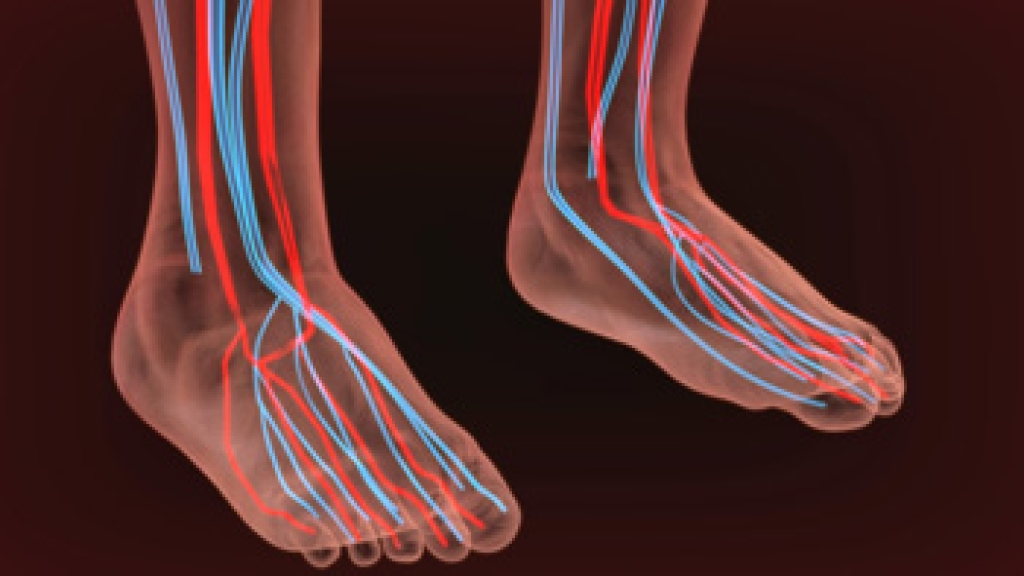
Poor circulation in the feet can be a distressing issue that affects both your comfort and overall health. Several factors can contribute to this condition. One primary cause is atherosclerosis, a buildup of plaque in the arteries that restricts blood flow. Diabetes can lead to neuropathy and arterial damage, resulting in circulatory problems. Additionally, smoking damages blood vessels, reducing circulation. Peripheral artery disease narrows the arteries, often causing discomfort. Blood clots, such as deep vein thrombosis, can obstruct blood flow. Symptoms of poor circulation in the feet include cold feet, numbness, tingling, and muscle cramps. Skin discoloration, slow wound healing, and the development of leg ulcers are also common signs.  Addressing the underlying causes and adopting a healthier lifestyle can improve circulation and overall well-being. Poor circulation is a serious condition that can affect the feet. If you suffer from this condition, it is strongly suggested that you visit a podiatrist who can guide you toward treatment options and relief.

While poor circulation itself isn’t a condition; it is a symptom of another underlying health condition you may have. If you have any concerns with poor circulation in your feet contact Andrew Katz, DPM of Allcare Foothealth Center. Our doctor will treat your foot and ankle needs.

Poor Circulation in the Feet

Peripheral artery disease (PAD) can potentially lead to poor circulation in the lower extremities. PAD is a condition that causes the blood vessels and arteries to narrow. In a linked condition called atherosclerosis, the arteries stiffen up due to a buildup of plaque in the arteries and blood vessels. These two conditions can cause a decrease in the amount of blood that flows to your extremities, therefore resulting in pain.

Symptoms

Some of the most common symptoms of poor circulation are:

  • Numbness
  • Tingling
  • Throbbing or stinging pain in limbs
  • Pain
  • Muscle Cramps

Treatment for poor circulation often depends on the underlying condition that causes it. Methods for treatment may include insulin for diabetes, special exercise programs, surgery for varicose veins, or compression socks for swollen legs.

As always, see a podiatrist as he or she will assist in finding a regimen that suits you. A podiatrist can also prescribe you any needed medication. 

If you have any questions, please feel free to contact our office located in Palmdale, CA . We offer the newest diagnostic and treatment technologies for all your foot care needs.

Read more about Causes, Symptoms, and Treatment of Poor Blood Circulation in the Feet

Heel Pain in the Morning?

Heel pain can negatively affect your day-to-day life. Simple activities like walking can become incredibly uncomfortable or painful due to heel pain.

Don’t live with heel pain and get treated.

Suggested Footwear Options for Diabetics

Diabetic foot complications can be debilitating, but choosing the appropriate footwear can help to manage the symptoms. Diabetic shoes are specially designed with extra depth and a roomy toe box to accommodate custom orthotics or insoles. These shoes are typically made from soft, breathable materials to minimize friction and pressure points, as well as reduce the risk of blisters, calluses, and ulcers. Diabetic shoes often feature seamless interiors and come with supportive arches and cushioned insoles for added comfort. Custom orthotics, prescribed by a podiatrist, are designed to provide personalized support for your unique foot structure and gait. These can be placed inside your regular shoes or diabetic shoes, offering stability, shock absorption, and pressure relief where needed. Extra-wide shoes are a good choice, as they offer ample room for the feet without causing pressure or constriction. Shoes with adjustable closures, such as Velcro straps or laces, can provide a secure fit without excessive tightness. Many people choose to wear diabetic socks, which are generally made from moisture-wicking materials to keep your feet dry and comfortable. They typically have seamless construction to minimize friction and reduce the risk of blisters and ulcers. If you have foot conditions caused by diabetes, it is suggested that you are under the care of a podiatrist who can monitor and manage any problems that may occur.

Diabetic foot care is important in preventing foot ailments such as ulcers. If you are suffering from diabetes or have any other concerns about your feet, contact Andrew Katz, DPM from Allcare Foothealth Center. Our doctor can provide the care you need to keep you pain-free and on your feet.

Diabetic Foot Care

Diabetes affects millions of people every year. The condition can damage blood vessels in many parts of the body, especially the feet. Because of this, taking care of your feet is essential if you have diabetes, and having a podiatrist help monitor your foot health is highly recommended.

The Importance of Caring for Your Feet

  • Routinely inspect your feet for bruises or sores.
  • Wear socks that fit your feet comfortably.
  • Wear comfortable shoes that provide adequate support.

Patients with diabetes should have their doctor monitor their blood levels, as blood sugar levels play such a huge role in diabetic care. Monitoring these levels on a regular basis is highly advised.

It is always best to inform your healthcare professional of any concerns you may have regarding your feet, especially for diabetic patients. Early treatment and routine foot examinations are keys to maintaining proper health, especially because severe complications can arise if proper treatment is not applied.

If you have any questions, please feel free to contact our office located in Palmdale, CA . We offer the newest diagnostic and treatment technologies for all your foot care needs.

Read more about Diabetic Foot Care

Congenital Foot Anomalies

Toe defects can be present at birth, known as congenital anomalies. These can range from incomplete formation to extra toes. One cause could be amniotic band syndrome, where strands from the amniotic sac entangle around the fetus, restricting growth. Polydactyly refers to toes, which can be fully functional or just a flesh nub. Syndactyly involves webbing or fusion of toes. In simple cases, only soft tissues are fused, but in complex cases, bones are also fused. These defects can also be part of genetic syndromes such as Apert syndrome. Diagnosis often involves ultrasounds before birth and X-rays after birth. Genetic testing may also be done, particularly if other family members have similar issues or a genetic syndrome is suspected. Treatment usually involves surgery to correct the defect or remove extra digits. Prosthetics may be used for missing toes. If your child has been born with extra toes, it is suggested that you make an appointment with a podiatrist as quickly as possible for the best treatment for your child that will help ensure growing up with little to no impact on their mobility.

Congenital foot problems require immediate attention to avoid future complications. If you have any concerns, contact Andrew Katz, DPM of Allcare Foothealth Center. Our doctor can provide the care you need to keep you pain-free and on your feet.

Congenital foot problems are deformities affecting the feet, toes, and/or ankles that children are born with. Some of these conditions have a genetic cause while others just happen. Some specific foot ailments that children may be born with include clubfeet, polydactyly/macrodactyly, and cleft foot. There are several other foot anomalies that can occur congenitally. What all of these conditions have in common is that a child may experience difficulty walking or performing everyday activities, as well as trouble finding footwear that fits their foot deformity. Some of these conditions are more serious than others. Consulting with a podiatrist as early as possible will help in properly diagnosing a child’s foot condition while getting the necessary treatment underway.

What are Causes of Congenital Foot Problem?

A congenital foot problem is one that happens to a child at birth. These conditions can be caused by a genetic predisposition, developmental or positional abnormalities during gestation, or with no known cause.

What are Symptoms of Congenital Foot Problems?

Symptoms vary by the congenital condition. Symptoms may consist of the following:

  • Clubfoot, where tendons are shortened, bones are shaped differently, and the Achilles tendon is tight, causing the foot to point in and down. It is also possible for the soles of the feet to face each other.
  • Polydactyly, which usually consists of a nubbin or small lump of tissue without a bone, a toe that is partially formed but has no joints, or an extra toe.
  • Vertical talus, where the talus bone forms in the wrong position causing other bones in the foot to line up improperly, the front of the foot to point up, and the bottom of the foot to stiffen, with no arch, and to curve out.
  • Tarsal coalition, when there is an abnormal connection of two or more bones in the foot leading to severe, rigid flatfoot.
  • Cleft foot, where there are missing toes, a V-shaped cleft, and other anatomical differences.
  • Macrodactyly, when the toes are abnormally large due to overgrowth of the underlying bone or soft tissue.

Treatment and Prevention

While there is nothing one can do to prevent congenital foot problems, raising awareness and receiving neonatal screenings are important. Early detection by taking your child to a podiatrist leads to the best outcome possible.

If you have any questions, please feel free to contact our office located in Palmdale, CA . We offer the newest diagnostic and treatment technologies for all your foot care needs.

Read more about Congenital Foot Problems

Connect With Us