
If left untreated, an ingrown toenail can lead to more serious concerns, such as an infection. Knowing proper nail care can help in the prevention of an ingrown toenail. Give us a call, and get treated!
If left untreated, an ingrown toenail can lead to more serious concerns, such as an infection. Knowing proper nail care can help in the prevention of an ingrown toenail. Give us a call, and get treated!
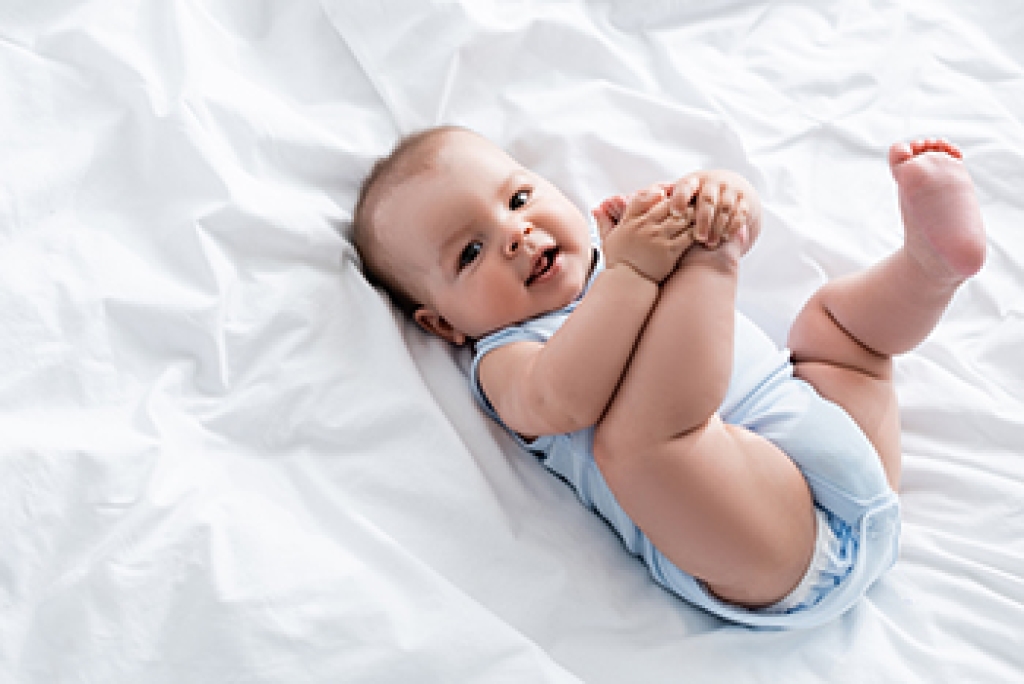
It is said that an individual has poor circulation in the feet when there is less blood flowing to the feet. As a result, individuals might feel any range of symptoms such as cold feet, a pins and needles feeling, or pain and achiness. Many parents of newborn babies often have many questions about whether and to what extent their baby might be experiencing any kind of poor circulation in the feet. For example, sometimes baby’s feet might experience poor circulation and turn a slight purple shade as a result. Interestingly, it is not always a serious sign if a baby exhibits some degree of reduced circulation in the feet. However, it is always best to consult with a health professional like a podiatrist, especially if your baby demonstrates a blue-ish tongue, which may be a more serious sign of an underlying problem. Schedule an appointment with a podiatrist today for more information about your baby’s foot health.
While poor circulation itself isn’t a condition; it is a symptom of another underlying health condition you may have. If you have any concerns with poor circulation in your feet contact Andrew Katz, DPM of Allcare Foothealth Center. Our doctor will treat your foot and ankle needs.
Poor Circulation in the Feet
Peripheral artery disease (PAD) can potentially lead to poor circulation in the lower extremities. PAD is a condition that causes the blood vessels and arteries to narrow. In a linked condition called atherosclerosis, the arteries stiffen up due to a buildup of plaque in the arteries and blood vessels. These two conditions can cause a decrease in the amount of blood that flows to your extremities, therefore resulting in pain.
Symptoms
Some of the most common symptoms of poor circulation are:
Treatment for poor circulation often depends on the underlying condition that causes it. Methods for treatment may include insulin for diabetes, special exercise programs, surgery for varicose veins, or compression socks for swollen legs.
As always, see a podiatrist as he or she will assist in finding a regimen that suits you. A podiatrist can also prescribe you any needed medication.
If you have any questions, please feel free to contact our office located in Palmdale, CA . We offer the newest diagnostic and treatment technologies for all your foot care needs.
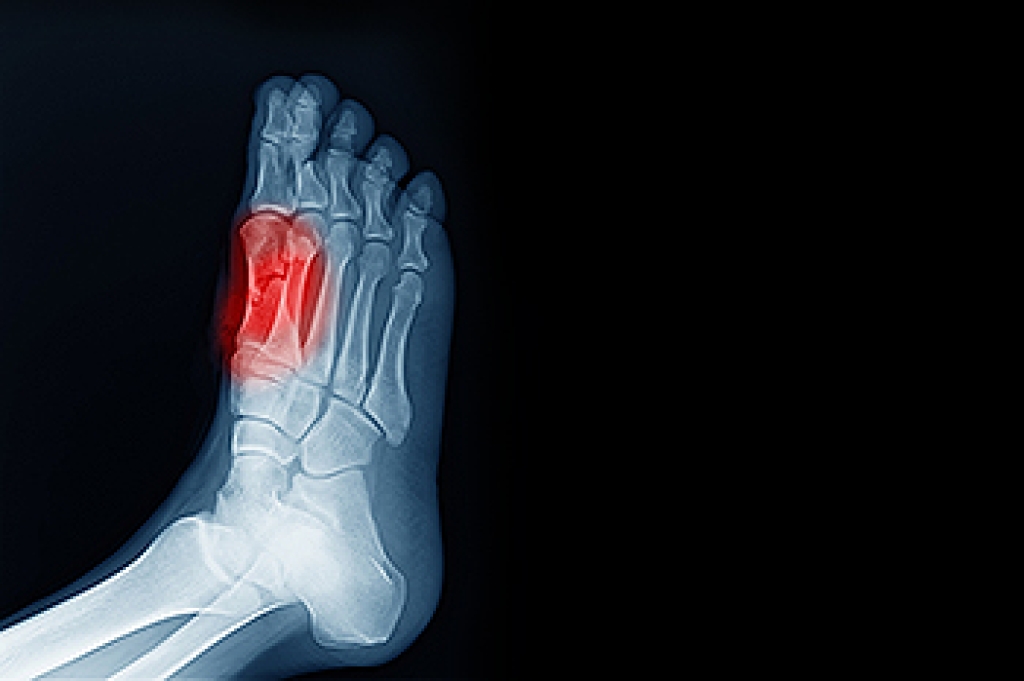
Sesamoiditis is a foot condition that develops when the sesamoid bones in the balls of the feet become inflamed and irritated. If you cycle a great deal during your exercise routine, you might be putting yourself at risk of developing sesamoiditis. Specifically, the sesamoid bones might rupture if the stress from cycling is too great on the feet. There are several ways in which you might work with a medical professional like a podiatrist to treat this problem. For example, you might treat this problem by simply cycling with more supportive footwear. Alternatively, your podiatrist might even recommend wearing orthotic devices of some kind to mitigate the effects of sesamoiditis during cycling. If you are a cyclist and are experiencing some kind of sesamoiditis, contact a podiatrist today for treatment.
Sesamoiditis is an unpleasant foot condition characterized by pain in the balls of the feet. If you think you’re struggling with sesamoiditis, contact Andrew Katz, DPM of Allcare Foothealth Center. Our doctor will treat your condition thoroughly and effectively.
Sesamoiditis
Sesamoiditis is a condition of the foot that affects the ball of the foot. It is more common in younger people than it is in older people. It can also occur with people who have begun a new exercise program, since their bodies are adjusting to the new physical regimen. Pain may also be caused by the inflammation of tendons surrounding the bones. It is important to seek treatment in its early stages because if you ignore the pain, this condition can lead to more serious problems such as severe irritation and bone fractures.
Causes of Sesamoiditis
Treatment for sesamoiditis is non-invasive and simple. Doctors may recommend a strict rest period where the patient forgoes most physical activity. This will help give the patient time to heal their feet through limited activity. For serious cases, it is best to speak with your doctor to determine a treatment option that will help your specific needs.
If you have any questions, please feel free to contact our office located in Palmdale, CA . We offer the newest diagnostic and treatment technologies for all your foot care needs.
When an individual grows older, it can become significantly difficult to take care of the feet, given the usual difficulty of bending down to reach them. However, it becomes even more important the older an individual gets to take good care of the feet. One interesting way in which senior citizens might be able to better care for their feet is with the help of a tool named a long-reach foot brush. This device has a long handle, and at the tip are a series of bristles that form the brush. This device can be used by seniors to reach their feet without the necessity of bending over. Often, long-reach foot brushes might be used during a shower for seniors to clean their feet during bathing. Some of these tools even have pumice stones attached to the back of the brush for ample foot care. If you are a senior citizen or are caring for one, consider incorporating these brushes into the daily foot care routine. If you have more questions, contact a podiatrist today.
Proper foot care is something many older adults forget to consider. If you have any concerns about your feet and ankles, contact Andrew Katz, DPM from Allcare Foothealth Center. Our doctor can provide the care you need to keep you pain-free and on your feet.
The Elderly and Their Feet
As we age we start to notice many changes in our body, but the elder population may not notice them right away. Medical conditions may prevent the elderly to take notice of their foot health right away. Poor vision is a lead contributor to not taking action for the elderly.
Common Conditions
Susceptible Infections
Diabetes and poor circulation can cause general loss of sensitivity over the years, turning a simple cut into a serious issue.
If you have any questions, please feel free to contact our office located in Palmdale, CA . We offer the newest diagnostic and treatment technologies for all your foot care needs.
Baby’s feet are adorable and can melt your heart. Their feet are mostly made up of fatty tissue and are generally soft and pliable. At first baby’s feet may appear blue, wrinkled, and peeling, but as soon as a baby gets warm, their feet will become pink and fill out. It is important to care for a baby’s feet to make them strong enough for when they start walking. Their feet should be clean and clear of infection. Their feet should be allowed to grow, develop, and strengthen naturally. Wash and dry a baby’s feet daily. Sprinkle them with baby powder to assure they stay dry. Cut toenails straight across to ensure they do not grow into the skin. Make sure the baby has enough space to move their feet around, without being restricted. Exercise their feet by tickling their feet a bit so they can flex and stretch them. Have them wear socks versus shoes so movement is free. Examine the baby’s feet to make sure problems are not brewing. See a podiatrist for a proper evaluation and treatment if you see something amiss with your baby's feet.
The health of a child’s feet is vital to their overall well-being. If you have any questions regarding foot health, contact Andrew Katz, DPM of Allcare Foothealth Center. Our doctor can provide the care you need to keep you pain-free and on your feet.
Tips for Keeping Children's Feet Healthy
If you have any questions, please feel free to contact our office located in Palmdale, CA . We offer the newest diagnostic and treatment technologies for all your foot care needs.
Connect With Us
