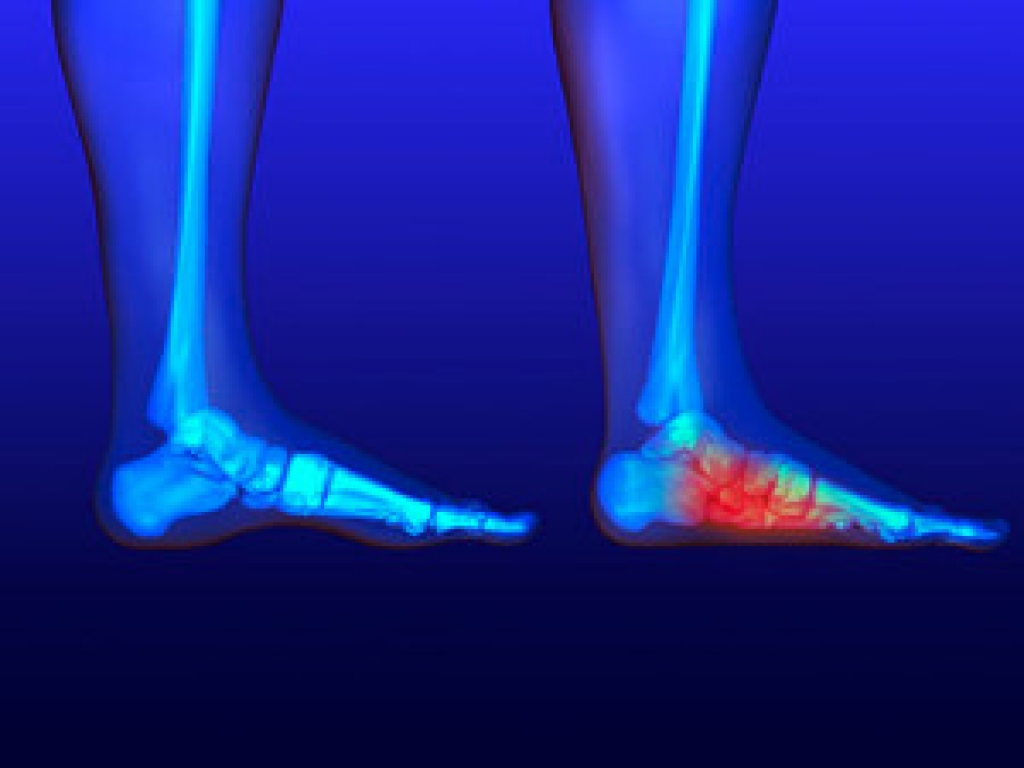
Conditions That May Cause Flat Feet in Adults

The absence of an arch in the feet is known as having flat feet. It may also be referred to as fallen arches, and adults may retain this condition from infancy. The majority of babies are born with flat feet, and the arch will fully develop during the teenage years. Having an abnormal foot structure may cause the arch to not develop, and may be a painful condition in adults. There may be existing medical conditions in adults that can cause flat feet. These can include weakened tendons, ligament injuries, or rheumatoid arthritis. Flat feet may cause patients to have pain, or a general achiness. Performing specific stretches for flat feet may help to reduce existing discomfort. Additionally, some patients may find relief when custom made orthotics are worn, or may opt for surgery if the pain compromises daily activity. If you have flat feet, it is strongly suggested that you are under the care of a podiatrist who can offer you treatment and relief methods that are correct for you.

Flatfoot is a condition many people suffer from. If you have flat feet, contact Andrew Katz, DPM from Allcare Foothealth Center. Our doctor will treat your foot and ankle needs.

What Are Flat Feet?

Flatfoot is a condition in which the arch of the foot is depressed and the sole of the foot is almost completely in contact with the ground. About 20-30% of the population generally has flat feet because their arches never formed during growth.

Conditions & Problems:

Having flat feet makes it difficult to run or walk because of the stress placed on the ankles.

Alignment – The general alignment of your legs can be disrupted, because the ankles move inward which can cause major discomfort.

Knees – If you have complications with your knees, flat feet can be a contributor to arthritis in that area.  

Symptoms

  • Pain around the heel or arch area
  • Trouble standing on the tip toe
  • Swelling around the inside of the ankle
  • Flat look to one or both feet
  • Having your shoes feel uneven when worn

Treatment

If you are experiencing pain and stress on the foot you may weaken the posterior tibial tendon, which runs around the inside of the ankle. 

If you have any questions, please feel free to contact our office located in Palmdale, CA . We offer the newest diagnostic and treatment technologies for all your foot care needs.

Read more about Flatfoot

Causes of Heel Pain

Heel pain is common and there are several causes. It can occur as a result of an injury or from wearing shoes that do not have adequate cushioning in the heel area. The foot condition known as plantar fasciitis can cause severe heel pain and a podiatrist is often consulted for relief. Additionally, enduring an Achilles tendon injury can also produce heel pain, and it can become difficult to walk. People who are afflicted with arthritis in the feet may have swollen heels and a reduced range of motion. For moderate heel pain, performing gentle stretches can help to strengthen the heel and it is helpful to avoid wearing high heels. A heel spur is a bony growth that forms on the bottom of the heel that causes heel pain, too. A heel spur can be diagnosed by having an X-ray taken to determine its size. If you have heel pain, it is strongly suggested that you are under the care of a podiatrist who can analyze the cause and offer you the correct treatment solutions.

Many people suffer from bouts of heel pain. For more information, contact Andrew Katz, DPM of Allcare Foothealth Center. Our doctor can provide the care you need to keep you pain-free and on your feet.

Causes of Heel Pain

Heel pain is often associated with plantar fasciitis. The plantar fascia is a band of tissues that extends along the bottom of the foot. A rip or tear in this ligament can cause inflammation of the tissue.

Achilles tendonitis is another cause of heel pain. Inflammation of the Achilles tendon will cause pain from fractures and muscle tearing. Lack of flexibility is also another symptom.

Heel spurs are another cause of pain. When the tissues of the plantar fascia undergo a great deal of stress, it can lead to ligament separation from the heel bone, causing heel spurs.

Why Might Heel Pain Occur?

  • Wearing ill-fitting shoes                
  • Wearing non-supportive shoes
  • Weight change           
  • Excessive running

Treatments

Heel pain should be treated as soon as possible for immediate results. Keeping your feet in a stress-free environment will help. If you suffer from Achilles tendonitis or plantar fasciitis, applying ice will reduce the swelling. Stretching before an exercise like running will help the muscles. Using all these tips will help make heel pain a condition of the past.

If you have any questions, please feel free to contact our office located in Palmdale, CA . We offer the newest diagnostic and treatment technologies for all your foot care needs.
Read more about Heel Pain

Poor Circulation of the Feet

Poor blood circulation can cause the feet to feel cold, numb, or tingly. It can also cause dry skin on the feet and brittle toenails. This happens because there is an interference with blood delivery of vital oxygen and nutrients to the feet. Poor circulation can make wounds heal slower and increase the risk of infection. Lifestyle changes may help some patients, and others may have to take medicine to widen blood vessels. Though vitamins and supplements cannot cure circulation problems, they may provide relief from symptoms. If you have signs of poor circulation in your feet, it is strongly suggested that you visit a podiatrist as quickly as possible who can determine what the cause is, and offer advice on treatment. 

Poor circulation is a serious condition and needs immediate medical attention. If you have any concerns with poor circulation in your feet contact Andrew Katz, DPM of Allcare Foothealth Center. Our doctor will treat your foot and ankle needs.

Poor Circulation in the Feet

Poor blood circulation in the feet and legs is can be caused by peripheral artery disease (PAD), which is the result of a buildup of plaque in the arteries.

Plaque buildup or atherosclerosis results from excess calcium and cholesterol in the bloodstream. This can restrict the amount of blood which can flow through the arteries. Poor blood circulation in the feet and legs are sometimes caused by inflammation in the blood vessels, known as vasculitis.

Causes

Lack of oxygen and oxygen from poor blood circulation restricts muscle growth and development. It can also cause:

  • Muscle pain, stiffness, or weakness 
  • Numbness or cramping in the legs
  • Skin discoloration
  • Slower nail & hair growth
  • Erectile dysfunction

Those who have diabetes or smoke are at greatest risk for poor circulation, as are those who are over 50. If you have poor circulation in the feet and legs it may be caused by PAD and is important to make changes to your lifestyle in order to reduce risk of getting a heart attack or stroke. Exercise and maintaining a healthy lifestyle will dramatically improve conditions.

As always, see a podiatrist as he or she will assist in finding a regimen that suits you. A podiatrist can also prescribe you any needed medication. 

If you have any questions, please feel free to contact our office located in Palmdale, CA . We offer the newest diagnostic and treatment technologies for all your foot care needs.

Read more about Causes Symptoms and Treatment for Poor Circulation in the Feet

Plantar Fasciitis and Surgery

The foot condition that is known as plantar fasciitis may require foot surgery to be performed. If other treatment methods are unsuccessful, patients may consider surgery as an option for permanent relief. Plantar fasciitis occurs when the plantar fascia becomes irritated or torn, which may happen from standing on hard surfaces for long periods of time. The plantar fascia is found on the bottom of the foot and connects the heels to the toes. The pain is often felt in the heel and lower leg and can cause difficulty in completing daily activities. Patients that have severe pain with this condition can find it can be uncomfortable to walk, causing them to look for relief options. When surgery is performed, the fascia is detached from the heel bone, and this can be successful in relieving tension. New growth occurs during the healing process, which may lengthen the fascia. If you suffer from this painful condition, it is strongly suggested that you consult with a podiatrist who will help you to determine if foot surgery is right for you.

Foot surgery is sometimes necessary to treat a foot ailment. To learn more, contact Andrew Katz, DPM of Allcare Foothealth Center. Our doctor will assist you with all of your foot and ankle needs.

When Is Surgery Necessary?

Foot and ankle surgery is generally reserved for cases in which less invasive, conservative procedures have failed to alleviate the problem. Some of the cases in which surgery may be necessary include:

  • Removing foot deformities like bunions and bone spurs
  • Severe arthritis that has caused bone issues
  • Cosmetic reconstruction

What Types of Surgery Are There?

The type of surgery you receive will depend on the nature of the problem you have. Some of the possible surgeries include:

  • Bunionectomy for painful bunions
  • Surgical fusion for realignment of bones
  • Neuropathy decompression surgery to treat nerve damage

Benefits of Surgery

Although surgery is usually a last resort, it can provide more complete pain relief compared to non-surgical methods and may allow you to finally resume full activity.

Surgical techniques have also become increasingly sophisticated. Techniques like endoscopic surgery allow for smaller incisions and faster recovery times.

If you have any questions, please feel free to contact our office located in Palmdale, CA . We offer the newest diagnostic and treatment technologies for all your foot care needs.

Read more about Foot Surgery

Wounds That Don't Heal Need to Be Checked

Your feet are covered most of the day. If you're diabetic, periodic screening is important for good health. Numbness is often a sign of diabetic foot and can mask a sore or wound.

Connect With Us