The Hidden Dangers of Falls

Falls can lead to serious foot and ankle injuries, from sprains and fractures to long-term mobility issues. While anyone can fall, children and seniors are especially vulnerable. Kids, with their endless energy and unsteady coordination, often take tumbles, while aging adults face balance challenges and weaker bones. Surprisingly, men are more likely to die from a fall, while women are more likely to suffer lasting disabilities. Prevention is key. Seniors should focus on balance exercises, wearing proper footwear, and removing trip hazards at home. Good lighting, handrails, and assistive devices can also help. Children benefit from safe play areas, wearing non-slip socks, and learning to navigate stairs carefully. When falls do happen, injuries may not always seem severe at first. Ignoring them can lead to long-term damage. If foot or ankle pain lingers after a fall, it is suggested that you schedule an appointment with a podiatrist for evaluation and appropriate treatment.

Preventing falls among the elderly is very important. If you are older and have fallen or fear that you are prone to falling, consult with Andrew Katz, DPM from Allcare Foothealth Center. Our doctor will assess your condition and provide you with quality advice and care.

Every 11 seconds, an elderly American is being treated in an emergency room for a fall related injury. Falls are the leading cause of head and hip injuries for those 65 and older. Due to decreases in strength, balance, senses, and lack of awareness, elderly persons are very susceptible to falling. Thankfully, there are a number of things older persons can do to prevent falls.

How to Prevent Falls

Some effective methods that older persons can do to prevent falls include:

  • Enrolling in strength and balance exercise program to increase balance and strength
  • Periodically having your sight and hearing checked
  • Discuss any medications you have with a doctor to see if it increases the risk of falling
  • Clearing the house of falling hazards and installing devices like grab bars and railings
  • Utilizing a walker or cane
  • Wearing shoes that provide good support and cushioning
  • Talking to family members about falling and increasing awareness

Falling can be a traumatic and embarrassing experience for elderly persons; this can make them less willing to leave the house, and less willing to talk to someone about their fears of falling. Doing such things, however, will increase the likelihood of tripping or losing one’s balance. Knowing the causes of falling and how to prevent them is the best way to mitigate the risk of serious injury.  

If you have any questions, please feel free to contact our office located in Palmdale, CA . We offer the newest diagnostic and treatment technologies for all your foot care needs.

Read more about Falls Prevention

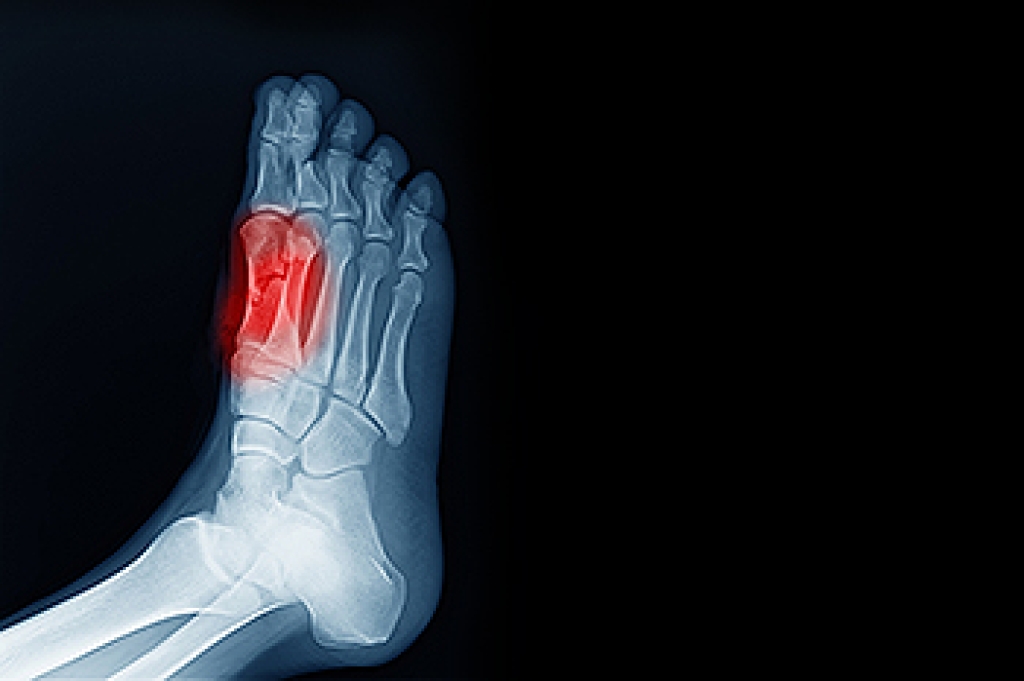
What Is Sesamoiditis?

Sesamoiditis is a painful condition that affects two small sesamoid bones located under the big toe joint. It occurs when these bones become irritated or inflamed, usually due to overuse or repetitive pressure from high-impact activities like running or jumping. Symptoms include pain at the base of the big toe, swelling, and tenderness, especially when bearing weight or pushing off during walking or running. The pain from sesamoiditis can feel sharp or throbbing, and it often worsens with activity. Rest and anti-inflammatory medications are common initial treatments. Wearing cushioned footwear or using custom orthotics to reduce pressure on the affected area can also help. In more severe cases, your podiatrist may recommend corticosteroid injections. This type of doctor specializes in diagnosing and treating conditions like sesamoiditis, helping to reduce pain and prevent further damage. If you are experiencing pain near the base of your big toe, it is suggested that you schedule an appointment with a podiatrist for a tailored treatment plan.

Sesamoiditis is an unpleasant foot condition characterized by pain in the balls of the feet. If you think you’re struggling with sesamoiditis, contact Andrew Katz, DPM of Allcare Foothealth Center. Our doctor will treat your condition thoroughly and effectively.

Sesamoiditis

Sesamoiditis is a condition of the foot that affects the ball of the foot. It is more common in younger people than it is in older people. It can also occur with people who have begun a new exercise program, since their bodies are adjusting to the new physical regimen. Pain may also be caused by the inflammation of tendons surrounding the bones. It is important to seek treatment in its early stages because if you ignore the pain, this condition can lead to more serious problems such as severe irritation and bone fractures.

Causes of Sesamoiditis

  • Sudden increase in activity
  • Increase in physically strenuous movement without a proper warm up or build up
  • Foot structure: those who have smaller, bonier feet or those with a high arch may be more susceptible

Treatment for sesamoiditis is non-invasive and simple. Doctors may recommend a strict rest period where the patient forgoes most physical activity. This will help give the patient time to heal their feet through limited activity. For serious cases, it is best to speak with your doctor to determine a treatment option that will help your specific needs.

If you have any questions, please feel free to contact our office located in Palmdale, CA . We offer the newest diagnostic and treatment technologies for all your foot care needs.

Read more about Sesamoiditis

It's Time for Beautiful Feet

You don't need an excuse to have beautiful nails. Step outside without worrying about the appearance of your feet.

Circulation Issues in Painful Diabetic Neuropathy

Painful diabetic neuropathy happens when high blood sugar damages nerves, causing pain, burning, or tingling in the feet. One key issue is blood flow. Studies show that people with this condition often have too much blood flow in their feet due to a problem with the sympathetic nervous system. This system helps control circulation, but when it does not work properly, blood flow can be too high, leading to nerve irritation and pain. Research suggests that fixing this blood flow issue could help reduce pain. Understanding why the body reacts this way might lead to better treatments. If you have diabetes and your feet hurt, burn, or tingle, do not ignore it, as it can worsen. It is suggested that you see a podiatrist who can check your feet, suggest treatments and help you manage your symptoms.

While poor circulation itself isn’t a condition; it is a symptom of another underlying health condition you may have. If you have any concerns with poor circulation in your feet contact Andrew Katz, DPM of Allcare Foothealth Center. Our doctor will treat your foot and ankle needs.

Poor Circulation in the Feet

Peripheral artery disease (PAD) can potentially lead to poor circulation in the lower extremities. PAD is a condition that causes the blood vessels and arteries to narrow. In a linked condition called atherosclerosis, the arteries stiffen up due to a buildup of plaque in the arteries and blood vessels. These two conditions can cause a decrease in the amount of blood that flows to your extremities, therefore resulting in pain.

Symptoms

Some of the most common symptoms of poor circulation are:

  • Numbness
  • Tingling
  • Throbbing or stinging pain in limbs
  • Pain
  • Muscle Cramps

Treatment for poor circulation often depends on the underlying condition that causes it. Methods for treatment may include insulin for diabetes, special exercise programs, surgery for varicose veins, or compression socks for swollen legs.

As always, see a podiatrist as he or she will assist in finding a regimen that suits you. A podiatrist can also prescribe you any needed medication. 

If you have any questions, please feel free to contact our office located in Palmdale, CA . We offer the newest diagnostic and treatment technologies for all your foot care needs.

Read more about Causes, Symptoms, and Treatment of Poor Blood Circulation in the Feet

How Does Neuropathy Affect the Feet?

Peripheral neuropathy is a condition that affects the peripheral nervous system, causing damage to the nerves outside the brain and spinal cord. It can result from various factors, including diabetes, injury, infections, or certain medications. The symptoms often include pain, weakness, numbness, tingling, and a burning sensation, typically in the feet and hands. This discomfort can range from mild to severe and may make walking or performing daily tasks difficult. Treatment for peripheral neuropathy depends on the underlying cause but usually includes pain management, targeted exercises, and medications to reduce nerve inflammation. In some cases, lifestyle changes like controlling blood sugar or improving circulation may help alleviate symptoms. A podiatrist can assist by evaluating your condition, offering pain relief strategies, providing custom orthotics to improve mobility, and recommending exercises to maintain strength and flexibility. If you are experiencing symptoms of peripheral neuropathy, it is suggested that you schedule an appointment with a podiatrist for expert care and management.

Neuropathy

Neuropathy can be a potentially serious condition, especially if it is left undiagnosed. If you have any concerns that you may be experiencing nerve loss in your feet, consult with Andrew Katz, DPM from Allcare Foothealth Center. Our doctor will assess your condition and provide you with quality foot and ankle treatment for neuropathy.

What Is Neuropathy?

Neuropathy is a condition that leads to damage to the nerves in the body. Peripheral neuropathy, or neuropathy that affects your peripheral nervous system, usually occurs in the feet. Neuropathy can be triggered by a number of different causes. Such causes include diabetes, infections, cancers, disorders, and toxic substances.

Symptoms of Neuropathy Include:

  • Numbness
  • Sensation loss
  • Prickling and tingling sensations
  • Throbbing, freezing, burning pains
  • Muscle weakness

Those with diabetes are at serious risk due to being unable to feel an ulcer on their feet. Diabetics usually also suffer from poor blood circulation. This can lead to the wound not healing, infections occurring, and the limb may have to be amputated.

Treatment

To treat neuropathy in the foot, podiatrists will first diagnose the cause of the neuropathy. Figuring out the underlying cause of the neuropathy will allow the podiatrist to prescribe the best treatment, whether it be caused by diabetes, toxic substance exposure, infection, etc. If the nerve has not died, then it’s possible that sensation may be able to return to the foot.

Pain medication may be issued for pain. Electrical nerve stimulation can be used to stimulate nerves. If the neuropathy is caused from pressure on the nerves, then surgery may be necessary.

If you have any questions, please feel free to contact our office located in Palmdale, CA . We offer the newest diagnostic and treatment technologies for all your foot care needs.

Read more about Neuropathy

Causes and Symptoms of a Sprained Toe

A sprained toe occurs when the ligaments in the toe are stretched or torn. This injury often results from trauma, such as stubbing the toe, or from hyperextension, where the joint is forced beyond its normal range of motion. A sprained toe is different from a broken toe, which involves damage to the bone rather than the ligament. Symptoms include pain, swelling, bruising, tenderness, and difficulty moving the toe. Some patients may also experience joint instability or hear a popping sound when the injury occurs. Any of the numerous joints in the toes can be affected, and the severity can range from minor ligament stretching to complete tears. Athletes and others who engage in activities involving sudden movements or uneven surfaces are at a higher risk of spraining a toe. A podiatrist can diagnose the injury by examining the toe, discussing its cause, and using imaging, such as X-rays, to rule out fractures. If you have injured your toe, it is suggested that you make an appointment with a podiatrist for a diagnosis and appropriate treatment.

Toe pain can disrupt your daily activities. If you have any concerns, contact Andrew Katz, DPM of Allcare Foothealth Center. Our doctor can provide the care you need to keep you pain-free and on your feet.

What Causes Toe Pain?

Most severe toe pain is caused due to a sports injury, trauma from dropping something heavy on the toe, or bumping into something rigid. Other problems can develop over time for various reasons.

Toe pain can be caused by one or more ailments. The most common include:

  • Trauma
  • Sports injury
  • Wearing shoes that are too tight
  • Arthritis
  • Gout
  • Corns and calluses
  • Hammertoe
  • Bunions
  • Blisters
  • Ingrown toenails
  • Sprains
  • Fractures (broken bones)
  • Dislocations

When to See a Podiatrist

  • Severe pain
  • Persistent pain that lasts more than a week
  • Signs of infection
  • Continued swelling
  • Pain that prevents walking

Diagnosis

In many cases the cause of toe pain is obvious, but in others, a podiatrist may want to use more advanced methods to determine the problem. These can range from simple visual inspections and sensation tests to X-rays and MRI scans. Prior medical history, family medical history, and any recent physical traumatic events will all be taken into consideration for a proper diagnosis.

Treatment

Treatments for toe pain and injuries vary and may include shoe inserts, padding, taping, medicines, injections, and in some cases, surgery. If you believe that you have broken a toe, please see a podiatrist as soon as possible.

If you have any questions please contact our office located in Palmdale, CA . We offer the newest diagnostic and treatment technologies for all your foot and ankle needs.

Read more about Toe Pain

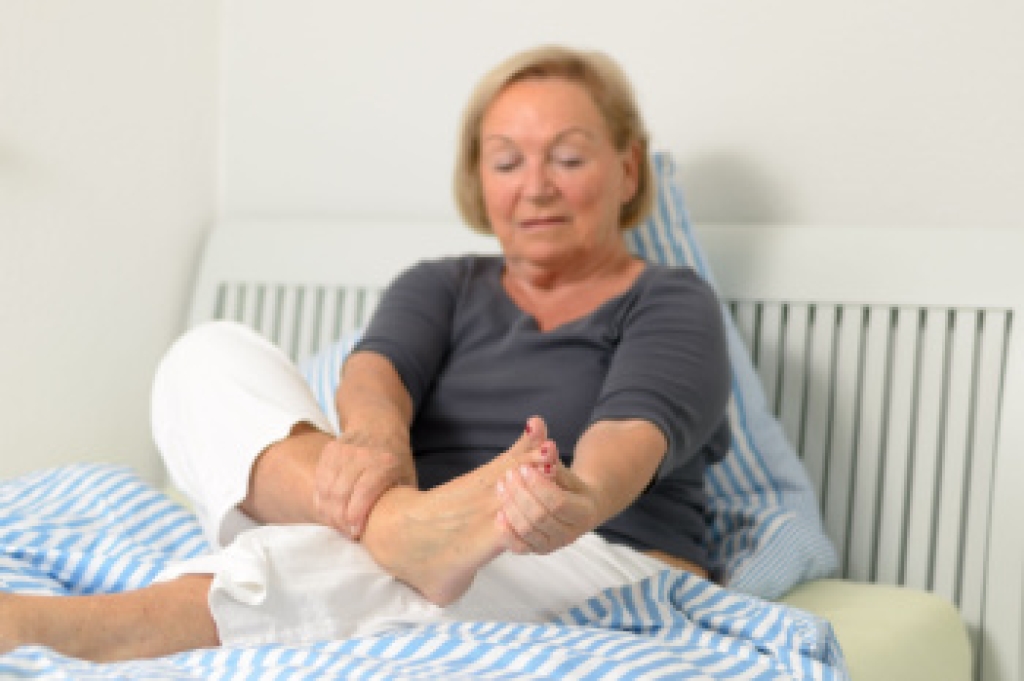
Understanding Gout in Women

Gout is often considered a condition that primarily affects men, but it can also impact women, particularly after menopause. This painful form of arthritis is caused by a buildup of uric acid in the body, leading to the formation of crystals in the joints. For women, hormonal changes, especially the decrease in estrogen after menopause, can increase the risk of gout. Other contributing factors include obesity, high blood pressure, and a diet rich in purine-heavy foods such as red meat, seafood, and alcohol. Symptoms of gout in women are similar to those in men and typically include sudden, intense pain, swelling, and redness in the affected joint, often starting in the big toe. Managing gout involves lifestyle changes such as maintaining a healthy weight, avoiding certain foods and drinks, staying hydrated, and taking medications as prescribed to reduce uric acid levels and prevent flare-ups. Gout can cause severe pain and foot discomfort. If you have symptoms of gout in your feet, it is suggested that you are under the care of a podiatrist who can accurately diagnose and treat this condition.

Gout is a painful condition that can be treated. If you are seeking treatment, contact Andrew Katz, DPM from Allcare Foothealth Center. Our doctor will treat your foot and ankle needs.

What Is Gout?

Gout is a form of arthritis that is characterized by sudden, severe attacks of pain, redness, and tenderness in the joints. The condition usually affects the joint at the base of the big toe. A gout attack can occur at any random time, such as the middle of the night while you are asleep.

Symptoms

  • Intense Joint Pain - Usually around the large joint of your big toe, and it most severe within the first four to twelve hours
  • Lingering Discomfort - Joint discomfort may last from a few days to a few weeks
  • Inflammation and Redness -Affected joints may become swollen, tender, warm and red
  • Limited Range of Motion - May experience a decrease in joint mobility

Risk Factors

  • Genetics - If family members have gout, you’re more likely to have it
  • Medications - Diuretic medications can raise uric acid levels
  • Gender/Age - Gout is more common in men until the age of 60. It is believed that estrogen protects women until that point
  • Diet - Eating red meat and shellfish increases your risk
  • Alcohol - Having more than two alcoholic drinks per day increases your risk
  • Obesity - Obese people are at a higher risk for gout

Prior to visiting your podiatrist to receive treatment for gout, there are a few things you should do beforehand. If you have gout you should write down your symptoms--including when they started and how often you experience them, important medical information you may have, and any questions you may have. Writing down these three things will help your podiatrist in assessing your specific situation so that he or she may provide the best route of treatment for you.

If you have any questions, please feel free to contact our office located in Palmdale, CA . We offer the newest diagnostic and treatment technologies for all your foot care needs.
Read more about Gout

Heel Pain Can Be Treated!

Do you suffer from heel pain when you get up in the morning? If so, you should seek professional help and have a proper diagnosis performed. Heel pain can be caused by several different foot-related conditions.

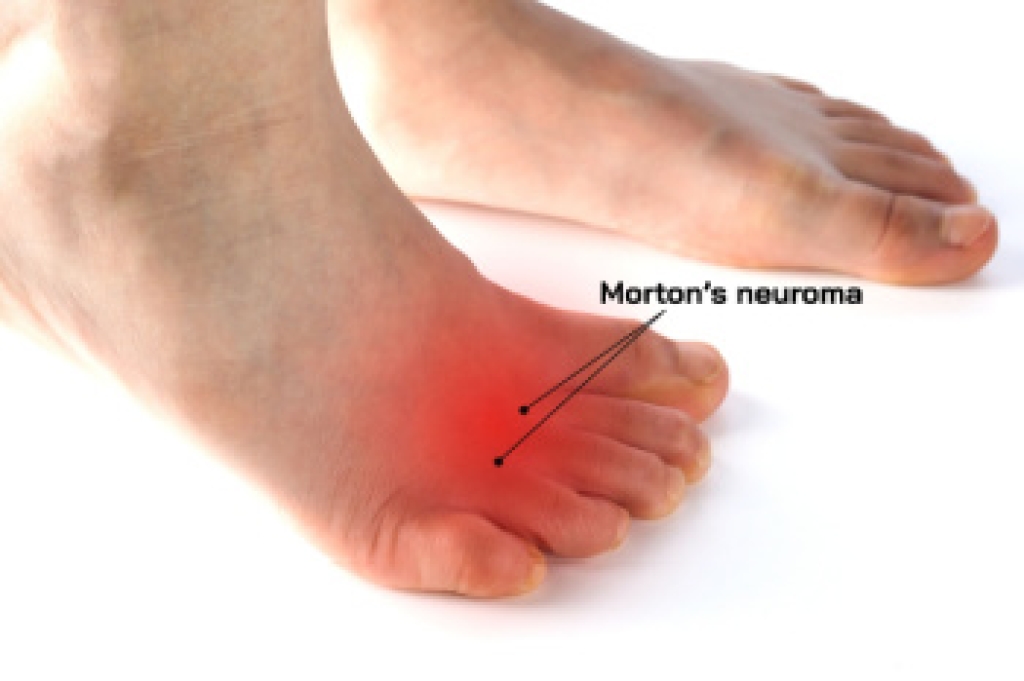
Treatment Options for Morton’s Neuroma

Morton’s neuroma is a condition that causes pain in the ball of the foot. The sensation is often described as stepping on a pebble or experiencing a burning feeling. Morton’s neuroma arises when tissue surrounding a nerve thickens due to irritation or compression. It frequently affects the area between the third and fourth toes. A podiatrist can assess your symptoms and may recommend orthotics to redistribute pressure, reducing nerve irritation. For more persistent pain, corticosteroid or anesthetic injections might provide relief by addressing inflammation or numbing the affected area. In severe cases, surgical options, such as neurectomy or decompression, may be considered to alleviate pain and restore mobility. These procedures aim to remove the affected nerve tissue or reduce surrounding pressure. A podiatrist can conduct a thorough evaluation and determine the best way to confront Morton’s neuroma. If you have pain in the ball of your foot, it is suggested that you schedule an appointment with a podiatrist for an exam, diagnosis, and treatment.

Morton’s neuroma is a very uncomfortable condition to live with. If you think you have Morton’s neuroma, contact Andrew Katz, DPM of Allcare Foothealth Center. Our doctor will attend to all of your foot care needs and answer any of your related questions.  

Morton’s Neuroma

Morton's neuroma is a painful foot condition that commonly affects the areas between the second and third or third and fourth toe, although other areas of the foot are also susceptible. Morton’s neuroma is caused by an inflamed nerve in the foot that is being squeezed and aggravated by surrounding bones.

What Increases the Chances of Having Morton’s Neuroma?

  • Ill-fitting high heels or shoes that add pressure to the toe or foot
  • Jogging, running or any sport that involves constant impact to the foot
  • Flat feet, bunions, and any other foot deformities

Morton’s neuroma is a very treatable condition. Orthotics and shoe inserts can often be used to alleviate the pain on the forefront of the feet. In more severe cases, corticosteroids can also be prescribed. In order to figure out the best treatment for your neuroma, it’s recommended to seek the care of a podiatrist who can diagnose your condition and provide different treatment options.

If you have any questions, please feel free to contact our office located in Palmdale, CA . We offer the newest diagnostic and treatment technologies for all your foot care needs.

Read more about Morton's Neuroma

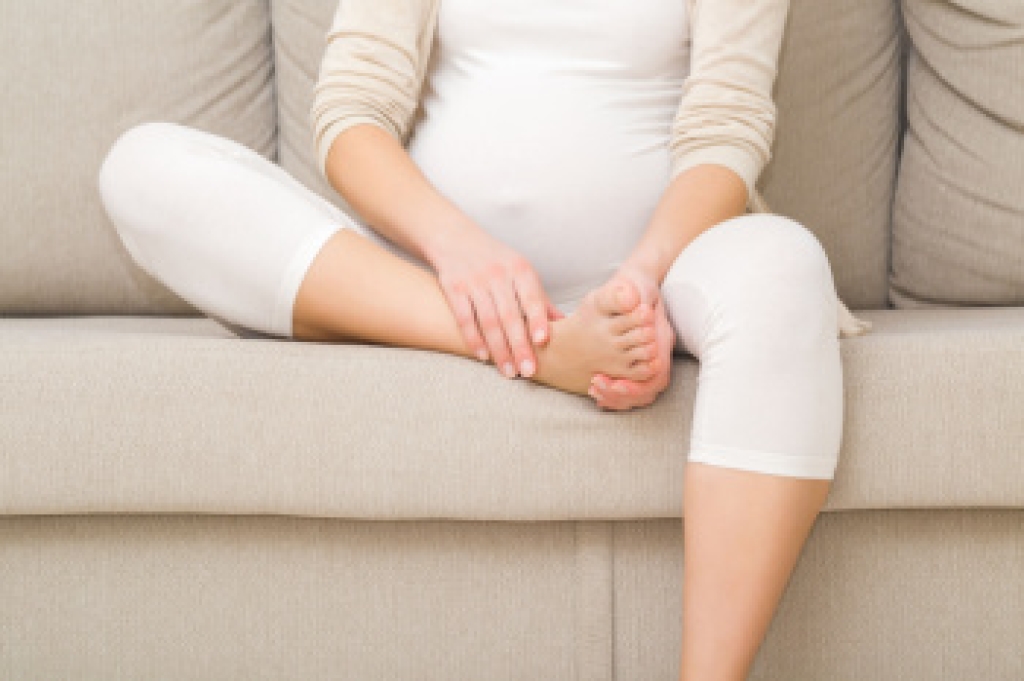
Causes of Swollen Feet During Pregnancy

Foot swelling, also known as edema, is common during pregnancy. The feet swell as the body retains extra fluid to support the mother and growing baby. As the uterus expands, it can put pressure on the veins, reducing circulation in the lower legs and feet. Hormonal changes can also contribute to water retention. While the swelling is generally harmless, it can be uncomfortable. To find relief, pregnant women should elevate their feet whenever possible to encourage fluid drainage. Wearing comfortable shoes, staying hydrated, and avoiding standing or sitting for long periods can help reduce swelling. Gentle foot exercises and compression stockings may also provide comfort and promote better circulation during pregnancy. If your feet have become swollen during your pregnancy, it is suggested that you consult a podiatrist who can help you find relief.

Pregnant women with swollen feet can be treated with a variety of different methods that are readily available. For more information about other cures for swollen feet during pregnancy, consult with Andrew Katz, DPM from Allcare Foothealth Center. Our doctor will attend to all of your foot and ankle needs.

What Foot Problems Can Arise During Pregnancy?

One problem that can occur is overpronation, which occurs when the arch of the foot flattens and tends to roll inward.  This can cause pain and discomfort in your heels while you’re walking or even just standing up, trying to support your baby.  

Another problem is edema, or swelling in the extremities. This often affects the feet during pregnancy but tends to occur in the later stages. 

How Can I Keep My Feet Healthy During Pregnancy?

  • Wearing orthotics can provide extra support for the feet and help distribute weight evenly
  • Minimize the amount of time spent walking barefoot
  • Wear shoes with good arch support
  • Wear shoes that allow for good circulation to the feet
  • Elevate feet if you experience swelling
  • Massage your feet
  • Get regular, light exercise, such as walking, to promote blood circulation to the feet

If you have any questions, please feel free to contact our office located in Palmdale, CA . We offer the newest diagnostic and treatment technologies for all your foot care needs.
Read more about Foot Care for Pregnant Women

Connect With Us