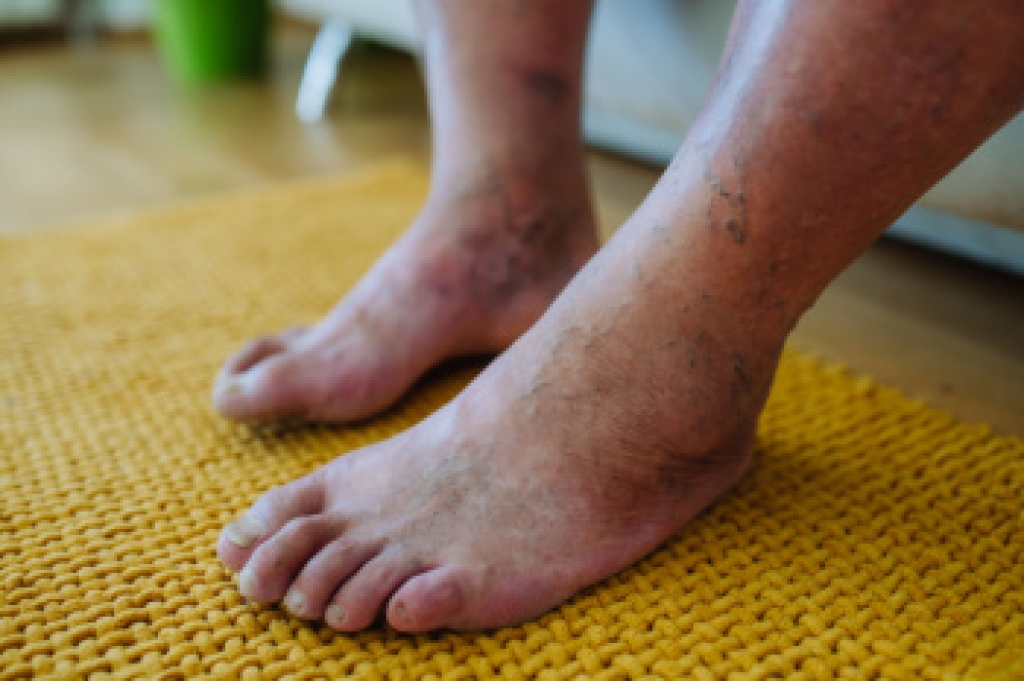
Infection From Diabetic Foot Ulcers

Foot infections from diabetes often stem from foot ulcers, open sores that develop due to poor circulation, and nerve damage linked to diabetes. If not properly managed, these ulcers can become infected and lead to serious health risks. Prevention is vital and involves maintaining stable blood sugar levels to enhance circulation and nerve function. Regular foot inspections are needed to catch ulcer formation early. Prevention strategies include daily foot cleaning and careful observation to identify changes before they worsen. Wearing appropriate footwear that reduces pressure points can also help prevent ulcers. Podiatrists, or foot doctors, also play an important role in diabetic foot care. These doctors can conduct regular check-ups to detect potential problems, recommend diabetic shoes, and teach proper foot care techniques. They will ensure that any foot concerns are addressed promptly. If you are at risk for diabetic foot ulcers or suspect a foot ulcer, it is suggested that you schedule an appointment with a podiatrist today.

Diabetic foot care is important in preventing foot ailments such as ulcers. If you are suffering from diabetes or have any other concerns about your feet, contact Andrew Katz, DPM from Allcare Foothealth Center. Our doctor can provide the care you need to keep you pain-free and on your feet.

Diabetic Foot Care

Diabetes affects millions of people every year. The condition can damage blood vessels in many parts of the body, especially the feet. Because of this, taking care of your feet is essential if you have diabetes, and having a podiatrist help monitor your foot health is highly recommended.

The Importance of Caring for Your Feet

  • Routinely inspect your feet for bruises or sores.
  • Wear socks that fit your feet comfortably.
  • Wear comfortable shoes that provide adequate support.

Patients with diabetes should have their doctor monitor their blood levels, as blood sugar levels play such a huge role in diabetic care. Monitoring these levels on a regular basis is highly advised.

It is always best to inform your healthcare professional of any concerns you may have regarding your feet, especially for diabetic patients. Early treatment and routine foot examinations are keys to maintaining proper health, especially because severe complications can arise if proper treatment is not applied.

If you have any questions, please feel free to contact our office located in Palmdale, CA . We offer the newest diagnostic and treatment technologies for all your foot care needs.


Read more about Diabetic Foot Conditions

Heel Pain Management

Plantar heel pain is a foot complaint that can arise from various causes, ranging from everyday activities to less common medical conditions. Typically, this pain is due to plantar fasciitis, causing the band of tissue that runs along the bottom of the foot to become inflamed. Other common causes include heel spurs, arthritis, and excessive walking or running. Less frequently, it can be caused by conditions including nerve entrapment or cysts in the heel. Symptoms generally include a sharp, stabbing pain in the bottom of the heel that is most intense with the first steps after waking up or after long periods of rest. Diagnosis usually involves a physical examination, patient history, and sometimes imaging tests like X-rays to rule out bone problems. Treatment options range from rest to more involved methods such as custom orthotics, anti-inflammatory medications, and, in severe cases, surgery. If you have persistent heel pain, it is suggested that you consult a podiatrist for a targeted treatment for relief.

Many people suffer from bouts of heel pain. For more information, contact Andrew Katz, DPM of Allcare Foothealth Center. Our doctor can provide the care you need to keep you pain-free and on your feet.

Causes of Heel Pain

Heel pain is often associated with plantar fasciitis. The plantar fascia is a band of tissues that extends along the bottom of the foot. A rip or tear in this ligament can cause inflammation of the tissue.

Achilles tendonitis is another cause of heel pain. Inflammation of the Achilles tendon will cause pain from fractures and muscle tearing. Lack of flexibility is also another symptom.

Heel spurs are another cause of pain. When the tissues of the plantar fascia undergo a great deal of stress, it can lead to ligament separation from the heel bone, causing heel spurs.

Why Might Heel Pain Occur?

  • Wearing ill-fitting shoes                
  • Wearing non-supportive shoes
  • Weight change           
  • Excessive running

Treatments

Heel pain should be treated as soon as possible for immediate results. Keeping your feet in a stress-free environment will help. If you suffer from Achilles tendonitis or plantar fasciitis, applying ice will reduce the swelling. Stretching before an exercise like running will help the muscles. Using all these tips will help make heel pain a condition of the past.

If you have any questions, please feel free to contact our office located in Palmdale, CA . We offer the newest diagnostic and treatment technologies for all your foot care needs.

Read more about Heel Pain

The Impact of Neuropathy on Feet

Neuropathy, often silently lurking until later stages of life, can significantly impact foot health. It is a condition characterized by nerve damage, leading to numbness, tingling, and pain in the feet. Causes range from diabetes and infections to injuries and hereditary factors. Neuropathy can manifest in various foot problems, including loss of sensation, burning or shooting pain, and muscle weakness, making simple tasks challenging. Diagnosing neuropathy typically involves a thorough medical history, physical examination, and nerve conduction tests to assess nerve function. Prevention strategies include managing underlying conditions like diabetes, maintaining a healthy lifestyle, and avoiding prolonged pressure or trauma to the feet. While there is no outright cure for neuropathy, treatments focus on symptom management and slowing its progression. This may involve medications and lifestyle modifications. If you are experiencing symptoms of neuropathy in your feet, it is suggested that you consult a podiatrist for a thorough exam and tailored treatment plans.

Neuropathy

Neuropathy can be a potentially serious condition, especially if it is left undiagnosed. If you have any concerns that you may be experiencing nerve loss in your feet, consult with Andrew Katz, DPM from Allcare Foothealth Center. Our doctor will assess your condition and provide you with quality foot and ankle treatment for neuropathy.

What Is Neuropathy?

Neuropathy is a condition that leads to damage to the nerves in the body. Peripheral neuropathy, or neuropathy that affects your peripheral nervous system, usually occurs in the feet. Neuropathy can be triggered by a number of different causes. Such causes include diabetes, infections, cancers, disorders, and toxic substances.

Symptoms of Neuropathy Include:

  • Numbness
  • Sensation loss
  • Prickling and tingling sensations
  • Throbbing, freezing, burning pains
  • Muscle weakness

Those with diabetes are at serious risk due to being unable to feel an ulcer on their feet. Diabetics usually also suffer from poor blood circulation. This can lead to the wound not healing, infections occurring, and the limb may have to be amputated.

Treatment

To treat neuropathy in the foot, podiatrists will first diagnose the cause of the neuropathy. Figuring out the underlying cause of the neuropathy will allow the podiatrist to prescribe the best treatment, whether it be caused by diabetes, toxic substance exposure, infection, etc. If the nerve has not died, then it’s possible that sensation may be able to return to the foot.

Pain medication may be issued for pain. Electrical nerve stimulation can be used to stimulate nerves. If the neuropathy is caused from pressure on the nerves, then surgery may be necessary.

If you have any questions, please feel free to contact our office located in Palmdale, CA . We offer the newest diagnostic and treatment technologies for all your foot care needs.

Read more about Neuropathy

Plantar Warts Can Be Treated!

Plantar warts are small growths that develop on parts of the feet that bear weight. They're typically found on the bottom of the foot. Don't live with plantar warts, and call us today!

Surfing Foot and Ankle Injuries

Wind, wave, and kite surfing offer exhilarating experiences, but they also pose risks of foot and ankle injuries. Collisions with the board, submerged obstacles near the shore, or rotation trauma with the foot secured in straps are common culprits. Reef cuts and open wounds, prevalent in tropical waters, can lead to severe infections. Among the array of potential injuries, midfoot injuries are particularly concerning and often result in chronic instability and arthritis if not properly addressed. Additionally, falls with the foot trapped in straps necessitate examination for Lisfranc joint lesions and subtalar injuries. A podiatrist can help to manage these injuries. Podiatrists can accurately diagnose conditions, offer tailored treatment plans, and provide rehabilitation strategies to promote optimal healing and prevent long-term complications. If you have sustained an injury from surfing, it is suggested that you schedule an appointment with a podiatrist who can help restore your foot and ankle function.

Ankle and foot injuries are common among athletes and in many sports. They can be caused by several problems and may be potentially serious. If you are feeling pain or think you were injured in a sporting event or when exercising, consult with Andrew Katz, DPM from Allcare Foothealth Center. Our doctor will assess your condition and provide you with quality foot and ankle treatment.

Common Injuries

The most common injuries that occur in sporting activities include:

  • Achilles Tendonitis
  • Achilles Tendon Rupture
  • Ankle Sprains
  • Broken Foot
  • Plantar Fasciitis
  • Stress Fractures
  • Turf Toe

Symptoms

Symptoms vary depending upon the injury and in some cases, there may be no symptoms at all. However, in most cases, some form of symptom is experienced. Pain, aching, burning, bruising, tenderness, tightness or stiffness, sensation loss, difficulty moving, and swelling are the most common symptoms.

Treatment

Just as symptoms vary depending upon the injury, so do treatment options. A common treatment method is known as the RICE method. This method involves rest, applying ice, compression and elevating the afflicted foot or ankle. If the injury appears to be more serious, surgery might be required, such as arthroscopic or reconstructive surgery. Lastly, rehabilitation or therapy might be needed to gain full functionality in the afflicted area. Any discomfort experienced by an athlete must be evaluated by a licensed, reputable medical professional.  

If you have any questions please contact our office located in Palmdale, CA . We offer the newest diagnostic and treatment technologies for all your foot and ankle needs.

Read more about Sports Related Foot and Ankle Injuries

Connect With Us