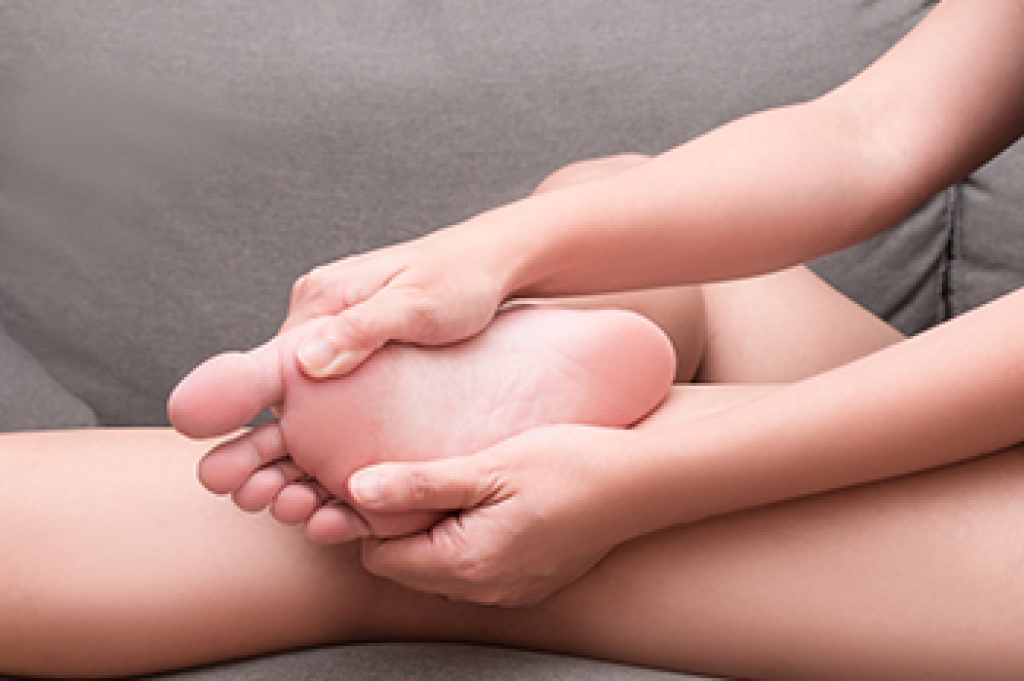
Sesamoiditis and Big Toe Pain

Sesamoiditis is a condition that affects the sesamoid bones, which are located under the base of the big toe. These bones, enclosed within tendons, can become inflamed due to an acute injury or chronic overuse. Other possible causes of this affliction include stress fractures, infection, or autoimmune disorders. Symptoms often include pain during walking, or when forcefully pulling the big toe upwards, causing pressure on the sesamoid bones. Relief may come from wearing shoes with adequate cushioning, using shoe inserts or orthotics, rest, and taking anti-inflammatory medication. If more conservative treatments are not successful, surgery may be an option. If you have pain in your big toe, it is suggested that you make an appointment with a podiatrist for a proper diagnosis and treatment.

Sesamoiditis is an unpleasant foot condition characterized by pain in the balls of the feet. If you think you’re struggling with sesamoiditis, contact Andrew Katz, DPM of Allcare Foothealth Center. Our doctor will treat your condition thoroughly and effectively.

Sesamoiditis

Sesamoiditis is a condition of the foot that affects the ball of the foot. It is more common in younger people than it is in older people. It can also occur with people who have begun a new exercise program, since their bodies are adjusting to the new physical regimen. Pain may also be caused by the inflammation of tendons surrounding the bones. It is important to seek treatment in its early stages because if you ignore the pain, this condition can lead to more serious problems such as severe irritation and bone fractures.

Causes of Sesamoiditis

  • Sudden increase in activity
  • Increase in physically strenuous movement without a proper warm up or build up
  • Foot structure: those who have smaller, bonier feet or those with a high arch may be more susceptible

Treatment for sesamoiditis is non-invasive and simple. Doctors may recommend a strict rest period where the patient forgoes most physical activity. This will help give the patient time to heal their feet through limited activity. For serious cases, it is best to speak with your doctor to determine a treatment option that will help your specific needs.

If you have any questions, please feel free to contact our office located in Palmdale, CA . We offer the newest diagnostic and treatment technologies for all your foot care needs.
Read more about Sesamoiditis

Understanding Toddlers' Growing Feet and Shoe Requirements

Toddlers' feet grow at an unpredictable rate, just like their ever-changing moods and preferences. Between ages 1 and 3, a child's foot typically grows about 1/2 to 3/4 inches per year, with occasional growth spurts leading to rapid changes in shoe size. Trying to measure their feet monthly can be a challenge, so monitoring how well their shoes fit is the best way to gauge their growth. It is common for toddlers to require two or three different shoe sizes within a year, which may seem costly but is a natural part of their development. After age 3, foot growth slows to about 1/2 inch per year until reaching adult size. When shopping for shoes, it is crucial to check the fit regularly, ensuring there is enough space for the toes. Non-slip soles are essential for toddlers, as they are still developing coordination. Opt for shoes with easy fastening, like hook-and-loop tape, as toddlers are not yet ready to tie laces independently. Parents can support their toddlers' healthy foot development by choosing the right-sized and comfortable shoes during these crucial early years. If you would like more help in understanding your toddlers’ growing feet and proper shoe selection, it is suggested that you make an appointment with a podiatrist.

The health of a child’s feet is vital to their overall well-being. If you have any questions regarding foot health, contact Andrew Katz, DPM of Allcare Foothealth Center. Our doctor can provide the care you need to keep you pain-free and on your feet.

Tips for Keeping Children's Feet Healthy

  • Make sure their shoes fit properly
  • Look for any signs of in-toeing or out-toeing
  • Check to see if they have Clubfoot (condition that affects your child’s foot and ankle, twisting the heel and toes inward) which is one of the most common nonmajor birth defects.
  • Lightly cover your baby’s feet (Tight covers may keep your baby from moving their feet freely, and could prevent normal development)
  • Allow your toddler to go shoeless (Shoes can be restricting for a young child’s foot)
  • Cut toenails straight across to avoid ingrown toenails
  • Keep your child’s foot clean and dry
  • Cover cuts and scrapes. Wash any scratches with soap and water and cover them with a bandage until they’ve healed.

If you have any questions, please feel free to contact our office located in Palmdale, CA . We offer the newest diagnostic and treatment technologies for all your foot care needs.
Read more about How to Care for Your Child's Feet

Running After Enduring a Broken Ankle

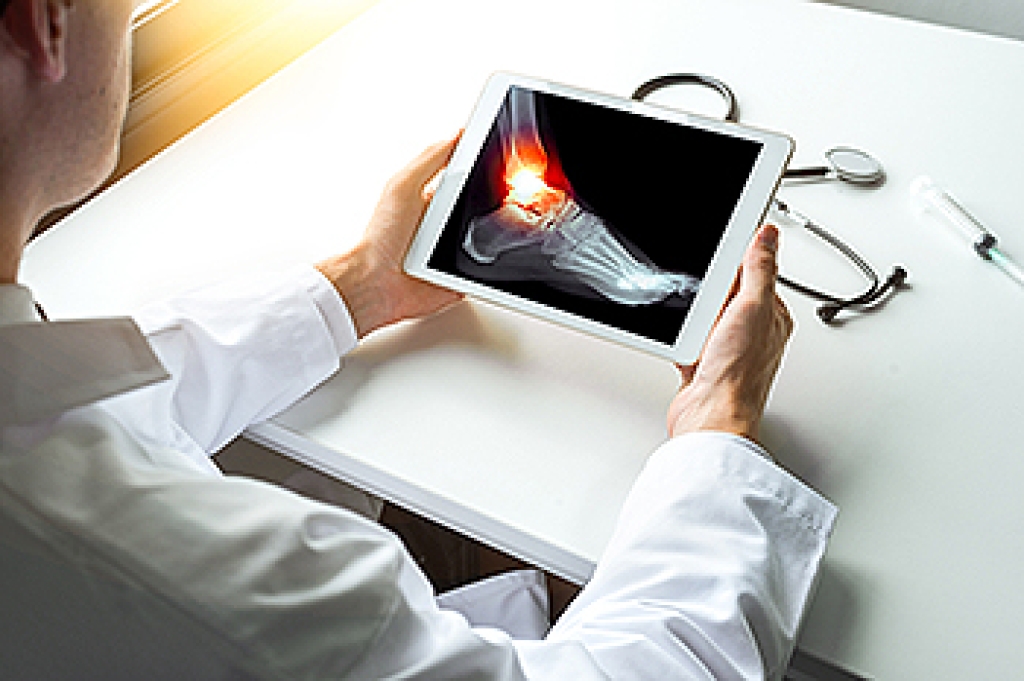
Normal activity can resume after an ankle fracture, despite it taking considerable time. A broken ankle can happen from falling, or if something heavy drops on the leg. Immediate symptoms can include bruising, swelling, and it is difficult, if not impossible to walk. Prompt medical attention is often sought, and having an X-ray performed can provide an accurate diagnosis. Once confirmed, a protective boot or cast is worn that can provide stability and mobility while the healing process occurs. Many people who run may be concerned about resuming their running or jogging routine after fracturing their ankle. There are specific stretches that can be done which may help to increase ankle strength and range of motion. When these are frequently performed, the average time for people to start running again may be between three and four months. This can depend on whether surgery was performed, how severe the fracture is, and the amount of effort that is put into doing all that is possible to have a healed ankle. If you have fractured your ankle, it is suggested that you confer with a podiatrist who can help you to heal successfully.

Broken ankles need immediate treatment. If you are seeking treatment, contact Andrew Katz, DPM from Allcare Foothealth Center. Our doctor can provide the care you need to keep you pain-free and on your feet. 

Broken Ankles
A broken ankle is experienced when a person fractures their tibia or fibula in the lower leg and ankle area. Both of these bones are attached at the bottom of the leg and combine to form what we know to be our ankle.

When a physician is referring to a break of the ankle, he or she is usually referring to a break in the area where the tibia and fibula are joined to create our ankle joint. Ankles are more prone to fractures because the ankle is an area that suffers a lot of pressure and stress. There are some obvious signs when a person experiences a fractured ankle, and the following symptoms may be present.

Symptoms of a Fractured Ankle

  • Excessive pain when the area is touched or when any pressure is placed on the ankle
  • Swelling around the area
  • Bruising of the area
  • Area appears to be deformed

If you suspect an ankle fracture, it is recommended to seek treatment as soon as possible. The sooner you have your podiatrist diagnose the fracture, the quicker you’ll be on the way towards recovery.

If you have any questions, please feel free to contact our office located in Palmdale, CA . We offer the newest diagnostic and treatment technologies for all your foot care needs.

Read more about All About Broken Ankle

How Flat Feet Affect Your Body

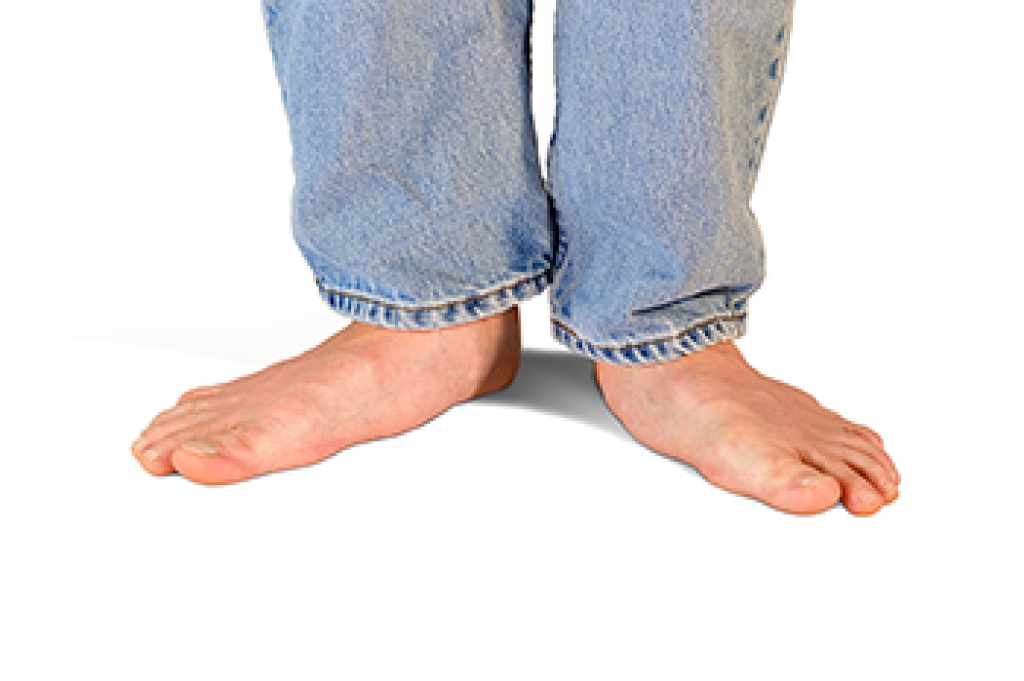
Flat feet can be easily recognized by the absence of an arch space while standing on the feet. Instead, the foot lies flat on the floor. Flat feet can lead to pain across the arch and heel, while ill-fitting shoes or exercising on hard surfaces may only make it worse. Because having flat feet can affect your movement, the chances of developing knee and hip pain can increase. Athletes with flat feet are at a higher risk of plantar fasciitis, Achilles tendonitis, and knee injuries. Fortunately, people with flat feet who are experiencing some type of pain can wear an orthotic device to correct the deficiency and improve their gait. A podiatrist can examine the feet to determine the severity of this condition and also test the way you walk to determine what type of proper orthotic device is right for you. This foot doctor will make a mold of your feet that perfectly mirrors their shape and builds an insole specifically for you. For more information on options to deal with flat feet, it is suggested that you make an appointment with a podiatrist. 

Flatfoot is a condition many people suffer from. If you have flat feet, contact Andrew Katz, DPM from Allcare Foothealth Center. Our doctor will treat your foot and ankle needs.

What Are Flat Feet?

Flatfoot is a condition in which the arch of the foot is depressed and the sole of the foot is almost completely in contact with the ground. About 20-30% of the population generally has flat feet because their arches never formed during growth.

Conditions & Problems:

Having flat feet makes it difficult to run or walk because of the stress placed on the ankles.

Alignment – The general alignment of your legs can be disrupted, because the ankles move inward which can cause major discomfort.

Knees – If you have complications with your knees, flat feet can be a contributor to arthritis in that area.  

Symptoms

  • Pain around the heel or arch area
  • Trouble standing on the tip toe
  • Swelling around the inside of the ankle
  • Flat look to one or both feet
  • Having your shoes feel uneven when worn

Treatment

If you are experiencing pain and stress on the foot you may weaken the posterior tibial tendon, which runs around the inside of the ankle. 

If you have any questions, please feel free to contact our office located in Palmdale, CA . We offer the newest diagnostic and treatment technologies for all your foot care needs.

Read more about What is Flexible Flat Foot?

It's Time for Beautiful Feet

You don't need an excuse to have beautiful nails. Step outside without worrying about the appearance of your feet.

Connect With Us