
Running After Enduring a Broken Ankle

Normal activity can resume after an ankle fracture, despite it taking considerable time. A broken ankle can happen from falling, or if something heavy drops on the leg. Immediate symptoms can include bruising, swelling, and it is difficult, if not impossible to walk. Prompt medical attention is often sought, and having an X-ray performed can provide an accurate diagnosis. Once confirmed, a protective boot or cast is worn that can provide stability and mobility while the healing process occurs. Many people who run may be concerned about resuming their running or jogging routine after fracturing their ankle. There are specific stretches that can be done which may help to increase ankle strength and range of motion. When these are frequently performed, the average time for people to start running again may be between three and four months. This can depend on whether surgery was performed, how severe the fracture is, and the amount of effort that is put into doing all that is possible to have a healed ankle. If you have fractured your ankle, it is suggested that you confer with a podiatrist who can help you to heal successfully.

Broken ankles need immediate treatment. If you are seeking treatment, contact Andrew Katz, DPM from Allcare Foothealth Center. Our doctor can provide the care you need to keep you pain-free and on your feet. 

Broken Ankles
A broken ankle is experienced when a person fractures their tibia or fibula in the lower leg and ankle area. Both of these bones are attached at the bottom of the leg and combine to form what we know to be our ankle.

When a physician is referring to a break of the ankle, he or she is usually referring to a break in the area where the tibia and fibula are joined to create our ankle joint. Ankles are more prone to fractures because the ankle is an area that suffers a lot of pressure and stress. There are some obvious signs when a person experiences a fractured ankle, and the following symptoms may be present.

Symptoms of a Fractured Ankle

  • Excessive pain when the area is touched or when any pressure is placed on the ankle
  • Swelling around the area
  • Bruising of the area
  • Area appears to be deformed

If you suspect an ankle fracture, it is recommended to seek treatment as soon as possible. The sooner you have your podiatrist diagnose the fracture, the quicker you’ll be on the way towards recovery.

If you have any questions, please feel free to contact our office located in Palmdale, CA . We offer the newest diagnostic and treatment technologies for all your foot care needs.

Read more about All About Broken Ankle

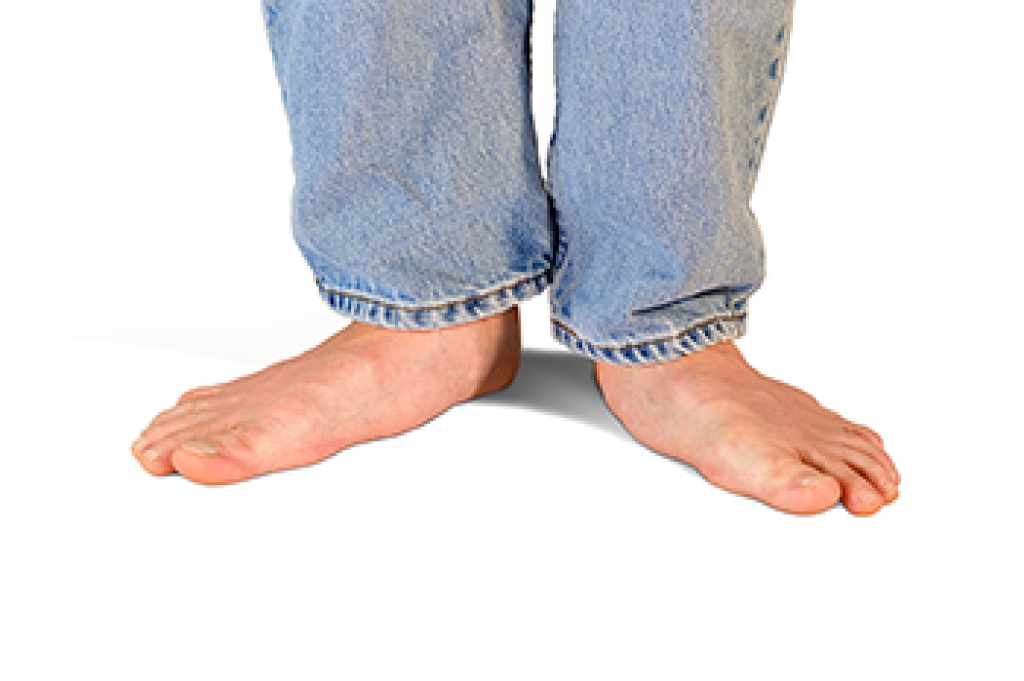
How Flat Feet Affect Your Body

Flat feet can be easily recognized by the absence of an arch space while standing on the feet. Instead, the foot lies flat on the floor. Flat feet can lead to pain across the arch and heel, while ill-fitting shoes or exercising on hard surfaces may only make it worse. Because having flat feet can affect your movement, the chances of developing knee and hip pain can increase. Athletes with flat feet are at a higher risk of plantar fasciitis, Achilles tendonitis, and knee injuries. Fortunately, people with flat feet who are experiencing some type of pain can wear an orthotic device to correct the deficiency and improve their gait. A podiatrist can examine the feet to determine the severity of this condition and also test the way you walk to determine what type of proper orthotic device is right for you. This foot doctor will make a mold of your feet that perfectly mirrors their shape and builds an insole specifically for you. For more information on options to deal with flat feet, it is suggested that you make an appointment with a podiatrist. 

Flatfoot is a condition many people suffer from. If you have flat feet, contact Andrew Katz, DPM from Allcare Foothealth Center. Our doctor will treat your foot and ankle needs.

What Are Flat Feet?

Flatfoot is a condition in which the arch of the foot is depressed and the sole of the foot is almost completely in contact with the ground. About 20-30% of the population generally has flat feet because their arches never formed during growth.

Conditions & Problems:

Having flat feet makes it difficult to run or walk because of the stress placed on the ankles.

Alignment – The general alignment of your legs can be disrupted, because the ankles move inward which can cause major discomfort.

Knees – If you have complications with your knees, flat feet can be a contributor to arthritis in that area.  

Symptoms

  • Pain around the heel or arch area
  • Trouble standing on the tip toe
  • Swelling around the inside of the ankle
  • Flat look to one or both feet
  • Having your shoes feel uneven when worn

Treatment

If you are experiencing pain and stress on the foot you may weaken the posterior tibial tendon, which runs around the inside of the ankle. 

If you have any questions, please feel free to contact our office located in Palmdale, CA . We offer the newest diagnostic and treatment technologies for all your foot care needs.
Read more about What is Flexible Flat Foot?

It's Time for Beautiful Feet

You don't need an excuse to have beautiful nails. Step outside without worrying about the appearance of your feet.

Wearing Orthotics May Help Certain Foot Conditions

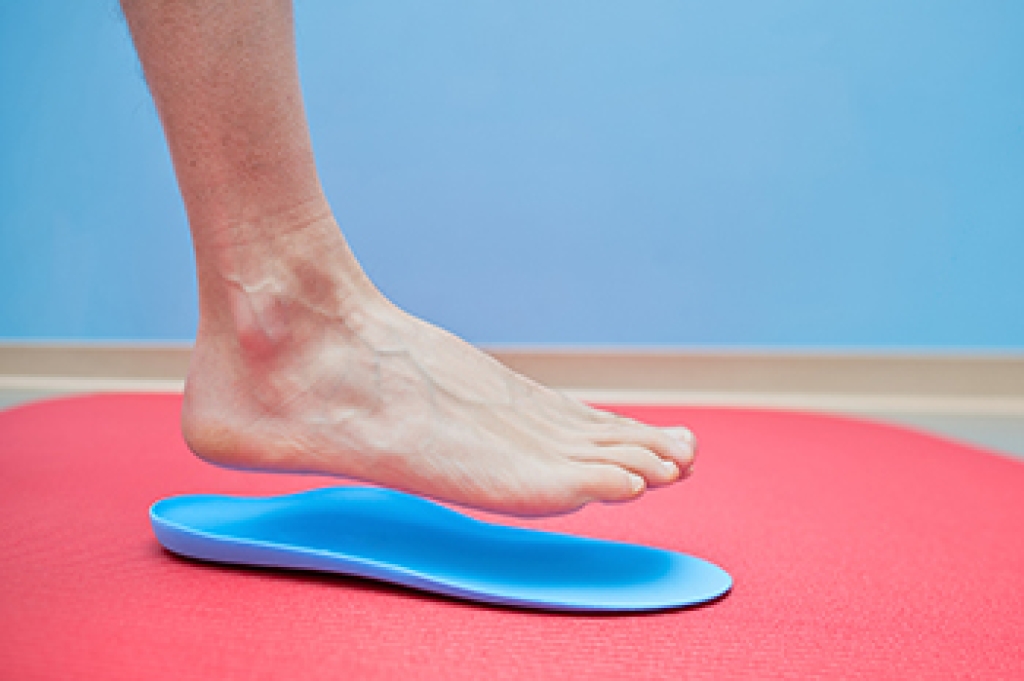
There are specific foot conditions that may require patients to wear orthotics. They can range from having flat feet to other abnormal foot structures. Orthotics are defined as custom-made inserts for shoes and are designed to correct certain foot ailments. Having foot or heel pain may guide a patient toward inquiring about orthotics, and this information is often provided by a podiatrist. This type of doctor will perform a foot examination that can reveal existing deformities. This can be followed by having a conversation about current activities that are performed, which may help to determine the cause of the pain. Medical conditions that may improve by wearing orthotics can include arthritis, bunions, flat feet, and hammertoe. There are various types of orthotics that can be worn, and it is suggested that you confer with a podiatrist who can determine if this is the best course of treatment for you.

If you are having discomfort in your feet and would like to try orthotics, contact Andrew Katz, DPM from Allcare Foothealth Center. Our doctor can provide the care you need to keep you pain-free and on your feet.

What Are Orthotics?

Orthotics are inserts you can place into your shoes to help with a variety of foot problems such as flat feet or foot pain. Orthotics provide relief and comfort for minor foot and heel pain but can’t correct serious biomechanical problems in your feet.

Over-the-Counter Inserts

Orthotics come in a wide variety of over-the-counter inserts that are used to treat foot pain, heel pain, and minor problems. For example, arch supports can be inserted into your shoes to help correct overarched or flat feet, while gel insoles are often used because they provide comfort and relief from foot and heel pain by alleviating pressure.

Prescription Orthotics

If over-the-counter inserts don’t work for you or if you have a more severe foot concern, it is possible to have your podiatrist prescribe custom orthotics. These high-quality inserts are designed to treat problems such as abnormal motion, plantar fasciitis, and severe forms of heel pain. They can even be used to help patients suffering from diabetes by treating foot ulcers and painful calluses and are usually molded to your feet individually, which allows them to provide full support and comfort.

If you are experiencing minor to severe foot or heel pain, it’s recommended to speak with your podiatrist about the possibilities of using orthotics. A podiatrist can determine which type of orthotic is right for you and allow you to take the first steps towards being pain-free.

If you have any questions, please feel free to contact our office located in Palmdale, CA . We offer the newest diagnostic and treatment technologies for all your foot care needs.
Read more about Foot Orthotics

Painful Plantar Warts

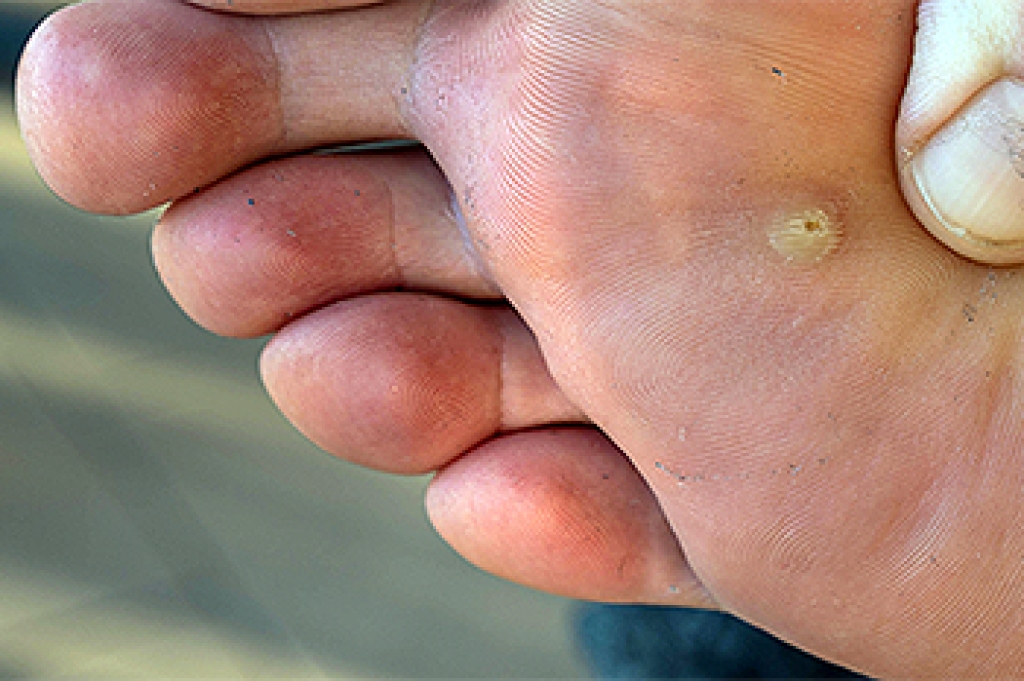
Despite the fact that plantar warts are harmless skin growths, they can produce severe pain. They grow inward and can produce discomfort as pressure is exerted while walking. They are considered to be contagious and may spread to other areas of the foot. Plantar warts can develop from exposure to a specific type of fungus, which is found in warm and moist environments. These can include public swimming pools, locker rooms, and similar areas. It is important to refrain from sharing towels, shoes and socks, and this may help to prevent the spread of plantar warts. Many people choose to seek relief from using over the counter remedies, despite this being a temporary fix. If you have a plantar wart, it is suggested that you speak with a podiatrist who can offer a more permanent solution, which may include minor surgery for removal.

Plantar warts can be very uncomfortable. If you need your feet checked, contact Andrew Katz, DPM from Allcare Foothealth Center. Our doctor will assist you with all of your foot and ankle needs.

About Plantar Warts

Plantar warts are the result of HPV, or human papillomavirus, getting into open wounds on the feet. They are mostly found on the heels or balls of the feet.

While plantar warts are generally harmless, those experiencing excessive pain or those suffering from diabetes or a compromised immune system require immediate medical care. Plantar warts are easily diagnosed, usually through scraping off a bit of rough skin or by getting a biopsy.

Symptoms

  • Lesions on the bottom of your feet, usually rough and grainy
  • Hard or thick callused spots
  • Wart seeds, which are small clotted blood vessels that look like little black spots
  • Pain, discomfort, or tenderness of your feet when walking or standing

Treatment

  • Freezing
  • Electric tool removal
  • Laser Treatment
  • Topical Creams (prescription only)
  • Over-the-counter medications

To help prevent developing plantar warts, avoid walking barefoot over abrasive surfaces that can cause cuts or wounds for HPV to get into. Avoiding direct contact with other warts, as well as not picking or rubbing existing warts, can help prevent the further spread of plantar warts. However, if you think you have developed plantar warts, speak to your podiatrist. He or she can diagnose the warts on your feet and recommend the appropriate treatment options.

If you have any questions, please feel free to contact our office located in Palmdale, CA . We offer the newest diagnostic and treatment technologies for all your foot care needs.

Read more about What Are Plantar Warts?

Connect With Us