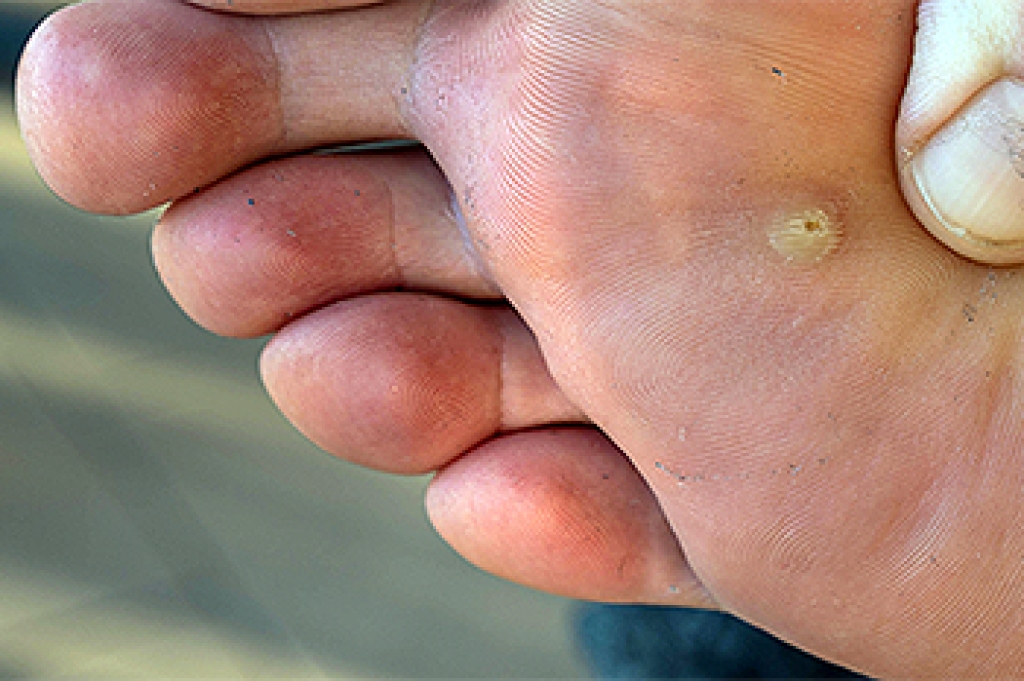
Painful Plantar Warts

Despite the fact that plantar warts are harmless skin growths, they can produce severe pain. They grow inward and can produce discomfort as pressure is exerted while walking. They are considered to be contagious and may spread to other areas of the foot. Plantar warts can develop from exposure to a specific type of fungus, which is found in warm and moist environments. These can include public swimming pools, locker rooms, and similar areas. It is important to refrain from sharing towels, shoes and socks, and this may help to prevent the spread of plantar warts. Many people choose to seek relief from using over the counter remedies, despite this being a temporary fix. If you have a plantar wart, it is suggested that you speak with a podiatrist who can offer a more permanent solution, which may include minor surgery for removal.

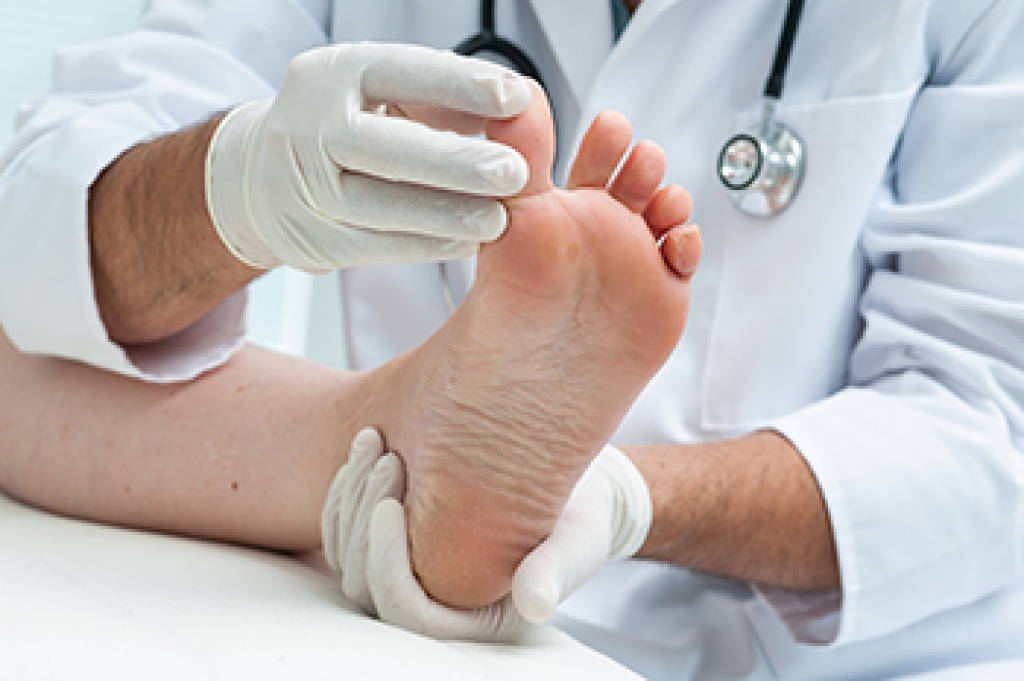
Plantar warts can be very uncomfortable. If you need your feet checked, contact Andrew Katz, DPM from Allcare Foothealth Center. Our doctor will assist you with all of your foot and ankle needs.

About Plantar Warts

Plantar warts are the result of HPV, or human papillomavirus, getting into open wounds on the feet. They are mostly found on the heels or balls of the feet.

While plantar warts are generally harmless, those experiencing excessive pain or those suffering from diabetes or a compromised immune system require immediate medical care. Plantar warts are easily diagnosed, usually through scraping off a bit of rough skin or by getting a biopsy.

Symptoms

  • Lesions on the bottom of your feet, usually rough and grainy
  • Hard or thick callused spots
  • Wart seeds, which are small clotted blood vessels that look like little black spots
  • Pain, discomfort, or tenderness of your feet when walking or standing

Treatment

  • Freezing
  • Electric tool removal
  • Laser Treatment
  • Topical Creams (prescription only)
  • Over-the-counter medications

To help prevent developing plantar warts, avoid walking barefoot over abrasive surfaces that can cause cuts or wounds for HPV to get into. Avoiding direct contact with other warts, as well as not picking or rubbing existing warts, can help prevent the further spread of plantar warts. However, if you think you have developed plantar warts, speak to your podiatrist. He or she can diagnose the warts on your feet and recommend the appropriate treatment options.

If you have any questions, please feel free to contact our office located in Palmdale, CA . We offer the newest diagnostic and treatment technologies for all your foot care needs.
Read more about What Are Plantar Warts?

Puncture Wounds on the Feet

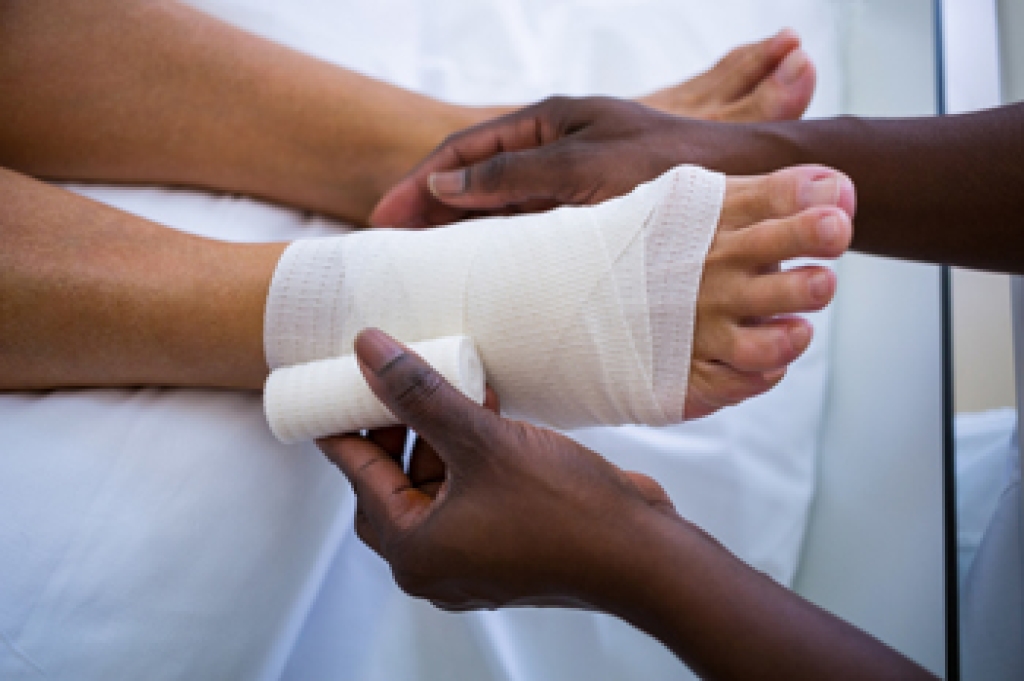
Puncture wounds on the feet are caused by injuries to the feet from pointed objects. Such wounds are usually caused by stepping on a sharp object, such as a nail or piece of glass. Penetration is usually deeper if it is on a weight-bearing area of the foot. An infection can quickly develop from such a wound and must be tended to in a timely manner. If you have sustained a puncture wound, the first thing to do is wash your hands and examine the wound to see how deep it is. If the object grazed the skin and it was not rusty or dirty, the scratch should be gently cleaned with soap and water. A minor wound can then be covered with a bandage and checked frequently. If it is deeper, the object is still in the foot, or dirt from the pointed object has entered the wound, it is important to seek treatment immediately. It is suggested that if you have sustained such an injury, you make an appointment with a podiatrist as soon as possible to have the wound checked, tetanus shots updated, and treatment given.

Wound care is an important part in dealing with diabetes. If you have diabetes and a foot wound or would like more information about wound care for diabetics, consult with Andrew Katz, DPM from Allcare Foothealth Center. Our doctor will assess your condition and provide you with quality foot and ankle treatment.

What Is Wound Care?

Wound care is the practice of taking proper care of a wound. This can range from the smallest to the largest of wounds. While everyone can benefit from proper wound care, it is much more important for diabetics. Diabetics often suffer from poor blood circulation which causes wounds to heal much slower than they would in a non-diabetic. 

What Is the Importance of Wound Care?

While it may not seem apparent with small ulcers on the foot, for diabetics, any size ulcer can become infected. Diabetics often also suffer from neuropathy, or nerve loss. This means they might not even feel when they have an ulcer on their foot. If the wound becomes severely infected, amputation may be necessary. Therefore, it is of the upmost importance to properly care for any and all foot wounds.

How to Care for Wounds

The best way to care for foot wounds is to prevent them. For diabetics, this means daily inspections of the feet for any signs of abnormalities or ulcers. It is also recommended to see a podiatrist several times a year for a foot inspection. If you do have an ulcer, run the wound under water to clear dirt from the wound; then apply antibiotic ointment to the wound and cover with a bandage. Bandages should be changed daily and keeping pressure off the wound is smart. It is advised to see a podiatrist, who can keep an eye on it.

If you have any questions please contact our office located in Palmdale, CA . We offer the newest diagnostic and treatment technologies for all your foot and ankle needs.

Read more about Wound Care

The Perils of Walking Barefoot

Many people welcome the warmer weather for the opportunity to go shoeless and feel the earth beneath their feet. However, if an individual walks barefoot for prolonged periods of time, or if they are in hazardous environments, their feet can endure injury and infections. People who walk barefoot can get blisters or burns from hot cement and injuries from stepping on nails or other sharp objects. Additionally, athlete’s foot may develop from exposure to a fungus that is found in warm and wet environments. Locker rooms or public showers can fall into this category. Athlete’s foot is an infection of the feet that results in red, cracked skin, which can often blister. Patients who have diabetes or poor circulation are slower to heal, and the loss of sensation in their feet can make it difficult to feel pain, possibly increasing the risk of infections. Wearing flip-flops or water shoes around pool areas or at the beach can offer protection to the feet. If you have endured an injury or infection, such as athlete’s foot, from walking barefoot, it is suggested that you see a podiatrist for an evaluation, treatment, and prevention measures.

Athlete’s foot is an inconvenient condition that can be easily reduced with the proper treatment. If you have any concerns about your feet and ankles, contact Andrew Katz, DPM from Allcare Foothealth Center.  Our doctor will treat your foot and ankle needs.

Athlete’s Foot: The Sole Story

Athlete's foot, also known as tinea pedis, can be an extremely contagious foot infection. It is commonly contracted in public changing areas and bathrooms, dormitory style living quarters, around locker rooms and public swimming pools, or anywhere your feet often come into contact with other people.

Solutions to Combat Athlete’s Foot

  • Hydrate your feet by using lotion
  • Exfoliate
  • Buff off nails
  • Use of anti-fungal products
  • Examine your feet and visit your doctor if any suspicious blisters or cuts develop

Athlete’s foot can cause many irritating symptoms such as dry and flaking skin, itching, and redness. Some more severe symptoms can include bleeding and cracked skin, intense itching and burning, and even pain when walking. In the worst cases, Athlete’s foot can cause blistering as well. Speak to your podiatrist for a better understanding of the different causes of Athlete’s foot, as well as help in determining which treatment options are best for you.

If you have any questions please feel free to contact our office located in Palmdale, CA . We offer the newest diagnostic and treatment technologies for all your foot and ankle needs.

Read more about Athlete’s Foot

Causes of a Broken Foot

A broken foot is painful. It generally happens suddenly from falling and is considered a common type of injury. Bruising, severe pain, and swelling often accompany a broken foot, and the range of motion can be limited. Walking is difficult, if not impossible, and prompt medical attention is typically sought for relief. Dropping a heavy object on the foot is also a common cause of a broken foot, and the severity of the break may depend on the angle the object was dropped from. People who frequently participate in sporting activities may endure a broken foot, and soccer players may be prone to incurring this type of fracture from kicking the ball. A diagnosis consisting of having an X-ray taken can be performed, followed by beginning the correct treatment. Most people who have broken footwear have a cast or protective boot until it has healed, which can take several weeks. If you have broken your foot, it is suggested that you speak with a podiatrist who can correctly diagnose and treat this condition.

A broken foot requires immediate medical attention and treatment. If you need your feet checked, contact Andrew Katz, DPM from Allcare Foothealth Center. Our doctor can provide the care you need to keep you pain-free and on your feet.

Broken Foot Causes, Symptoms, and Treatment

A broken foot is caused by one of the bones in the foot typically breaking when bended, crushed, or stretched beyond its natural capabilities. Usually the location of the fracture indicates how the break occurred, whether it was through an object, fall, or any other type of injury. 

Common Symptoms of Broken Feet:

  • Bruising
  • Pain
  • Redness
  • Swelling
  • Blue in color
  • Numbness
  • Cold
  • Misshapen
  • Cuts
  • Deformities

Those that suspect they have a broken foot shoot seek urgent medical attention where a medical professional could diagnose the severity.

Treatment for broken bones varies depending on the cause, severity and location. Some will require the use of splints, casts or crutches while others could even involve surgery to repair the broken bones. Personal care includes the use of ice and keeping the foot stabilized and elevated.

If you have any questions, please feel free to contact our office located in Palmdale, CA . We offer the newest diagnostic and treatment technologies for all your foot care needs.

Read more about Causes, Symptoms, and Treatment for a Broken Foot

Heel Pain Can Be Treated!

Do you suffer from heel pain when you get up in the morning? If so, you should seek professional help and have a proper diagnosis performed. Heel pain can be caused by several different foot-related conditions.

Conditions That May Cause Flat Feet in Adults

The absence of an arch in the feet is known as having flat feet. It may also be referred to as fallen arches, and adults may retain this condition from infancy. The majority of babies are born with flat feet, and the arch will fully develop during the teenage years. Having an abnormal foot structure may cause the arch to not develop, and may be a painful condition in adults. There may be existing medical conditions in adults that can cause flat feet. These can include weakened tendons, ligament injuries, or rheumatoid arthritis. Flat feet may cause patients to have pain, or a general achiness. Performing specific stretches for flat feet may help to reduce existing discomfort. Additionally, some patients may find relief when custom made orthotics are worn, or may opt for surgery if the pain compromises daily activity. If you have flat feet, it is strongly suggested that you are under the care of a podiatrist who can offer you treatment and relief methods that are correct for you.

Flatfoot is a condition many people suffer from. If you have flat feet, contact Andrew Katz, DPM from Allcare Foothealth Center. Our doctor will treat your foot and ankle needs.

What Are Flat Feet?

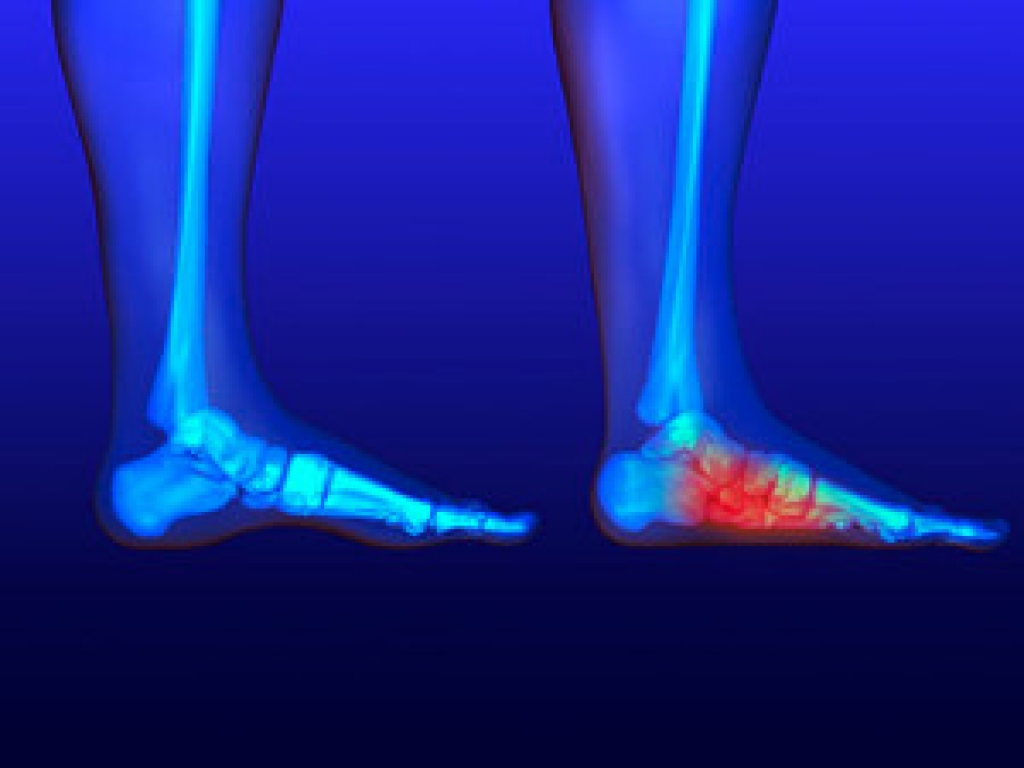
Flatfoot is a condition in which the arch of the foot is depressed and the sole of the foot is almost completely in contact with the ground. About 20-30% of the population generally has flat feet because their arches never formed during growth.

Conditions & Problems:

Having flat feet makes it difficult to run or walk because of the stress placed on the ankles.

Alignment – The general alignment of your legs can be disrupted, because the ankles move inward which can cause major discomfort.

Knees – If you have complications with your knees, flat feet can be a contributor to arthritis in that area.  

Symptoms

  • Pain around the heel or arch area
  • Trouble standing on the tip toe
  • Swelling around the inside of the ankle
  • Flat look to one or both feet
  • Having your shoes feel uneven when worn

Treatment

If you are experiencing pain and stress on the foot you may weaken the posterior tibial tendon, which runs around the inside of the ankle. 

If you have any questions, please feel free to contact our office located in Palmdale, CA . We offer the newest diagnostic and treatment technologies for all your foot care needs.

Read more about Flatfoot

Causes of Heel Pain

Heel pain is common and there are several causes. It can occur as a result of an injury or from wearing shoes that do not have adequate cushioning in the heel area. The foot condition known as plantar fasciitis can cause severe heel pain and a podiatrist is often consulted for relief. Additionally, enduring an Achilles tendon injury can also produce heel pain, and it can become difficult to walk. People who are afflicted with arthritis in the feet may have swollen heels and a reduced range of motion. For moderate heel pain, performing gentle stretches can help to strengthen the heel and it is helpful to avoid wearing high heels. A heel spur is a bony growth that forms on the bottom of the heel that causes heel pain, too. A heel spur can be diagnosed by having an X-ray taken to determine its size. If you have heel pain, it is strongly suggested that you are under the care of a podiatrist who can analyze the cause and offer you the correct treatment solutions.

Many people suffer from bouts of heel pain. For more information, contact Andrew Katz, DPM of Allcare Foothealth Center. Our doctor can provide the care you need to keep you pain-free and on your feet.

Causes of Heel Pain

Heel pain is often associated with plantar fasciitis. The plantar fascia is a band of tissues that extends along the bottom of the foot. A rip or tear in this ligament can cause inflammation of the tissue.

Achilles tendonitis is another cause of heel pain. Inflammation of the Achilles tendon will cause pain from fractures and muscle tearing. Lack of flexibility is also another symptom.

Heel spurs are another cause of pain. When the tissues of the plantar fascia undergo a great deal of stress, it can lead to ligament separation from the heel bone, causing heel spurs.

Why Might Heel Pain Occur?

  • Wearing ill-fitting shoes                
  • Wearing non-supportive shoes
  • Weight change           
  • Excessive running

Treatments

Heel pain should be treated as soon as possible for immediate results. Keeping your feet in a stress-free environment will help. If you suffer from Achilles tendonitis or plantar fasciitis, applying ice will reduce the swelling. Stretching before an exercise like running will help the muscles. Using all these tips will help make heel pain a condition of the past.

If you have any questions, please feel free to contact our office located in Palmdale, CA . We offer the newest diagnostic and treatment technologies for all your foot care needs.
Read more about Heel Pain

Poor Circulation of the Feet

Poor blood circulation can cause the feet to feel cold, numb, or tingly. It can also cause dry skin on the feet and brittle toenails. This happens because there is an interference with blood delivery of vital oxygen and nutrients to the feet. Poor circulation can make wounds heal slower and increase the risk of infection. Lifestyle changes may help some patients, and others may have to take medicine to widen blood vessels. Though vitamins and supplements cannot cure circulation problems, they may provide relief from symptoms. If you have signs of poor circulation in your feet, it is strongly suggested that you visit a podiatrist as quickly as possible who can determine what the cause is, and offer advice on treatment. 

Poor circulation is a serious condition and needs immediate medical attention. If you have any concerns with poor circulation in your feet contact Andrew Katz, DPM of Allcare Foothealth Center. Our doctor will treat your foot and ankle needs.

Poor Circulation in the Feet

Poor blood circulation in the feet and legs is can be caused by peripheral artery disease (PAD), which is the result of a buildup of plaque in the arteries.

Plaque buildup or atherosclerosis results from excess calcium and cholesterol in the bloodstream. This can restrict the amount of blood which can flow through the arteries. Poor blood circulation in the feet and legs are sometimes caused by inflammation in the blood vessels, known as vasculitis.

Causes

Lack of oxygen and oxygen from poor blood circulation restricts muscle growth and development. It can also cause:

  • Muscle pain, stiffness, or weakness 
  • Numbness or cramping in the legs
  • Skin discoloration
  • Slower nail & hair growth
  • Erectile dysfunction

Those who have diabetes or smoke are at greatest risk for poor circulation, as are those who are over 50. If you have poor circulation in the feet and legs it may be caused by PAD and is important to make changes to your lifestyle in order to reduce risk of getting a heart attack or stroke. Exercise and maintaining a healthy lifestyle will dramatically improve conditions.

As always, see a podiatrist as he or she will assist in finding a regimen that suits you. A podiatrist can also prescribe you any needed medication. 

If you have any questions, please feel free to contact our office located in Palmdale, CA . We offer the newest diagnostic and treatment technologies for all your foot care needs.

Read more about Causes Symptoms and Treatment for Poor Circulation in the Feet

Plantar Fasciitis and Surgery

The foot condition that is known as plantar fasciitis may require foot surgery to be performed. If other treatment methods are unsuccessful, patients may consider surgery as an option for permanent relief. Plantar fasciitis occurs when the plantar fascia becomes irritated or torn, which may happen from standing on hard surfaces for long periods of time. The plantar fascia is found on the bottom of the foot and connects the heels to the toes. The pain is often felt in the heel and lower leg and can cause difficulty in completing daily activities. Patients that have severe pain with this condition can find it can be uncomfortable to walk, causing them to look for relief options. When surgery is performed, the fascia is detached from the heel bone, and this can be successful in relieving tension. New growth occurs during the healing process, which may lengthen the fascia. If you suffer from this painful condition, it is strongly suggested that you consult with a podiatrist who will help you to determine if foot surgery is right for you.

Foot surgery is sometimes necessary to treat a foot ailment. To learn more, contact Andrew Katz, DPM of Allcare Foothealth Center. Our doctor will assist you with all of your foot and ankle needs.

When Is Surgery Necessary?

Foot and ankle surgery is generally reserved for cases in which less invasive, conservative procedures have failed to alleviate the problem. Some of the cases in which surgery may be necessary include:

  • Removing foot deformities like bunions and bone spurs
  • Severe arthritis that has caused bone issues
  • Cosmetic reconstruction

What Types of Surgery Are There?

The type of surgery you receive will depend on the nature of the problem you have. Some of the possible surgeries include:

  • Bunionectomy for painful bunions
  • Surgical fusion for realignment of bones
  • Neuropathy decompression surgery to treat nerve damage

Benefits of Surgery

Although surgery is usually a last resort, it can provide more complete pain relief compared to non-surgical methods and may allow you to finally resume full activity.

Surgical techniques have also become increasingly sophisticated. Techniques like endoscopic surgery allow for smaller incisions and faster recovery times.

If you have any questions, please feel free to contact our office located in Palmdale, CA . We offer the newest diagnostic and treatment technologies for all your foot care needs.

Read more about Foot Surgery

Wounds That Don't Heal Need to Be Checked

Your feet are covered most of the day. If you're diabetic, periodic screening is important for good health. Numbness is often a sign of diabetic foot and can mask a sore or wound.

Connect With Us