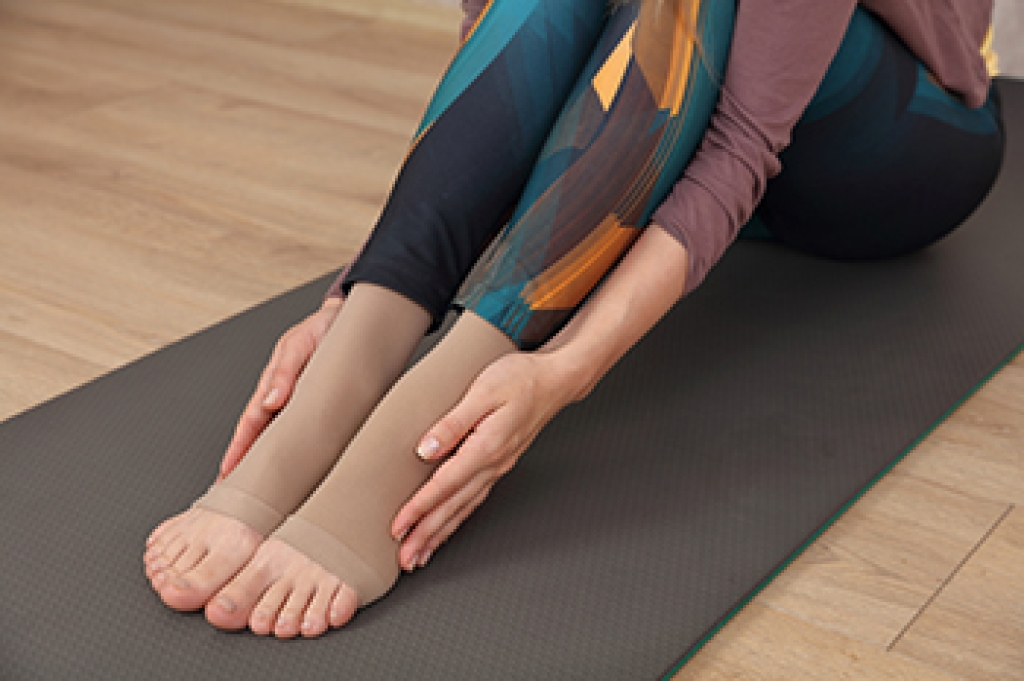
Improving Circulation in the Lower Extremities

Poor circulation in the legs and feet can lead to discomfort, swelling, numbness, and delayed healing of wounds. It is often linked to diabetes, peripheral artery disease, or a sedentary lifestyle. Limited blood flow reduces oxygen delivery to tissues, which may increase the risk of infections and long-term complications, if left untreated. There are simple steps that can help improve circulation. First, regular movement such as walking or gentle stretching stimulates blood flow and keeps vessels active. Second, wearing supportive footwear and avoiding tight socks can reduce pressure on the feet and ankles. Third, keeping the feet warm with insulated shoes or socks can prevent vessel constriction, which is especially helpful for anyone who is sensitive to even mild cold. If you are experiencing persistent symptoms of poor circulation, it is suggested that you see a podiatrist for a proper diagnosis and appropriate treatment.

Poor circulation is a serious condition and needs immediate medical attention. If you have any concerns with poor circulation in your feet contact Andrew Katz, DPM of Allcare Foothealth Center. Our doctor will treat your foot and ankle needs.

Poor Circulation in the Feet

Poor blood circulation in the feet and legs is can be caused by peripheral artery disease (PAD), which is the result of a buildup of plaque in the arteries.

Plaque buildup or atherosclerosis results from excess calcium and cholesterol in the bloodstream. This can restrict the amount of blood which can flow through the arteries. Poor blood circulation in the feet and legs are sometimes caused by inflammation in the blood vessels, known as vasculitis.

Causes

Lack of oxygen and oxygen from poor blood circulation restricts muscle growth and development. It can also cause:

  • Muscle pain, stiffness, or weakness 
  • Numbness or cramping in the legs
  • Skin discoloration
  • Slower nail & hair growth
  • Erectile dysfunction

Those who have diabetes or smoke are at greatest risk for poor circulation, as are those who are over 50. If you have poor circulation in the feet and legs it may be caused by PAD and is important to make changes to your lifestyle in order to reduce risk of getting a heart attack or stroke. Exercise and maintaining a healthy lifestyle will dramatically improve conditions.

As always, see a podiatrist as he or she will assist in finding a regimen that suits you. A podiatrist can also prescribe you any needed medication. 

If you have any questions, please feel free to contact our office located in Palmdale, CA . We offer the newest diagnostic and treatment technologies for all your foot care needs.

Read more about Causes Symptoms and Treatment for Poor Circulation in the Feet

Expert Guidance From a Podiatrist on Athlete’s Foot

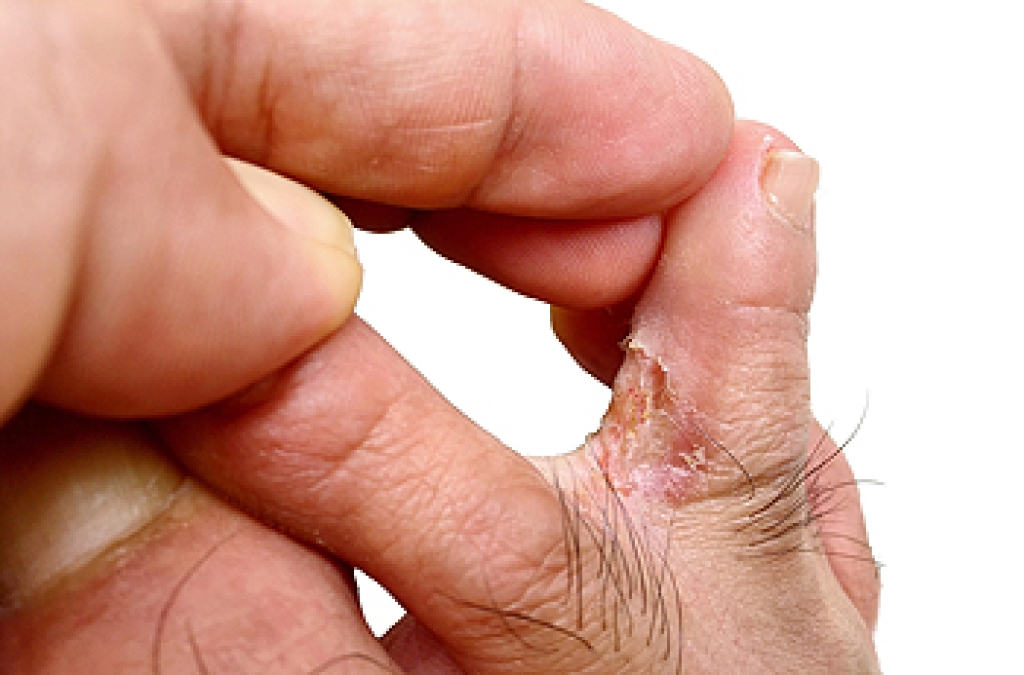
Athlete’s foot is a common fungal infection that affects the skin of the feet, often developing between the toes. It occurs when the fungus grows in warm, moist environments, such as sweaty socks or communal showers. Causes include direct contact with contaminated surfaces, shared footwear, and poor foot hygiene. Risk factors include excessive sweating, wearing tight or non breathable shoes, and weakened immunity. Symptoms may include itching, burning, redness, peeling skin, and an unpleasant odor. A podiatrist can provide an accurate diagnosis, recommend antifungal treatments, and offer guidance on proper foot care to prevent recurrence. If you have symptoms of athlete’s foot, it is suggested that you consult a podiatrist who can offer effective relief and treatment remedies, which may include prescribed medication.

Athlete’s foot is an inconvenient condition that can be easily reduced with the proper treatment. If you have any concerns about your feet and ankles, contact Andrew Katz, DPM from Allcare Foothealth Center.  Our doctor will treat your foot and ankle needs.

Athlete’s Foot: The Sole Story

Athlete's foot, also known as tinea pedis, can be an extremely contagious foot infection. It is commonly contracted in public changing areas and bathrooms, dormitory style living quarters, around locker rooms and public swimming pools, or anywhere your feet often come into contact with other people.

Solutions to Combat Athlete’s Foot

  • Hydrate your feet by using lotion
  • Exfoliate
  • Buff off nails
  • Use of anti-fungal products
  • Examine your feet and visit your doctor if any suspicious blisters or cuts develop

Athlete’s foot can cause many irritating symptoms such as dry and flaking skin, itching, and redness. Some more severe symptoms can include bleeding and cracked skin, intense itching and burning, and even pain when walking. In the worst cases, Athlete’s foot can cause blistering as well. Speak to your podiatrist for a better understanding of the different causes of Athlete’s foot, as well as help in determining which treatment options are best for you.

If you have any questions please feel free to contact our office located in Palmdale, CA . We offer the newest diagnostic and treatment technologies for all your foot and ankle needs.

Read more about Athlete's Foot

Reasons for Blisters on the Feet

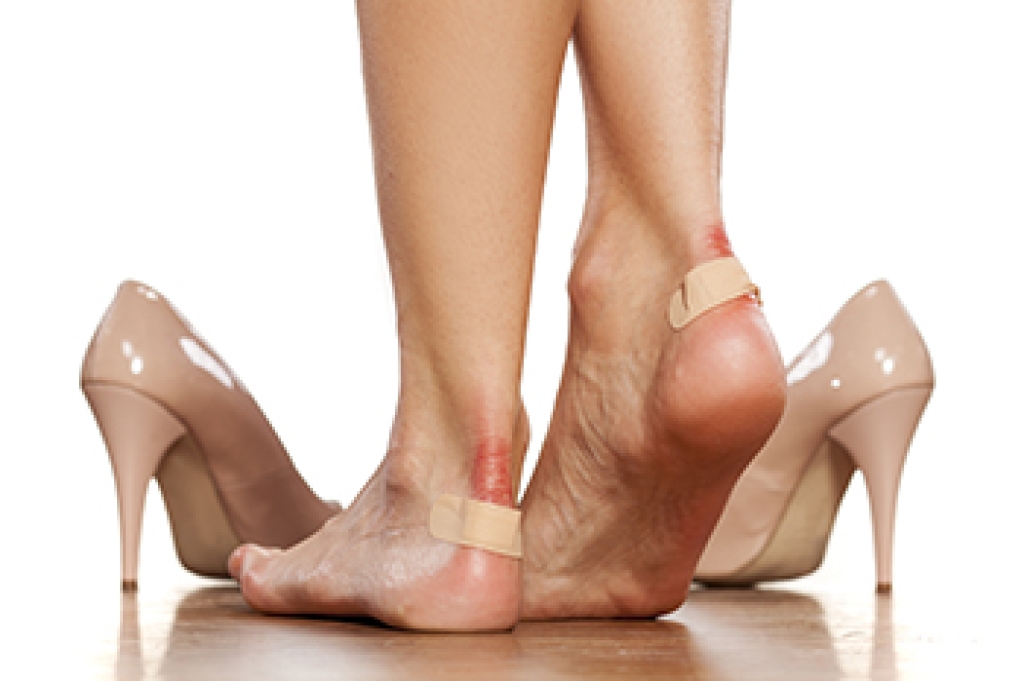
Blisters develop on the feet when the outer layer of skin separates from the layers beneath and fluid fills the space, often as a result of friction. Shoes that are too tight or too loose can cause repetitive rubbing. Moisture from sweat can worsen friction, making blister formation more likely. Socks that bunch or trap moisture also increase the risk. Beyond footwear, increased activity like running or long periods of walking places additional pressure on the feet and may lead to blister formation. Fungal or bacterial infections, such as athlete’s foot or impetigo, can also trigger blistering. Blisters should not be intentionally popped, as this increases the risk of infection. A podiatrist can examine the cause, relieve discomfort, and provide guidance to prevent recurrence. If you have painful blisters on your feet, it is suggested that you make an appointment with a podiatrist for safe and sterile treatment.

Blisters may appear as a single bubble or in a cluster. They can cause a lot of pain and may be filled with pus, blood, or watery serum. If your feet are hurting, contact Andrew Katz, DPM of Allcare Foothealth Center. Our doctor can provide the care you need to keep you pain-free and on your feet.

Foot Blisters

Foot blisters are often the result of friction. This happens due to the constant rubbing from shoes, which can lead to pain.

What Are Foot Blisters?

A foot blister is a small fluid-filled pocket that forms on the upper-most layer of the skin. Blisters are filled with clear fluid and can lead to blood drainage or pus if the area becomes infected.

Symptoms

(Blister symptoms may vary depending on what is causing them)

  • Bubble of skin filled with fluid
  • Redness
  • Moderate to severe pain
  • Itching

Prevention & Treatment

In order to prevent blisters, you should be sure to wear comfortable shoes with socks that cushion your feet and absorb sweat. Breaking a blister open may increase your chances of developing an infection. However, if your blister breaks, you should wash the area with soap and water immediately and then apply a bandage to the affected area. If your blisters cause severe pain it is important that you call your podiatrist right away.

If you have any questions, please feel free to contact our office located in Palmdale, CA . We offer the newest diagnostic and treatment technologies for all your foot care needs.
Read more about Blisters on the Feet

Finding Relief From Foot Pain Through Proper Care

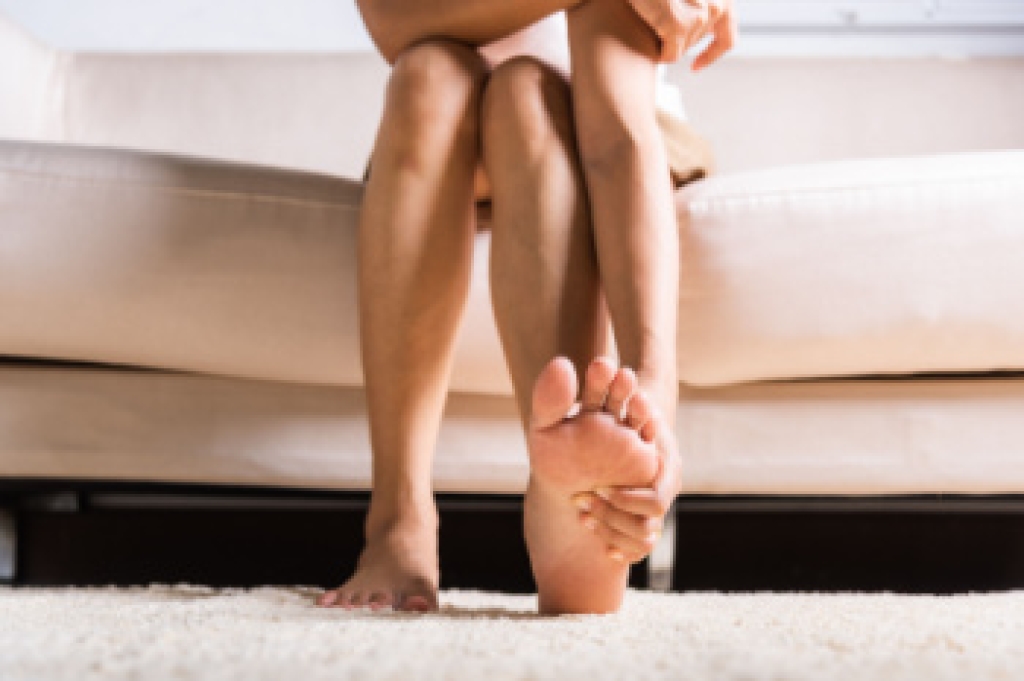
Foot pain can interfere with daily activities, exercise, and overall comfort. It may be caused by iplantar fasciitis, bunions, arthritis, flat feet, sports injuries, or simply wearing shoes that do not fit well. Because the foot is made up of many bones, joints, and soft tissues, even small problems can create significant discomfort. To determine the cause, a podiatrist will take a medical history, examine the foot, and may use imaging like X-rays or ultrasound for a clearer view. An accurate diagnosis is important since many foot conditions share similar symptoms. Treatment varies depending on the diagnosis and may include custom orthotics, targeted exercises, medications, or improved footwear. More advanced cases may require procedures or surgery. If foot pain continues, it is suggested that you see a podiatrist to ensure you get the right treatment and prevent the pain from worsening.

Foot Pain

Foot pain can be extremely painful and debilitating. If you have a foot pain, consult with Andrew Katz, DPM from Allcare Foothealth Center. Our doctor will assess your condition and provide you with quality foot and ankle treatment.

Causes

Foot pain is a very broad condition that could be caused by one or more ailments. The most common include:

  • Bunions
  • Hammertoes
  • Plantar Fasciitis
  • Bone Spurs
  • Corns
  • Tarsal Tunnel Syndrome
  • Ingrown Toenails
  • Arthritis (such as Gout, Rheumatoid, and Osteoarthritis)
  • Flat Feet
  • Injury (from stress fractures, broken toe, foot, ankle, Achilles tendon ruptures, and sprains)
  • And more

Diagnosis

To figure out the cause of foot pain, podiatrists utilize several different methods. This can range from simple visual inspections and sensation tests to X-rays and MRI scans. Prior medical history, family medical history, and any recent physical traumatic events will all be taken into consideration for a proper diagnosis.

Treatment

Treatment depends upon the cause of the foot pain. Whether it is resting, staying off the foot, or having surgery; podiatrists have a number of treatment options available for foot pain.

If you have any questions, please feel free to contact our office located in Palmdale, CA . We offer the newest diagnostic and treatment technologies for all your foot care needs.
Read more about Foot Pain

Connect With Us