What Might Be Causing My Child’s Foot Pain?

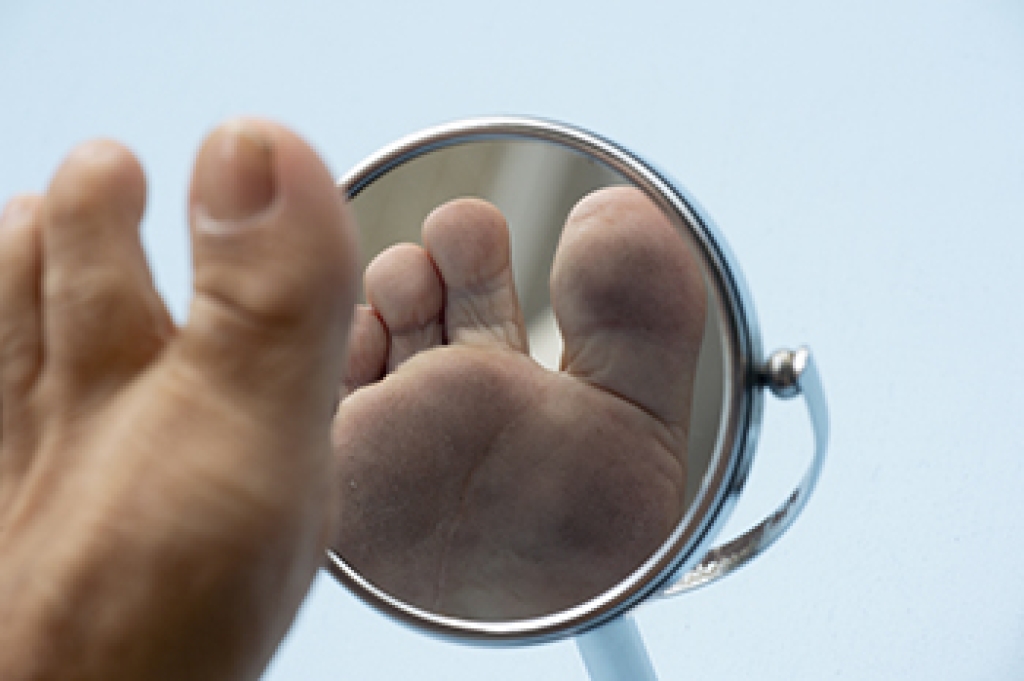
There are many reasons your child may be experiencing foot pain. If your child plays a sport, you’ll want to find out if they’ve recently had an accident or injury. Physically active children are more at risk for obtaining an ankle sprain or strain, Achilles tendonitis, fracture, or other injury. Children between 9 and 14 years old can go through growth spurts where the growth plate at the heel becomes stressed and inflamed (Sever’s disease). This condition can be exacerbated by physical activity. Your child may have outgrown their footwear or are wearing shoes without proper support and cushioning. Perhaps your child has never developed arches, which can cause pain throughout the feet, ankles and calves. Does your child trim their own toenails? If so, they may have developed a painful ingrown toenail from cutting their nails too short. Has your child been walking differently? Check the bottom of their feet for plantar warts. These contagious growths can be very painful when walking or running. To get to the bottom of your child’s foot pain, it's a good idea to have a podiatrist perform a thorough examination.

When dealing with systemic disease of the feet, it is extremely important to check the affected areas routinely so that any additional problems are caught quickly.  If you have any concerns about your feet and ankles contact Andrew Katz, DPM from Allcare Foothealth Center. Our doctor will assist you with all of your podiatric needs.

Systemic Diseases of the Feet

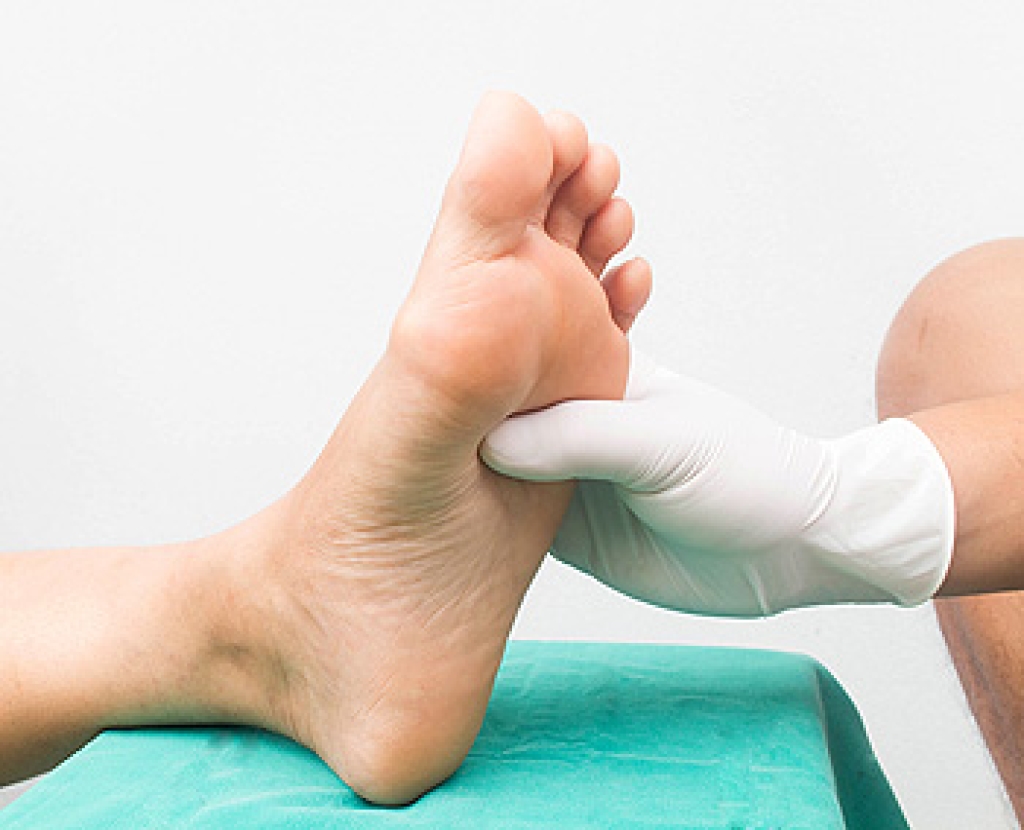
Systemic diseases affect the whole body, and symptoms usually are displayed in the feet. This condition can make a patient’s ability to walk unbearable.  Systemic diseases include gout, diabetes mellitus, neurological disorders, and arthritis.

Gout – is caused by an excess of uric acid in the body. Common symptoms include pain, inflammation, and redness at the metatarsal/phalangeal joint of the base big toe. Gout can be treated by NSAIDs to relieve pain and inflammation, and other drugs that lower the acid levels in the body.

Diabetes mellitus – is an increase in the level of blood sugar that the body cannot counteract with its own insulin. Failure to produce enough insulin is a factor in Diabetes.

Diabetes of the Feet

Diabetic Neuropathy – may lead to damaged nerves and affect the feet through numbness and loss of sensation.

Peripheral Vascular Disease – can restrict the blood flow to the feet, and often times lead to amputation of the feet. 

If you have any questions please contact our office located in Palmdale, CA . We offer the newest diagnostic and treatment technologies for all your foot and ankle needs.

Read more about Systemic Diseases of the Foot

What Are These Bumps Around My Heels?

When you stand on the ground, do you notice small, soft bumps on the bottoms of your feet? Do they disappear when you sit down? If so, you may have piezogenic pedal papules. These tiny bumps are round, squishy, and skin-colored and tend to occur around the heels. They are caused by fat below the skin poking through connective tissue defects in the feet. Piezogenic pedal papules are very common, affecting approximately 60% of adults. In the majority of cases, these papules cause no symptoms. In about 10% of people, papules may cause foot pain, which can be treated through conservative measures, such as avoiding standing for prolonged periods of time, treating any existing foot injuries, wearing orthotics, and weight loss. For more information about piezogenic pedal papules, please consult with a podiatrist. 

Foot Pain

Foot pain can be extremely painful and debilitating. If you have a foot pain, consult with Andrew Katz, DPM from Allcare Foothealth Center. Our doctor will assess your condition and provide you with quality foot and ankle treatment.

Causes

Foot pain is a very broad condition that could be caused by one or more ailments. The most common include:

  • Bunions
  • Hammertoes
  • Plantar Fasciitis
  • Bone Spurs
  • Corns
  • Tarsal Tunnel Syndrome
  • Ingrown Toenails
  • Arthritis (such as Gout, Rheumatoid, and Osteoarthritis)
  • Flat Feet
  • Injury (from stress fractures, broken toe, foot, ankle, Achilles tendon ruptures, and sprains)
  • And more

Diagnosis

To figure out the cause of foot pain, podiatrists utilize several different methods. This can range from simple visual inspections and sensation tests to X-rays and MRI scans. Prior medical history, family medical history, and any recent physical traumatic events will all be taken into consideration for a proper diagnosis.

Treatment

Treatment depends upon the cause of the foot pain. Whether it is resting, staying off the foot, or having surgery; podiatrists have a number of treatment options available for foot pain.

If you have any questions, please feel free to contact our office located in Palmdale, CA . We offer the newest diagnostic and treatment technologies for all your foot care needs.

Read more about Foot Pain

Complications With Diabetes and the Feet

Diabetes is a systemic condition that can affect many parts of your body – including the feet. Due to the chronically raised blood sugar levels associated with diabetes, the nerves and blood vessels that supply the lower limbs can become damaged. This can cause neuropathy and poor circulation, both of which can lead to strange sensations, such as burning and tingling or numbness in the feet, a loss of sensation, and the formation of poorly healing foot wounds. The skin and nails on the feet may also change. Skin can become dry and cracked, and start to peel, and calluses may form more quickly, as well. Because diabetes can also cause immune insufficiency, foot and nail infections are more likely to occur. If you have diabetes, it is suggested that you visit a podiatrist regularly to monitor and preserve the health of your feet.

Diabetic foot care is important in preventing foot ailments such as ulcers. If you are suffering from diabetes or have any other concerns about your feet, contact Andrew Katz, DPM from Allcare Foothealth Center. Our doctor can provide the care you need to keep you pain-free and on your feet.

Diabetic Foot Care

Diabetes affects millions of people every year. The condition can damage blood vessels in many parts of the body, especially the feet. Because of this, taking care of your feet is essential if you have diabetes, and having a podiatrist help monitor your foot health is highly recommended.

The Importance of Caring for Your Feet

  • Routinely inspect your feet for bruises or sores.
  • Wear socks that fit your feet comfortably.
  • Wear comfortable shoes that provide adequate support.

Patients with diabetes should have their doctor monitor their blood levels, as blood sugar levels play such a huge role in diabetic care. Monitoring these levels on a regular basis is highly advised.

It is always best to inform your healthcare professional of any concerns you may have regarding your feet, especially for diabetic patients. Early treatment and routine foot examinations are keys to maintaining proper health, especially because severe complications can arise if proper treatment is not applied.

If you have any questions, please feel free to contact our office located in Palmdale, CA . We offer the newest diagnostic and treatment technologies for all your foot care needs.

Read more about Diabetic Foot Care

Potential Achilles Tendon Injuries

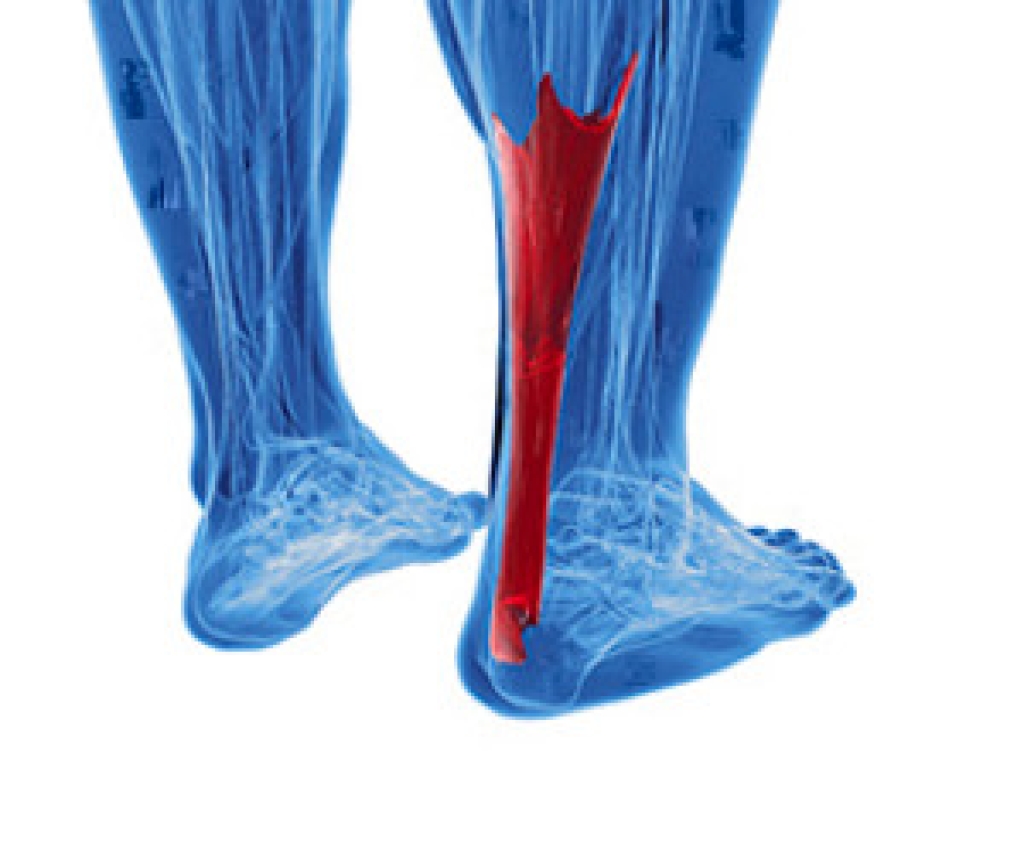
If you feel the back of your ankle, you will notice the fibrous tissue that connects the heel bone to the calf muscle. This is known as the Achilles tendon. There are two injuries that commonly affect this tendon. The first, known as Achilles tendinopathy, occurs when there is pain on the back of the heel as a result of overuse. Common signs of Achilles tendinopathy include swelling, stiffness, and pain that is worse in the morning. The second injury is an Achilles tendon rupture or tear, which commonly occurs as a result of jumping and pivoting with a lot of force. This causes the tendon to overstretch and eventually tear. Anyone who tears their Achilles tendon will notice a severe pain and a loss of both movement and strength in the tendon. If you are experiencing pain or swelling in your Achilles tendon, it is suggested that you consult with a podiatrist who can help provide a treatment option for injuries as well as ways to prevent a rupture.

Achilles tendon injuries need immediate attention to avoid future complications. If you have any concerns, contact Andrew Katz, DPM of Allcare Foothealth Center. Our doctor can provide the care you need to keep you pain-free and on your feet.

What Is the Achilles Tendon?

The Achilles tendon is a tendon that connects the lower leg muscles and calf to the heel of the foot. It is the strongest tendon in the human body and is essential for making movement possible. Because this tendon is such an integral part of the body, any injuries to it can create immense difficulties and should immediately be presented to a doctor.

What Are the Symptoms of an Achilles Tendon Injury?

There are various types of injuries that can affect the Achilles tendon. The two most common injuries are Achilles tendinitis and ruptures of the tendon.

Achilles Tendinitis Symptoms

  • Inflammation
  • Dull to severe pain
  • Increased blood flow to the tendon
  • Thickening of the tendon

Rupture Symptoms

  • Extreme pain and swelling in the foot
  • Total immobility

Treatment and Prevention

Achilles tendon injuries are diagnosed by a thorough physical evaluation, which can include an MRI. Treatment involves rest, physical therapy, and in some cases, surgery. However, various preventative measures can be taken to avoid these injuries, such as:

  • Thorough stretching of the tendon before and after exercise
  • Strengthening exercises like calf raises, squats, leg curls, leg extensions, leg raises, lunges, and leg presses

If you have any questions please feel free to contact our office located in Palmdale, CA . We offer the newest diagnostic tools and technology to treat your foot and ankle needs.

Read more about What are Achilles Tendon Injuries

The 8 Principles of Foot Ulcer Prevention for Diabetics

The presence of diabetic peripheral neuropathy (nerve damage) and peripheral artery disease (poor circulation) in many diabetic patients creates a perfect storm of factors that can make wounds difficult to detect and take longer to heal. Chronic wounds that don’t heal (ulcers) are potentially very dangerous to both the overall health of the patient as well as their affected limb. There are eight steps every diabetic should take to help prevent such ulcers: 1) check your feet daily for cuts, growths or red spots, 2) wash and thoroughly dry your feet every day, 3) moisturize your feet, except between the toes, 4) trim your toenails straight across, but not too short, 5) avoid walking barefoot, and wear shoes that fit well, 6) protect your feet from extreme heat or cold, 7) elevate your feet as much as possible when sitting, and exercise your toes and ankles to aid circulation, and 8) have a podiatrist examine your feet at least once a year.

Wound care is an important part in dealing with diabetes. If you have diabetes and a foot wound or would like more information about wound care for diabetics, consult with Andrew Katz, DPM from Allcare Foothealth Center. Our doctor will assess your condition and provide you with quality foot and ankle treatment.

What Is Wound Care?

Wound care is the practice of taking proper care of a wound. This can range from the smallest to the largest of wounds. While everyone can benefit from proper wound care, it is much more important for diabetics. Diabetics often suffer from poor blood circulation which causes wounds to heal much slower than they would in a non-diabetic. 

What Is the Importance of Wound Care?

While it may not seem apparent with small ulcers on the foot, for diabetics, any size ulcer can become infected. Diabetics often also suffer from neuropathy, or nerve loss. This means they might not even feel when they have an ulcer on their foot. If the wound becomes severely infected, amputation may be necessary. Therefore, it is of the upmost importance to properly care for any and all foot wounds.

How to Care for Wounds

The best way to care for foot wounds is to prevent them. For diabetics, this means daily inspections of the feet for any signs of abnormalities or ulcers. It is also recommended to see a podiatrist several times a year for a foot inspection. If you do have an ulcer, run the wound under water to clear dirt from the wound; then apply antibiotic ointment to the wound and cover with a bandage. Bandages should be changed daily and keeping pressure off the wound is smart. It is advised to see a podiatrist, who can keep an eye on it.

If you have any questions please contact our office located in Palmdale, CA . We offer the newest diagnostic and treatment technologies for all your foot and ankle needs.
Read more about Wound Care

Connect With Us