
Have you noticed a bony protrusion on the side of your big toe? If so, you may have developed the foot condition known as a bunion. Don't let bunions interfere with your daily activities.
Have you noticed a bony protrusion on the side of your big toe? If so, you may have developed the foot condition known as a bunion. Don't let bunions interfere with your daily activities.
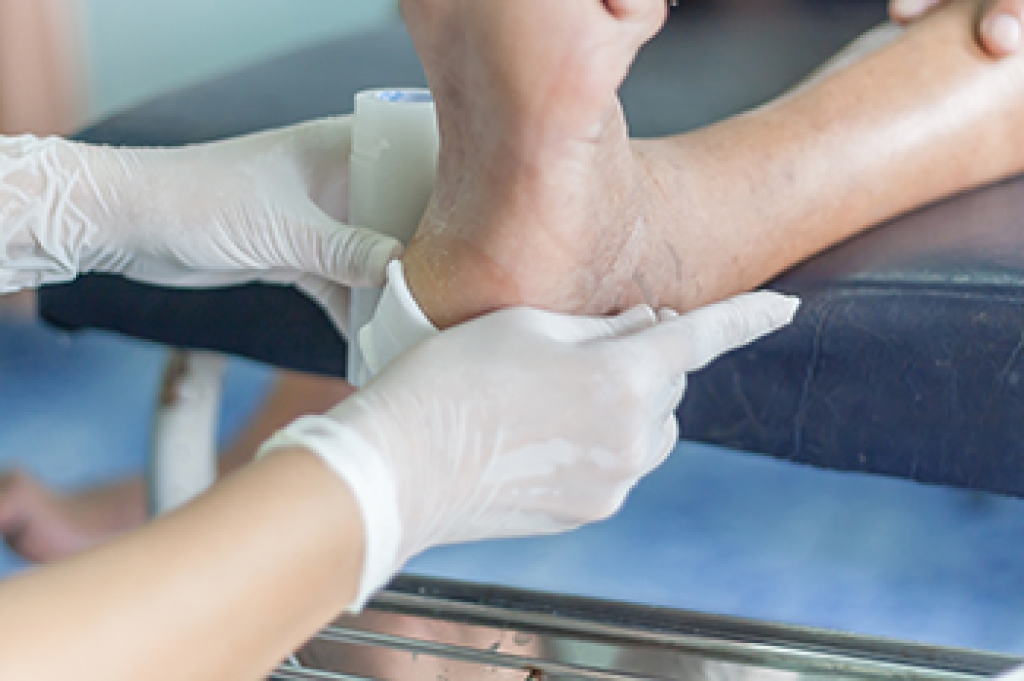
An open wound that develops on the foot can happen from an external or internal injury, which causes the tissue to become exposed to the outside environment. The two categories of wounds are classified as open or closed. The tissue damage that happens under the skin is a closed wound, and a bruise is an accurate example of this. Exposed tissue represents an open wound and can happen from a fall, surgery, or sudden trauma. Open wounds generally require prompt medical attention from a podiatrist who can stop the bleeding and clean the wound, followed by possibly treating it with antibiotics. The wound may heal faster when a proper dressing is applied and is frequently changed. If you have a wound, it is strongly advised that you contact a podiatrist who can effectively treat wounds on the feet.
Wound care is an important part in dealing with diabetes. If you have diabetes and a foot wound or would like more information about wound care for diabetics, consult with Andrew Katz, DPM from Allcare Foothealth Center. Our doctor will assess your condition and provide you with quality foot and ankle treatment.
What Is Wound Care?
Wound care is the practice of taking proper care of a wound. This can range from the smallest to the largest of wounds. While everyone can benefit from proper wound care, it is much more important for diabetics. Diabetics often suffer from poor blood circulation which causes wounds to heal much slower than they would in a non-diabetic.
What Is the Importance of Wound Care?
While it may not seem apparent with small ulcers on the foot, for diabetics, any size ulcer can become infected. Diabetics often also suffer from neuropathy, or nerve loss. This means they might not even feel when they have an ulcer on their foot. If the wound becomes severely infected, amputation may be necessary. Therefore, it is of the upmost importance to properly care for any and all foot wounds.
How to Care for Wounds
The best way to care for foot wounds is to prevent them. For diabetics, this means daily inspections of the feet for any signs of abnormalities or ulcers. It is also recommended to see a podiatrist several times a year for a foot inspection. If you do have an ulcer, run the wound under water to clear dirt from the wound; then apply antibiotic ointment to the wound and cover with a bandage. Bandages should be changed daily and keeping pressure off the wound is smart. It is advised to see a podiatrist, who can keep an eye on it.
If you have any questions please contact our office located in Palmdale, CA . We offer the newest diagnostic and treatment technologies for all your foot and ankle needs.

The Achilles tendon is found in the lower half of the calf and connects the heel to the calf muscles. Repetitive use or a sudden injury may cause an Achilles tendon injury to occur, which can be a tear or a rupture. A rupture is considered to be a severe injury, and it is obvious as the tendon is completely torn in two. Walking is often difficult, if not impossible, and prompt medical attention is often sought for relief. A mild tear may be treated by wearing a cast or walking boot, which may be effective in keeping the foot stable as the healing process occurs. For complete ruptures, surgery may be necessary for proper healing. Complications may be minimal, and recovery time can take several weeks. If you have suddenly or gradually injured your Achilles tendon, please consult with a podiatrist who can effectively diagnose and offer the best treatment method for you.
Achilles tendon injuries need immediate attention to avoid future complications. If you have any concerns, contact Andrew Katz, DPM of Allcare Foothealth Center. Our doctor can provide the care you need to keep you pain-free and on your feet.
What Is the Achilles Tendon?
The Achilles tendon is a tendon that connects the lower leg muscles and calf to the heel of the foot. It is the strongest tendon in the human body and is essential for making movement possible. Because this tendon is such an integral part of the body, any injuries to it can create immense difficulties and should immediately be presented to a doctor.
What Are the Symptoms of an Achilles Tendon Injury?
There are various types of injuries that can affect the Achilles tendon. The two most common injuries are Achilles tendinitis and ruptures of the tendon.
Achilles Tendinitis Symptoms
Rupture Symptoms
Treatment and Prevention
Achilles tendon injuries are diagnosed by a thorough physical evaluation, which can include an MRI. Treatment involves rest, physical therapy, and in some cases, surgery. However, various preventative measures can be taken to avoid these injuries, such as:
If you have any questions please feel free to contact our office located in Palmdale, CA . We offer the newest diagnostic tools and technology to treat your foot and ankle needs.
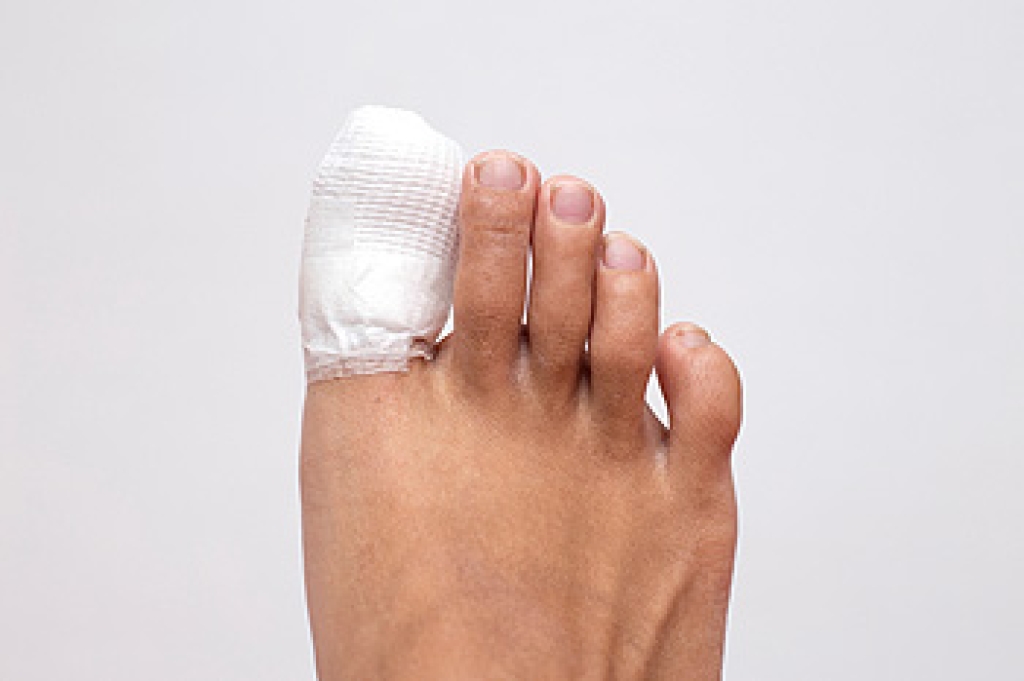
A broken toe can occur due to trauma or injury, such as stubbing the toe or dropping a heavy object on it. Pain, swelling, stiffness, bruising, and difficulty walking are symptoms of a fractured toe. If a broken toe is not properly cared for, complications can develop including arthritis or a toe deformity. Depending on the severity of a toe fracture, surgery might be needed to put it back in place. Staying off the foot and buddy taping are generally recommended as things one can do immediately to relieve the pain of a broken toe. Buddy taping involves taping the fractured toe to the one next to it. If you think you may have broken your toe, and rest and home remedies are not providing relief, contact a podiatrist who can provide appropriate treatments for healing.
Broken toes may cause a lot of pain and should be treated as soon as possible. If you have any concerns about your feet, contact Andrew Katz, DPM from Allcare Foothealth Center. Our doctor will treat your foot and ankle needs.
What Is a Broken Toe?
A broken toe occurs when one or more of the toe bones of the foot are broken after an injury. Injuries such as stubbing your toe or dropping a heavy object on it may cause a toe fracture.
Symptoms of a Broken Toe
Although the injured toe should be monitored daily, it is especially important to have a podiatrist look at your toe if you have severe symptoms. Some of these symptoms include worsening or new pain that is not relieved with medication, sores, redness, or open wounds near the toe.
If you have any questions please feel free to contact our office located in Palmdale, CA . We offer the newest diagnostic tools and technology to treat your foot and ankle needs.
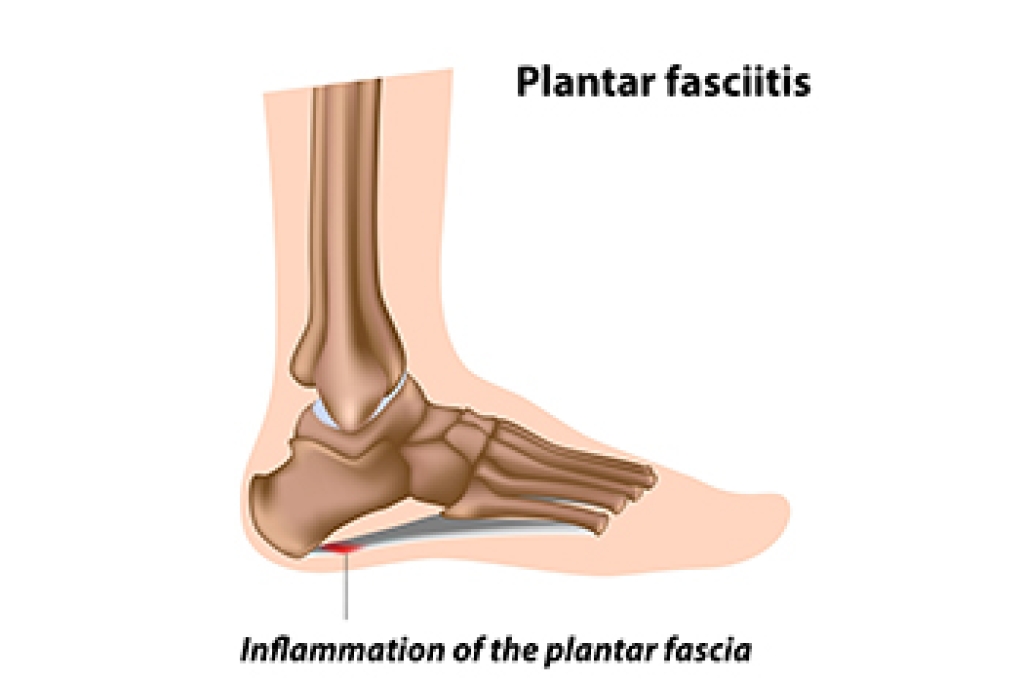
Sometimes aching feet are simply a result of standing for too long or overdoing an activity. But certain types of foot pain may indicate more serious arch and heel problems, the most common of which is plantar fasciitis. If you experience sharp pains in the feet when you first get up in the morning, it can be a sign of plantar fasciitis because the muscles in the feet tighten up overnight. Likewise, if you feel pain in the heels after exercising, and inflammation becomes chronic, plantar fasciitis may be indicated. Arthritis may be an underlying cause of plantar fasciitis and the heel pain it brings. Osteoporosis, which is a thinning of the bones, can contribute to stress fractures that may change the way you move or walk. This shifting of weight can cause foot pain to increase and add to the risk of developing plantar fasciitis. If you believe you may have plantar fasciitis, please make an appointment with a podiatrist for an examination and diagnosis.
Plantar fasciitis can be very painful and inconvenient. If you are experiencing heel pain or symptoms of plantar fasciitis, contact Andrew Katz, DPM from Allcare Foothealth Center. Our doctor can provide the care you need to keep you pain-free and on your feet.
What Is Plantar Fasciitis?
Plantar fasciitis is the inflammation of the thick band of tissue that runs along the bottom of your foot, known as the plantar fascia, and causes mild to severe heel pain.
What Causes Plantar Fasciitis?
How Can It Be Treated?
While very treatable, plantar fasciitis is definitely not something that should be ignored. Especially in severe cases, speaking to your doctor right away is highly recommended to avoid complications and severe heel pain. Your podiatrist can work with you to provide the appropriate treatment options tailored to your condition.
If you have any questions, please feel free to contact our office located in Palmdale, CA . We offer the newest diagnostic and treatment technologies for all your foot care needs.
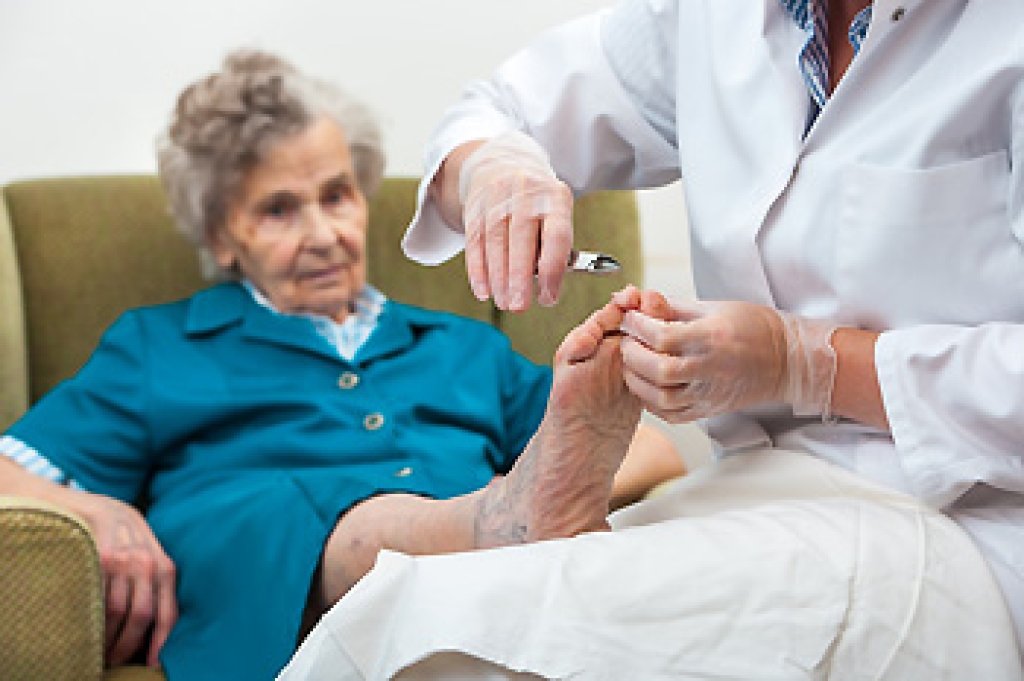
Senior citizens can be particularly susceptible to developing health problems from tripping or falling. Often, this is related to the health of the feet because tripping may negatively impact foot health, or the fall may be caused by poor foot strength. One important aspect of preventing falls among seniors is keeping a tidy bathroom. Often, floors in bathrooms can be very slippery, either from shower water or water from the sink. This might be setting seniors up for a nasty tumble. Seniors can be diligent about keeping their bathroom floors clean and, most importantly, dry so as not to make the floor slippery. Another way to prevent trips and falls in the bathroom is to install bathroom grab bars that seniors can grab onto if they feel like they might fall. These might be especially helpful when lifting one’s body off the toilet or maneuvering in and out of the shower. If you have any more questions or concerns about preventing falls among seniors, contact a podiatrist today for more information.
Proper foot care is something many older adults forget to consider. If you have any concerns about your feet and ankles, contact Andrew Katz, DPM from Allcare Foothealth Center. Our doctor can provide the care you need to keep you pain-free and on your feet.
The Elderly and Their Feet
As we age we start to notice many changes in our body, but the elder population may not notice them right away. Medical conditions may prevent the elderly to take notice of their foot health right away. Poor vision is a lead contributor to not taking action for the elderly.
Common Conditions
Susceptible Infections
Diabetes and poor circulation can cause general loss of sensitivity over the years, turning a simple cut into a serious issue.
If you have any questions, please feel free to contact our office located in Palmdale, CA . We offer the newest diagnostic and treatment technologies for all your foot care needs.

Gout is a painful, inflammatory form of arthritis. Those affected will typically feel an intense stiffness in the joints of their feet, particularly in the big toe. Schedule a visit to learn about how gout can be managed and treated.

People of all walks of life are prone to getting ankle sprains, despite that many people refer to them as being a sports injury. An ankle sprain happens when the ankle is twisted or rolled beyond its normal range of motion which can happen for various reasons. These can include stepping off of a curb unexpectedly, or clumsily landing after turning or jumping. Ankle sprains fall into two categories, consisting of inversion and eversion sprains. The former is considered to be the most common type of sprain, and happens when the ankle rolls outward while the foot turns inward. An eversion sprain is the opposite, and can damage the inner ligaments. Common symptoms that can accompany both types of sprains can include swelling, bruising, and it can be difficult to walk. If you have endured an ankle sprain, please connect with a podiatrist who can determine which type it is, and offer you correct treatment options.
Ankle sprains are common but need immediate attention. If you need your feet checked, contact Andrew Katz, DPM from Allcare Foothealth Center. Our doctor can provide the care you need to keep you pain-free and on your feet.
How Does an Ankle Sprain Occur?
Ankle sprains take place when the ligaments in your ankle are torn or stretched beyond their limits. There are multiple ways that the ankle can become injured, including twisting or rolling over onto your ankle, putting undue stress on it, or causing trauma to the ankle itself.
What Are the Symptoms?
Preventing a Sprain
Treatment of a Sprain
Treatment of a sprain depends on the severity. Many times, people are told to rest and remain off their feet completely, while others are given an air cast. If the sprain is very severe, surgery may be required.
If you have suffered an ankle sprain previously, you may want to consider additional support such as a brace and regular exercises to strengthen the ankle.
If you have any questions please feel free to contact our office located in Palmdale, CA . We offer the newest diagnostic tools and technology to treat your foot and ankle needs.

Surfing injuries commonly affect the ankles. Injuries due to surfing are often caused by forceful landings, particularly by new or competitive surfers practicing complex aerial maneuvers. To prevent such injuries, strengthening the feet and ankles is recommended. In addition to preventing injuries, strengthening the lower extremities will aid in improving overall surfing performance. Using a rail-to-rail surf balance board is a way of strengthening the ankles in a controlled way. Standing heel raises are an easy way to strengthen ankles and feet and can be done anywhere. Sand walking also can help increase strength for surfing. If you are a surfer and have sustained a foot or ankle injury or want additional suggestions for preventing such harm, consult with a podiatrist today.
Sports related foot and ankle injuries require proper treatment before players can go back to their regular routines. For more information, contact Andrew Katz, DPM of Allcare Foothealth Center. Our doctor can provide the care you need to keep you pain-free and on your feet.
Sports Related Foot and Ankle Injuries
Foot and ankle injuries are a common occurrence when it comes to athletes of any sport. While many athletes dismiss the initial aches and pains, the truth is that ignoring potential foot and ankle injuries can lead to serious problems. As athletes continue to place pressure and strain the area further, a mild injury can turn into something as serious as a rupture and may lead to a permanent disability. There are many factors that contribute to sports related foot and ankle injuries, which include failure to warm up properly, not providing support or wearing bad footwear. Common injuries and conditions athletes face, including:
Sports related injuries are commonly treated using the RICE method. This includes rest, applying ice to the injured area, compression and elevating the ankle. More serious sprains and injuries may require surgery, which could include arthroscopic and reconstructive surgery. Rehabilitation and therapy may also be required in order to get any recovering athlete to become fully functional again. Any unusual aches and pains an athlete sustains must be evaluated by a licensed, reputable medical professional.
If you have any questions please contact our office located in Palmdale, CA . We offer the newest diagnostic and treatment technologies for all your foot and ankle needs.

Peripheral artery disease, PAD, is a circulatory condition that results from the buildup of fatty deposits that collect in the blood vessels. While some people with PAD do not experience symptoms, others feel pain when they walk that recedes when they rest. Other symptoms include loss of hair on the legs and feet, numbness in the legs, and brittle slow-growing toenails. In addition, people with peripheral artery disease may have sores on the feet and ankles that do not heal, and changes of color on the skin. PAD commonly affects people who smoke or have diabetes, high blood pressure, and high cholesterol. These conditions all cause or contribute to the narrowing of the blood vessels that serve the feet. Exercising and giving up smoking are the top two ways to decrease the effects of peripheral artery disease. Medication and in some cases surgery may be prescribed. If you believe you have PAD, it is a good idea to consult a podiatrist for help in determining the best treatment plan for you.
Peripheral artery disease can pose a serious risk to your health. It can increase the risk of stroke and heart attack. If you have symptoms of peripheral artery disease, consult with Andrew Katz, DPM from Allcare Foothealth Center. Our doctor will assess your condition and provide you with quality foot and ankle treatment.
Peripheral artery disease (PAD) is when arteries are constricted due to plaque (fatty deposits) build-up. This results in less blood flow to the legs and other extremities. The main cause of PAD is atherosclerosis, in which plaque builds up in the arteries.
Symptoms
Symptoms of PAD include:
It is important to note that a majority of individuals never show any symptoms of PAD.
Diagnosis
While PAD occurs in the legs and arteries, Podiatrists can diagnose PAD. Podiatrists utilize a test called an ankle-brachial index (ABI). An ABI test compares blood pressure in your arm to you ankle to see if any abnormality occurs. Ultrasound and imaging devices may also be used.
Treatment
Fortunately, lifestyle changes such as maintaining a healthy diet, exercising, managing cholesterol and blood sugar levels, and quitting smoking, can all treat PAD. Medications that prevent clots from occurring can be prescribed. Finally, in some cases, surgery may be recommended.
If you have any questions, please feel free to contact our office located in Palmdale, CA . We offer the newest diagnostic and treatment technologies for all your foot care needs.
Connect With Us
