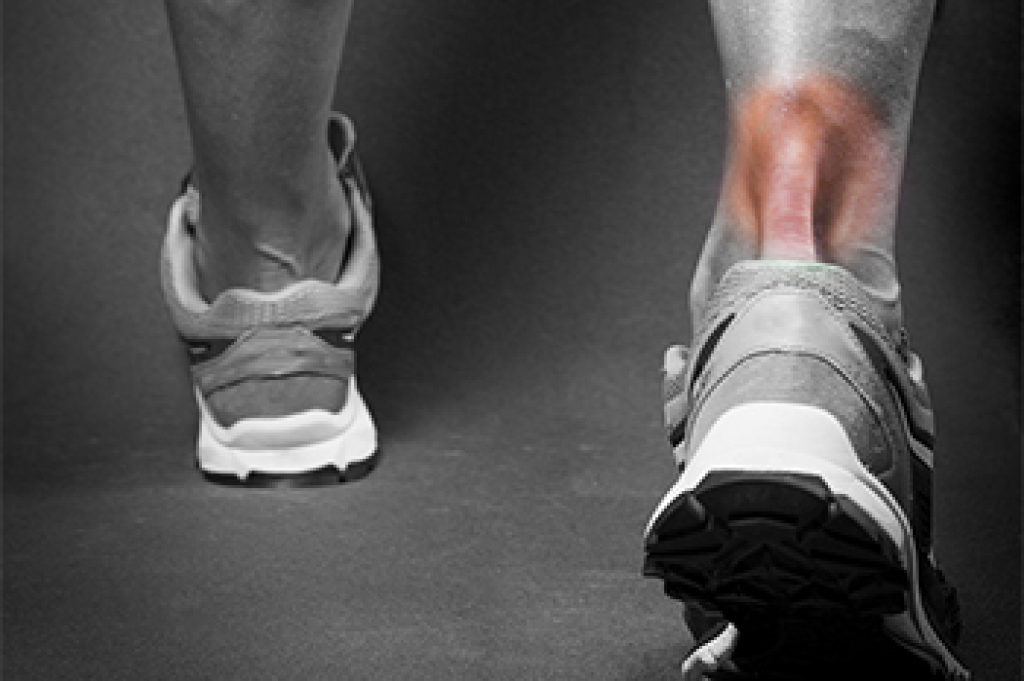
Achilles Tendon Ruptures in Basketball

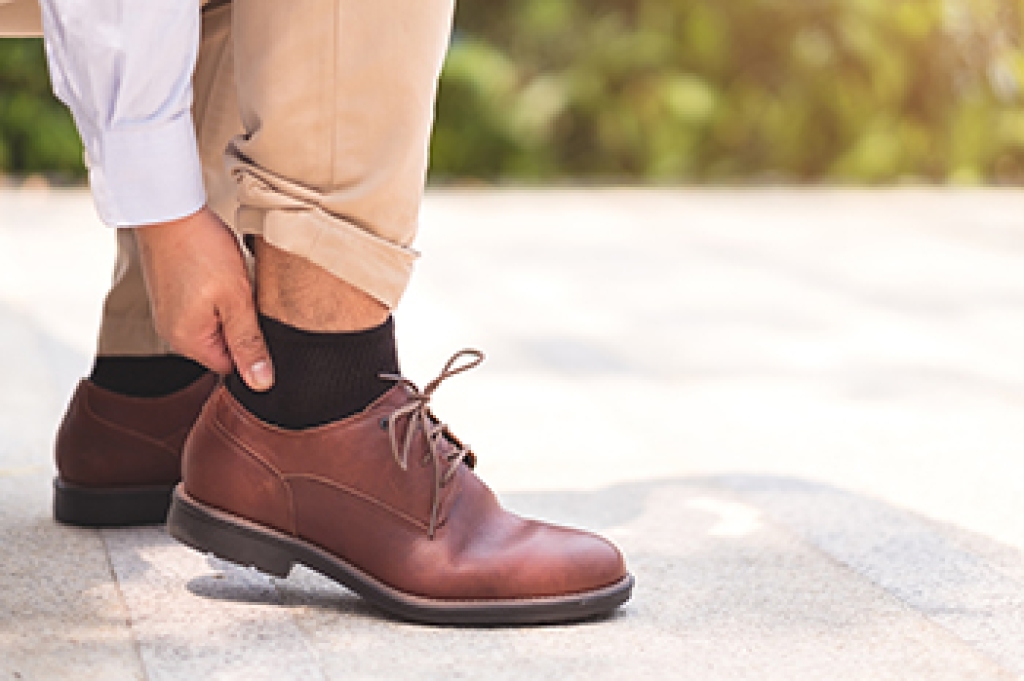
Achilles tendon ruptures are serious injuries that can occur while playing basketball, often resulting from sudden jumps, rapid direction changes, or intense physical exertion. This injury typically causes a sharp pain in the back of the ankle, often described as feeling like a kick or a pop. Risk factors include inadequate warm-up, previous injuries, and lack of conditioning. Players may struggle with mobility and experience swelling, making it difficult to walk. Treatment options vary based on severity, ranging from rest and rehabilitation to surgical intervention for complete tears. Recovery can take several months to regain strength and flexibility. Awareness of this injury and proper preventive measures, such as strengthening exercises and appropriate footwear, can help players minimize their risk while enjoying the game. This type of injury can temporarily cause players to stop playing basketball. If you have an Achilles tendon injury, it is suggested that you are under the care of a podiatrist who can offer you appropriate treatment options.

Achilles tendon injuries need immediate attention to avoid future complications. If you have any concerns, contact Andrew Katz, DPM of Allcare Foothealth Center. Our doctor can provide the care you need to keep you pain-free and on your feet.

What Is the Achilles Tendon?

The Achilles tendon is a tendon that connects the lower leg muscles and calf to the heel of the foot. It is the strongest tendon in the human body and is essential for making movement possible. Because this tendon is such an integral part of the body, any injuries to it can create immense difficulties and should immediately be presented to a doctor.

What Are the Symptoms of an Achilles Tendon Injury?

There are various types of injuries that can affect the Achilles tendon. The two most common injuries are Achilles tendinitis and ruptures of the tendon.

Achilles Tendinitis Symptoms

  • Inflammation
  • Dull to severe pain
  • Increased blood flow to the tendon
  • Thickening of the tendon

Rupture Symptoms

  • Extreme pain and swelling in the foot
  • Total immobility

Treatment and Prevention

Achilles tendon injuries are diagnosed by a thorough physical evaluation, which can include an MRI. Treatment involves rest, physical therapy, and in some cases, surgery. However, various preventative measures can be taken to avoid these injuries, such as:

  • Thorough stretching of the tendon before and after exercise
  • Strengthening exercises like calf raises, squats, leg curls, leg extensions, leg raises, lunges, and leg presses

If you have any questions please feel free to contact our office located in Palmdale, CA . We offer the newest diagnostic tools and technology to treat your foot and ankle needs.

Read more about What are Achilles Tendon Injuries

Definitions and Causes of Corns and Calluses

Corns and calluses are thickened areas of skin that develop as a protective response to friction and pressure. Corns typically form on the toes and are small, often painful growths with a hard center. Calluses are larger and usually appear on the soles of the feet or palms, serving as a broader protective barrier. The primary causes of corns and calluses include poorly fitting footwear, repetitive activities, and abnormal foot mechanics. Wearing ill-fitting shoes can create pressure points that lead to corn formation, while continuous friction from walking or standing may result in calluses. Conditions such as bunions or hammertoes can worsen these issues. While corns and calluses serve a protective function, they can become uncomfortable and may require attention to prevent further complications. If you have pain from either corns or calluses, it is suggested that you contact a podiatrist who can offer you effective relief solutions.

If you have any concerns regarding your feet and ankles, contact Andrew Katz, DPM of Allcare Foothealth Center. Our doctor will treat your foot and ankle needs.
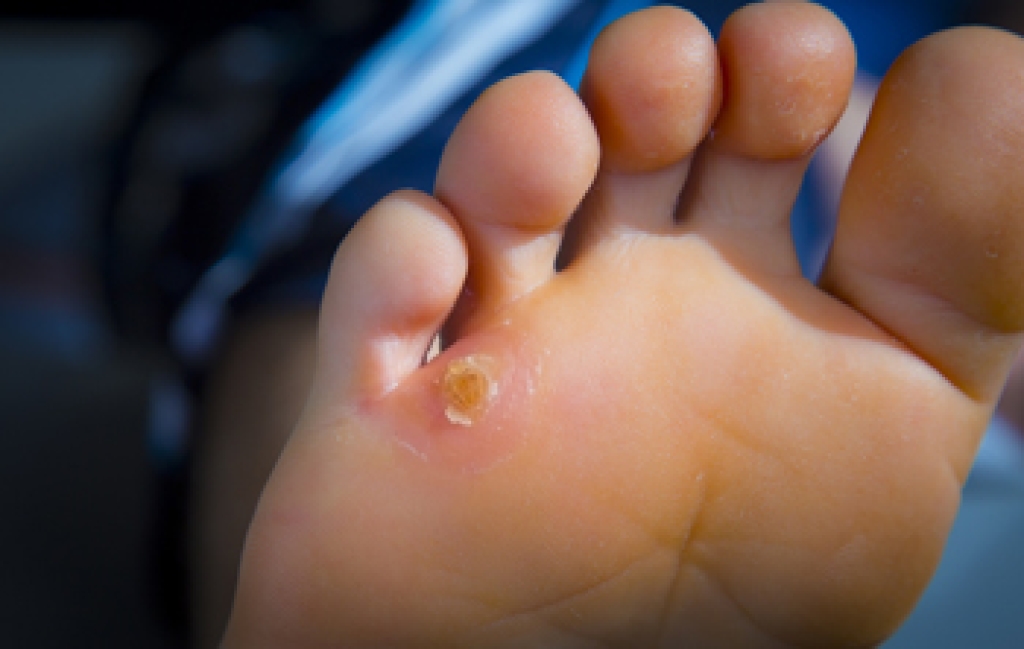
Corns: What Are They? and How Do You Get Rid of Them?
Corns can be described as areas of the skin that have thickened to the point of becoming painful or irritating. They are often layers and layers of the skin that have become dry and rough, and are normally smaller than calluses.

Ways to Prevent Corns
There are many ways to get rid of painful corns such as wearing:

  • Well-fitting socks
  • Comfortable shoes that are not tight around your foot
  • Shoes that offer support

Treating Corns
Treatment of corns involves removing the dead skin that has built up in the specific area of the foot. Consult with Our doctor to determine the best treatment option for your case of corns.

If you have any questions, please feel free to contact our office located in Palmdale, CA . We offer the newest diagnostic and treatment technologies for all your foot care needs.

Read more about Corns: What Are They, and How Do You Get Rid of Them

Preventing Same Level Falls in the Workplace

Same level falls occur when individuals trip, slip, or stumble on surfaces at the same height they are standing on, often leading to injuries that can affect productivity and morale. To prevent these incidents in the workplace, it is vital to implement several strategies. First, using appropriate flooring can significantly reduce the risk. Non-slip surfaces are ideal in high-traffic areas. Regularly removing obstacles such as clutter, cords, and equipment can create a safer environment. Promptly cleaning up spills and ensuring that wet floors are marked with clear signage is essential for alerting employees to potential hazards. Additionally, wearing protective gear, such as slip-resistant shoes, can further enhance safety. Falling can seriously impact the feet, which may cause a loss of work and wages. If you have had a foot injury from falling, it is suggested that you consult a podiatrist who can treat various foot injuries, and guide you on appropriate fall prevention methods in the work environment.

Preventing falls among the elderly is very important. If you are older and have fallen or fear that you are prone to falling, consult with Andrew Katz, DPM from Allcare Foothealth Center. Our doctor will assess your condition and provide you with quality advice and care.

Every 11 seconds, an elderly American is being treated in an emergency room for a fall related injury. Falls are the leading cause of head and hip injuries for those 65 and older. Due to decreases in strength, balance, senses, and lack of awareness, elderly persons are very susceptible to falling. Thankfully, there are a number of things older persons can do to prevent falls.

How to Prevent Falls

Some effective methods that older persons can do to prevent falls include:

  • Enrolling in strength and balance exercise program to increase balance and strength
  • Periodically having your sight and hearing checked
  • Discuss any medications you have with a doctor to see if it increases the risk of falling
  • Clearing the house of falling hazards and installing devices like grab bars and railings
  • Utilizing a walker or cane
  • Wearing shoes that provide good support and cushioning
  • Talking to family members about falling and increasing awareness

Falling can be a traumatic and embarrassing experience for elderly persons; this can make them less willing to leave the house, and less willing to talk to someone about their fears of falling. Doing such things, however, will increase the likelihood of tripping or losing one’s balance. Knowing the causes of falling and how to prevent them is the best way to mitigate the risk of serious injury.  

If you have any questions, please feel free to contact our office located in Palmdale, CA . We offer the newest diagnostic and treatment technologies for all your foot care needs.

Read more about Falls Prevention

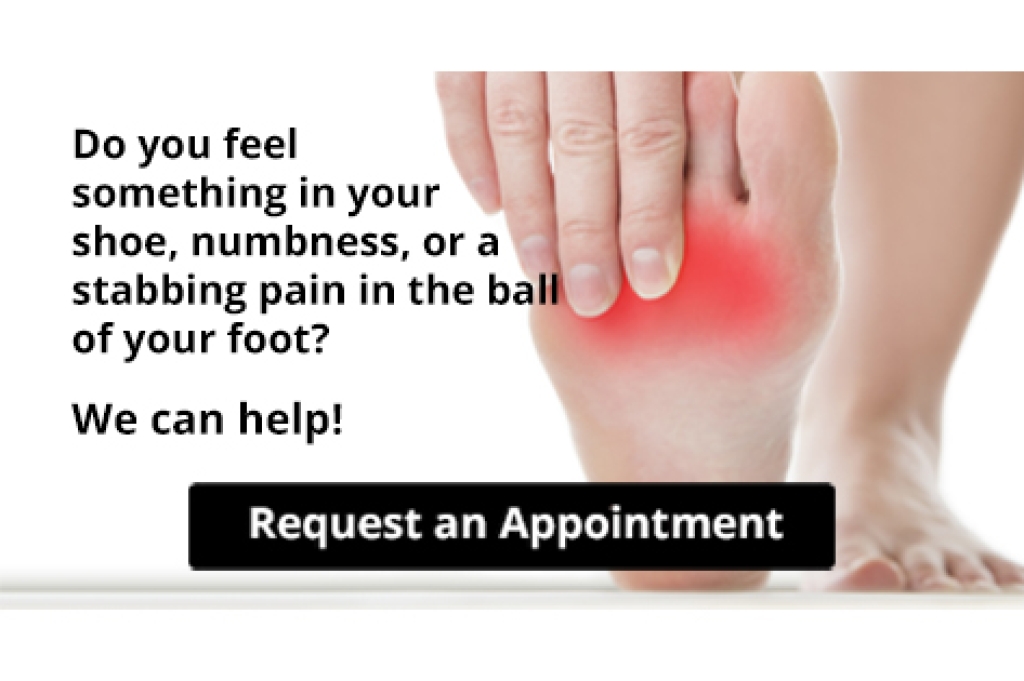
Why Live with Pain and Numbness in Your Feet?

Suffering from this type of pain? You may have the foot condition known as Morton's neuroma. Morton's neuroma may develop as a result of ill-fitting footwear and existing foot deformities. We can help.

Is My Toe Broken?

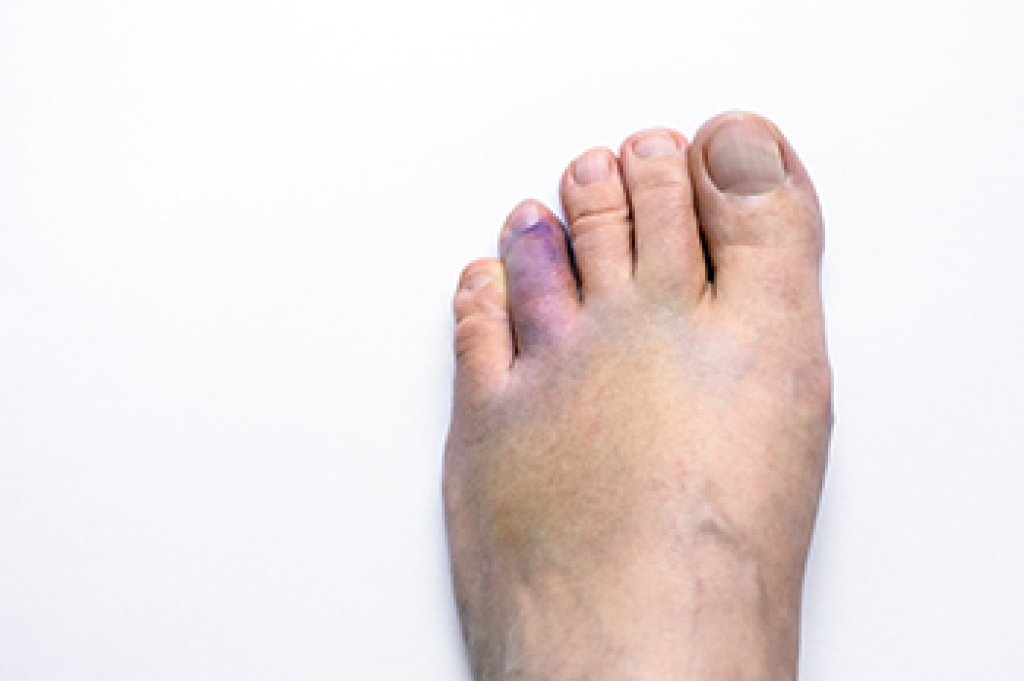
A broken toe can cause significant discomfort and disrupt daily activities. Common symptoms include intense pain at the site of injury, swelling, bruising, and difficulty walking. The toe may appear deformed or misaligned, and there can be tenderness when touched. Various factors contribute to broken toes, with osteoporosis being a notable cause. This condition weakens bones, making them more susceptible to fractures. Stress fractures, which occur from repetitive impact or overuse, can also lead to breaks in the toe. Additionally, dropping a heavy object on the foot is a frequent cause of toe fractures. There are various treatment methods for a broken toe, depending on the severity of the fracture. If you have broken your toe, it is suggested that you consult a podiatrist who can treat it effectively.

A broken toe can be very painful and lead to complications if not properly fixed. If you have any concerns about your feet, contact Andrew Katz, DPM from Allcare Foothealth Center. Our doctor will treat your foot and ankle needs.

What to Know About a Broken Toe

Although most people try to avoid foot trauma such as banging, stubbing, or dropping heavy objects on their feet, the unfortunate fact is that it is a common occurrence. Given the fact that toes are positioned in front of the feet, they typically sustain the brunt of such trauma. When trauma occurs to a toe, the result can be a painful break (fracture).

Symptoms of a Broken Toe

  • Throbbing pain
  • Swelling
  • Bruising on the skin and toenail
  • The inability to move the toe
  • Toe appears crooked or disfigured
  • Tingling or numbness in the toe

Generally, it is best to stay off of the injured toe with the affected foot elevated.

Severe toe fractures may be treated with a splint, cast, and in some cases, minor surgery. Due to its position and the pressure it endures with daily activity, future complications can occur if the big toe is not properly treated.

If you have any questions, please feel free to contact our office located in Palmdale, CA . We offer the newest diagnostic and treatment technologies for all your foot care needs.

Read more about What to Know About a Broken Toe

When Should Babies Start Wearing Shoes?

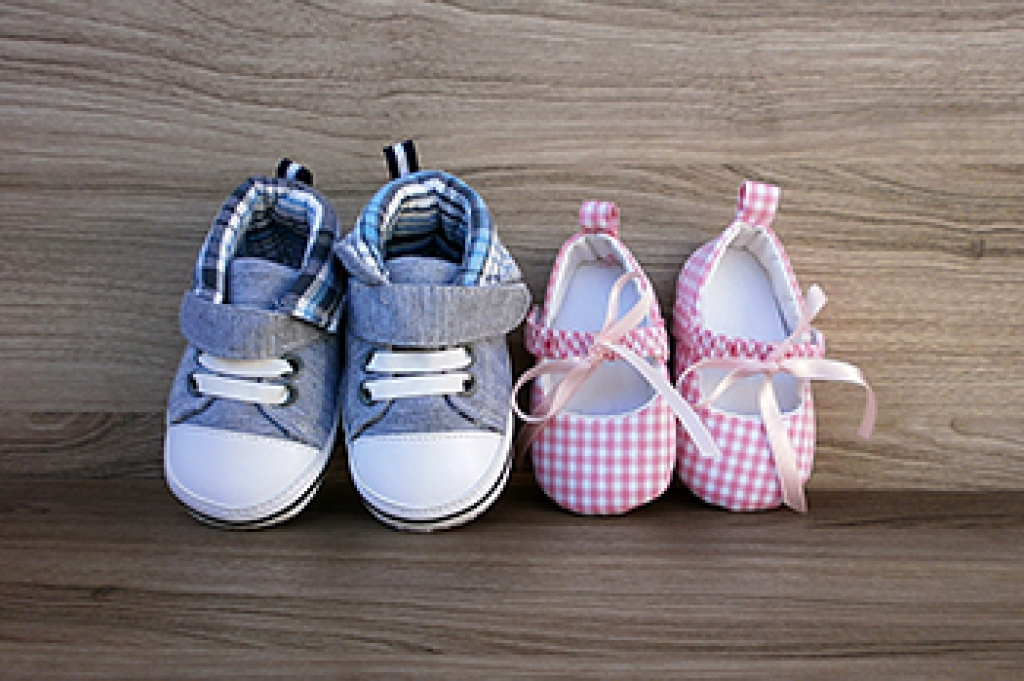
Determining when babies should start wearing shoes and choosing the right type is essential for their development. Babies typically do not need shoes until they begin walking, which is usually around nine to 12 months. Before this milestone, barefoot time is ideal as it allows for natural foot development and strengthens the muscles. Once a baby starts walking, soft, flexible shoes are recommended to protect their feet while allowing natural movement. Opt for shoes with a wide toe box, soft soles, and breathable materials to ensure comfort and proper growth. Avoid stiff or heavily cushioned shoes, as they can restrict foot development. Properly fitted shoes should support their feet without being too tight or loose, and frequent checks are necessary as their feet grow rapidly during this stage. If you have concerns about your child’s foot development and what type of shoes are best to wear, it is suggested that you consult a podiatrist who can provide you with the knowledge you are seeking.

The health of a child’s feet is vital to their overall well-being. If you have any questions regarding foot health, contact Andrew Katz, DPM of Allcare Foothealth Center. Our doctor can provide the care you need to keep you pain-free and on your feet.

Tips for Keeping Children's Feet Healthy

  • Make sure their shoes fit properly
  • Look for any signs of in-toeing or out-toeing
  • Check to see if they have Clubfoot (condition that affects your child’s foot and ankle, twisting the heel and toes inward) which is one of the most common nonmajor birth defects.
  • Lightly cover your baby’s feet (Tight covers may keep your baby from moving their feet freely, and could prevent normal development)
  • Allow your toddler to go shoeless (Shoes can be restricting for a young child’s foot)
  • Cut toenails straight across to avoid ingrown toenails
  • Keep your child’s foot clean and dry
  • Cover cuts and scrapes. Wash any scratches with soap and water and cover them with a bandage until they’ve healed.

If you have any questions, please feel free to contact our office located in Palmdale, CA . We offer the newest diagnostic and treatment technologies for all your foot care needs.

Read more about How to Care for Your Child's Feet

Foot Pain From Standing All Day at Work

Foot pain from standing at work all day is a common issue, especially for those in jobs requiring prolonged periods of standing or walking. This discomfort is often caused by pressure on the feet, leading to conditions like plantar fasciitis, heel spurs, or arch strain. Wearing unsupportive shoes or standing on hard surfaces can worsen the problem, leading to foot fatigue, swelling, and even long-term damage. Symptoms may include aching, burning, or sharp pain in the arches, heels, or balls of the feet. Over time, the pain can spread to the ankles, knees, or lower back. To manage foot pain, it is important to wear supportive footwear with proper arch support and cushioning. If you have foot pain for any reason, it is suggested that you consult a podiatrist for a tailored treatment plan.

While working on the feet, it is important to take the proper care of them. For more information about working on your feet, contact Andrew Katz, DPM from Allcare Foothealth Center. Our doctor will treat your foot and ankle needs.

Working on Your Feet

Standing on your feet for long periods of time can cause stress and pain in your feet. Your whole body may experience change in terms of posture, back pain, bunions, callouses and or plantar warts. There are ways to avoid these conditions with proper foot care, smart choices and correct posture.

Positive Changes

Negative heeled shoe – Choosing this shoe type places the heel slightly lower than the ball of the foot. These are great for overall foot health. Find shoes that fit you correctly.

Go barefoot – Our feet were not designed to be enclosed for all hours of the day. Try to periodically expose your feet to air.

Eliminate Pain

Foot Exercises – Performing simple exercises, incorporating yoga and doing stretches are beneficial. This will allow increased blood flow to the area and muscles of the foot.

Achilles tendon – Stretching the foot out flat on the floor will relax the calf muscles and tendon. These exercises can be performed almost anywhere. Make sure you add these exercises to your daily regimen. 

With a little bit of this information and knowing more about foot health, you will notice changes. Foot stretches and proper footwear will help with pain and prevent further issues.

If you have any questions please contact our office located in Palmdale, CA . We offer the newest diagnostic and treatment technologies for all your foot and ankle needs.

Read more about How to Handle a Long Work Day on Your Feet

Risk Factors of Gout and Affected Areas

Gout is an arthritis that can cause sudden, severe pain and inflammation in the foot often affecting the instep and ankle areas. This condition occurs due to a buildup of uric acid crystals in the joints that may lead to intense pain, swelling, and redness. The instep, or the top of the foot, is particularly susceptible to gout attacks, while the ankle may also be affected causing discomfort and restricted movement. Risk factors for developing gout include a diet high in purines, which are found in red meat and certain seafood, excessive alcohol consumption, obesity, and genetic predisposition. If you have gout, it is strongly suggested that you are under the care of a podiatrist who can help you to manage this condition.

Gout is a foot condition that requires certain treatment and care. If you are seeking treatment, contact Andrew Katz, DPM from Allcare Foothealth Center. Our doctor will treat your foot and ankle needs.

What Is Gout?

Gout is a type of arthritis caused by a buildup of uric acid in the bloodstream. It often develops in the foot, especially the big toe area, although it can manifest in other parts of the body as well. Gout can make walking and standing very painful and is especially common in diabetics and the obese.

People typically get gout because of a poor diet. Genetic predisposition is also a factor. The children of parents who have had gout frequently have a chance of developing it themselves.

Gout can easily be identified by redness and inflammation of the big toe and the surrounding areas of the foot. Other symptoms include extreme fatigue, joint pain, and running high fevers. Sometimes corticosteroid drugs can be prescribed to treat gout, but the best way to combat this disease is to get more exercise and eat a better diet.

If you have any questions, please feel free to contact our office located in Palmdale, CA . We offer the newest diagnostic and treatment technologies for all your foot care needs.

Read more about Everything You Need to Know About Gout

Toenail Abnormalities

Toenail abnormalities can be a sign of underlying health issues or can result from trauma, infections, or improper nail care. Common problems include thickened nails, discoloration, ridges, and brittleness. Thickened nails might indicate a fungal infection or pressure from wearing ill-fitting shoes. Discoloration, such as yellowing or dark spots, can also signal a fungal infection, injury, or even more serious conditions like melanoma. Ridges, which can run either horizontally or vertically, may be a normal part of aging or a sign of nutritional deficiencies or trauma. Brittle nails, prone to cracking and splitting, can be caused by dehydration, overexposure to water, or a lack of vitamins. Paying attention to changes in your toenails and addressing them promptly with a podiatrist is strongly suggested.

Ingrown toenails can become painful if they are not treated properly. For more information about ingrown toenails, contact Andrew Katz, DPM of Allcare Foothealth Center. Our doctor can provide the care you need to keep you pain-free and on your feet.

Ingrown Toenails

Ingrown toenails occur when a toenail grows sideways into the bed of the nail, causing pain, swelling, and possibly infection.

Causes

  • Bacterial infections
  • Improper nail cutting such as cutting it too short or not straight across
  • Trauma to the toe, such as stubbing, which causes the nail to grow back irregularly
  • Ill-fitting shoes that bunch the toes too close together
  • Genetic predisposition

Prevention

Because ingrown toenails are not something found outside of shoe-wearing cultures, going barefoot as often as possible will decrease the likeliness of developing ingrown toenails. Wearing proper fitting shoes and using proper cutting techniques will also help decrease your risk of developing ingrown toenails.

Treatment

Ingrown toenails are a very treatable foot condition. In minor cases, soaking the affected area in salt or antibacterial soaps will not only help with the ingrown nail itself, but also help prevent any infections from occurring. In more severe cases, surgery is an option. In either case, speaking to your podiatrist about this condition will help you get a better understanding of specific treatment options that are right for you.

If you have any questions, please feel free to contact our office located in Palmdale, CA . We offer the newest diagnostic and treatment technologies for all your foot care needs.

Read more about Ingrown Toenails

Are You Suffering From Ingrown Toenails?

If left untreated, an ingrown toenail can lead to more serious concerns, such as an infection. Knowing proper nail care can help in the prevention of an ingrown toenail. Give us a call, and get treated!

Connect With Us