Falls Prevention and Bathrooms

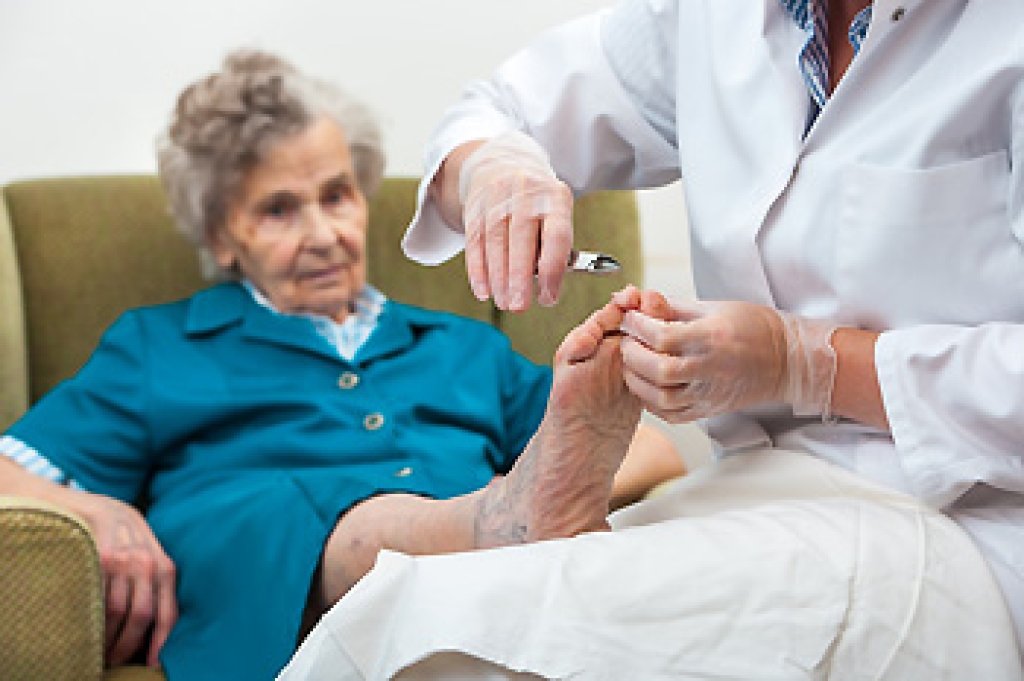
Senior citizens can be particularly susceptible to developing health problems from tripping or falling. Often, this is related to the health of the feet because tripping may negatively impact foot health, or the fall may be caused by poor foot strength. One important aspect of preventing falls among seniors is keeping a tidy bathroom. Often, floors in bathrooms can be very slippery, either from shower water or water from the sink. This might be setting seniors up for a nasty tumble. Seniors can be diligent about keeping their bathroom floors clean and, most importantly, dry so as not to make the floor slippery. Another way to prevent trips and falls in the bathroom is to install bathroom grab bars that seniors can grab onto if they feel like they might fall. These might be especially helpful when lifting one’s body off the toilet or maneuvering in and out of the shower. If you have any more questions or concerns about preventing falls among seniors, contact a podiatrist today for more information.

Proper foot care is something many older adults forget to consider. If you have any concerns about your feet and ankles, contact Andrew Katz, DPM from Allcare Foothealth Center. Our doctor can provide the care you need to keep you pain-free and on your feet.

The Elderly and Their Feet

As we age we start to notice many changes in our body, but the elder population may not notice them right away. Medical conditions may prevent the elderly to take notice of their foot health right away. Poor vision is a lead contributor to not taking action for the elderly.

Common Conditions 

  • Neuropathy – can reduce feeling in the feet and can hide many life-threatening medical conditions.
  • Reduced flexibility – prevents the ability of proper toenail trimming, and foot cleaning. If left untreated, it may lead to further medical issues.
  • Foot sores – amongst the older population can be serious before they are discovered. Some of the problematic conditions they may face are:
  • Gouging toenails affecting nearby toe
  • Shoes that don’t fit properly
  • Pressure sores
  • Loss of circulation in legs & feet
  • Edema & swelling of feet and ankles

Susceptible Infections

Diabetes and poor circulation can cause general loss of sensitivity over the years, turning a simple cut into a serious issue.

If you have any questions, please feel free to contact our office located in Palmdale, CA . We offer the newest diagnostic and treatment technologies for all your foot care needs.
Read more about Elderly and their Feet

Gout Pain Can Be Managed

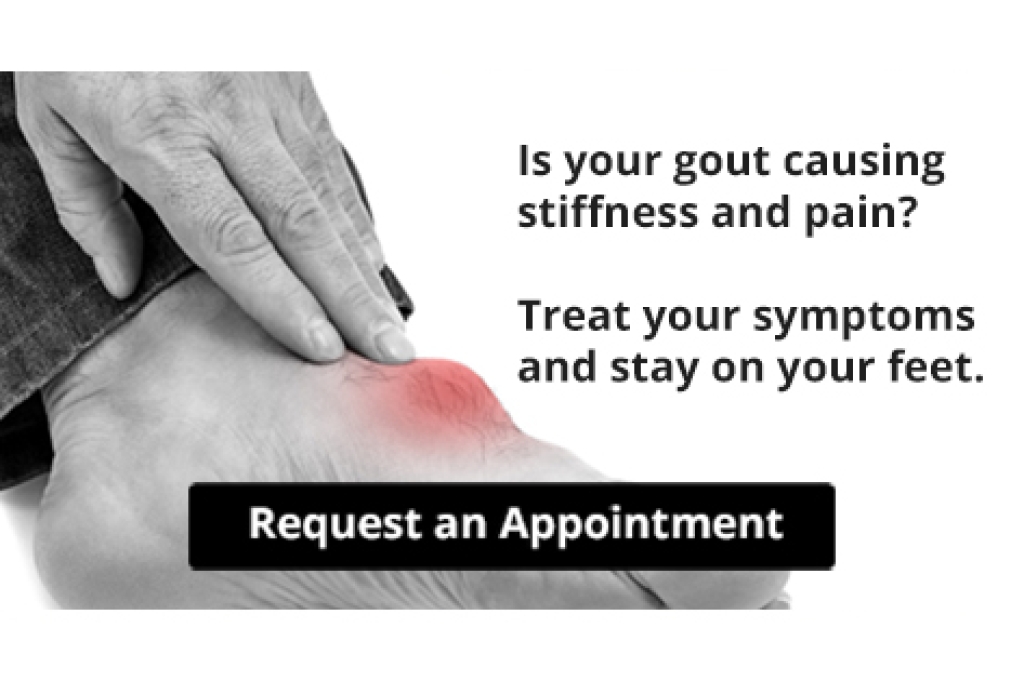
Gout is a painful, inflammatory form of arthritis. Those affected will typically feel an intense stiffness in the joints of their feet, particularly in the big toe. Schedule a visit to learn about how gout can be managed and treated.

Types of Ankle Sprains

People of all walks of life are prone to getting ankle sprains, despite that many people refer to them as being a sports injury. An ankle sprain happens when the ankle is twisted or rolled beyond its normal range of motion which can happen for various reasons. These can include stepping off of a curb unexpectedly, or clumsily landing after turning or jumping. Ankle sprains fall into two categories, consisting of inversion and eversion sprains. The former is considered to be the most common type of sprain, and happens when the ankle rolls outward while the foot turns inward. An eversion sprain is the opposite, and can damage the inner ligaments. Common symptoms that can accompany both types of sprains can include swelling, bruising, and it can be difficult to walk. If you have endured an ankle sprain, please connect with a podiatrist who can determine which type it is, and offer you correct treatment options.

Ankle sprains are common but need immediate attention. If you need your feet checked, contact Andrew Katz, DPM from Allcare Foothealth Center. Our doctor can provide the care you need to keep you pain-free and on your feet.

How Does an Ankle Sprain Occur?

Ankle sprains take place when the ligaments in your ankle are torn or stretched beyond their limits. There are multiple ways that the ankle can become injured, including twisting or rolling over onto your ankle, putting undue stress on it, or causing trauma to the ankle itself.

What Are the Symptoms?

  • Mild to moderate bruising
  • Limited mobility
  • Swelling
  • Discoloration of the skin (depending on severity)

Preventing a Sprain

  • Wearing appropriate shoes for the occasion
  • Stretching before exercises and sports
  • Knowing your limits

Treatment of a Sprain

Treatment of a sprain depends on the severity.  Many times, people are told to rest and remain off their feet completely, while others are given an air cast. If the sprain is very severe, surgery may be required.

If you have suffered an ankle sprain previously, you may want to consider additional support such as a brace and regular exercises to strengthen the ankle.

If you have any questions please feel free to contact our office located in Palmdale, CA . We offer the newest diagnostic tools and technology to treat your foot and ankle needs.

Read more about Ankle Sprains

Strengthening Ankles and Feet for Surfing

Surfing injuries commonly affect the ankles. Injuries due to surfing are often caused by forceful landings, particularly by new or competitive surfers practicing complex aerial maneuvers. To prevent such injuries, strengthening the feet and ankles is recommended. In addition to preventing injuries, strengthening the lower extremities will aid in improving overall surfing performance. Using a rail-to-rail surf balance board is a way of strengthening the ankles in a controlled way. Standing heel raises are an easy way to strengthen ankles and feet and can be done anywhere. Sand walking also can help increase strength for surfing. If you are a surfer and have sustained a foot or ankle injury or want additional suggestions for preventing such harm, consult with a podiatrist today.

Sports related foot and ankle injuries require proper treatment before players can go back to their regular routines. For more information, contact Andrew Katz, DPM of Allcare Foothealth Center. Our doctor can provide the care you need to keep you pain-free and on your feet.

Sports Related Foot and Ankle Injuries

Foot and ankle injuries are a common occurrence when it comes to athletes of any sport. While many athletes dismiss the initial aches and pains, the truth is that ignoring potential foot and ankle injuries can lead to serious problems. As athletes continue to place pressure and strain the area further, a mild injury can turn into something as serious as a rupture and may lead to a permanent disability. There are many factors that contribute to sports related foot and ankle injuries, which include failure to warm up properly, not providing support or wearing bad footwear. Common injuries and conditions athletes face, including:

  • Plantar Fasciitis
  • Achilles Tendinitis
  • Achilles Tendon Rupture
  • Ankle Sprains

Sports related injuries are commonly treated using the RICE method. This includes rest, applying ice to the injured area, compression and elevating the ankle. More serious sprains and injuries may require surgery, which could include arthroscopic and reconstructive surgery. Rehabilitation and therapy may also be required in order to get any recovering athlete to become fully functional again. Any unusual aches and pains an athlete sustains must be evaluated by a licensed, reputable medical professional.

If you have any questions please contact our office located in Palmdale, CA . We offer the newest diagnostic and treatment technologies for all your foot and ankle needs.

Read more about Sports Related Foot And Ankle Injuries

Symptoms and Causes of Peripheral Artery Disease

Peripheral artery disease, PAD, is a circulatory condition that results from the buildup of fatty deposits that collect in the blood vessels. While some people with PAD do not experience symptoms, others feel pain when they walk that recedes when they rest. Other symptoms include loss of hair on the legs and feet, numbness in the legs, and brittle slow-growing toenails. In addition, people with peripheral artery disease may have sores on the feet and ankles that do not heal, and changes of color on the skin. PAD commonly affects people who smoke or have diabetes, high blood pressure, and high cholesterol. These conditions all cause or contribute to the narrowing of the blood vessels that serve the feet. Exercising and giving up smoking are the top two ways to decrease the effects of peripheral artery disease. Medication and in some cases surgery may be prescribed. If you believe you have PAD, it is a good idea to consult a podiatrist for help in determining the best treatment plan for you.

Peripheral artery disease can pose a serious risk to your health. It can increase the risk of stroke and heart attack. If you have symptoms of peripheral artery disease, consult with Andrew Katz, DPM from Allcare Foothealth Center. Our doctor will assess your condition and provide you with quality foot and ankle treatment.

Peripheral artery disease (PAD) is when arteries are constricted due to plaque (fatty deposits) build-up. This results in less blood flow to the legs and other extremities. The main cause of PAD is atherosclerosis, in which plaque builds up in the arteries.

Symptoms

Symptoms of PAD include:

  • Claudication (leg pain from walking)
  • Numbness in legs
  • Decrease in growth of leg hair and toenails
  • Paleness of the skin
  • Erectile dysfunction
  • Sores and wounds on legs and feet that won’t heal
  • Coldness in one leg

It is important to note that a majority of individuals never show any symptoms of PAD.

Diagnosis

While PAD occurs in the legs and arteries, Podiatrists can diagnose PAD. Podiatrists utilize a test called an ankle-brachial index (ABI). An ABI test compares blood pressure in your arm to you ankle to see if any abnormality occurs. Ultrasound and imaging devices may also be used.

Treatment

Fortunately, lifestyle changes such as maintaining a healthy diet, exercising, managing cholesterol and blood sugar levels, and quitting smoking, can all treat PAD. Medications that prevent clots from occurring can be prescribed. Finally, in some cases, surgery may be recommended.

If you have any questions, please feel free to contact our office located in Palmdale, CA . We offer the newest diagnostic and treatment technologies for all your foot care needs.

Read more about Peripheral Artery Disease

Ankle Collar in Running Shoes

Selecting the right kind of running shoe is critically important for any runner to not only feel their best during runs, but to also protect their feet from potential injury. Far more important than selecting a pair of running shoes for how they look is selecting shoes that fit. Something to be mindful of when choosing running shoes is how the ankle collar fits. This part of the running shoe wraps around the heel at the back of the shoe. The purpose of this feature of the shoe is to hold the heel in place. When selecting a pair of shoes, you might consider taking note of how the back of your foot interacts with the ankle collar. For example, notice if the padding in the ankle collar feels comfortable or if your heel is slipping out of the shoe. For more information about the ankle collar in running shoes, contact a podiatrist today. 

If you are a runner, wearing the right running shoe is essential. For more information, contact Andrew Katz, DPM from Allcare Foothealth Center. Our doctor can provide the care you need to keep you pain-free and on your feet.

Choosing the Right Running Shoe for Your Foot Type

To increase performance and avoid the risk of injury, it is important to choose the right running shoe based on your foot type. The general design of running shoes revolves around pronation, which is how the ankle rolls from outside to inside when the foot strikes the ground.

  • Neutral runners are able to choose from a wide variety of shoes, including minimalist shoes or even going barefoot.
  • Runners who overpronate, or experience an over-abundance of ankle rolling, should choose shoes that provide extra motion control and stability.
  • Runners who underpronate, or supinate, have feet that have high arches and lack flexibility, preventing shock absorption. They require shoes with more flexibility and cushion.

If you have any questions, please feel free to contact our office located in Palmdale, CA . We offer the newest diagnostic and treatment technologies for all your foot care needs.

Read more about Choosing the Right Running Shoe for Your Foot Type

Two Types of Toe Fractures

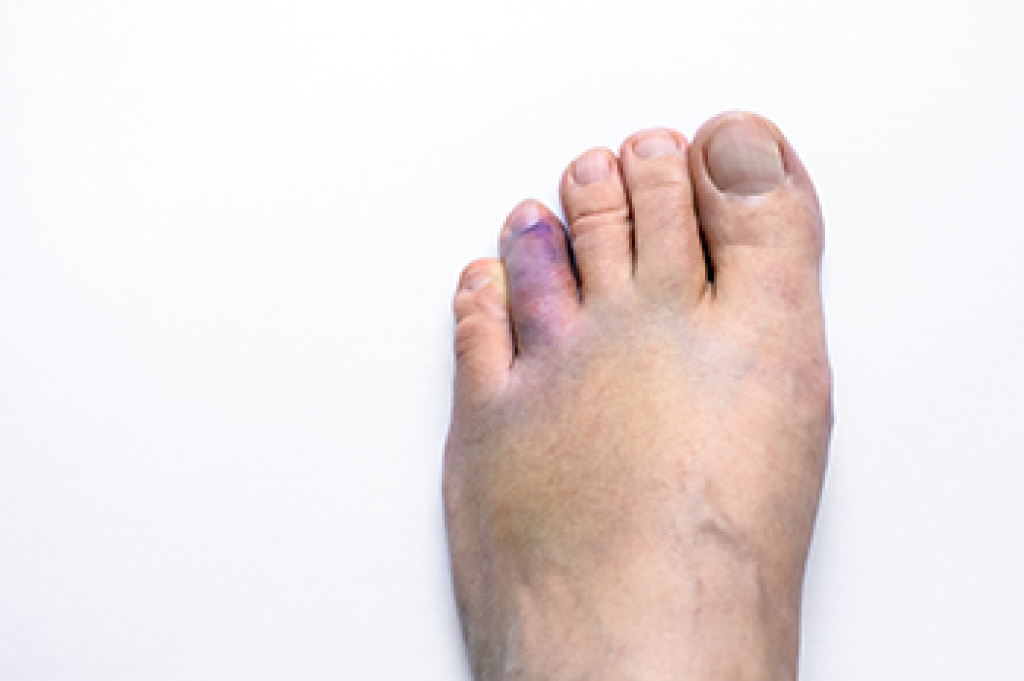
There are different ways of fracturing a toe. A sudden increase in running or walking can produce a stress or hairline fracture, and can be uncomfortable. When a heavy object is dropped on it, or if it is jammed against a piece of furniture, it is considered to be more of a serious fracture, and there are noticeable symptoms that a break has occurred. These can include immediate bruising, and swelling, and the affected toe bone may protrude from the skin. If the break is very painful, a popping sound may be heard at the time of the injury. There is often a limited range of motion, and it can be difficult to walk. A proper diagnosis often consists of having an X-ray taken, and this is generally successful in determining how severe the break is. Many broken toes are treated by using the buddy taping method. This involves taping the broken toe to the toe next to it, which can provide the stability that is needed as the healing process occurs. If you have broken your toe, it is strongly suggested that you schedule an appointment with a podiatrist as quickly as possible, so the toe can heal correctly. 

A broken toe can be very painful and lead to complications if not properly fixed. If you have any concerns about your feet, contact Andrew Katz, DPM from Allcare Foothealth Center. Our doctor will treat your foot and ankle needs.

What to Know About a Broken Toe

Although most people try to avoid foot trauma such as banging, stubbing, or dropping heavy objects on their feet, the unfortunate fact is that it is a common occurrence. Given the fact that toes are positioned in front of the feet, they typically sustain the brunt of such trauma. When trauma occurs to a toe, the result can be a painful break (fracture).

Symptoms of a Broken Toe

  • Throbbing pain
  • Swelling
  • Bruising on the skin and toenail
  • The inability to move the toe
  • Toe appears crooked or disfigured
  • Tingling or numbness in the toe

Generally, it is best to stay off of the injured toe with the affected foot elevated.

Severe toe fractures may be treated with a splint, cast, and in some cases, minor surgery. Due to its position and the pressure it endures with daily activity, future complications can occur if the big toe is not properly treated.

If you have any questions, please feel free to contact our office located in Palmdale, CA . We offer the newest diagnostic and treatment technologies for all your foot care needs.

Read more about What to Know About a Broken Toe

Athlete’s Foot Is a Common Foot Infection

Athlete’s foot, also referred to as tinea pedis, is a fungal infection that affects the skin on the feet. It is often seen between the toes first. The name, athlete’s foot, came into being because it was a common affliction of athletes with sweaty feet in tight-fitting shoes. The fungus likes warm, moist environments so wearing damp socks or coming into contact with contaminated surfaces, such as locker room floors and swimming pool areas, make for perfect hosts. Symptoms of athlete’s foot include dry skin on the side or bottom of the foot, a burning and stinging sensation, blisters, and itchiness. Athlete’s foot must be treated because of its potential of spreading the infection to other areas of the body and can cause pain. If you suspect you might have athlete’s foot, see a podiatrist who can confirm the diagnosis, determine what type of fungus caused it, and provide treatment.

Athlete’s foot is an inconvenient condition that can be easily reduced with the proper treatment. If you have any concerns about your feet and ankles, contact Andrew Katz, DPM from Allcare Foothealth Center.  Our doctor will treat your foot and ankle needs.

Athlete’s Foot: The Sole Story

Athlete's foot, also known as tinea pedis, can be an extremely contagious foot infection. It is commonly contracted in public changing areas and bathrooms, dormitory style living quarters, around locker rooms and public swimming pools, or anywhere your feet often come into contact with other people.

Solutions to Combat Athlete’s Foot

  • Hydrate your feet by using lotion
  • Exfoliate
  • Buff off nails
  • Use of anti-fungal products
  • Examine your feet and visit your doctor if any suspicious blisters or cuts develop

Athlete’s foot can cause many irritating symptoms such as dry and flaking skin, itching, and redness. Some more severe symptoms can include bleeding and cracked skin, intense itching and burning, and even pain when walking. In the worst cases, Athlete’s foot can cause blistering as well. Speak to your podiatrist for a better understanding of the different causes of Athlete’s foot, as well as help in determining which treatment options are best for you.

If you have any questions please feel free to contact our office located in Palmdale, CA . We offer the newest diagnostic and treatment technologies for all your foot and ankle needs.

Read more about Athlete's Foot

Dealing With Diabetic Foot Ulcers

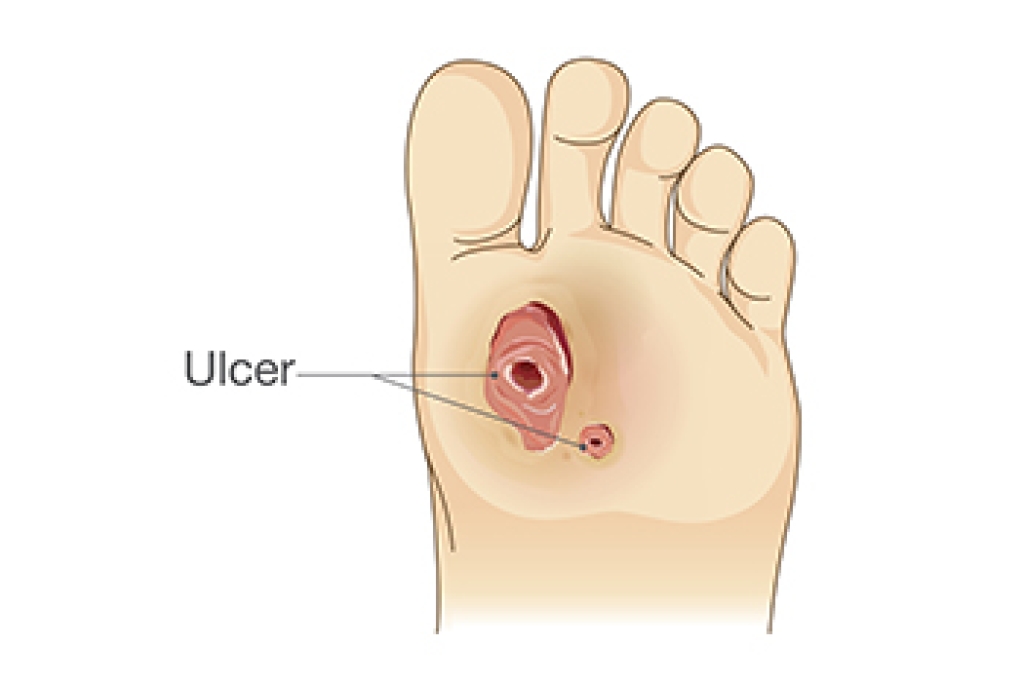
One side effect of diabetes is the increased chance of having sores or wounds on the feet that do not heal properly. If not attended to quickly, these sores can develop into what is known as a diabetic foot ulcer. Research shows that about 20 percent of diabetics have a foot ulcer, and half of the ulcers will become infected. One of the reasons foot ulcers develop is nerve damage caused by high blood sugar levels. The most common locations for ulcers are under the big toe and the ball of the foot, which are often difficult to examine. A foot ulcer that is not treated can spread to the bones or joints and it may develop into gangrene. Prevention of foot ulcers is essential for diabetics. Measures include keeping the feet clean and dry, checking for sores or cuts, and wearing appropriate shoes. If you have diabetes and have noticed numbness in the feet, please contact a podiatrist who can offer treatment solutions. 

Diabetic foot care is important in preventing foot ailments such as ulcers. If you are suffering from diabetes or have any other concerns about your feet, contact Andrew Katz, DPM from Allcare Foothealth Center. Our doctor can provide the care you need to keep you pain-free and on your feet.

Diabetic Foot Care

Diabetes affects millions of people every year. The condition can damage blood vessels in many parts of the body, especially the feet. Because of this, taking care of your feet is essential if you have diabetes, and having a podiatrist help monitor your foot health is highly recommended.

The Importance of Caring for Your Feet

  • Routinely inspect your feet for bruises or sores.
  • Wear socks that fit your feet comfortably.
  • Wear comfortable shoes that provide adequate support.

Patients with diabetes should have their doctor monitor their blood levels, as blood sugar levels play such a huge role in diabetic care. Monitoring these levels on a regular basis is highly advised.

It is always best to inform your healthcare professional of any concerns you may have regarding your feet, especially for diabetic patients. Early treatment and routine foot examinations are keys to maintaining proper health, especially because severe complications can arise if proper treatment is not applied.

If you have any questions, please feel free to contact our office located in Palmdale, CA . We offer the newest diagnostic and treatment technologies for all your foot care needs.

Read more about Diabetic Foot Conditions

Connect With Us