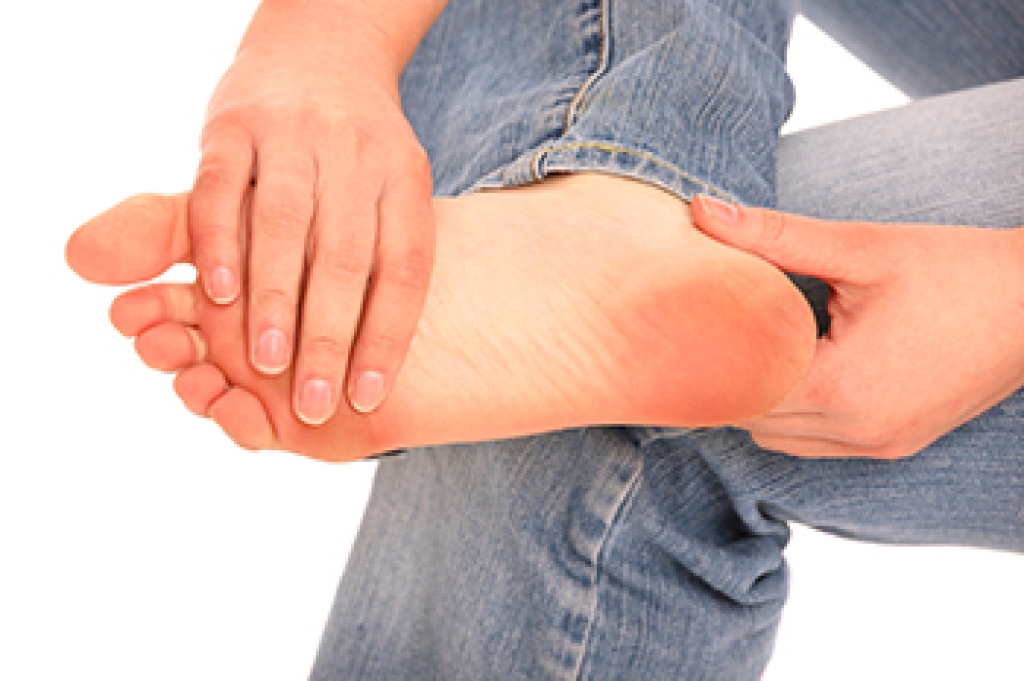
Reasons the Ball of Your Foot Hurts

Pain in the ball of the foot, often called metatarsalgia, can develop from a range of conditions that place strain on the forefoot. The most common causes are bunions, which shift the alignment of the big toe and change how weight is distributed, and Morton’s neuroma, where tissue thickens around a nerve between the toes and produces burning or tingling sensations. Injuries such as sprains or more severe Lisfranc injuries involving torn ligaments or broken bones in the midfoot can also lead to significant discomfort in the ball of the foot. Some patients may notice numbness or sharp pain that spreads into the toes. A podiatrist can assess the source of the pain with a physical exam and imaging, provide proper treatment, and in advanced cases recommend surgery to restore stability and function. If you have pain in the ball of the foot, it is suggested that you make an appointment with a podiatrist for an exam and treatment.

Foot Pain

Foot pain can be extremely painful and debilitating. If you have a foot pain, consult with Andrew Katz, DPM from Allcare Foothealth Center. Our doctor will assess your condition and provide you with quality foot and ankle treatment.

Causes

Foot pain is a very broad condition that could be caused by one or more ailments. The most common include:

  • Bunions
  • Hammertoes
  • Plantar Fasciitis
  • Bone Spurs
  • Corns
  • Tarsal Tunnel Syndrome
  • Ingrown Toenails
  • Arthritis (such as Gout, Rheumatoid, and Osteoarthritis)
  • Flat Feet
  • Injury (from stress fractures, broken toe, foot, ankle, Achilles tendon ruptures, and sprains)
  • And more

Diagnosis

To figure out the cause of foot pain, podiatrists utilize several different methods. This can range from simple visual inspections and sensation tests to X-rays and MRI scans. Prior medical history, family medical history, and any recent physical traumatic events will all be taken into consideration for a proper diagnosis.

Treatment

Treatment depends upon the cause of the foot pain. Whether it is resting, staying off the foot, or having surgery; podiatrists have a number of treatment options available for foot pain.

If you have any questions, please feel free to contact our office located in Palmdale, CA . We offer the newest diagnostic and treatment technologies for all your foot care needs.
Read more about Foot Pain

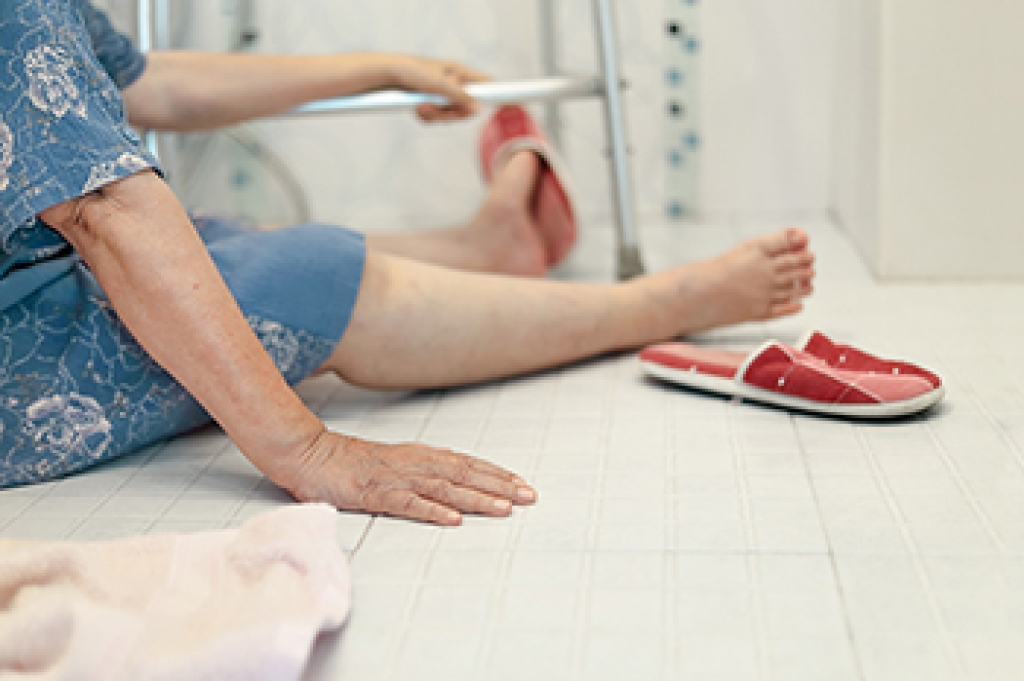
Preventing Falls and Protecting the Lower Limbs

Falls are a major concern for older adults, and the lower limbs are often the most affected areas when they occur. Injuries may include ankle sprains, hip fractures, and damage to the knees or feet, all of which can greatly limit independence. Weak muscles, poor balance, and unstable footwear increase the risk of falling, as do chronic conditions such as arthritis or neuropathy. Preventive strategies focus on building strength, improving balance, and creating a safe environment at home. Wearing supportive shoes with nonslip soles, the removal of loose rugs, and adequate lighting can make daily movement safer. Stretching and strengthening the calves, ankles, and thighs help maintain stability, while regular checkups ensure that foot or joint problems are addressed early. If you have sustained a foot or ankle injury from falling, or are concerned about your risk of falling and its impact on your lower limbs, it is suggested that you see a podiatrist for evaluation and preventive care.

Preventing falls among the elderly is very important. If you are older and have fallen or fear that you are prone to falling, consult with Andrew Katz, DPM from Allcare Foothealth Center. Our doctor will assess your condition and provide you with quality advice and care.

Every 11 seconds, an elderly American is being treated in an emergency room for a fall related injury. Falls are the leading cause of head and hip injuries for those 65 and older. Due to decreases in strength, balance, senses, and lack of awareness, elderly persons are very susceptible to falling. Thankfully, there are a number of things older persons can do to prevent falls.

How to Prevent Falls

Some effective methods that older persons can do to prevent falls include:

  • Enrolling in strength and balance exercise program to increase balance and strength
  • Periodically having your sight and hearing checked
  • Discuss any medications you have with a doctor to see if it increases the risk of falling
  • Clearing the house of falling hazards and installing devices like grab bars and railings
  • Utilizing a walker or cane
  • Wearing shoes that provide good support and cushioning
  • Talking to family members about falling and increasing awareness

Falling can be a traumatic and embarrassing experience for elderly persons; this can make them less willing to leave the house, and less willing to talk to someone about their fears of falling. Doing such things, however, will increase the likelihood of tripping or losing one’s balance. Knowing the causes of falling and how to prevent them is the best way to mitigate the risk of serious injury.  

If you have any questions, please feel free to contact our office located in Palmdale, CA . We offer the newest diagnostic and treatment technologies for all your foot care needs.
Read more about Falls Prevention

Understanding Bunions and When Surgery May Be Needed

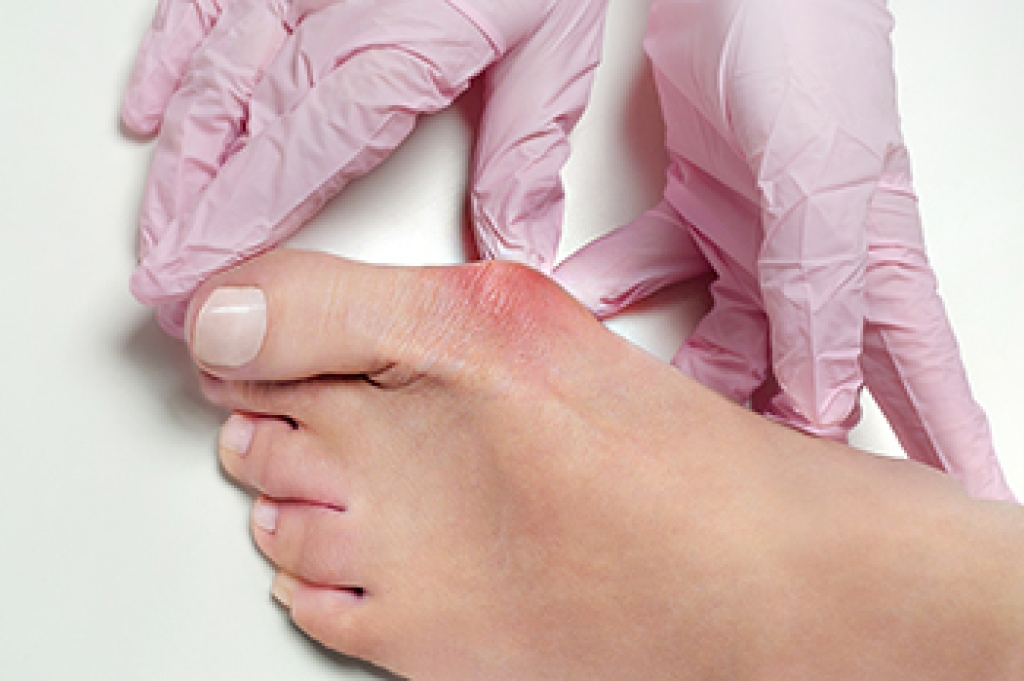
A bunion is a bony bump that forms on the joint at the base of the big toe, as the top of the toe leans inward. It may appear red, swollen, and feel painful or stiff, especially when walking or wearing tight shoes. Common causes include inherited foot structure, arthritis, or wearing narrow footwear. Symptoms range from mild discomfort to persistent pain, limited movement, and visible deformity. A podiatrist can diagnose a bunion through a physical exam and X-rays. Non-surgical treatments include custom orthotics, padding, anti-inflammatory medication, or shoe modifications to relieve pressure. If conservative methods fail and pain interferes with daily life, surgery may be considered. Surgical benefits include pain relief and improved foot alignment, but risks may include infection, nerve damage, or a lengthy recovery. Every case is unique, and a podiatrist can help determine the best course of action. It is suggested that you make an appointment with a podiatrist for proper evaluation and care.

If you are suffering from bunions, contact Andrew Katz, DPM of Allcare Foothealth Center. Our doctor can provide the care you need to keep you pain-free and on your feet.

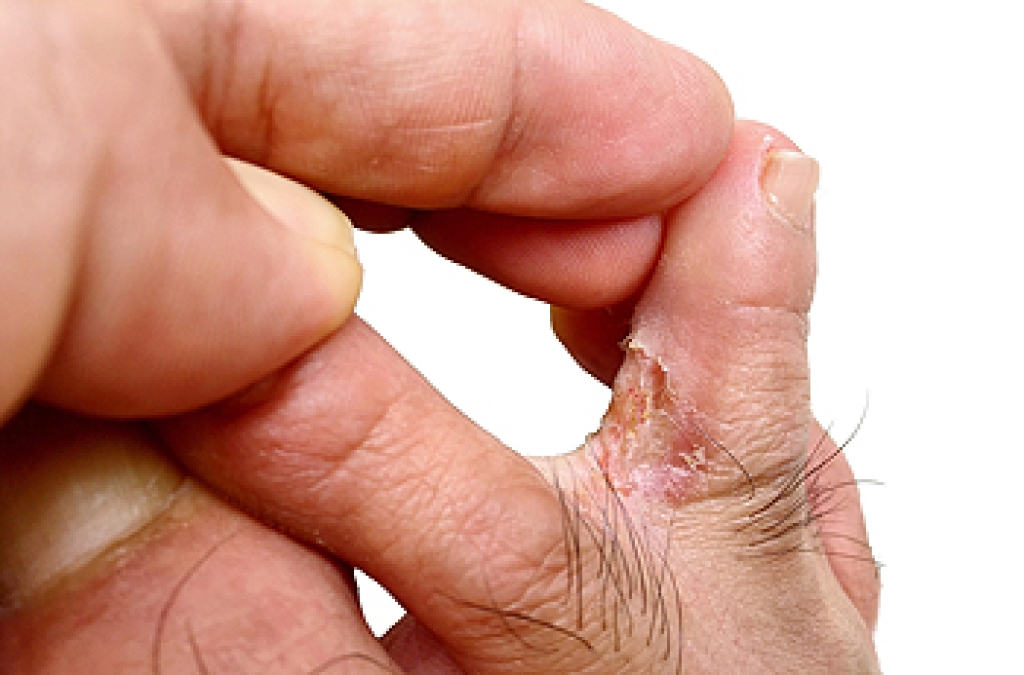
What Is a Bunion?

A bunion is formed of swollen tissue or an enlargement of boney growth, usually located at the base joint of the toe that connects to the foot. The swelling occurs due to the bones in the big toe shifting inward, which impacts the other toes of the foot. This causes the area around the base of the big toe to become inflamed and painful.

Why Do Bunions Form?

Genetics – Susceptibility to bunions are often hereditary

Stress on the feet – Poorly fitted and uncomfortable footwear that places stress on feet, such as heels, can worsen existing bunions

How Are Bunions Diagnosed?

Doctors often perform two tests – blood tests and x-rays – when trying to diagnose bunions, especially in the early stages of development. Blood tests help determine if the foot pain is being caused by something else, such as arthritis, while x-rays provide a clear picture of your bone structure to your doctor.

How Are Bunions Treated?

  • Refrain from wearing heels or similar shoes that cause discomfort
  • Select wider shoes that can provide more comfort and reduce pain
  • Anti-inflammatory and pain management drugs
  • Orthotics or foot inserts
  • Surgery

If you have any questions, please feel free to contact our office located in Palmdale, CA . We offer the newest diagnostic and treatment technologies for all your foot care needs.
Read more about What Are Bunions?

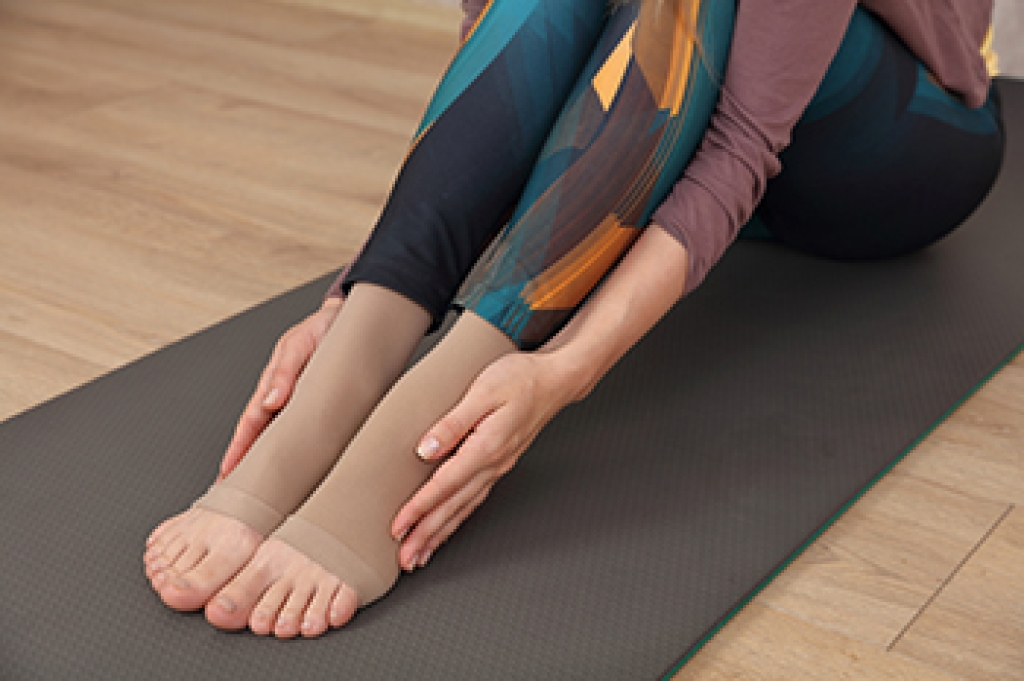
Improving Circulation in the Lower Extremities

Poor circulation in the legs and feet can lead to discomfort, swelling, numbness, and delayed healing of wounds. It is often linked to diabetes, peripheral artery disease, or a sedentary lifestyle. Limited blood flow reduces oxygen delivery to tissues, which may increase the risk of infections and long-term complications, if left untreated. There are simple steps that can help improve circulation. First, regular movement such as walking or gentle stretching stimulates blood flow and keeps vessels active. Second, wearing supportive footwear and avoiding tight socks can reduce pressure on the feet and ankles. Third, keeping the feet warm with insulated shoes or socks can prevent vessel constriction, which is especially helpful for anyone who is sensitive to even mild cold. If you are experiencing persistent symptoms of poor circulation, it is suggested that you see a podiatrist for a proper diagnosis and appropriate treatment.

Poor circulation is a serious condition and needs immediate medical attention. If you have any concerns with poor circulation in your feet contact Andrew Katz, DPM of Allcare Foothealth Center. Our doctor will treat your foot and ankle needs.

Poor Circulation in the Feet

Poor blood circulation in the feet and legs is can be caused by peripheral artery disease (PAD), which is the result of a buildup of plaque in the arteries.

Plaque buildup or atherosclerosis results from excess calcium and cholesterol in the bloodstream. This can restrict the amount of blood which can flow through the arteries. Poor blood circulation in the feet and legs are sometimes caused by inflammation in the blood vessels, known as vasculitis.

Causes

Lack of oxygen and oxygen from poor blood circulation restricts muscle growth and development. It can also cause:

  • Muscle pain, stiffness, or weakness 
  • Numbness or cramping in the legs
  • Skin discoloration
  • Slower nail & hair growth
  • Erectile dysfunction

Those who have diabetes or smoke are at greatest risk for poor circulation, as are those who are over 50. If you have poor circulation in the feet and legs it may be caused by PAD and is important to make changes to your lifestyle in order to reduce risk of getting a heart attack or stroke. Exercise and maintaining a healthy lifestyle will dramatically improve conditions.

As always, see a podiatrist as he or she will assist in finding a regimen that suits you. A podiatrist can also prescribe you any needed medication. 

If you have any questions, please feel free to contact our office located in Palmdale, CA . We offer the newest diagnostic and treatment technologies for all your foot care needs.

Read more about Causes Symptoms and Treatment for Poor Circulation in the Feet

Expert Guidance From a Podiatrist on Athlete’s Foot

Athlete’s foot is a common fungal infection that affects the skin of the feet, often developing between the toes. It occurs when the fungus grows in warm, moist environments, such as sweaty socks or communal showers. Causes include direct contact with contaminated surfaces, shared footwear, and poor foot hygiene. Risk factors include excessive sweating, wearing tight or non breathable shoes, and weakened immunity. Symptoms may include itching, burning, redness, peeling skin, and an unpleasant odor. A podiatrist can provide an accurate diagnosis, recommend antifungal treatments, and offer guidance on proper foot care to prevent recurrence. If you have symptoms of athlete’s foot, it is suggested that you consult a podiatrist who can offer effective relief and treatment remedies, which may include prescribed medication.

Athlete’s foot is an inconvenient condition that can be easily reduced with the proper treatment. If you have any concerns about your feet and ankles, contact Andrew Katz, DPM from Allcare Foothealth Center.  Our doctor will treat your foot and ankle needs.

Athlete’s Foot: The Sole Story

Athlete's foot, also known as tinea pedis, can be an extremely contagious foot infection. It is commonly contracted in public changing areas and bathrooms, dormitory style living quarters, around locker rooms and public swimming pools, or anywhere your feet often come into contact with other people.

Solutions to Combat Athlete’s Foot

  • Hydrate your feet by using lotion
  • Exfoliate
  • Buff off nails
  • Use of anti-fungal products
  • Examine your feet and visit your doctor if any suspicious blisters or cuts develop

Athlete’s foot can cause many irritating symptoms such as dry and flaking skin, itching, and redness. Some more severe symptoms can include bleeding and cracked skin, intense itching and burning, and even pain when walking. In the worst cases, Athlete’s foot can cause blistering as well. Speak to your podiatrist for a better understanding of the different causes of Athlete’s foot, as well as help in determining which treatment options are best for you.

If you have any questions please feel free to contact our office located in Palmdale, CA . We offer the newest diagnostic and treatment technologies for all your foot and ankle needs.

Read more about Athlete's Foot

Reasons for Blisters on the Feet

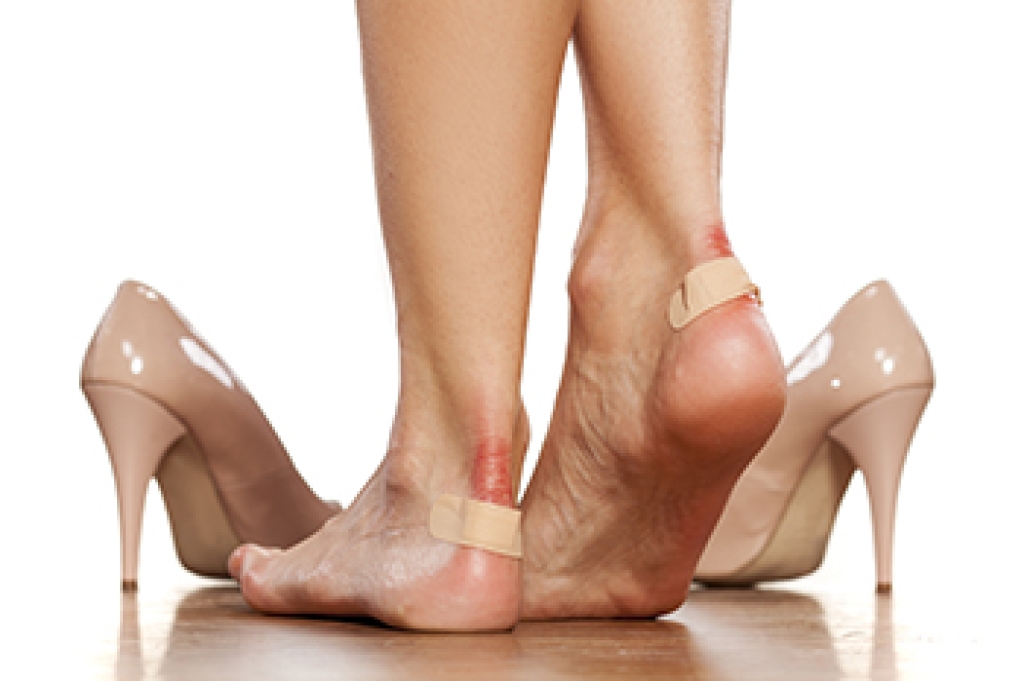
Blisters develop on the feet when the outer layer of skin separates from the layers beneath and fluid fills the space, often as a result of friction. Shoes that are too tight or too loose can cause repetitive rubbing. Moisture from sweat can worsen friction, making blister formation more likely. Socks that bunch or trap moisture also increase the risk. Beyond footwear, increased activity like running or long periods of walking places additional pressure on the feet and may lead to blister formation. Fungal or bacterial infections, such as athlete’s foot or impetigo, can also trigger blistering. Blisters should not be intentionally popped, as this increases the risk of infection. A podiatrist can examine the cause, relieve discomfort, and provide guidance to prevent recurrence. If you have painful blisters on your feet, it is suggested that you make an appointment with a podiatrist for safe and sterile treatment.

Blisters may appear as a single bubble or in a cluster. They can cause a lot of pain and may be filled with pus, blood, or watery serum. If your feet are hurting, contact Andrew Katz, DPM of Allcare Foothealth Center. Our doctor can provide the care you need to keep you pain-free and on your feet.

Foot Blisters

Foot blisters are often the result of friction. This happens due to the constant rubbing from shoes, which can lead to pain.

What Are Foot Blisters?

A foot blister is a small fluid-filled pocket that forms on the upper-most layer of the skin. Blisters are filled with clear fluid and can lead to blood drainage or pus if the area becomes infected.

Symptoms

(Blister symptoms may vary depending on what is causing them)

  • Bubble of skin filled with fluid
  • Redness
  • Moderate to severe pain
  • Itching

Prevention & Treatment

In order to prevent blisters, you should be sure to wear comfortable shoes with socks that cushion your feet and absorb sweat. Breaking a blister open may increase your chances of developing an infection. However, if your blister breaks, you should wash the area with soap and water immediately and then apply a bandage to the affected area. If your blisters cause severe pain it is important that you call your podiatrist right away.

If you have any questions, please feel free to contact our office located in Palmdale, CA . We offer the newest diagnostic and treatment technologies for all your foot care needs.
Read more about Blisters on the Feet

Finding Relief From Foot Pain Through Proper Care

Foot pain can interfere with daily activities, exercise, and overall comfort. It may be caused by iplantar fasciitis, bunions, arthritis, flat feet, sports injuries, or simply wearing shoes that do not fit well. Because the foot is made up of many bones, joints, and soft tissues, even small problems can create significant discomfort. To determine the cause, a podiatrist will take a medical history, examine the foot, and may use imaging like X-rays or ultrasound for a clearer view. An accurate diagnosis is important since many foot conditions share similar symptoms. Treatment varies depending on the diagnosis and may include custom orthotics, targeted exercises, medications, or improved footwear. More advanced cases may require procedures or surgery. If foot pain continues, it is suggested that you see a podiatrist to ensure you get the right treatment and prevent the pain from worsening.

Foot Pain

Foot pain can be extremely painful and debilitating. If you have a foot pain, consult with Andrew Katz, DPM from Allcare Foothealth Center. Our doctor will assess your condition and provide you with quality foot and ankle treatment.

Causes

Foot pain is a very broad condition that could be caused by one or more ailments. The most common include:

  • Bunions
  • Hammertoes
  • Plantar Fasciitis
  • Bone Spurs
  • Corns
  • Tarsal Tunnel Syndrome
  • Ingrown Toenails
  • Arthritis (such as Gout, Rheumatoid, and Osteoarthritis)
  • Flat Feet
  • Injury (from stress fractures, broken toe, foot, ankle, Achilles tendon ruptures, and sprains)
  • And more

Diagnosis

To figure out the cause of foot pain, podiatrists utilize several different methods. This can range from simple visual inspections and sensation tests to X-rays and MRI scans. Prior medical history, family medical history, and any recent physical traumatic events will all be taken into consideration for a proper diagnosis.

Treatment

Treatment depends upon the cause of the foot pain. Whether it is resting, staying off the foot, or having surgery; podiatrists have a number of treatment options available for foot pain.

If you have any questions, please feel free to contact our office located in Palmdale, CA . We offer the newest diagnostic and treatment technologies for all your foot care needs.
Read more about Foot Pain

Approaches to Managing Plantar Fasciitis

Relieving the heel and arch pain from plantar fasciitis often requires a mix of self-care and professional guidance. Stretching the calf muscles and the bottom of the foot can ease strain on the plantar fascia, while wearing supportive shoes or custom orthotics can help reduce daily stress on the tissue. Modifying workouts to lower-impact options can give the fascia time to heal. Night splints, which keep the foot gently flexed, may prevent the sharp pain often felt with the first steps in the morning. In more persistent cases, treatments such as targeted exercises, shockwave therapy, or carefully guided injections may be considered. Addressing the problem early increases the chance of full recovery. If heel pain continues, it is suggested that you see a podiatrist for an accurate diagnosis and a personalized treatment plan.

Plantar fasciitis can be very painful and inconvenient. If you are experiencing heel pain or symptoms of plantar fasciitis, contact Andrew Katz, DPM  from Allcare Foothealth Center. Our doctor can provide the care you need to keep you pain-free and on your feet.

What Is Plantar Fasciitis?

Plantar fasciitis is the inflammation of the thick band of tissue that runs along the bottom of your foot, known as the plantar fascia, and causes mild to severe heel pain.

What Causes Plantar Fasciitis?

  • Excessive running
  • Non-supportive shoes
  • Overpronation
  • Repeated stretching and tearing of the plantar fascia

How Can It Be Treated?

  • Conservative measures – anti-inflammatories, ice packs, stretching exercises, physical therapy, orthotic devices
  • Shockwave therapy – sound waves are sent to the affected area to facilitate healing and are usually used for chronic cases of plantar fasciitis
  • Surgery – usually only used as a last resort when all else fails. The plantar fascia can be surgically detached from the heel

While very treatable, plantar fasciitis is definitely not something that should be ignored. Especially in severe cases, speaking to your doctor right away is highly recommended to avoid complications and severe heel pain. Your podiatrist can work with you to provide the appropriate treatment options tailored to your condition.

If you have any questions, please feel free to contact our office located in Palmdale, CA . We offer the newest diagnostic and treatment technologies for all your foot care needs.

Read more about Plantar Fasciitis

The Impact of High Heels on Foot and Ankle Health

Wearing high heels regularly can lead to a range of foot and ankle injuries. One common issue is ankle inversion, where the ankle rolls outward and increases the risk of sprains. Prolonged high heel use can also cause musculoskeletal pain due to unnatural foot positioning and added pressure on the forefoot. High heels may contribute to the development of bunions, by forcing the big toe inward and causing a bump to form at the joint. A podiatrist can evaluate foot structure, recommend supportive footwear, and treat any existing conditions with personalized care. If you have sustained a foot or ankle injury from frequently wearing high heels, it is suggested that you consult a podiatrist who can treat various foot conditions, and guide you on better shoe choices.

High heels have a history of causing foot and ankle problems. If you have any concerns about your feet or ankles, contact Andrew Katz, DPM from Allcare Foothealth Center. Our doctor can provide the care you need to keep you pain-free and on your feet.

Effects of High Heels on the Feet

High heels are popular shoes among women because of their many styles and societal appeal.  Despite this, high heels can still cause many health problems if worn too frequently.

Which Parts of My Body Will Be Affected by High Heels?

  • Ankle Joints
  • Achilles Tendon – May shorten and stiffen with prolonged wear
  • Balls of the Feet
  • Knees – Heels cause the knees to bend constantly, creating stress on them
  • Back – They decrease the spine’s ability to absorb shock, which may lead to back pain.  The vertebrae of the lower back may compress.

What Kinds of Foot Problems Can Develop from Wearing High Heels?

  • Corns
  • Calluses
  • Hammertoe
  • Bunions
  • Morton’s Neuroma
  • Plantar Fasciitis

How Can I Still Wear High Heels and Maintain Foot Health?

If you want to wear high heeled shoes, make sure that you are not wearing them every day, as this will help prevent long term physical problems.  Try wearing thicker heels as opposed to stilettos to distribute weight more evenly across the feet.  Always make sure you are wearing the proper shoes for the right occasion, such as sneakers for exercising.  If you walk to work, try carrying your heels with you and changing into them once you arrive at work.  Adding inserts to your heels can help cushion your feet and absorb shock. Full foot inserts or metatarsal pads are available. 

If you have any questions, please feel free to contact our office located in Palmdale, CA . We offer the newest diagnostic and treatment technologies for all your foot care needs.

Read more about Effect of High Heels on the Feet

Connect With Us