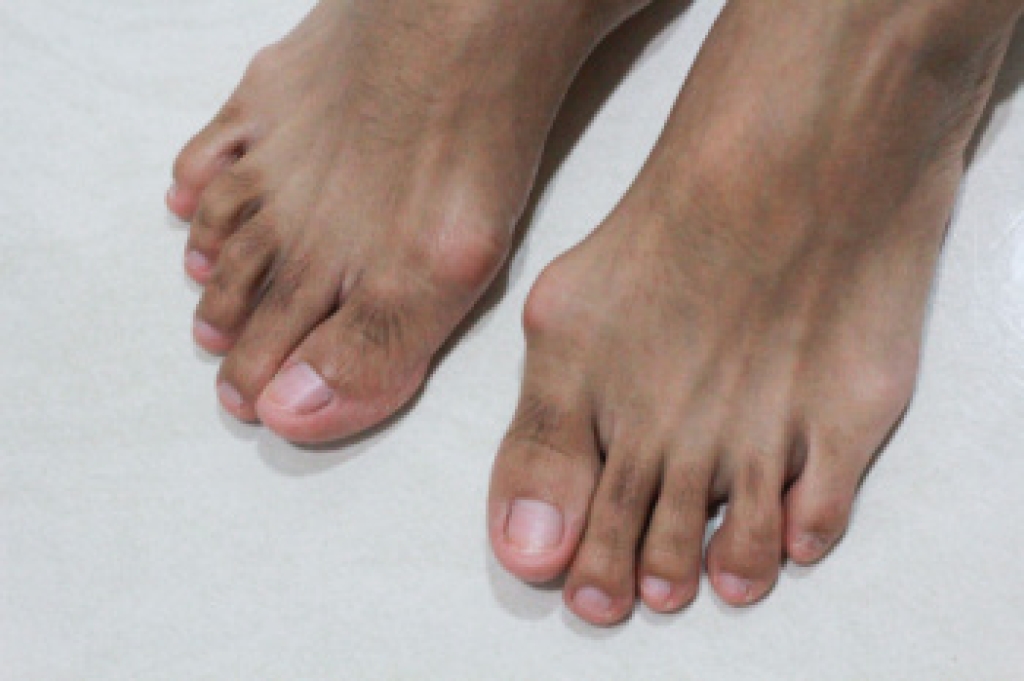
Rheumatoid arthritis is a disease in which the body's immune system mistakenly attacks healthy joint tissue. This type of arthritis causes inflammation, which results in swelling and irritation inside the joints. It affects the feet and ankles because they contain many small joints that support body weight. Early symptoms include pain, stiffness, and swelling in the toes, forefoot, or ankles. The condition commonly affects the same joints on both sides of the body. Rheumatoid arthritis can make standing uncomfortable and can limit daily activities.
As the condition progresses, inflammation can damage the joints and surrounding tissues. This can change the shape of the feet and toes. Some people develop bunions, hammertoes, or toes that drift out of position. Walking can become difficult because the joints lose flexibility and stability. Pain can increase when standing for long periods and while walking. Some people develop thickened areas of skin because abnormal pressure is placed on certain parts of the feet. Swelling in the ankles is another common problem. These changes can make comfortable shoes harder to find and can affect balance.
A podiatrist plays an important role in identifying foot problems related to rheumatoid arthritis. Diagnosis includes a physical examination, a review of symptoms, and X-rays or other imaging to look for joint damage. Treatment focuses on reducing pain and improving foot function. A podiatrist may recommend custom orthotics, supportive footwear, or padding to reduce pressure on painful areas. Care can also include monitoring joint changes and addressing deformities before they become severe. Early diagnosis can help reduce the risk of significant joint damage and loss of mobility. Proper foot care can help patients remain active and comfortable. If you have symptoms of rheumatoid arthritis in your feet and ankles, it is suggested that you make an appointment with a podiatrist for an exam and diagnosis.
Because RA affects more than just your joints, including the joints in your feet and ankles, it is important to seek early diagnosis from your podiatrist if you feel like the pain in your feet might be caused by RA. For more information, contact Andrew Katz, DPM of Allcare Foothealth Center. Our doctor will assist you with all of your podiatric concerns.
What Is Rheumatoid Arthritis?
Rheumatoid Arthritis (RA) is an autoimmune disorder in which the body’s own immune system attacks the membranes surrounding the joints. Inflammation of the lining and eventually the destruction of the joint’s cartilage and bone occur, causing severe pain and immobility.
Rheumatoid Arthritis of the Feet
Although RA usually attacks multiple bones and joints throughout the entire body, almost 90 percent of cases result in pain in the foot or ankle area.
Symptoms
- Swelling and pain in the feet
- Stiffness in the feet
- Pain on the ball or sole of feet
- Joint shift and deformation
Diagnosis
Quick diagnosis of RA in the feet is important so that the podiatrist can treat the area effectively. Your doctor will ask you about your medical history, occupation, and lifestyle to determine the origin of the condition. Rheumatoid Factor tests help to determine if someone is affected by the disease.
If you have any questions, please feel free to contact our office located in Palmdale, CA . We offer the newest diagnostic and treatment technologies for all your foot care needs.