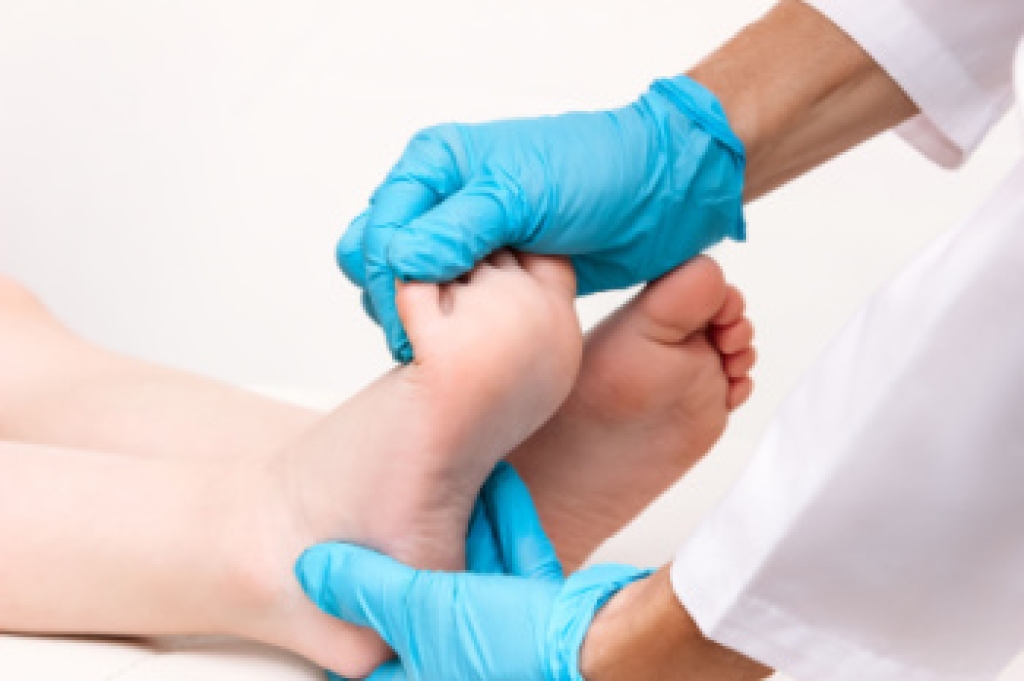
Foot and leg problems in children are often related to growth and development, but some conditions may require attention to prevent long-term issues. Common concerns include in-toeing, out-toeing, and flat foot. These conditions affect how a child walks and stands, and they can influence balance and coordination. In-toeing occurs when the feet turn inward when walking. It is often caused by metatarsus adductus, a condition in which the front part of the foot curves inward. Out-toeing involves the feet turning outward and is frequently linked to external tibial torsion, where the shin bone rotates outward.
Symptoms of in-toeing may include a noticeable inward foot position, frequent tripping, and uneven shoe wear. Children with metatarsus adductus may have a curved forefoot that is visible even when at rest. Out-toeing symptoms include an outward foot position, difficulty running efficiently, and a wider walking stance. External tibial torsion may become more noticeable as a child grows and becomes more active. Flat foot is another common condition in children, characterized by a low or absent arch when standing. Symptoms of flat foot can include foot fatigue, discomfort after activity, and inward rolling of the ankles.
Several risk factors contribute to these pediatric foot conditions. Genetics play a significant role, as children may inherit structural traits that affect foot alignment. External tibial torsion may develop as bones grow and rotate. Flat foot is often seen in younger children due to undeveloped arches, but it may persist in some cases. Obesity, improper footwear, and lack of supportive shoes can increase stress on developing feet and worsen symptoms.
Early recognition and proper care are essential for supporting healthy foot development in children. Supportive footwear and, in some cases, custom orthotics may help improve alignment and comfort. If your child has foot pain, it is suggested that you consult a podiatrist for an accurate diagnosis and appropriate treatment.
Making sure that your children maintain good foot health is very important as they grow. If you have any questions, contact Andrew Katz, DPM of Allcare Foothealth Center. Our doctor can provide the care you need to keep you pain-free and on your feet.
Keeping Children's Feet Healthy
Having healthy feet during childhood can help prevent medical problems later in life, namely in the back and legs. As children grow, their feet require different types of care. Here are some things to consider...
Although babies do not walk yet, it is still very important to take care of their feet.
Avoid putting tight shoes or socks on his or her feet.
Allow the baby to stretch and kick his or her feet to feel comfortable.
As a toddler, kids are now on the move and begin to develop differently. At this age, toddlers are getting a feel for walking, so don’t be alarmed if your toddler is unsteady or ‘walks funny’.
As your child gets older, it is important to teach them how to take care of their feet.
Show them proper hygiene to prevent infections such as fungus.
Be watchful for any pain or injury.
Have all injuries checked by a doctor as soon as possible.
Comfortable, protective shoes should always be worn, especially at play.
If you have any questions, please feel free to contact our office located in Palmdale, CA . We offer the newest diagnostic and treatment technologies for all your foot care needs.