Managing a Stress Fracture

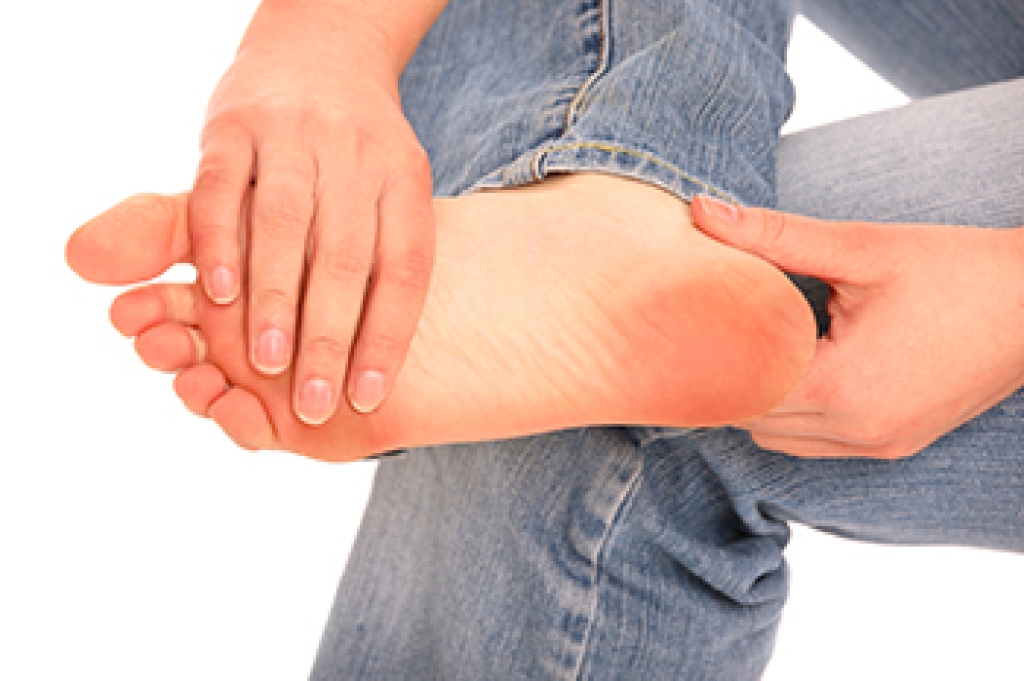
A foot stress fracture is a tiny crack in the bone, often caused by repetitive force or overuse, and is most commonly found in the toes, midfoot, or heel. It typically starts with dull, aching pain that gradually worsens with activities like walking, running, or standing for long periods. The pain is usually focused on one specific spot and may feel mild at first, leading many people to overlook it. What makes a stress fracture tricky is that it usually does not cause visible swelling or bruising, unlike other injuries. As the fracture progresses, the pain may become sharp and more limiting, interfering with everyday movement. A podiatrist can diagnose a stress fracture through imaging tests, such as X-rays or MRIs. Treatment usually involves reducing weight or pressure through crutches, a walking boot, or rest. In rare cases, surgery may be necessary if the fracture does not heal properly. If you suspect a stress fracture, it is suggested that you schedule an appointment with a podiatrist for a proper diagnosis and appropriate care.

Activities where too much pressure is put on the feet can cause stress fractures. To learn more, contact Andrew Katz, DPM from Allcare Foothealth Center. Our doctor can provide the care you need to keep your pain free and on your feet.

Dealing with Stress Fractures of the Foot and Ankle

Stress fractures occur in the foot and ankle when muscles in these areas weaken from too much or too little use.  The feet and ankles then lose support when walking or running from the impact of the ground. Since there is no protection, the bones receive the full impact of each step. Stress on the feet can cause cracks to form in the bones, thus creating stress fractures.

What Are Stress Fractures?

Stress fractures occur frequently in individuals whose daily activities cause great impact on the feet and ankles. Stress factors are most common among:

  • Runners                                
  • People affected with Osteoporosis
  • Tennis or basketball players
  • Gymnasts
  • High impact workouts

Symptoms

Pain from the fractures occur in the area of the fractures and can be constant or intermittent. It will often cause sharp or dull pain with swelling and tenderness. Engaging in any kind of activity which involves high impact will aggravate pain.

If you have any questions please contact our office located in Palmdale, CA . We offer the newest diagnostic and treatment technologies for all your foot and ankle needs.


Read more about Dealing with Stress Fractures of the Foot and Ankle

Keep Your Feet Healthy So You Can Stay Active

Have your feet inspected by a professional before starting a new sport or physical activity. Taking charge of your foot health will keep you in good physical condition and can help you avoid a potential injury, such as a fracture or sprained ankle.

Prevent injuries and see a foot specialist.

Choosing the Right Shoes for Race Walking

Race walking requires wearing proper footwear to support both performance and foot health. Ideal shoes should have a low heel to encourage smooth transitions, proper flex in the sole to match the natural motion of the foot, an ample toe box to allow toes to spread comfortably, and a sturdy heel counter for added stability. Wearing the wrong shoes can lead to blisters, arch pain, shin splints, and other foot problems due to poor support or incorrect alignment. A podiatrist can evaluate your walking style and foot structure to recommend the best shoes for your needs. If you have foot pain from wearing the wrong shoes, it is suggested that you visit a podiatrist who can treat various foot conditions, and guide you on the proper shoes to wear for your desired activity.

You should always make sure your running shoes fit properly in order to avoid injury. For more information, contact Andrew Katz, DPM from Allcare Foothealth Center. Our doctor can provide the care you need to keep you pain-free and on your feet.

Choosing the Right Running Shoe for Your Foot Type

Improper shoe sizing can cause a myriad of problems for your feet. Shoes that don’t fit you properly can lead to muscular imbalances in your body, which can result in foot, knee, and hip injuries.

Tips for Finding the Right Running Shoe

  • Make sure you have a thumb’s width of wiggle room between the end of your longest toe and the front of the shoe.
  • There should be little to no slipping at the heel
  • Don’t assume your size in one shoe brand will be your size in another
  • Do not lace up your shoes too tightly
  • Walk around in the store with your new shoes before you buy them

If you have any questions, please feel free to contact our office located in Palmdale, CA . We offer the newest diagnostic and treatment technologies for all your foot care needs.

Read more about Walking Shoes vs. Running Shoes

Ball of Foot Pain

Pain in the ball of the foot, also known as metatarsalgia, can result from underlying issues like arthritis and hammertoe. Arthritis causes inflammation in the joints of the foot, leading to stiffness, swelling, and aching pain, especially during movement. Hammertoe, a deformity where a toe bends abnormally at the middle joint, can shift pressure to the ball of the foot and worsen pain. Symptoms may include burning, tingling, or a sharp, aching sensation in the ball of the foot. You may notice swelling, redness, or difficulty walking in regular shoes. High-impact activity, improper footwear, or foot structure abnormalities often contribute to this condition. A podiatrist can evaluate your foot with a physical exam and imaging. Treatment options include orthotics, footwear changes, and anti-inflammatory medications. Other options are padding, targeted exercises, and, in severe cases, surgical correction of deformities. If you have pain in the ball of your foot, it is suggested that you schedule an appointment with a podiatrist for appropriate treatment.

Foot Pain

Foot pain can be extremely painful and debilitating. If you have a foot pain, consult with Andrew Katz, DPM from Allcare Foothealth Center. Our doctor will assess your condition and provide you with quality foot and ankle treatment.

Causes

Foot pain is a very broad condition that could be caused by one or more ailments. The most common include:

  • Bunions
  • Hammertoes
  • Plantar Fasciitis
  • Bone Spurs
  • Corns
  • Tarsal Tunnel Syndrome
  • Ingrown Toenails
  • Arthritis (such as Gout, Rheumatoid, and Osteoarthritis)
  • Flat Feet
  • Injury (from stress fractures, broken toe, foot, ankle, Achilles tendon ruptures, and sprains)
  • And more

Diagnosis

To figure out the cause of foot pain, podiatrists utilize several different methods. This can range from simple visual inspections and sensation tests to X-rays and MRI scans. Prior medical history, family medical history, and any recent physical traumatic events will all be taken into consideration for a proper diagnosis.

Treatment

Treatment depends upon the cause of the foot pain. Whether it is resting, staying off the foot, or having surgery; podiatrists have a number of treatment options available for foot pain.

If you have any questions, please feel free to contact our office located in Palmdale, CA . We offer the newest diagnostic and treatment technologies for all your foot care needs.

Read more about Foot Pain

Achilles Tendon Rupture and Its Causes

An Achilles tendon rupture is a tear in the tendon that connects the calf muscles to the heel bone. This injury often occurs during activities that involve sudden starts, stops, or changes in direction. Common causes include intense physical activity, improper stretching, or direct trauma to the tendon. Risk factors may include age, lack of conditioning, certain medications, or previous tendon problems. Symptoms of a rupture may include a sudden sharp pain in the back of the ankle, difficulty walking, or an inability to rise on the toes. Some individuals report hearing or feeling a pop at the time of injury. If you have sustained an Achilles tendon injury, it is suggested that you consult a podiatrist as prompt diagnosis and treatment can help restore function and prevent long-term complications related to mobility and strength.

Achilles tendon injuries need immediate attention to avoid future complications. If you have any concerns, contact Andrew Katz, DPM of Allcare Foothealth Center. Our doctor can provide the care you need to keep you pain-free and on your feet.

What Is the Achilles Tendon?

The Achilles tendon is a tendon that connects the lower leg muscles and calf to the heel of the foot. It is the strongest tendon in the human body and is essential for making movement possible. Because this tendon is such an integral part of the body, any injuries to it can create immense difficulties and should immediately be presented to a doctor.

What Are the Symptoms of an Achilles Tendon Injury?

There are various types of injuries that can affect the Achilles tendon. The two most common injuries are Achilles tendinitis and ruptures of the tendon.

Achilles Tendinitis Symptoms

  • Inflammation
  • Dull to severe pain
  • Increased blood flow to the tendon
  • Thickening of the tendon

Rupture Symptoms

  • Extreme pain and swelling in the foot
  • Total immobility

Treatment and Prevention

Achilles tendon injuries are diagnosed by a thorough physical evaluation, which can include an MRI. Treatment involves rest, physical therapy, and in some cases, surgery. However, various preventative measures can be taken to avoid these injuries, such as:

  • Thorough stretching of the tendon before and after exercise
  • Strengthening exercises like calf raises, squats, leg curls, leg extensions, leg raises, lunges, and leg presses

If you have any questions please feel free to contact our office located in Palmdale, CA . We offer the newest diagnostic tools and technology to treat your foot and ankle needs.

Read more about Achilles Tendon Injuries

Plantar Warts and Prevention Tips

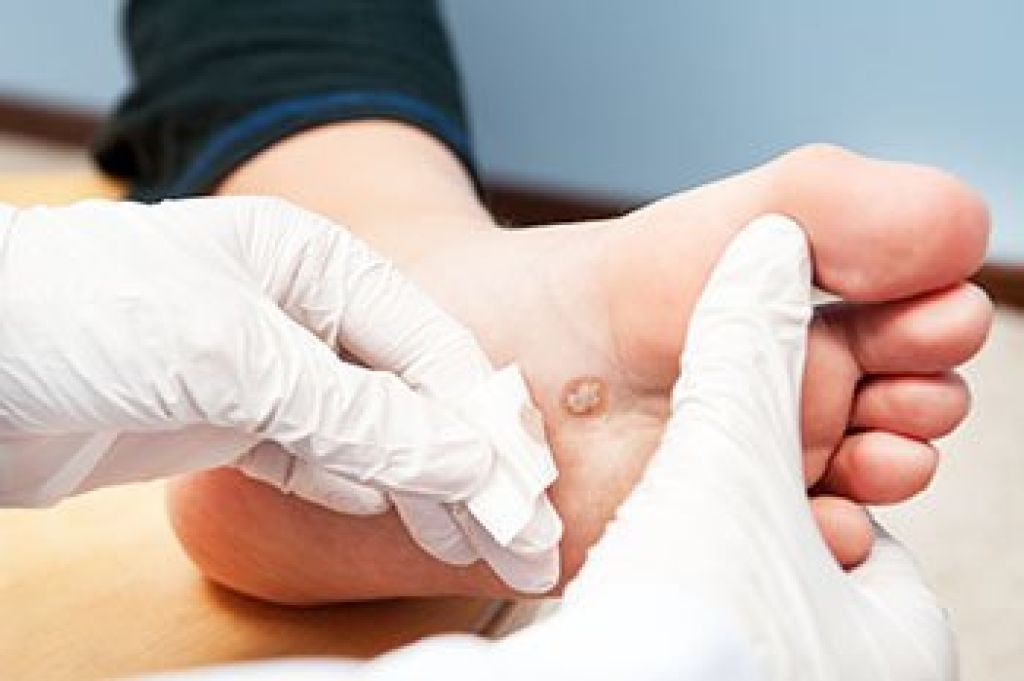
A plantar wart is a small growth that appears on the bottom of the foot and is caused by the human papillomavirus. This virus enters the body through tiny cuts or breaks in the skin and thrives in warm, moist environments such as public showers, locker rooms, and around swimming pools. Plantar warts often appear as rough, grainy lesions with black pinpoints in the center and can cause discomfort or pain when walking. The virus spreads through direct contact, either person to person or from contaminated surfaces. Wearing shoes in public areas, keeping feet clean and dry, and avoiding contact with existing warts can help reduce the risk of infection. As they grow inward, plantar warts can be painful as a result of standing or walking for long periods. If you have developed this condition, it is suggested that you promptly consult a podiatrist who can offer effective treatment solutions.

Plantar warts can be very uncomfortable. If you need your feet checked, contact Andrew Katz, DPM from Allcare Foothealth Center. Our doctor will assist you with all of your foot and ankle needs.

About Plantar Warts

Plantar warts are the result of HPV, or human papillomavirus, getting into open wounds on the feet. They are mostly found on the heels or balls of the feet.

While plantar warts are generally harmless, those experiencing excessive pain or those suffering from diabetes or a compromised immune system require immediate medical care. Plantar warts are easily diagnosed, usually through scraping off a bit of rough skin or by getting a biopsy.

Symptoms

  • Lesions on the bottom of your feet, usually rough and grainy
  • Hard or thick callused spots
  • Wart seeds, which are small clotted blood vessels that look like little black spots
  • Pain, discomfort, or tenderness of your feet when walking or standing

Treatment

  • Freezing
  • Electric tool removal
  • Laser Treatment
  • Topical Creams (prescription only)
  • Over-the-counter medications

To help prevent developing plantar warts, avoid walking barefoot over abrasive surfaces that can cause cuts or wounds for HPV to get into. Avoiding direct contact with other warts, as well as not picking or rubbing existing warts, can help prevent the further spread of plantar warts. However, if you think you have developed plantar warts, speak to your podiatrist. He or she can diagnose the warts on your feet and recommend the appropriate treatment options.

If you have any questions, please feel free to contact our office located in Palmdale, CA . We offer the newest diagnostic and treatment technologies for all your foot care needs.

Read more about What Are Plantar Warts?

Heel Pain in the Morning?

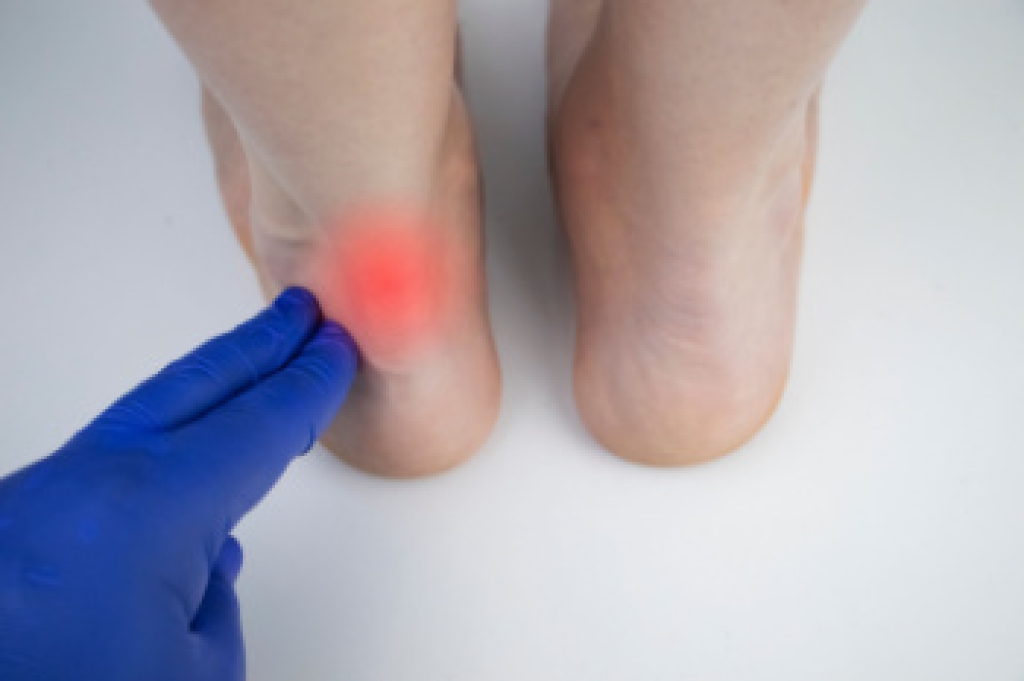
Heel pain can negatively affect your day-to-day life. Simple activities like walking can become incredibly uncomfortable or painful due to heel pain.

Don’t live with heel pain and get treated.

When a Bump Forms at the Base of Your Big Toe

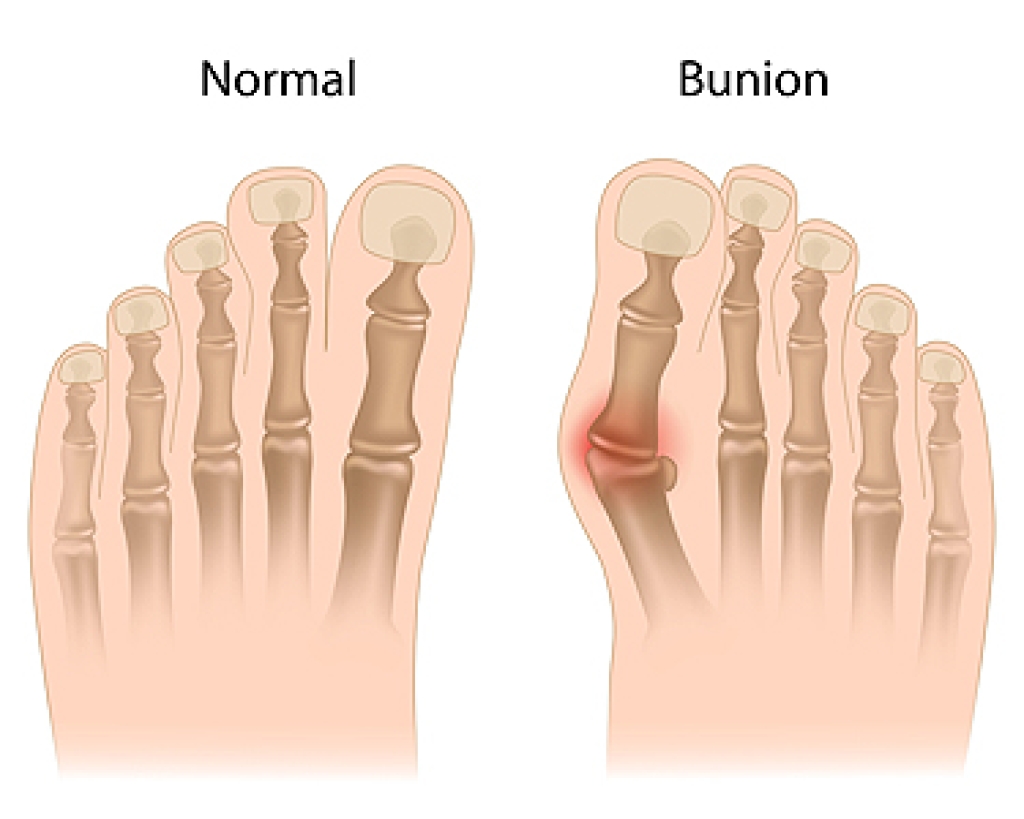
A bunion is a bony bump that forms at the joint where your big toe meets your foot. It often develops slowly as the toe shifts inward and the joint pushes outward. Wearing tight shoes, foot shape, or genetics can all play a role. Over time, the area may swell, feel sore, or become red and irritated. Walking can become uncomfortable, especially in narrow or stiff shoes. Pads, wider footwear, and custom orthotics may ease pressure and help reduce pain. In more severe cases, surgery may be considered to realign the toe and remove the bump. Bunions do not go away on their own, and waiting too long can make treatment more difficult. If you notice a bump forming or feel pain near your big toe, it is suggested you see a podiatrist for diagnosis and appropriate treatment.

If you are suffering from bunions, contact Andrew Katz, DPM of Allcare Foothealth Center. Our doctor can provide the care you need to keep you pain-free and on your feet.

What Is a Bunion?

A bunion is formed of swollen tissue or an enlargement of boney growth, usually located at the base joint of the toe that connects to the foot. The swelling occurs due to the bones in the big toe shifting inward, which impacts the other toes of the foot. This causes the area around the base of the big toe to become inflamed and painful.

Why Do Bunions Form?

Genetics – Susceptibility to bunions are often hereditary

Stress on the feet – Poorly fitted and uncomfortable footwear that places stress on feet, such as heels, can worsen existing bunions

How Are Bunions Diagnosed?

Doctors often perform two tests – blood tests and x-rays – when trying to diagnose bunions, especially in the early stages of development. Blood tests help determine if the foot pain is being caused by something else, such as arthritis, while x-rays provide a clear picture of your bone structure to your doctor.

How Are Bunions Treated?

  • Refrain from wearing heels or similar shoes that cause discomfort
  • Select wider shoes that can provide more comfort and reduce pain
  • Anti-inflammatory and pain management drugs
  • Orthotics or foot inserts
  • Surgery

If you have any questions, please feel free to contact our office located in Palmdale, CA . We offer the newest diagnostic and treatment technologies for all your foot care needs.

Read more about Bunions

How Strengthening Small Foot Muscles Can Help You Move Better

The foot contains many small muscles, called intrinsic foot muscles, that help support the arch, control movement, and keep the foot stable during walking or running. Newer studies suggest that training these muscles can improve foot strength and function, especially in people with flat feet, foot pain, or balance issues. Simple exercises like toe curls, towel scrunches, or trying to spread the toes apart can help activate and strengthen these muscles. Over time, this kind of training may reduce strain on larger muscles and improve how the foot absorbs impact. It may also help with posture and reduce the risk of injury during activity. Although research is still growing, early findings are encouraging. If you experience foot fatigue, arch problems, or feel unsteady on your feet, it is suggested that you see a podiatrist for a diagnosis and appropriate treatment.

Exercising your feet regularly with the proper foot wear is a great way to prevent injuries and build strength. If you have any concerns about your feet, contact Andrew Katz, DPM from Allcare Foothealth Center. Our doctor can provide the care you need to keep you pain-free and on your feet.

Exercise for Your Feet

Exercise for your feet can help you gain strength, mobility and flexibility in your feet. They say that strengthening your feet can be just as rewarding as strengthening another part of the body. Your feet are very important, and we often forget about them in our daily tasks. But it is because of our feet that are we able to get going and do what we need to. For those of us fortunate enough to not have any foot problems, it is an important gesture to take care of them to ensure good health in the long run.

Some foot health exercises can include ankle pumps, tip-toeing, toe rises, lifting off the floor doing reps and sets, and flexing the toes. It is best to speak with Our doctor to determine an appropriate regimen for your needs. Everyone’s needs and bodies are different, and the activities required to maintain strength in the feet vary from individual to individual. 

Once you get into a routine of doing regular exercise, you may notice a difference in your feet and how strong they may become.

If you have any questions, please feel free to contact our office located in Palmdale, CA . We offer the newest diagnostic and treatment technologies for all your foot care needs.

Read more about Exercise for Your Feet

Managing Athlete’s Foot

Athlete’s foot is a common fungal infection that affects the skin on the feet, especially between the toes. It thrives in warm, moist environments like locker rooms, showers, and sweaty shoes. The condition is extremely contagious and can be spread by walking barefoot in shared spaces or through contact with contaminated surfaces. Symptoms include itching, burning, and stinging sensations, along with red, scaly, or cracked skin. In some cases, blisters or peeling may occur. The discomfort can be constant and worsen with wearing tight footwear or physical activity, making everyday movement painful and irritating. Although antifungal creams can help in mild cases, recurring or stubborn infections often require professional treatment. A podiatrist can accurately diagnose the infection and prescribe stronger topical or oral antifungal medication. They can also provide guidance on hygiene and preventive care to stop the infection from coming back. If you have athlete’s foot, it is suggested that you schedule an appointment with a podiatrist for appropriate treatment.

Athlete’s Foot

Athlete’s foot is often an uncomfortable condition to experience. Thankfully, podiatrists specialize in treating athlete’s foot and offer the best treatment options. If you have any questions about athlete’s foot, consult with Andrew Katz, DPM from Allcare Foothealth Center. Our doctor will assess your condition and provide you with quality treatment.

What Is Athlete’s Foot?

Tinea pedis, more commonly known as athlete’s foot, is a non-serious and common fungal infection of the foot. Athlete’s foot is contagious and can be contracted by touching someone who has it or infected surfaces. The most common places contaminated by it are public showers, locker rooms, and swimming pools. Once contracted, it grows on feet that are left inside moist, dark, and warm shoes and socks.

Prevention

The most effective ways to prevent athlete’s foot include:

  • Thoroughly washing and drying feet
  • Avoid going barefoot in locker rooms and public showers
  • Using shower shoes in public showers
  • Wearing socks that allow the feet to breathe
  • Changing socks and shoes frequently if you sweat a lot

Symptoms

Athlete’s foot initially occurs as a rash between the toes. However, if left undiagnosed, it can spread to the sides and bottom of the feet, toenails, and if touched by hand, the hands themselves. Symptoms include:

  • Redness
  • Burning
  • Itching
  • Scaly and peeling skin

Diagnosis and Treatment

Diagnosis is quick and easy. Skin samples will be taken and either viewed under a microscope or sent to a lab for testing. Sometimes, a podiatrist can diagnose it based on simply looking at it. Once confirmed, treatment options include oral and topical antifungal medications.

If you have any questions, please feel free to contact our office located in Palmdale, CA . We offer the newest diagnostic and treatment technologies for all your foot care needs.

Read more about Athlete’s Foot

Connect With Us