What Is the Bump on the Back of My Heel?

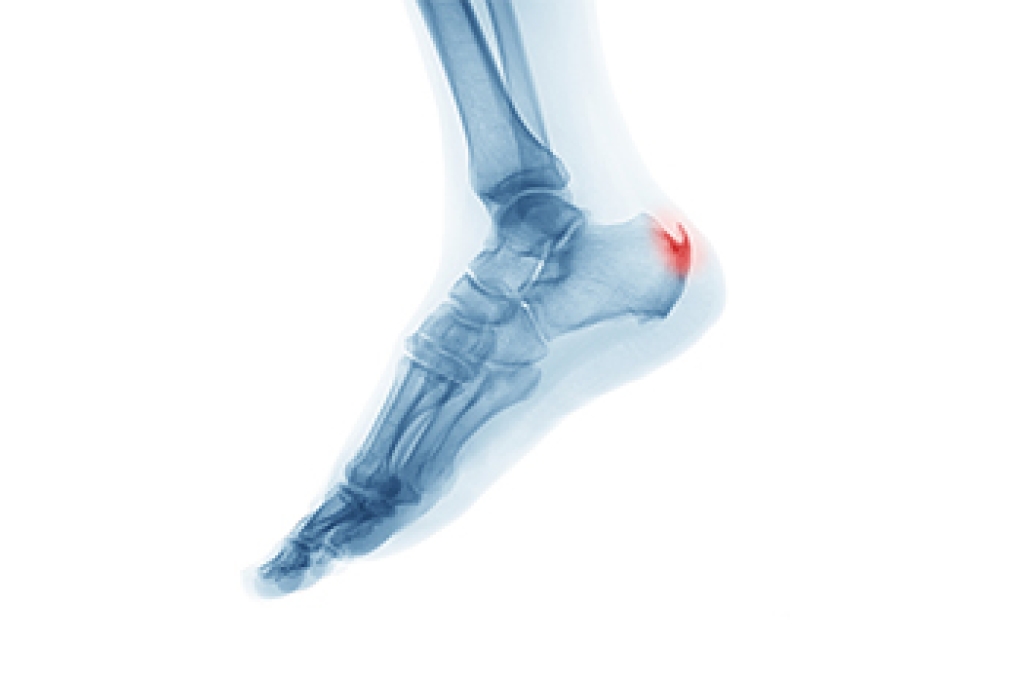
Sometimes a bony lump forms on the back of the heel, commonly referred to as a pump bump. It may be caused by the rubbing of your heel on the inside of the shoe. Activity can aggravate the bumps, which normally form on both heels and sometimes lead to pain. Wearing shoes with no heel can increase your comfort level but will not reduce or affect the lump itself. A podiatrist can take an X-ray of the area to determine its severity and suggest non-surgical or surgical treatment options as needed. One such remedy is a change in footwear to a more softly cushioned heel counter, which can help to alleviate any pain or swelling in the area. Further, a heel insert may help alleviate discomfort. If the pump bump continues to enlarge and becomes painful enough to interfere with your daily activities, a podiatrist can also recommend remedies that will help bring relief.

Many people suffer from bouts of heel pain. For more information, contact Andrew Katz, DPM of Allcare Foothealth Center. Our doctor can provide the care you need to keep you pain-free and on your feet.

Causes of Heel Pain

Heel pain is often associated with plantar fasciitis. The plantar fascia is a band of tissues that extends along the bottom of the foot. A rip or tear in this ligament can cause inflammation of the tissue.

Achilles tendonitis is another cause of heel pain. Inflammation of the Achilles tendon will cause pain from fractures and muscle tearing. Lack of flexibility is also another symptom.

Heel spurs are another cause of pain. When the tissues of the plantar fascia undergo a great deal of stress, it can lead to ligament separation from the heel bone, causing heel spurs.

Why Might Heel Pain Occur?

  • Wearing ill-fitting shoes                
  • Wearing non-supportive shoes
  • Weight change           
  • Excessive running

Treatments

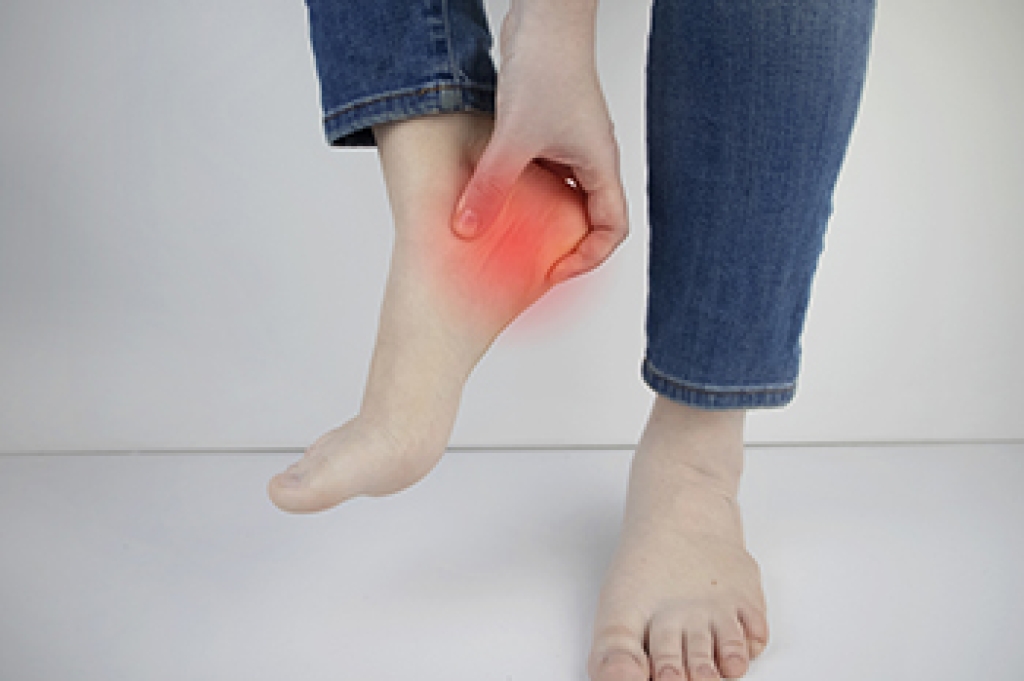
Heel pain should be treated as soon as possible for immediate results. Keeping your feet in a stress-free environment will help. If you suffer from Achilles tendonitis or plantar fasciitis, applying ice will reduce the swelling. Stretching before an exercise like running will help the muscles. Using all these tips will help make heel pain a condition of the past.

If you have any questions, please feel free to contact our office located in Palmdale, CA . We offer the newest diagnostic and treatment technologies for all your foot care needs.
Read more about Heel Pain

Understanding Plantar Fasciitis

Plantar fasciitis is often associated with certain factors that can cause the band of tissue on the sole of the foot (plantar fascia) to become stressed, damaged, or even torn. These factors include engaging in physical activities that stretch the plantar fascia, such as running, tennis, step aerobics, and volleyball. Other factors include being obese or pregnant, wearing footwear with poor support in the arch and heel, or having flat feet, high arches or other structural issues of the feet. The symptoms of plantar fasciitis include heel pain and stiffness, which is often more intense in the morning or after periods of rest. A podiatrist can often diagnose plantar fasciitis—and distinguish it from other conditions that cause heel pain—by considering the patient’s symptoms and history, performing a physical examination, and analyzing X-rays and other imaging tests. If you feel pain in your heel, it is suggested that you contact a podiatrist as soon as possible to get your issue properly diagnosed and treated.

Plantar fasciitis can be very painful and inconvenient. If you are experiencing heel pain or symptoms of plantar fasciitis, contact Andrew Katz, DPM  from Allcare Foothealth Center. Our doctor can provide the care you need to keep you pain-free and on your feet.

What Is Plantar Fasciitis?

Plantar fasciitis is the inflammation of the thick band of tissue that runs along the bottom of your foot, known as the plantar fascia, and causes mild to severe heel pain.

What Causes Plantar Fasciitis?

  • Excessive running
  • Non-supportive shoes
  • Overpronation
  • Repeated stretching and tearing of the plantar fascia

How Can It Be Treated?

  • Conservative measures – anti-inflammatories, ice packs, stretching exercises, physical therapy, orthotic devices
  • Shockwave therapy – sound waves are sent to the affected area to facilitate healing and are usually used for chronic cases of plantar fasciitis
  • Surgery – usually only used as a last resort when all else fails. The plantar fascia can be surgically detached from the heel

While very treatable, plantar fasciitis is definitely not something that should be ignored. Especially in severe cases, speaking to your doctor right away is highly recommended to avoid complications and severe heel pain. Your podiatrist can work with you to provide the appropriate treatment options tailored to your condition.

If you have any questions, please feel free to contact our office located in Palmdale, CA . We offer the newest diagnostic and treatment technologies for all your foot care needs.

Read more about Plantar Fasciitis

Connect With Us