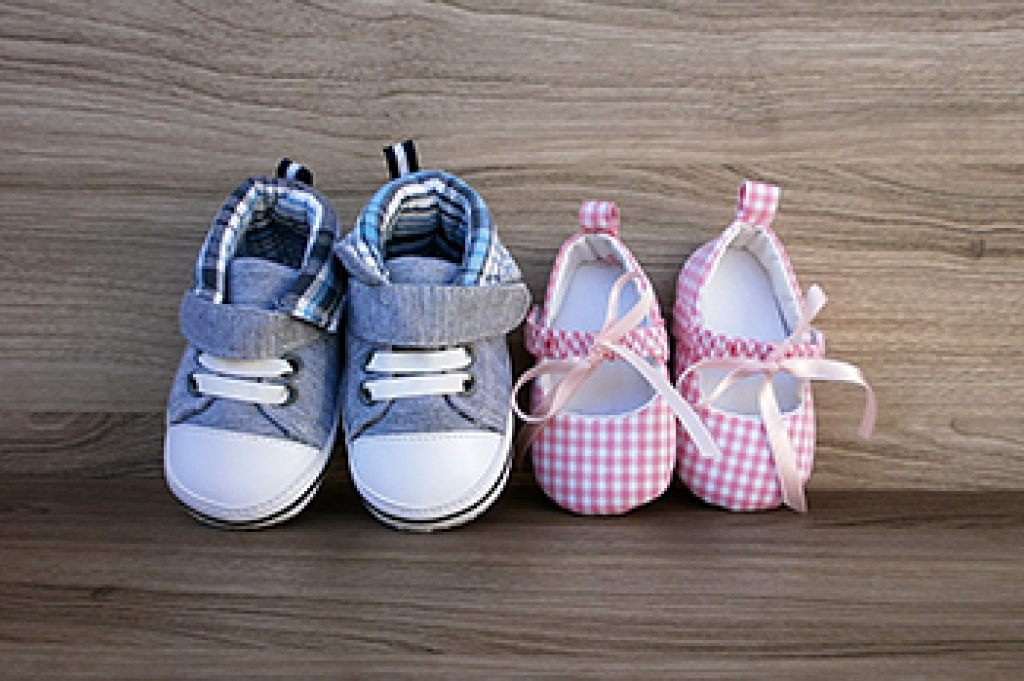
Babies do not need shoes before they begin walking regularly, and going barefoot can support healthy foot development. Most babies start walking independently between nine and 18 months, although every child develops at a different pace. Before taking those first steps, babies learn to sit, crawl, pull themselves up, and stand while holding onto furniture. During this stage, bare feet help babies feel the ground and understand how their bodies move. This sensory feedback supports balance and coordination while allowing the toes to spread naturally. Indoors, barefoot movement is helpful when floors are clean and safe.
Once babies begin walking frequently outdoors, shoes become important for protecting their feet from rough surfaces and changing temperatures. The best first walking shoes should be lightweight, flexible, and comfortable, with non-skid soles that provide traction. Flexible soles allow the feet to move naturally as babies practice walking and improve stability. Choose shoes with a wide toe box so the toes have enough room to spread without being squeezed. A secure heel fit helps prevent slipping, while breathable materials keep little feet more comfortable. Stiff shoes or heavy designs may restrict movement and make early walking more difficult.
When shopping for baby shoes, measure both feet because one foot may be slightly larger than the other. Check the fit regularly since growing feet quickly outgrow their footwear. There should be a small amount of space between the longest toe and the front of the shoe, without excessive room that allows the foot to slide. Avoid narrow or pointed-toe designs that squeeze the toes. Babies who are still learning to walk may benefit from spending time barefoot indoors, while well-fitting shoes offer protection outside. Shoes should feel comfortable immediately and should not require a long break-in period.
A podiatrist assesses a baby’s foot development if parents notice unusual walking patterns or concerns about foot shape. During an examination, the podiatrist may observe standing and walking, check foot movement, and look for areas of tenderness or pressure. If a problem is identified, recommendations may include wearing appropriate footwear, monitoring development, or treatment for a specific condition. Most children develop walking skills at their own pace, but persistent concerns deserve attention. Choosing flexible, properly fitted shoes helps protect growing feet without restricting natural movement. If your baby has foot pain or you have concerns about walking, it is suggested that you consult a podiatrist for effective relief tips and additional guidance on when to choose the right shoes for your baby.
The health of a child’s feet is vital to their overall well-being. If you have any questions regarding foot health, contact Andrew Katz, DPM of Allcare Foothealth Center. Our doctor can provide the care you need to keep you pain-free and on your feet.
Tips for Keeping Children's Feet Healthy
- Make sure their shoes fit properly
- Look for any signs of in-toeing or out-toeing
- Check to see if they have Clubfoot (condition that affects your child’s foot and ankle, twisting the heel and toes inward) which is one of the most common nonmajor birth defects.
- Lightly cover your baby’s feet (Tight covers may keep your baby from moving their feet freely, and could prevent normal development)
- Allow your toddler to go shoeless (Shoes can be restricting for a young child’s foot)
- Cut toenails straight across to avoid ingrown toenails
- Keep your child’s foot clean and dry
- Cover cuts and scrapes. Wash any scratches with soap and water and cover them with a bandage until they’ve healed.
If you have any questions, please feel free to contact our office located in Palmdale, CA . We offer the newest diagnostic and treatment technologies for all your foot care needs.
