What Is Ainhum and How Podiatrists Can Help?

Ainhum is a rare condition characterized by the spontaneous development of a constricting band around the base of the fifth toe. This can lead to progressive constriction, tissue loss, and eventual auto-amputation if left untreated. Podiatrists play a vital role in diagnosing and managing ainhum. They can provide early intervention by carefully monitoring the condition and relieving pressure on the affected toe. These foot doctors can offer treatments, such as surgical release of the constricting band or orthotic devices to alleviate discomfort and prevent further tissue damage. Podiatrists also can educate patients about proper foot care techniques and regular monitoring to detect any changes in the condition early on. If you notice a ring around one of your toes with a squeezing sensation, it is strongly suggested that you make an appointment with a podiatrist for a timely diagnosis and immediate treatment.

Some foot conditions may require additional professional care. If you have any concerns, contact Andrew Katz, DPM of Allcare Foothealth Center. Our doctor can provide the care you need to keep you pain-free and on your feet.

Rare Foot Conditions

The majority of foot conditions are common and can be treated by a podiatrist.  Standard diagnostic procedures are generally used to identify specific conditions and treatment can be rendered. A podiatrist also treats rare foot conditions which can be difficult to diagnose and may need extra attention and care. 

There are many rare foot conditions that can affect children. Some of these can include:

  • Freiberg’s disease
  • Kohler’s disease
  • Maffucci syndrome

Freiberg’s disease - This can be seen as a deterioration and flattening of a metatarsal bone that exists in the ball of the foot. It typically affects pre-teen and teenage girls, but can affect anyone at any age. Symptoms that can accompany this can be swelling, stiffness, and the patient may limp. 

Kohler’s disease - This often targets the bone in the arch of the foot and affects younger boys. It can lead to an interruption of the blood supply which ultimately can lead to bone deterioration. The patient may limp or experience tenderness, swelling, and redness.

Maffucci syndrome - This affects the long bones in a child’s foot leading to the development of abnormal bone lesions. They are benign growths and typically develop in early childhood and the bones may be susceptible to breaking. 

A podiatrist can properly diagnose and treat all types of rare foot conditions. If your child is affected by any of these symptoms or conditions, please don’t hesitate to call our office so the correct treatment method can begin.

If you have any questions, please feel free to contact our office located in Palmdale, CA . We offer the newest diagnostic and treatment technologies for all your foot care needs.

Read more about Rare Foot Conditions

Are You Suffering From Nerve Damage?

Neuropathy is a condition that can lead to numbness or loss of sensation in the feet, but it can also cause pain. This condition is more likely to develop for those who are diabetic, obese, or with high blood pressure.

Preventing Hammertoe

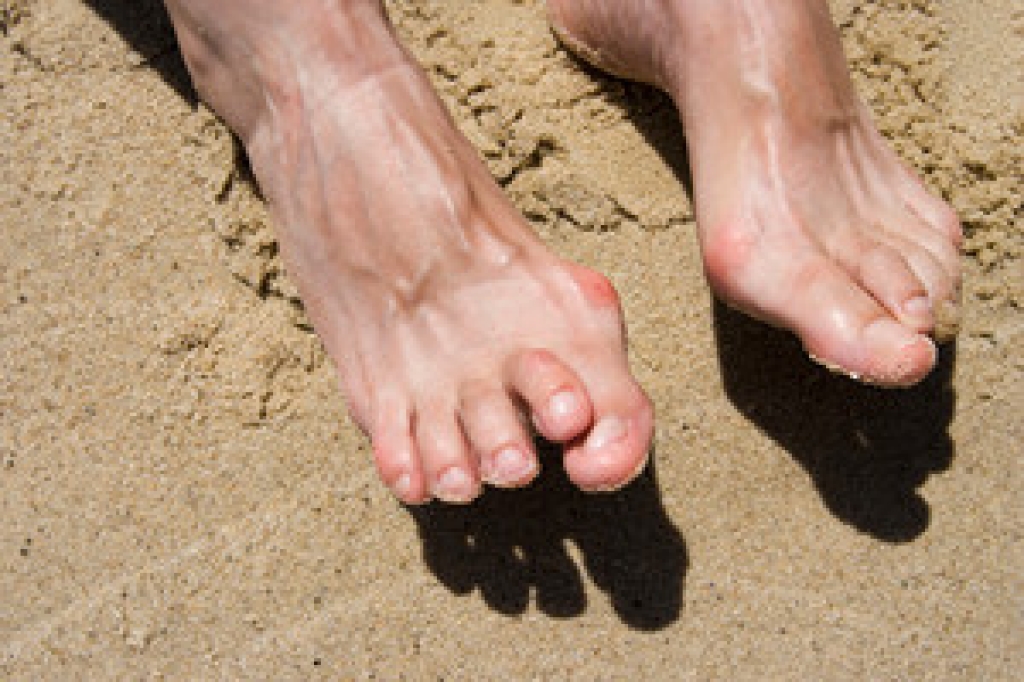
If one of your toe joints points upward instead of lying flat, it might indicate a condition known as hammertoe, where weakened toe muscles exert pressure on tendons and joints. This deformity can hinder walking and limit certain activities. Early intervention and preventive measures can help to avoid complications. Hammertoes affect the proximal interphalangeal joint, or PIPJ, causing the middle joint to flex upward. Ill-fitting shoes, especially those with narrow fronts or high heels, commonly trigger this condition. Rheumatoid arthritis or bunions can also contribute. Treatment includes wearing properly sized shoes and using splints or orthotic inserts. Surgery may be necessary for severe cases. Home exercises like toe stretches can help alleviate symptoms. Prioritize footwear comfort to prevent hammertoes and bunions from forming due to prolonged pressure on the toes. If you have a hammertoe that is causing you discomfort, it is suggested that you make an appointment with a podiatrist for an examination and relief methods.

Hammertoes can be a painful condition to live with. For more information, contact Andrew Katz, DPM of Allcare Foothealth Center. Our doctor will answer any of your foot- and ankle-related questions.

Hammertoe

Hammertoe is a foot deformity that occurs due to an imbalance in the muscles, tendons, or ligaments that normally hold the toe straight. It can be caused by the type of shoes you wear, your foot structure, trauma, and certain disease processes.

Symptoms

  • Painful and/or difficult toe movement
  • Swelling
  • Joint stiffness
  • Calluses/Corns
  • Physical deformity

Risk Factors

  • Age – The risk of hammertoe increases with age
  • Sex – Women are more likely to have hammertoe compared to men
  • Toe Length – You are more likely to develop hammertoe if your second toe is longer than your big toe
  • Certain Diseases – Arthritis and diabetes may make you more likely to develop hammertoe

Treatment

If you have hammertoe, you should change into a more comfortable shoe that provides enough room for your toes. Exercises such as picking up marbles may strengthen and stretch your toe muscles. Nevertheless, it is important to seek assistance from a podiatrist in order to determine the severity of your hammertoe and see which treatment option will work best for you.

If you have any questions, please feel free to contact our office located in Palmdale, CA . We offer the newest diagnostic and treatment technologies for all your foot care needs.
Read more about Hammertoe

Heel Pain From Bursitis

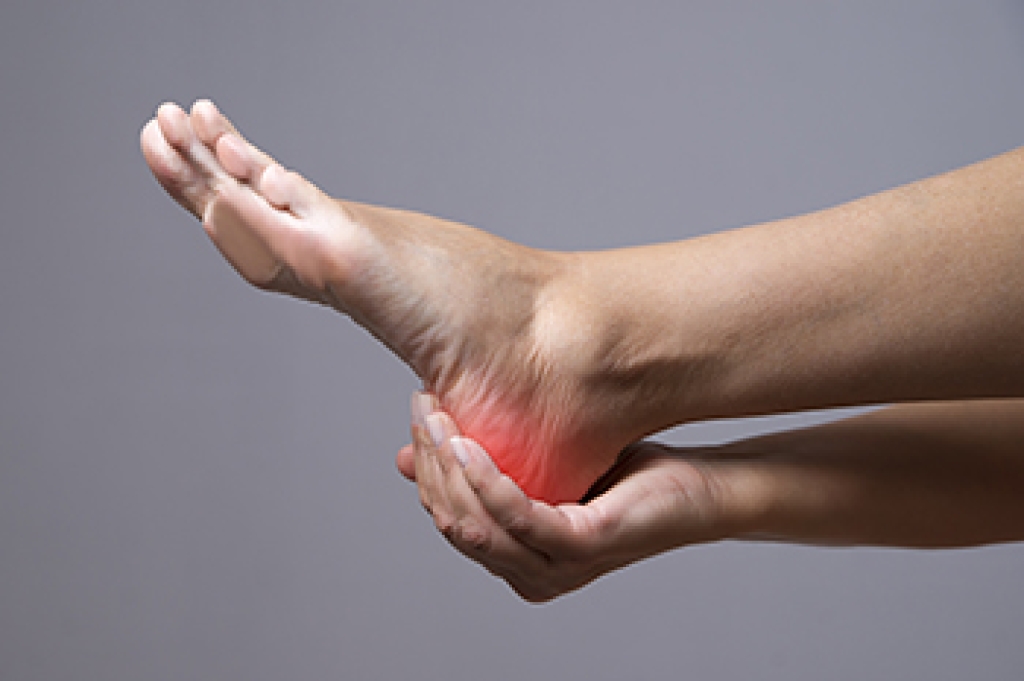
Heel pain can be caused by bursitis, which is a painful swelling of the small fluid-filled sacs called bursae. These bursae act as cushions, reducing friction between tissues such as tendons, ligaments, and bones. When they become inflamed, the result is heel pain and limited mobility, particularly in areas like the back or bottom of the heel. Bursitis typically develops due to repetitive movements or prolonged pressure on a joint. Aging also can lead to the breakdown of the bursa over time. Symptoms often include dull pain, tenderness, and stiffness near the affected area. Swelling and redness may also be present, indicating inflammation. Diagnosing bursitis involves a thorough examination by a podiatrist. After a physical examination of the affected area, further tests such as X-rays, MRI scans, or ultrasound may be necessary. If you are experiencing unexplained heel pain, it is suggested that you schedule an appointment with a podiatrist who can determine if you may be suffering from bursitis.

Many people suffer from bouts of heel pain. For more information, contact Andrew Katz, DPM of Allcare Foothealth Center. Our doctor can provide the care you need to keep you pain-free and on your feet.

Causes of Heel Pain

Heel pain is often associated with plantar fasciitis. The plantar fascia is a band of tissues that extends along the bottom of the foot. A rip or tear in this ligament can cause inflammation of the tissue.

Achilles tendonitis is another cause of heel pain. Inflammation of the Achilles tendon will cause pain from fractures and muscle tearing. Lack of flexibility is also another symptom.

Heel spurs are another cause of pain. When the tissues of the plantar fascia undergo a great deal of stress, it can lead to ligament separation from the heel bone, causing heel spurs.

Why Might Heel Pain Occur?

  • Wearing ill-fitting shoes                
  • Wearing non-supportive shoes
  • Weight change           
  • Excessive running

Treatments

Heel pain should be treated as soon as possible for immediate results. Keeping your feet in a stress-free environment will help. If you suffer from Achilles tendonitis or plantar fasciitis, applying ice will reduce the swelling. Stretching before an exercise like running will help the muscles. Using all these tips will help make heel pain a condition of the past.

If you have any questions, please feel free to contact our office located in Palmdale, CA . We offer the newest diagnostic and treatment technologies for all your foot care needs.
Read more about Heel Pain

Treatment of Chronic Wounds on the Feet

Chronic wounds on the feet, like those from poor circulation, diabetes, pressure, or vein problems, often do not heal properly. In many cases, a podiatrist can tell what is wrong just by looking at the wound. Sometimes, they also need to check the blood flow in the legs and take a small piece of tissue for testing. Treatment for chronic wounds usually involves cleaning the wound, stopping infections, keeping it moist, and caring for the edges. Foot wounds can lead to serious health issues, and it is important to get timely treatment. If you suffer from foot wounds, it is strongly suggested that you make an appointment with a podiatrist for early intervention.

Wound care is an important part in dealing with diabetes. If you have diabetes and a foot wound or would like more information about wound care for diabetics, consult with Andrew Katz, DPM from Allcare Foothealth Center. Our doctor will assess your condition and provide you with quality foot and ankle treatment.

What Is Wound Care?

Wound care is the practice of taking proper care of a wound. This can range from the smallest to the largest of wounds. While everyone can benefit from proper wound care, it is much more important for diabetics. Diabetics often suffer from poor blood circulation which causes wounds to heal much slower than they would in a non-diabetic. 

What Is the Importance of Wound Care?

While it may not seem apparent with small ulcers on the foot, for diabetics, any size ulcer can become infected. Diabetics often also suffer from neuropathy, or nerve loss. This means they might not even feel when they have an ulcer on their foot. If the wound becomes severely infected, amputation may be necessary. Therefore, it is of the upmost importance to properly care for any and all foot wounds.

How to Care for Wounds

The best way to care for foot wounds is to prevent them. For diabetics, this means daily inspections of the feet for any signs of abnormalities or ulcers. It is also recommended to see a podiatrist several times a year for a foot inspection. If you do have an ulcer, run the wound under water to clear dirt from the wound; then apply antibiotic ointment to the wound and cover with a bandage. Bandages should be changed daily and keeping pressure off the wound is smart. It is advised to see a podiatrist, who can keep an eye on it.

If you have any questions please contact our office located in Palmdale, CA . We offer the newest diagnostic and treatment technologies for all your foot and ankle needs.

Read more about Wound Care

Stretches for Healthy and Strong Feet

Maintaining healthy and strong feet is essential for overall well-being and mobility. Incorporating regular stretching exercises into your routine can help improve flexibility, reduce stiffness, and prevent common foot issues. Toe stretches, such as toe flexion and extension, help stretch the muscles and ligaments in the toes, promoting better mobility and preventing conditions like plantar fasciitis. Calf stretches, like the calf raise and wall stretch, target the Achilles tendon and calf muscles, reducing tightness and improving range of motion in the ankles and feet. Arch stretches, such as the towel stretch and golf ball roll, can alleviate discomfort and strengthen the arches of the feet, reducing the risk of conditions like flat feet. Additionally, performing ankle circles and ankle alphabet exercises can help improve ankle stability and mobility, enhancing overall foot function. If you would like information about additional specific foot stretches to practice for healthy, strong feet, it is suggested that you schedule an appointment with a podiatrist.

Exercising your feet regularly with the proper foot wear is a great way to prevent injuries and build strength. If you have any concerns about your feet, contact Andrew Katz, DPM from Allcare Foothealth Center. Our doctor can provide the care you need to keep you pain-free and on your feet.

Exercise for Your Feet

Exercise for your feet can help you gain strength, mobility and flexibility in your feet. They say that strengthening your feet can be just as rewarding as strengthening another part of the body. Your feet are very important, and we often forget about them in our daily tasks. But it is because of our feet that are we able to get going and do what we need to. For those of us fortunate enough to not have any foot problems, it is an important gesture to take care of them to ensure good health in the long run.

Some foot health exercises can include ankle pumps, tip-toeing, toe rises, lifting off the floor doing reps and sets, and flexing the toes. It is best to speak with Our doctor to determine an appropriate regimen for your needs. Everyone’s needs and bodies are different, and the activities required to maintain strength in the feet vary from individual to individual. 

Once you get into a routine of doing regular exercise, you may notice a difference in your feet and how strong they may become.

If you have any questions, please feel free to contact our office located in Palmdale, CA . We offer the newest diagnostic and treatment technologies for all your foot care needs.

Read more about Exercise for Your Feet

How the Right Shoes Help Prevent Toenail Fungus

Toenail fungus, a common and contagious nail infection, can be impacted by footwear. Understanding how shoes can contribute to toenail fungus is the first step toward the prevention and recurrence of fungal infections. Tight, ill-fitting shoes create the right environment for fungus to grow, because these shoes trap sweat and moisture and provide a warm, dark space. Airflow helps keep feet dry, but tighter shoes often don’t have good ventilation. On the other hand, breathable, moisture-wicking footwear can reduce the risk of toenail fungus. Fungal infections are contagious, so it’s best to avoid sharing shoes. Regularly disinfecting shoes can also help prevent the spread of fungal infections. Not only are your feet happier overall when you prioritize comfort, proper fit, and breathability in your shoes, but you also minimize the likelihood of toenail fungus taking hold and persisting. If you suspect toenail fungus, it is suggested you consult with a podiatrist who can provide a treatment plan and personalized recommendations for footwear. 

If left untreated, toenail fungus may spread to other toenails, skin, or even fingernails. If you suspect you have toenail fungus it is important to seek treatment right away. For more information about treatment, contact Andrew Katz, DPM of Allcare Foothealth Center. Our doctor can provide the care you need to keep you pain-free and on your feet.

Symptoms

  • Warped or oddly shaped nails
  • Yellowish nails
  • Loose/separated nail
  • Buildup of bits and pieces of nail fragments under the nail
  • Brittle, broken, thickened nail

Treatment

If self-care strategies and over-the-counter medications does not help your fungus, your podiatrist may give you a prescription drug instead. Even if you find relief from your toenail fungus symptoms, you may experience a repeat infection in the future.

Prevention

In order to prevent getting toenail fungus in the future, you should always make sure to wash your feet with soap and water. After washing, it is important to dry your feet thoroughly especially in between the toes. When trimming your toenails, be sure to trim straight across instead of in a rounded shape. It is crucial not to cover up discolored nails with nail polish because that will prevent your nail from being able to “breathe”.

In some cases, surgical procedure may be needed to remove the toenail fungus. Consult with your podiatrist about the best treatment options for your case of toenail fungus.  

If you have any questions please contact our office located in Palmdale, CA . We offer the newest diagnostic and treatment technologies for all your foot and ankle needs.

Read more about Treating Toenail Fungus

Athletes and Cuboid Syndrome

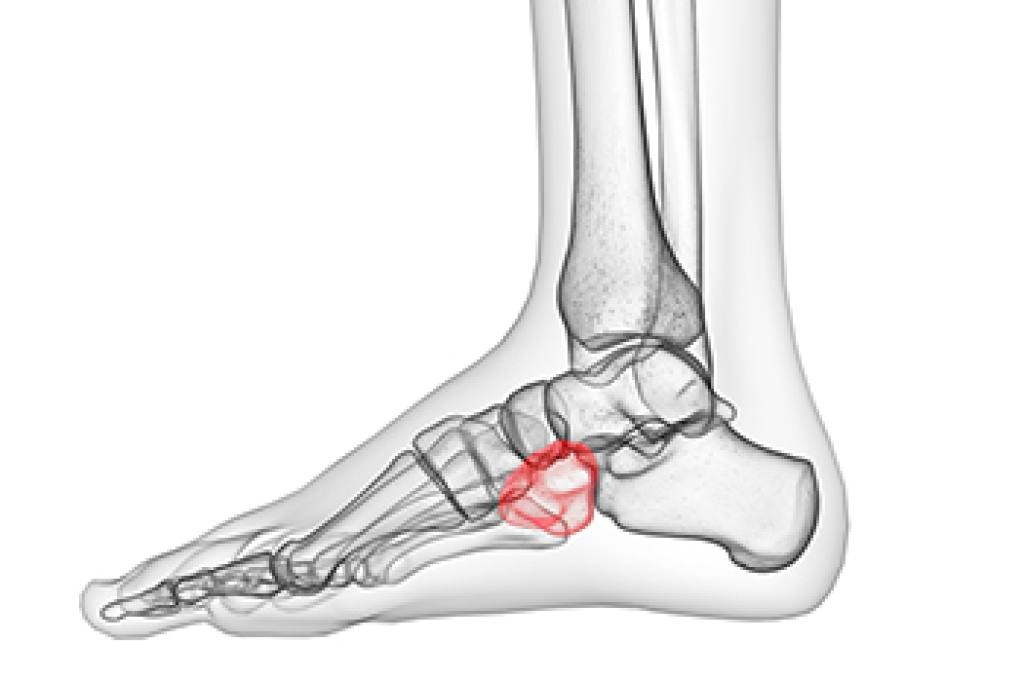
Cuboid syndrome is a foot condition where the cuboid bone in the lateral foot column slips out of place, causing pain and discomfort. It is often mistaken for other foot issues, necessitating a thorough evaluation. The syndrome primarily involves ligament sprains, not fractures or major sprains, and is typically linked to specific movements during activities such as sports or dancing. Symptoms can include significant pain, resembling a fracture, and an altered gait. Swelling and skin discoloration are usually absent, and X-rays may appear normal. Contributing factors include tight footwear, lateral heel wear, and rapid return to lateral-heavy sports after ankle sprains. Addressing biomechanical problems, correcting alignment, and using orthotic padding under the cuboid are often used in management. If you have lateral foot pain, it is suggested that you schedule an appointment with a podiatrist to determine whether you have cuboid syndrome or some other condition. Treatment to alleviate pain and expedite recovery will be provided.

Cuboid syndrome, also known as cuboid subluxation, occurs when the joints and ligaments near the cuboid bone in the foot become torn. If you have cuboid syndrome, consult with Andrew Katz, DPM from Allcare Foothealth Center. Our doctor will assess your condition and provide you with quality foot and ankle treatment.

Cuboid syndrome is a common cause of lateral foot pain, which is pain on the outside of the foot. The condition may happen suddenly due to an ankle sprain, or it may develop slowly overtime from repetitive tension through the bone and surrounding structures.

Causes

The most common causes of cuboid syndrome include:

  • Injury – The most common cause of this ailment is an ankle sprain.
  • Repetitive Strain – Tension placed through the peroneus longus muscle from repetitive activities such as jumping and running may cause excessive traction on the bone causing it to sublux.
  • Altered Foot Biomechanics – Most people suffering from cuboid subluxation have flat feet.

Symptoms

A common symptom of cuboid syndrome is pain along the outside of the foot which can be felt in the ankle and toes. This pain may create walking difficulties and may cause those with the condition to walk with a limp.

Diagnosis

Diagnosis of cuboid syndrome is often difficult, and it is often misdiagnosed. X-rays, MRIs and CT scans often fail to properly show the cuboid subluxation. Although there isn’t a specific test used to diagnose cuboid syndrome, your podiatrist will usually check if pain is felt while pressing firmly on the cuboid bone of your foot.

Treatment

Just as the range of causes varies widely, so do treatments. Some more common treatments are ice therapy, rest, exercise, taping, and orthotics.

If you have any questions, please feel free to contact our office located in Palmdale, CA . We offer the newest diagnostic and treatment technologies for all your foot care needs.

Read more about All About Cuboid Syndrome

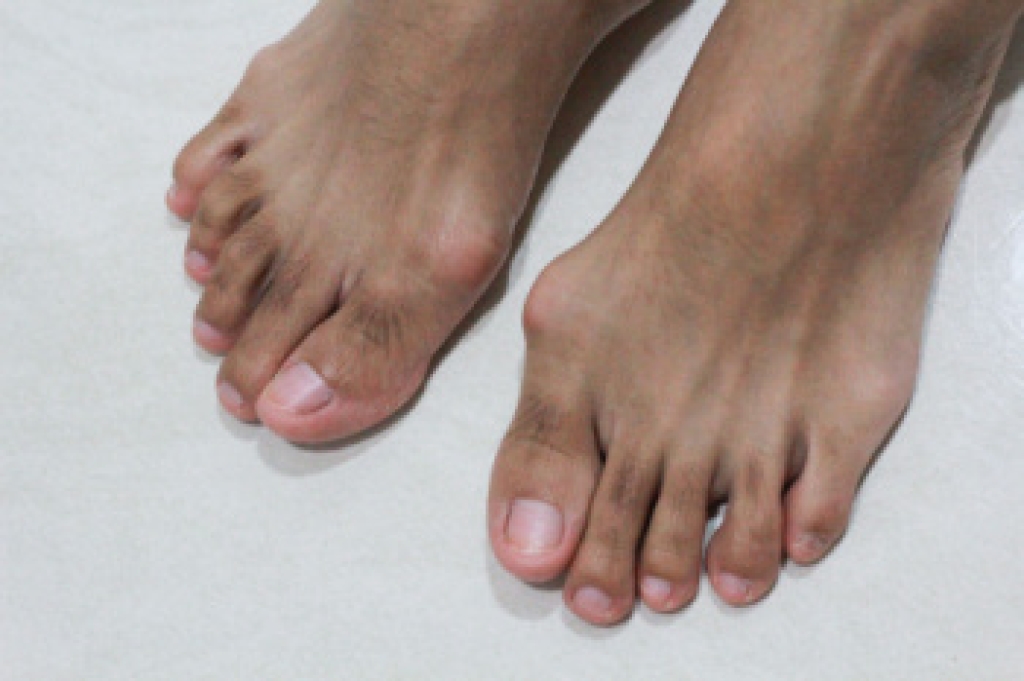
Causes of Bunions

Bunions are bony protrusions that form at the base of the big toe that can become painful and lead to discomfort while walking. Several factors contribute to the development of bunions. One of the most significant causes of bunions is genetics. If bunions run in your family, you are more likely to develop them. Wearing tight, narrow, or high-heeled shoes can force the toes into an unnatural position, increasing the risk of bunions. This type of footwear can squeeze the toes and push them out of alignment over time. Additionally, certain foot shapes and structures can predispose individuals to bunions. People with flat feet or low arches may be more susceptible. Conditions such as rheumatoid arthritis can cause inflammation in the joints of the foot, potentially leading to the formation of bunions. Foot injuries or trauma can disrupt the normal alignment of the toes, promoting bunion development. Occupations that require prolonged standing or walking can increase the pressure on the toes, increasing the likelihood of bunions. Lastly, bunions tend to develop more frequently as individuals age and wear and tear on the joints accumulate over time. If you have a bunion that is causing you discomfort, it is suggested that you schedule an appointment with a podiatrist who can talk to you about treatments that are right for you.

If you are suffering from bunions, contact Andrew Katz, DPM of Allcare Foothealth Center. Our doctor can provide the care you need to keep you pain-free and on your feet.

What Is a Bunion?

A bunion is formed of swollen tissue or an enlargement of boney growth, usually located at the base joint of the toe that connects to the foot. The swelling occurs due to the bones in the big toe shifting inward, which impacts the other toes of the foot. This causes the area around the base of the big toe to become inflamed and painful.

Why Do Bunions Form?

Genetics – Susceptibility to bunions are often hereditary

Stress on the feet – Poorly fitted and uncomfortable footwear that places stress on feet, such as heels, can worsen existing bunions

How Are Bunions Diagnosed?

Doctors often perform two tests – blood tests and x-rays – when trying to diagnose bunions, especially in the early stages of development. Blood tests help determine if the foot pain is being caused by something else, such as arthritis, while x-rays provide a clear picture of your bone structure to your doctor.

How Are Bunions Treated?

  • Refrain from wearing heels or similar shoes that cause discomfort
  • Select wider shoes that can provide more comfort and reduce pain
  • Anti-inflammatory and pain management drugs
  • Orthotics or foot inserts
  • Surgery

If you have any questions, please feel free to contact our office located in Palmdale, CA . We offer the newest diagnostic and treatment technologies for all your foot care needs.
Read more about Bunions

Connect With Us