Diabetic Foot Problems

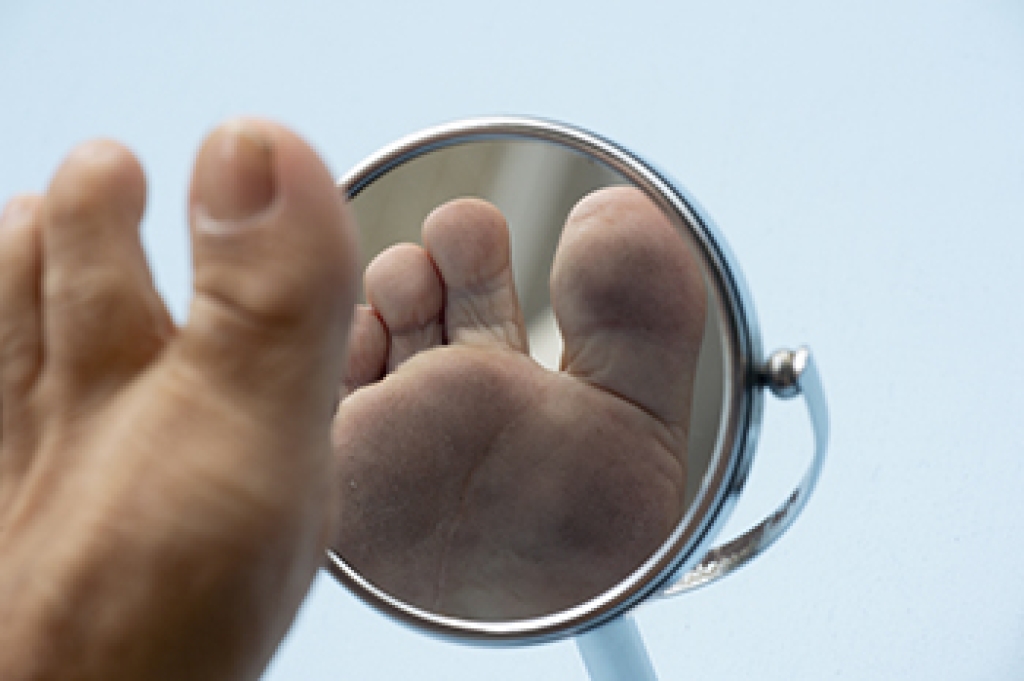
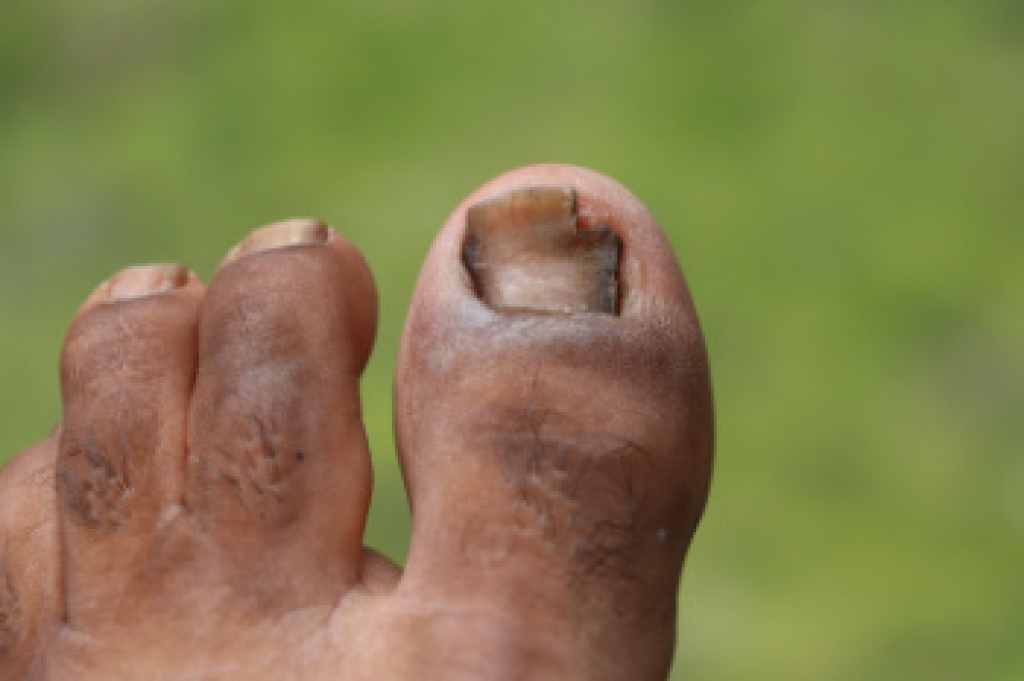
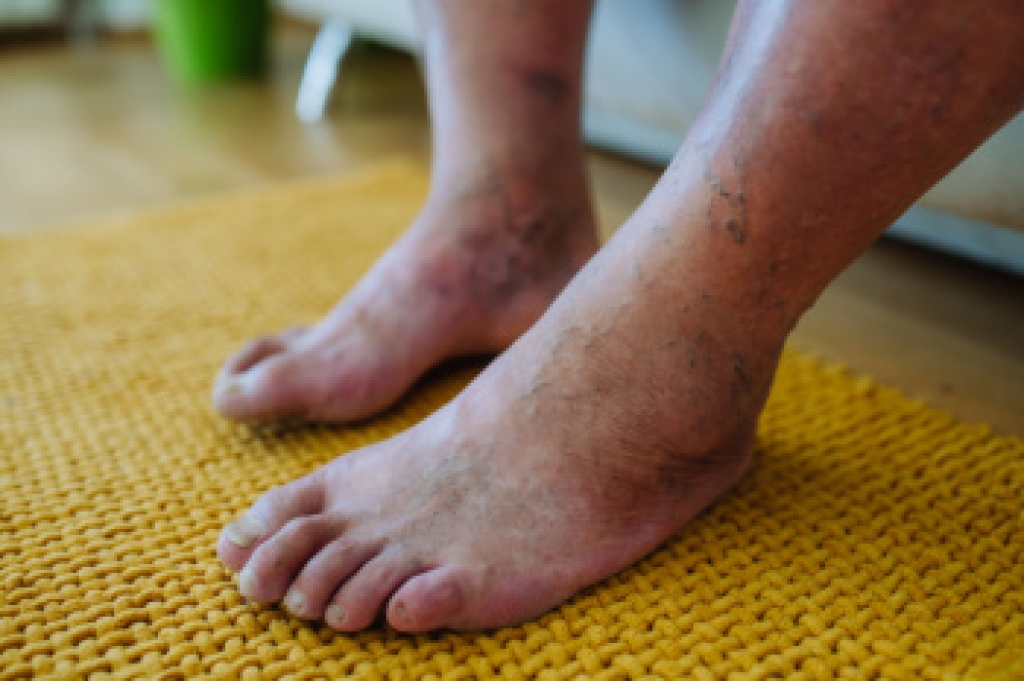
Diabetes can lead to various foot problems due to its effects on circulation and nerve function. Peripheral neuropathy, a common complication of diabetes, causes numbness, tingling, or loss of sensation in the feet, increasing the risk of injuries going unnoticed. Poor circulation can impair wound healing, leading to infections and ulcers. To give themselves the best chance of maintaining healthy feet, individuals with diabetes should prioritize proper foot care. This includes daily inspection for any cuts, blisters, or changes in skin color or temperature, wearing well-fitted shoes and socks, and keeping blood sugar levels under control. Regular visits to a podiatrist are important for diabetic foot care. Podiatrists can perform comprehensive foot exams, provide guidance on preventive measures, such as proper nail trimming and callus removal, and offer treatment for foot conditions, including wound care, infection management, and custom-made orthotic devices to alleviate pressure points. If you have diabetes, it is strongly suggested that you are under a podiatrist’s care to prevent and manage diabetic foot problems.

Diabetic foot care is important in preventing foot ailments such as ulcers. If you are suffering from diabetes or have any other concerns about your feet, contact Andrew Katz, DPM from Allcare Foothealth Center. Our doctor can provide the care you need to keep you pain-free and on your feet.

Diabetic Foot Care

Diabetes affects millions of people every year. The condition can damage blood vessels in many parts of the body, especially the feet. Because of this, taking care of your feet is essential if you have diabetes, and having a podiatrist help monitor your foot health is highly recommended.

The Importance of Caring for Your Feet

  • Routinely inspect your feet for bruises or sores.
  • Wear socks that fit your feet comfortably.
  • Wear comfortable shoes that provide adequate support.

Patients with diabetes should have their doctor monitor their blood levels, as blood sugar levels play such a huge role in diabetic care. Monitoring these levels on a regular basis is highly advised.

It is always best to inform your healthcare professional of any concerns you may have regarding your feet, especially for diabetic patients. Early treatment and routine foot examinations are keys to maintaining proper health, especially because severe complications can arise if proper treatment is not applied.

If you have any questions, please feel free to contact our office located in Palmdale, CA . We offer the newest diagnostic and treatment technologies for all your foot care needs.

Read more about Diabetic Foot Care

Causes of Chronic Cold Feet

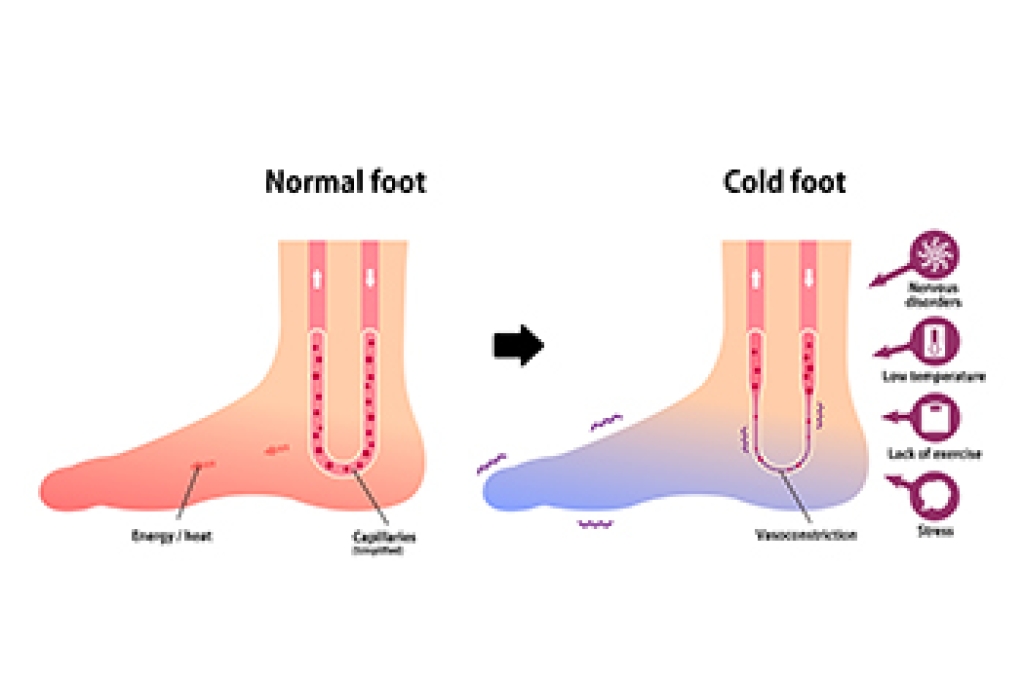
Finding the cause of cold feet is important for both comfort and overall health. While environmental factors may contribute to occasional coldness in the extremities, persistent cold feet could indicate underlying issues. One major issue is poor circulation, often linked to heart conditions, sedentary lifestyles, or smoking. Iron-deficiency anemia is another common cause of cold feet, necessitating dietary changes and supplementation. Diabetes, particularly types 1 and 2, can lead to cold feet from nerve damage, underscoring the importance of blood sugar management. Further, hypothyroidism, peripheral vascular disease, Raynaud’s phenomenon, and arteriosclerosis can all contribute to cold feet. If you are experiencing recurrent cold feet or associated symptoms, like numbness or tingling, it's suggested that you make an appointment with a podiatrist for an evaluation, diagnosis, and treatment options. 

Poor circulation is a serious condition and needs immediate medical attention. If you have any concerns with poor circulation in your feet contact Andrew Katz, DPM of Allcare Foothealth Center. Our doctor will treat your foot and ankle needs.

Poor Circulation in the Feet

Poor blood circulation in the feet and legs is can be caused by peripheral artery disease (PAD), which is the result of a buildup of plaque in the arteries.

Plaque buildup or atherosclerosis results from excess calcium and cholesterol in the bloodstream. This can restrict the amount of blood which can flow through the arteries. Poor blood circulation in the feet and legs are sometimes caused by inflammation in the blood vessels, known as vasculitis.

Causes

Lack of oxygen and oxygen from poor blood circulation restricts muscle growth and development. It can also cause:

  • Muscle pain, stiffness, or weakness 
  • Numbness or cramping in the legs
  • Skin discoloration
  • Slower nail & hair growth
  • Erectile dysfunction

Those who have diabetes or smoke are at greatest risk for poor circulation, as are those who are over 50. If you have poor circulation in the feet and legs it may be caused by PAD and is important to make changes to your lifestyle in order to reduce risk of getting a heart attack or stroke. Exercise and maintaining a healthy lifestyle will dramatically improve conditions.

As always, see a podiatrist as he or she will assist in finding a regimen that suits you. A podiatrist can also prescribe you any needed medication. 

If you have any questions, please feel free to contact our office located in Palmdale, CA . We offer the newest diagnostic and treatment technologies for all your foot care needs.

Read more about Causes Symptoms and Treatment for Poor Circulation in the Feet

What Is Ainhum and How Podiatrists Can Help?

Ainhum is a rare condition characterized by the spontaneous development of a constricting band around the base of the fifth toe. This can lead to progressive constriction, tissue loss, and eventual auto-amputation if left untreated. Podiatrists play a vital role in diagnosing and managing ainhum. They can provide early intervention by carefully monitoring the condition and relieving pressure on the affected toe. These foot doctors can offer treatments, such as surgical release of the constricting band or orthotic devices to alleviate discomfort and prevent further tissue damage. Podiatrists also can educate patients about proper foot care techniques and regular monitoring to detect any changes in the condition early on. If you notice a ring around one of your toes with a squeezing sensation, it is strongly suggested that you make an appointment with a podiatrist for a timely diagnosis and immediate treatment.

Some foot conditions may require additional professional care. If you have any concerns, contact Andrew Katz, DPM of Allcare Foothealth Center. Our doctor can provide the care you need to keep you pain-free and on your feet.

Rare Foot Conditions

The majority of foot conditions are common and can be treated by a podiatrist.  Standard diagnostic procedures are generally used to identify specific conditions and treatment can be rendered. A podiatrist also treats rare foot conditions which can be difficult to diagnose and may need extra attention and care. 

There are many rare foot conditions that can affect children. Some of these can include:

  • Freiberg’s disease
  • Kohler’s disease
  • Maffucci syndrome

Freiberg’s disease - This can be seen as a deterioration and flattening of a metatarsal bone that exists in the ball of the foot. It typically affects pre-teen and teenage girls, but can affect anyone at any age. Symptoms that can accompany this can be swelling, stiffness, and the patient may limp. 

Kohler’s disease - This often targets the bone in the arch of the foot and affects younger boys. It can lead to an interruption of the blood supply which ultimately can lead to bone deterioration. The patient may limp or experience tenderness, swelling, and redness.

Maffucci syndrome - This affects the long bones in a child’s foot leading to the development of abnormal bone lesions. They are benign growths and typically develop in early childhood and the bones may be susceptible to breaking. 

A podiatrist can properly diagnose and treat all types of rare foot conditions. If your child is affected by any of these symptoms or conditions, please don’t hesitate to call our office so the correct treatment method can begin.

If you have any questions, please feel free to contact our office located in Palmdale, CA . We offer the newest diagnostic and treatment technologies for all your foot care needs.
Read more about Rare Foot Conditions

Are You Suffering From Nerve Damage?

Neuropathy is a condition that can lead to numbness or loss of sensation in the feet, but it can also cause pain. This condition is more likely to develop for those who are diabetic, obese, or with high blood pressure.

Preventing Hammertoe

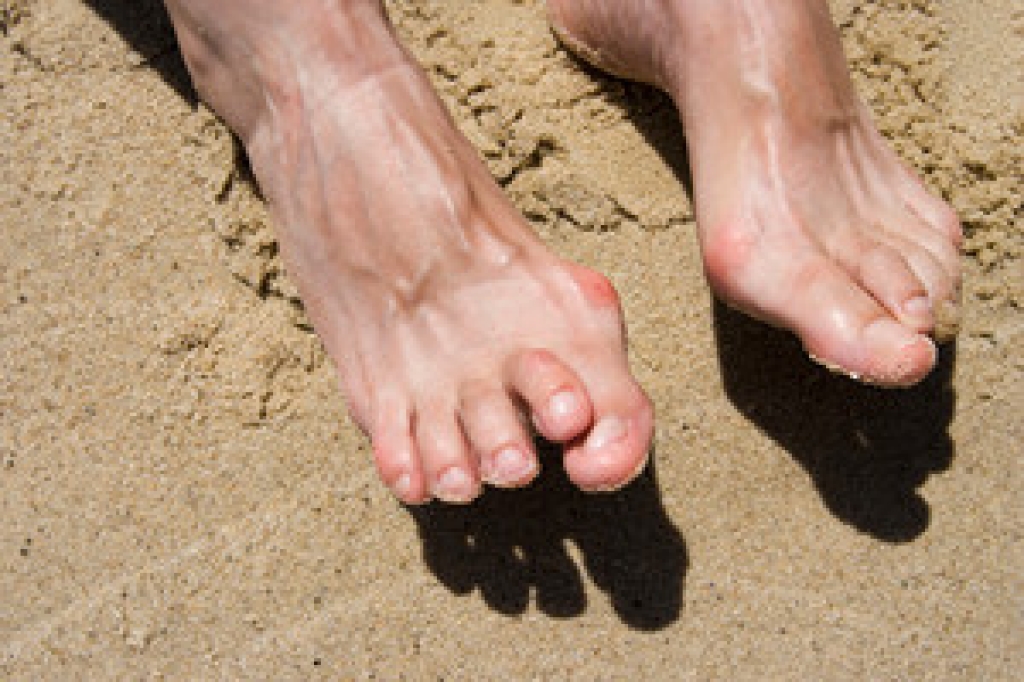
If one of your toe joints points upward instead of lying flat, it might indicate a condition known as hammertoe, where weakened toe muscles exert pressure on tendons and joints. This deformity can hinder walking and limit certain activities. Early intervention and preventive measures can help to avoid complications. Hammertoes affect the proximal interphalangeal joint, or PIPJ, causing the middle joint to flex upward. Ill-fitting shoes, especially those with narrow fronts or high heels, commonly trigger this condition. Rheumatoid arthritis or bunions can also contribute. Treatment includes wearing properly sized shoes and using splints or orthotic inserts. Surgery may be necessary for severe cases. Home exercises like toe stretches can help alleviate symptoms. Prioritize footwear comfort to prevent hammertoes and bunions from forming due to prolonged pressure on the toes. If you have a hammertoe that is causing you discomfort, it is suggested that you make an appointment with a podiatrist for an examination and relief methods.

Hammertoes can be a painful condition to live with. For more information, contact Andrew Katz, DPM of Allcare Foothealth Center. Our doctor will answer any of your foot- and ankle-related questions.

Hammertoe

Hammertoe is a foot deformity that occurs due to an imbalance in the muscles, tendons, or ligaments that normally hold the toe straight. It can be caused by the type of shoes you wear, your foot structure, trauma, and certain disease processes.

Symptoms

  • Painful and/or difficult toe movement
  • Swelling
  • Joint stiffness
  • Calluses/Corns
  • Physical deformity

Risk Factors

  • Age – The risk of hammertoe increases with age
  • Sex – Women are more likely to have hammertoe compared to men
  • Toe Length – You are more likely to develop hammertoe if your second toe is longer than your big toe
  • Certain Diseases – Arthritis and diabetes may make you more likely to develop hammertoe

Treatment

If you have hammertoe, you should change into a more comfortable shoe that provides enough room for your toes. Exercises such as picking up marbles may strengthen and stretch your toe muscles. Nevertheless, it is important to seek assistance from a podiatrist in order to determine the severity of your hammertoe and see which treatment option will work best for you.

If you have any questions, please feel free to contact our office located in Palmdale, CA . We offer the newest diagnostic and treatment technologies for all your foot care needs.
Read more about Hammertoe

Connect With Us