Treating Foot and Ankle Injuries in Football Players

Football places intense stress on the feet and ankles, making injuries in these areas quite common. Sprains, turf toe, fractures, and Achilles tendon issues often happen during quick movements, tackles, or sudden changes in direction. For many athletes, non-surgical treatment is enough. This may include rest, bracing, targeted exercises, and a gradual return to play. Wearing proper footwear and custom orthotics can also help support healing and prevent reinjury. However, when injuries are severe, like torn ligaments or broken bones that do not heal correctly, surgery might be necessary to restore function and stability. Early diagnosis and the right treatment plan can make all the difference in how well and how quickly an athlete recovers. If foot or ankle pain continues after a game or practice, or if there is swelling, bruising, or trouble bearing weight, it is suggested that you see a podiatrist.

Sports related foot and ankle injuries require proper treatment before players can go back to their regular routines. For more information, contact Andrew Katz, DPM of Allcare Foothealth Center. Our doctor can provide the care you need to keep you pain-free and on your feet.

Sports Related Foot and Ankle Injuries

Foot and ankle injuries are a common occurrence when it comes to athletes of any sport. While many athletes dismiss the initial aches and pains, the truth is that ignoring potential foot and ankle injuries can lead to serious problems. As athletes continue to place pressure and strain the area further, a mild injury can turn into something as serious as a rupture and may lead to a permanent disability. There are many factors that contribute to sports related foot and ankle injuries, which include failure to warm up properly, not providing support or wearing bad footwear. Common injuries and conditions athletes face, including:

  • Plantar Fasciitis
  • Achilles Tendinitis
  • Achilles Tendon Rupture
  • Ankle Sprains

Sports related injuries are commonly treated using the RICE method. This includes rest, applying ice to the injured area, compression and elevating the ankle. More serious sprains and injuries may require surgery, which could include arthroscopic and reconstructive surgery. Rehabilitation and therapy may also be required in order to get any recovering athlete to become fully functional again. Any unusual aches and pains an athlete sustains must be evaluated by a licensed, reputable medical professional.

If you have any questions please contact our office located in Palmdale, CA . We offer the newest diagnostic and treatment technologies for all your foot and ankle needs.


Read more about Sports Related Foot And Ankle Injuries

Let the Expert Treat Your Ingrown Toenails

Ingrown toenails can be painful and can make wearing shoes or walking uncomfortable. Seek professional help if you believe you've developed an ingrown toenail and be treated safely. 

How Wearing High Heels Can Cause Foot Swelling

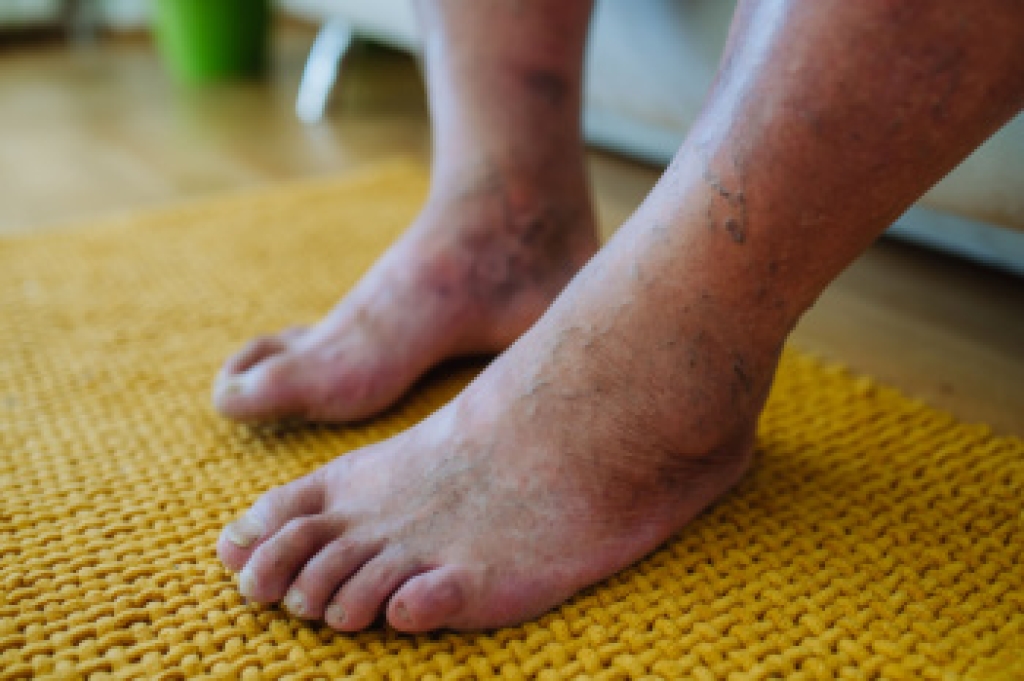
Wearing high heels for extended periods of time can lead to foot swelling due to the unnatural position they force on the feet. High heels shift body weight forward onto the balls of the feet, placing excessive pressure on the forefoot and toes. This uneven distribution of weight can restrict blood flow and cause fluid to accumulate in the lower extremities. The lack of proper arch support and narrow toe boxes in many high heels can also compress nerves and blood vessels, further contributing to swelling and discomfort. Over time, this pressure can lead to inflammation, pain, and even more serious foot conditions. Choosing footwear with better support, cushioning, and a lower heel can help reduce swelling and protect long-term foot health while still allowing for stylish options. If you have foot pain from wearing high heels, it is suggested that you contact a podiatrist who can treat various foot conditions, and guide you on appropriate heel selections.

High heels have a history of causing foot and ankle problems. If you have any concerns about your feet or ankles, contact Andrew Katz, DPM from Allcare Foothealth Center. Our doctor can provide the care you need to keep you pain-free and on your feet.

Effects of High Heels on the Feet

High heels are popular shoes among women because of their many styles and societal appeal.  Despite this, high heels can still cause many health problems if worn too frequently.

Which Parts of My Body Will Be Affected by High Heels?

  • Ankle Joints
  • Achilles Tendon – May shorten and stiffen with prolonged wear
  • Balls of the Feet
  • Knees – Heels cause the knees to bend constantly, creating stress on them
  • Back – They decrease the spine’s ability to absorb shock, which may lead to back pain.  The vertebrae of the lower back may compress.

What Kinds of Foot Problems Can Develop from Wearing High Heels?

  • Corns
  • Calluses
  • Hammertoe
  • Bunions
  • Morton’s Neuroma
  • Plantar Fasciitis

How Can I Still Wear High Heels and Maintain Foot Health?

If you want to wear high heeled shoes, make sure that you are not wearing them every day, as this will help prevent long term physical problems.  Try wearing thicker heels as opposed to stilettos to distribute weight more evenly across the feet.  Always make sure you are wearing the proper shoes for the right occasion, such as sneakers for exercising.  If you walk to work, try carrying your heels with you and changing into them once you arrive at work.  Adding inserts to your heels can help cushion your feet and absorb shock. Full foot inserts or metatarsal pads are available. 

If you have any questions, please feel free to contact our office located in Palmdale, CA . We offer the newest diagnostic and treatment technologies for all your foot care needs.

Read more about Effect of High Heels on the Feet

Facts About Sesamoiditis

Sesamoiditis is a condition that involves inflammation of the small sesamoid bones located beneath the big toe joint. These bones help absorb pressure and assist in movement, but excessive strain can lead to irritation and pain. Common causes of sesamoiditis include repetitive stress from activities like running, dancing, and jumping, as well as wearing high heels or improper footwear. Individuals with high arches or an abnormal foot structure may also be more prone to developing this condition. Symptoms often include pain beneath the big toe, swelling, and difficulty bending or moving the toe. The discomfort may worsen with activity and improve with rest. If you have pain in this part of your foot, it is suggested that you consult a podiatrist who can accurately diagnose and treat sesamoiditis.

Sesamoiditis is an unpleasant foot condition characterized by pain in the balls of the feet. If you think you’re struggling with sesamoiditis, contact Andrew Katz, DPM of Allcare Foothealth Center. Our doctor will treat your condition thoroughly and effectively.

Sesamoiditis

Sesamoiditis is a condition of the foot that affects the ball of the foot. It is more common in younger people than it is in older people. It can also occur with people who have begun a new exercise program, since their bodies are adjusting to the new physical regimen. Pain may also be caused by the inflammation of tendons surrounding the bones. It is important to seek treatment in its early stages because if you ignore the pain, this condition can lead to more serious problems such as severe irritation and bone fractures.

Causes of Sesamoiditis

  • Sudden increase in activity
  • Increase in physically strenuous movement without a proper warm up or build up
  • Foot structure: those who have smaller, bonier feet or those with a high arch may be more susceptible

Treatment for sesamoiditis is non-invasive and simple. Doctors may recommend a strict rest period where the patient forgoes most physical activity. This will help give the patient time to heal their feet through limited activity. For serious cases, it is best to speak with your doctor to determine a treatment option that will help your specific needs.

If you have any questions, please feel free to contact our office located in Palmdale, CA . We offer the newest diagnostic and treatment technologies for all your foot care needs.

Read more about Sesamoiditis

Causes of Trigger Toe in Dancers

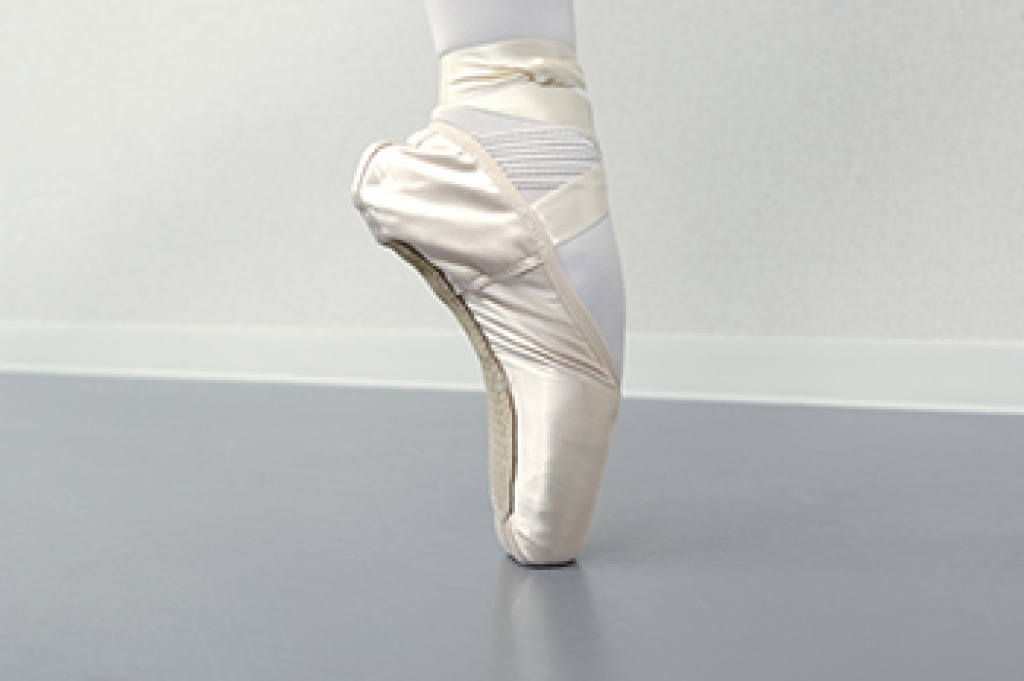
A condition known as trigger toe affects the movement of the big toe, often causing pain and difficulty in extending it. Trigger toe is most common among dancers, particularly when they engage in repetitive motion. Trigger toe occurs when the flexor hallucis longus, or FHL, tendon becomes irritated or inflamed, and is unable to glide smoothly within its sheath. This tendon runs along the inside of the ankle, passes behind the bony bump on the inner ankle, and continues along the sole of the foot to attach at the base of the big toe. It helps point the big toe and is used in movements like rising onto the toe. Symptoms of trigger toe include pain, stiffness, or a catching feeling in the toe. A podiatrist can conduct a physical exam and order imaging tests to diagnose the problem. Recovery may take four to six weeks, involving targeted stretches, supportive devices, and limited activity. In extreme cases, surgery may be needed to release the affected tendon. If you are experiencing difficulty extending your big toe, it is suggested that you schedule an appointment with a podiatrist for an exam, diagnosis, and appropriate treatment.

Toe pain can disrupt your daily activities. If you have any concerns, contact Andrew Katz, DPM of Allcare Foothealth Center. Our doctor can provide the care you need to keep you pain-free and on your feet.

What Causes Toe Pain?

Most severe toe pain is caused due to a sports injury, trauma from dropping something heavy on the toe, or bumping into something rigid. Other problems can develop over time for various reasons.

Toe pain can be caused by one or more ailments. The most common include:

  • Trauma
  • Sports injury
  • Wearing shoes that are too tight
  • Arthritis
  • Gout
  • Corns and calluses
  • Hammertoe
  • Bunions
  • Blisters
  • Ingrown toenails
  • Sprains
  • Fractures (broken bones)
  • Dislocations

When to See a Podiatrist

  • Severe pain
  • Persistent pain that lasts more than a week
  • Signs of infection
  • Continued swelling
  • Pain that prevents walking

Diagnosis

In many cases the cause of toe pain is obvious, but in others, a podiatrist may want to use more advanced methods to determine the problem. These can range from simple visual inspections and sensation tests to X-rays and MRI scans. Prior medical history, family medical history, and any recent physical traumatic events will all be taken into consideration for a proper diagnosis.

Treatment

Treatments for toe pain and injuries vary and may include shoe inserts, padding, taping, medicines, injections, and in some cases, surgery. If you believe that you have broken a toe, please see a podiatrist as soon as possible.

If you have any questions please contact our office located in Palmdale, CA . We offer the newest diagnostic and treatment technologies for all your foot and ankle needs.
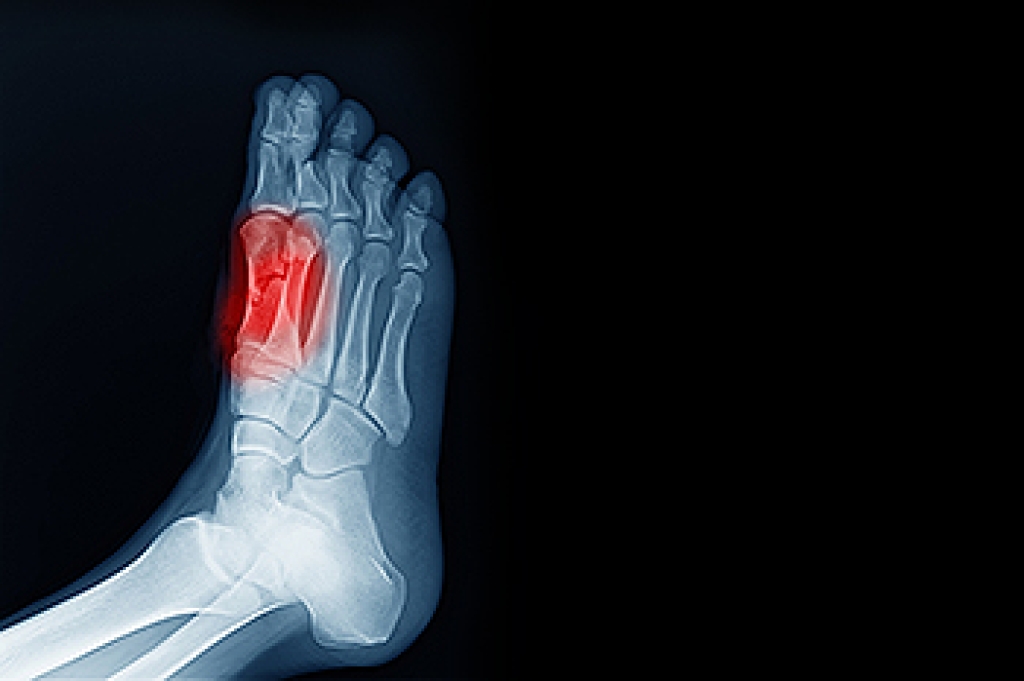
Read more about Toe Pain

How Serious Is My Heel Pain?

Heel pain can be incredibly debilitating, impacting daily activities and mobility. Common causes include plantar fasciitis, Achilles tendonitis, and heel spurs. Symptoms often include sharp or dull pain in the heel or the underside of the foot, particularly after periods of rest. Effective treatment options involve exercises to reduce discomfort and inflammation. Wearing supportive footwear with proper cushioning can also help provide relief. However, obtaining an accurate diagnosis from a podiatrist is essential for a tailored treatment plan. They can recommend specific exercises or, in more severe cases, corticosteroid injections. If heel pain persists or worsens, it is suggested that you schedule an appointment with a podiatrist. Their expertise ensures you receive targeted care and a treatment plan that addresses the root cause of your discomfort.

Many people suffer from bouts of heel pain. For more information, contact Andrew Katz, DPM of Allcare Foothealth Center. Our doctor can provide the care you need to keep you pain-free and on your feet.

Causes of Heel Pain

Heel pain is often associated with plantar fasciitis. The plantar fascia is a band of tissues that extends along the bottom of the foot. A rip or tear in this ligament can cause inflammation of the tissue.

Achilles tendonitis is another cause of heel pain. Inflammation of the Achilles tendon will cause pain from fractures and muscle tearing. Lack of flexibility is also another symptom.

Heel spurs are another cause of pain. When the tissues of the plantar fascia undergo a great deal of stress, it can lead to ligament separation from the heel bone, causing heel spurs.

Why Might Heel Pain Occur?

  • Wearing ill-fitting shoes                
  • Wearing non-supportive shoes
  • Weight change           
  • Excessive running

Treatments

Heel pain should be treated as soon as possible for immediate results. Keeping your feet in a stress-free environment will help. If you suffer from Achilles tendonitis or plantar fasciitis, applying ice will reduce the swelling. Stretching before an exercise like running will help the muscles. Using all these tips will help make heel pain a condition of the past.

If you have any questions, please feel free to contact our office located in Palmdale, CA . We offer the newest diagnostic and treatment technologies for all your foot care needs.

Read more about Heel Pain

Common and Uncommon Causes of Ankle Pain

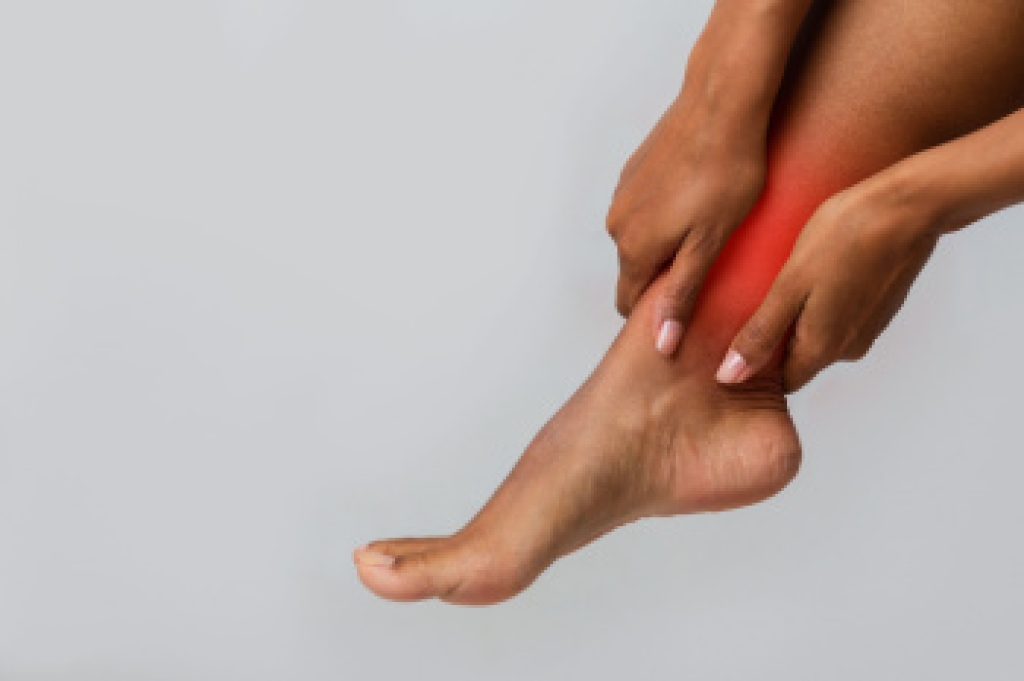
Ankle pain can stem from various conditions, ranging from everyday injuries to underlying medical issues. Common causes include sprains, strains, fractures, and arthritis, which can lead to swelling, stiffness, and discomfort. Overuse injuries, such as tendonitis, are also frequent, especially in athletes and active individuals. Less common causes of ankle pain include nerve compression, gout, infections, or vascular issues, which may result in persistent or worsening symptoms. Structural problems, like flat feet or high arches, can also contribute to chronic discomfort. Ignoring ankle pain may lead to long-term mobility issues. If you are experiencing ongoing pain, swelling, or instability of your ankles, it is suggested that you consult a podiatrist for a proper diagnosis and appropriate care.

Ankle pain can be caused by a number of problems and may be potentially serious. If you have ankle pain, consult with Andrew Katz, DPM from Allcare Foothealth Center. Our doctor will assess your condition and provide you with quality foot and ankle treatment.

Ankle pain is any condition that causes pain in the ankle. Due to the fact that the ankle consists of tendons, muscles, bones, and ligaments, ankle pain can come from a number of different conditions.

Causes

The most common causes of ankle pain include:

  • Types of arthritis (rheumatoid, osteoarthritis, and gout)
  • Ankle sprains
  • Broken ankles
  • Achilles tendonitis
  • Achilles tendon rupture
  • Stress fractures
  • Bursitis
  • Tarsal tunnel syndrome
  • Plantar fasciitis

Symptoms

Symptoms of ankle injury vary based upon the condition. Pain may include general pain and discomfort, swelling, aching, redness, bruising, burning or stabbing sensations, and/or loss of sensation.

Diagnosis

Due to the wide variety of potential causes of ankle pain, podiatrists will utilize a number of different methods to properly diagnose ankle pain. This can include asking for personal and family medical histories and of any recent injuries. Further diagnosis may include sensation tests, a physical examination, and potentially x-rays or other imaging tests.

Treatment

Just as the range of causes varies widely, so do treatments. Some more common treatments are rest, ice packs, keeping pressure off the foot, orthotics and braces, medication for inflammation and pain, and surgery.

If you have any questions please feel free to contact our office located in Palmdale, CA . We offer the newest diagnostic tools and technology to treat your foot and ankle needs.

Read more about Ankle Pain

Reminder: When Was the Last Time...?

Custom orthotics, or shoe inserts, should be periodically replaced. Orthotics must fit properly to give you the best results. Protect your feet and ankles!

The Importance of Diabetic Foot Care

Proper foot care is essential for individuals with diabetes to prevent serious complications. Keeping the feet clean by washing them daily with mild soap and warm water helps reduce the risk of infections. Thoroughly drying the feet, especially between the toes, prevents excess moisture that can lead to fungal infections. Moisturizing dry skin is important to prevent cracks that may allow bacteria to enter. Regularly inspecting the feet for cuts, blisters, or changes in skin color can help detect problems early. Practicing healthy foot habits, such as wearing well-fitted shoes and avoiding walking barefoot, reduces the risk of injuries. Poor circulation and nerve damage associated with diabetes make foot care a priority. If you have diabetes, it is strongly suggested that you are under the care of a podiatrist who can help you to manage this serious condition.

Diabetic foot care is important in preventing foot ailments such as ulcers. If you are suffering from diabetes or have any other concerns about your feet, contact Andrew Katz, DPM from Allcare Foothealth Center. Our doctor can provide the care you need to keep you pain-free and on your feet.

Diabetic Foot Care

Diabetes affects millions of people every year. The condition can damage blood vessels in many parts of the body, especially the feet. Because of this, taking care of your feet is essential if you have diabetes, and having a podiatrist help monitor your foot health is highly recommended.

The Importance of Caring for Your Feet

  • Routinely inspect your feet for bruises or sores.
  • Wear socks that fit your feet comfortably.
  • Wear comfortable shoes that provide adequate support.

Patients with diabetes should have their doctor monitor their blood levels, as blood sugar levels play such a huge role in diabetic care. Monitoring these levels on a regular basis is highly advised.

It is always best to inform your healthcare professional of any concerns you may have regarding your feet, especially for diabetic patients. Early treatment and routine foot examinations are keys to maintaining proper health, especially because severe complications can arise if proper treatment is not applied.

If you have any questions, please feel free to contact our office located in Palmdale, CA . We offer the newest diagnostic and treatment technologies for all your foot care needs.

Read more about Diabetic Foot Conditions

What Are Diabetic Blisters?

Diabetic blisters are a common yet often overlooked complication of diabetes. These blisters typically appear on the feet and legs and are filled with clear fluid. They can be painless at first but may become sore or irritated if left untreated. Diabetic blisters are more likely to form due to poor circulation and nerve damage caused by high blood sugar levels, which makes the skin more fragile and susceptible to injury. While these blisters often heal on their own, they can become infected if not properly cared for. A podiatrist can help by properly cleaning and dressing the blister to reduce the risk of infection. This type of doctor may also advise on keeping the area protected and suggest ways to prevent further blisters. Additionally, a podiatrist may recommend custom footwear, or orthotics to reduce friction and pressure on the feet. If you have diabetes and have developed blisters, it is suggested that you are under the care of a podiatrist who can help you to manage this serious condition. 

Blisters are prone to making everyday activities extremely uncomfortable. If your feet are hurting, contact Andrew Katz, DPM of Allcare Foothealth Center. Our doctor can provide the care you need to keep you pain-free and on your feet.

Foot Blisters

Foot blisters develop as a result of constantly wearing tight or ill-fitting footwear. This happens due to the constant rubbing from the shoe, which can often lead to pain.

What Are Foot Blisters?

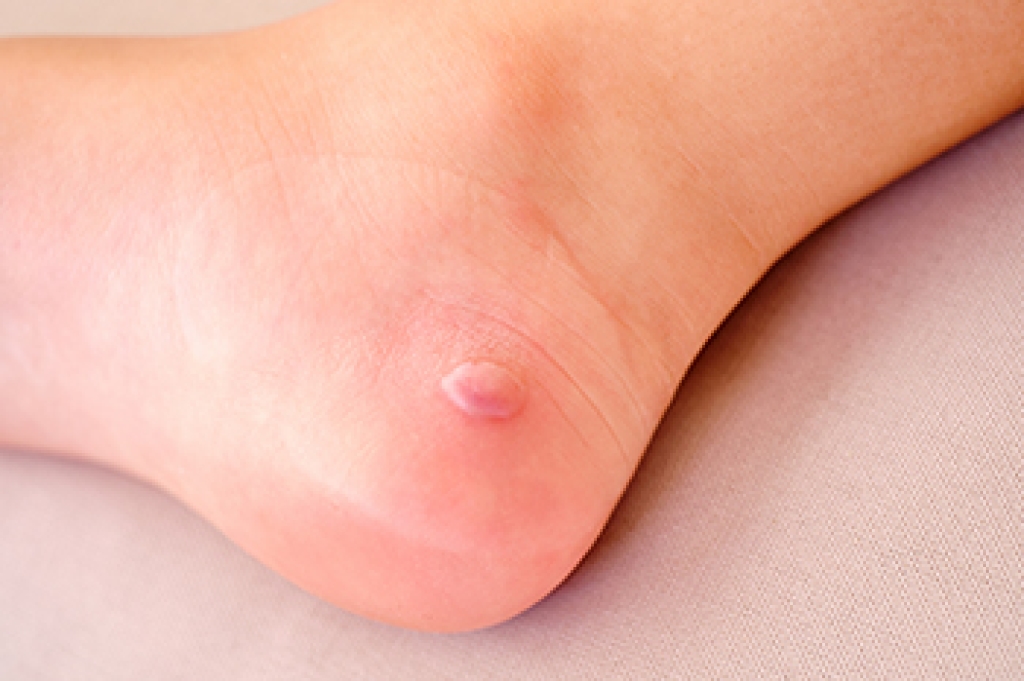
A foot blister is a small fluid-filled pocket that forms on the upper-most layer of the skin. Blisters are filled with clear fluid and can lead to blood drainage or pus if the area becomes infected.

How Do Blisters Form?

Blisters on the feet are often the result of constant friction of skin and material, usually by shoe rubbing. Walking in sandals, boots, or shoes that don’t fit properly for long periods of time can result in a blister. Having consistent foot moisture and humidity can easily lead to blister formation.

Prevention & Treatment

It is important to properly care for the affected area in order to prevent infection and ease the pain. Do not lance the blister and use a Band-Aid to provide pain relief. Also, be sure to keep your feet dry and wear proper fitting shoes. If you see blood or pus in a blister, seek assistance from a podiatrist.

If you have any questions, please feel free to contact our office located in Palmdale, CA . We offer the newest diagnostic and treatment technologies for all your foot care needs.

Read more about Blisters

Connect With Us