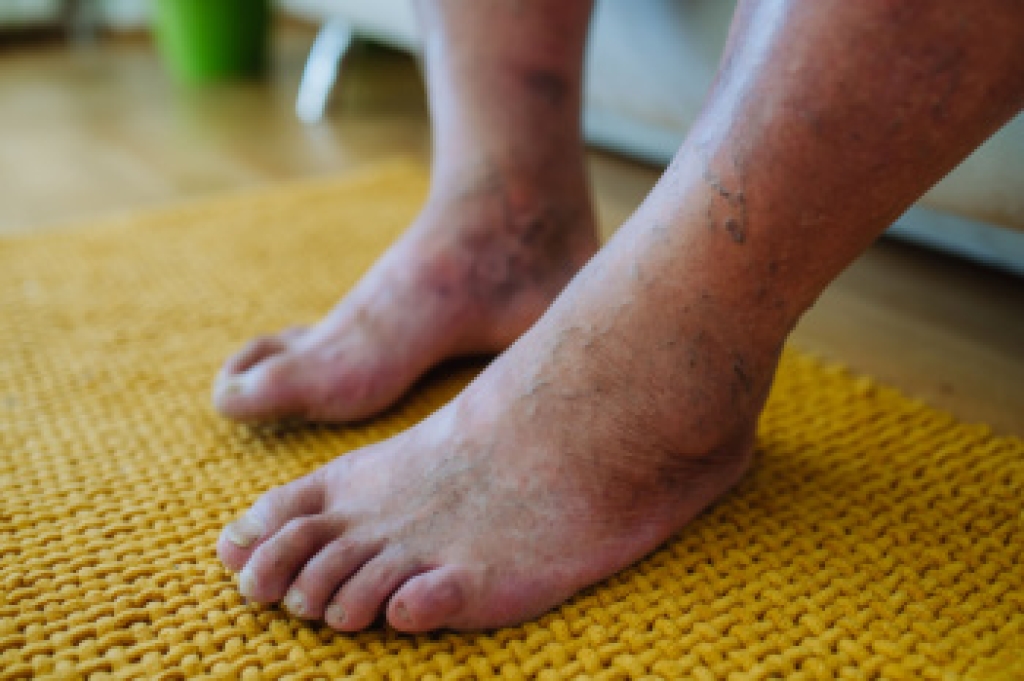
What Are Diabetic Blisters?

Diabetic blisters are a common yet often overlooked complication of diabetes. These blisters typically appear on the feet and legs and are filled with clear fluid. They can be painless at first but may become sore or irritated if left untreated. Diabetic blisters are more likely to form due to poor circulation and nerve damage caused by high blood sugar levels, which makes the skin more fragile and susceptible to injury. While these blisters often heal on their own, they can become infected if not properly cared for. A podiatrist can help by properly cleaning and dressing the blister to reduce the risk of infection. This type of doctor may also advise on keeping the area protected and suggest ways to prevent further blisters. Additionally, a podiatrist may recommend custom footwear, or orthotics to reduce friction and pressure on the feet. If you have diabetes and have developed blisters, it is suggested that you are under the care of a podiatrist who can help you to manage this serious condition. 

Blisters are prone to making everyday activities extremely uncomfortable. If your feet are hurting, contact Andrew Katz, DPM of Allcare Foothealth Center. Our doctor can provide the care you need to keep you pain-free and on your feet.

Foot Blisters

Foot blisters develop as a result of constantly wearing tight or ill-fitting footwear. This happens due to the constant rubbing from the shoe, which can often lead to pain.

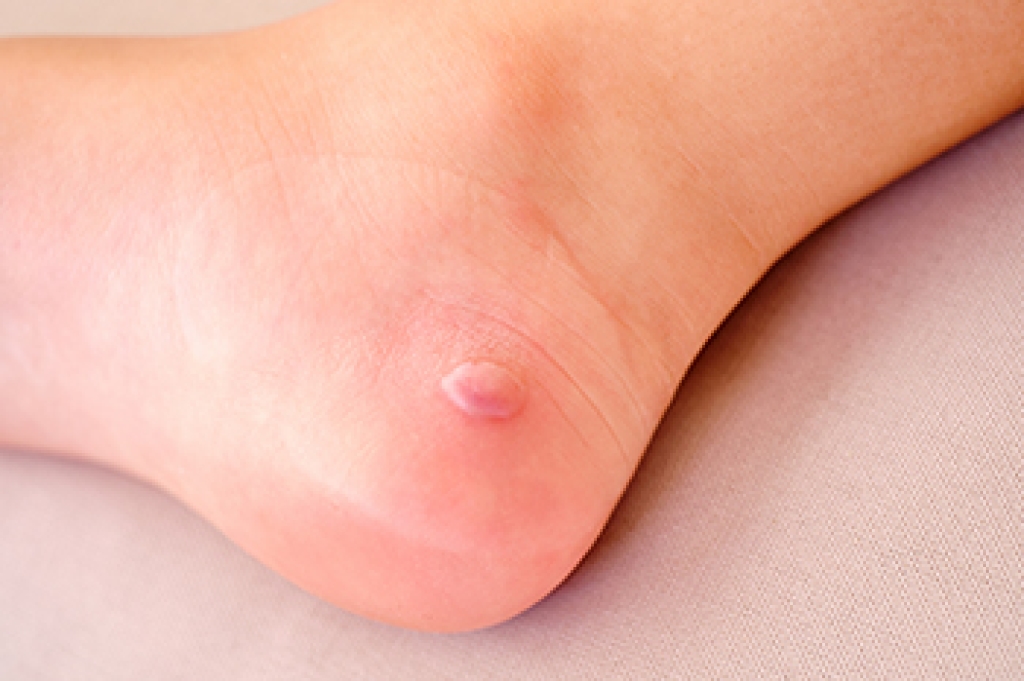
What Are Foot Blisters?

A foot blister is a small fluid-filled pocket that forms on the upper-most layer of the skin. Blisters are filled with clear fluid and can lead to blood drainage or pus if the area becomes infected.

How Do Blisters Form?

Blisters on the feet are often the result of constant friction of skin and material, usually by shoe rubbing. Walking in sandals, boots, or shoes that don’t fit properly for long periods of time can result in a blister. Having consistent foot moisture and humidity can easily lead to blister formation.

Prevention & Treatment

It is important to properly care for the affected area in order to prevent infection and ease the pain. Do not lance the blister and use a Band-Aid to provide pain relief. Also, be sure to keep your feet dry and wear proper fitting shoes. If you see blood or pus in a blister, seek assistance from a podiatrist.

If you have any questions, please feel free to contact our office located in Palmdale, CA . We offer the newest diagnostic and treatment technologies for all your foot care needs.

Read more about Blisters

The Hidden Dangers of Falls

Falls can lead to serious foot and ankle injuries, from sprains and fractures to long-term mobility issues. While anyone can fall, children and seniors are especially vulnerable. Kids, with their endless energy and unsteady coordination, often take tumbles, while aging adults face balance challenges and weaker bones. Surprisingly, men are more likely to die from a fall, while women are more likely to suffer lasting disabilities. Prevention is key. Seniors should focus on balance exercises, wearing proper footwear, and removing trip hazards at home. Good lighting, handrails, and assistive devices can also help. Children benefit from safe play areas, wearing non-slip socks, and learning to navigate stairs carefully. When falls do happen, injuries may not always seem severe at first. Ignoring them can lead to long-term damage. If foot or ankle pain lingers after a fall, it is suggested that you schedule an appointment with a podiatrist for evaluation and appropriate treatment.

Preventing falls among the elderly is very important. If you are older and have fallen or fear that you are prone to falling, consult with Andrew Katz, DPM from Allcare Foothealth Center. Our doctor will assess your condition and provide you with quality advice and care.

Every 11 seconds, an elderly American is being treated in an emergency room for a fall related injury. Falls are the leading cause of head and hip injuries for those 65 and older. Due to decreases in strength, balance, senses, and lack of awareness, elderly persons are very susceptible to falling. Thankfully, there are a number of things older persons can do to prevent falls.

How to Prevent Falls

Some effective methods that older persons can do to prevent falls include:

  • Enrolling in strength and balance exercise program to increase balance and strength
  • Periodically having your sight and hearing checked
  • Discuss any medications you have with a doctor to see if it increases the risk of falling
  • Clearing the house of falling hazards and installing devices like grab bars and railings
  • Utilizing a walker or cane
  • Wearing shoes that provide good support and cushioning
  • Talking to family members about falling and increasing awareness

Falling can be a traumatic and embarrassing experience for elderly persons; this can make them less willing to leave the house, and less willing to talk to someone about their fears of falling. Doing such things, however, will increase the likelihood of tripping or losing one’s balance. Knowing the causes of falling and how to prevent them is the best way to mitigate the risk of serious injury.  

If you have any questions, please feel free to contact our office located in Palmdale, CA . We offer the newest diagnostic and treatment technologies for all your foot care needs.
Read more about Falls Prevention

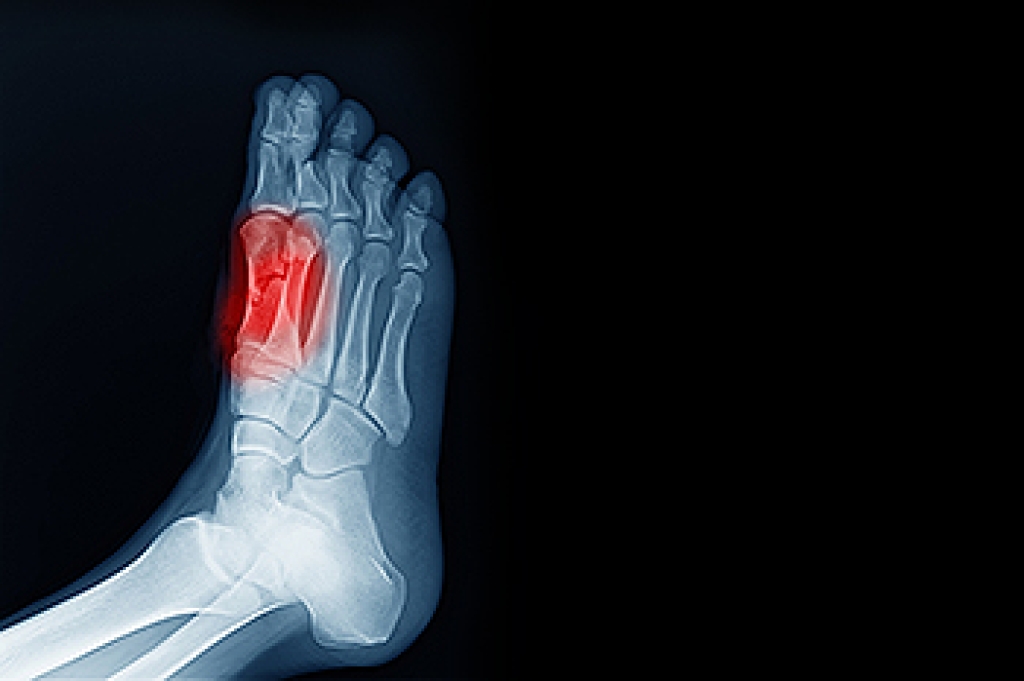
What Is Sesamoiditis?

Sesamoiditis is a painful condition that affects two small sesamoid bones located under the big toe joint. It occurs when these bones become irritated or inflamed, usually due to overuse or repetitive pressure from high-impact activities like running or jumping. Symptoms include pain at the base of the big toe, swelling, and tenderness, especially when bearing weight or pushing off during walking or running. The pain from sesamoiditis can feel sharp or throbbing, and it often worsens with activity. Rest and anti-inflammatory medications are common initial treatments. Wearing cushioned footwear or using custom orthotics to reduce pressure on the affected area can also help. In more severe cases, your podiatrist may recommend corticosteroid injections. This type of doctor specializes in diagnosing and treating conditions like sesamoiditis, helping to reduce pain and prevent further damage. If you are experiencing pain near the base of your big toe, it is suggested that you schedule an appointment with a podiatrist for a tailored treatment plan.

Sesamoiditis is an unpleasant foot condition characterized by pain in the balls of the feet. If you think you’re struggling with sesamoiditis, contact Andrew Katz, DPM of Allcare Foothealth Center. Our doctor will treat your condition thoroughly and effectively.

Sesamoiditis

Sesamoiditis is a condition of the foot that affects the ball of the foot. It is more common in younger people than it is in older people. It can also occur with people who have begun a new exercise program, since their bodies are adjusting to the new physical regimen. Pain may also be caused by the inflammation of tendons surrounding the bones. It is important to seek treatment in its early stages because if you ignore the pain, this condition can lead to more serious problems such as severe irritation and bone fractures.

Causes of Sesamoiditis

  • Sudden increase in activity
  • Increase in physically strenuous movement without a proper warm up or build up
  • Foot structure: those who have smaller, bonier feet or those with a high arch may be more susceptible

Treatment for sesamoiditis is non-invasive and simple. Doctors may recommend a strict rest period where the patient forgoes most physical activity. This will help give the patient time to heal their feet through limited activity. For serious cases, it is best to speak with your doctor to determine a treatment option that will help your specific needs.

If you have any questions, please feel free to contact our office located in Palmdale, CA . We offer the newest diagnostic and treatment technologies for all your foot care needs.

Read more about Sesamoiditis

It's Time for Beautiful Feet

You don't need an excuse to have beautiful nails. Step outside without worrying about the appearance of your feet.

Circulation Issues in Painful Diabetic Neuropathy

Painful diabetic neuropathy happens when high blood sugar damages nerves, causing pain, burning, or tingling in the feet. One key issue is blood flow. Studies show that people with this condition often have too much blood flow in their feet due to a problem with the sympathetic nervous system. This system helps control circulation, but when it does not work properly, blood flow can be too high, leading to nerve irritation and pain. Research suggests that fixing this blood flow issue could help reduce pain. Understanding why the body reacts this way might lead to better treatments. If you have diabetes and your feet hurt, burn, or tingle, do not ignore it, as it can worsen. It is suggested that you see a podiatrist who can check your feet, suggest treatments and help you manage your symptoms.

While poor circulation itself isn’t a condition; it is a symptom of another underlying health condition you may have. If you have any concerns with poor circulation in your feet contact Andrew Katz, DPM of Allcare Foothealth Center. Our doctor will treat your foot and ankle needs.

Poor Circulation in the Feet

Peripheral artery disease (PAD) can potentially lead to poor circulation in the lower extremities. PAD is a condition that causes the blood vessels and arteries to narrow. In a linked condition called atherosclerosis, the arteries stiffen up due to a buildup of plaque in the arteries and blood vessels. These two conditions can cause a decrease in the amount of blood that flows to your extremities, therefore resulting in pain.

Symptoms

Some of the most common symptoms of poor circulation are:

  • Numbness
  • Tingling
  • Throbbing or stinging pain in limbs
  • Pain
  • Muscle Cramps

Treatment for poor circulation often depends on the underlying condition that causes it. Methods for treatment may include insulin for diabetes, special exercise programs, surgery for varicose veins, or compression socks for swollen legs.

As always, see a podiatrist as he or she will assist in finding a regimen that suits you. A podiatrist can also prescribe you any needed medication. 

If you have any questions, please feel free to contact our office located in Palmdale, CA . We offer the newest diagnostic and treatment technologies for all your foot care needs.

Read more about Causes, Symptoms, and Treatment of Poor Blood Circulation in the Feet

Connect With Us